
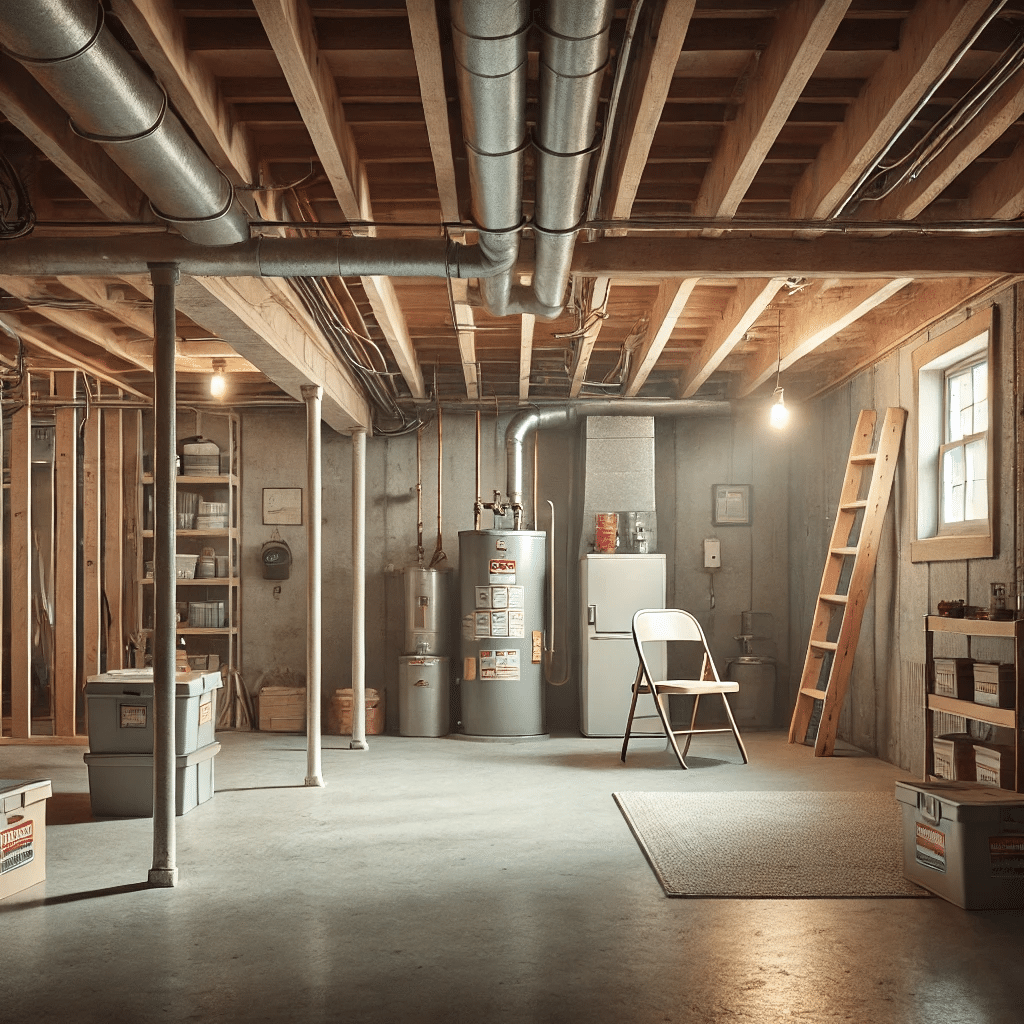
Is it true that the only effective way to handle basement moisture is through a French drain? Well, you might be surprised to discover that there are viable alternatives to this conventional method. Sump pump systems, interior water drainage systems, and even simple exterior drainage solutions can offer similar, if not better, results. Not to mention, these alternatives could save you effort, time, and money. So, why not explore these options further and perhaps find a better-suited solution for your basement’s moisture problem?
Key Takeaways
- Sump pump systems actively remove water accumulation in the basement, offering an alternative to French drains.
- Interior water drainage systems prevent water buildup with a concealed water channel leading to a sump pit, eliminating the need for extensive excavation.
- Exterior sump pumps remove water from the foundation area, handling large volumes of water and preventing flooding.
- Gutter and downspout systems can be used to divert rainwater away from the foundation, reducing the need for French drains.
- Hydronic baseboard systems use heated liquids to generate heat and displace cooler, moist air, offering an energy-efficient alternative for moisture control.
Understanding Basement Waterproofing
Before diving into alternatives to French drains, it’s crucial to first understand the basics of basement waterproofing. You see, waterproofing is a preventative measure to keep your basement dry and free from moisture. It’s a critical task as it helps to prevent mold growth and structural damages that can occur due to water seepage.
Now, let’s clear one thing up: waterproofing isn’t a one-size-fits-all solution. It depends on several factors, including the level of groundwater, the type of soil around your house, and the existing drainage system.
While French drains are a common solution, they mightn’t be the best fit for every situation.
It’s also important to note that waterproofing doesn’t just involve dealing with visible water. It also includes managing humidity levels in your basement. You might need to use dehumidifiers, vapor barriers, or insulation to control moisture levels effectively.
Sump Pump Installation
Next, let’s tackle the topic of sump pump installation.
You’ll first need to grasp the fundamentals of a sump pump, then we’ll walk you through the installation process step by step.
We’ll also cover how to keep your sump pump in top shape with regular upkeep.
Understanding Sump Pump Basics
Diving into the world of sump pumps may seem intimidating, but understanding their basics is vital when considering alternatives to a French drain in your basement. A sump pump is a device that’s installed in a pit, or sump, at the lowest point of your basement. Its primary function is to remove water that accumulates there.
Unlike a French drain that directs water away from your home’s foundation, a sump pump collects and pumps out excess water to a designated location away from your home.
You’ll find two main types of sump pumps: submersible and pedestal. Submersible sump pumps are submerged in the water, while pedestal pumps are above the water level. Submersibles are generally quieter and more efficient but are also pricier.
Sump pumps are powered by electricity, and many models also come with battery backups to keep them functioning during power outages.
It’s important to regularly check and maintain your sump pump to guarantee it’s working properly when you need it most.
Sump Pump Installation Process
If you’re considering installing a sump pump in your basement, understanding the process can make it less intimidating.
First, you’ll need to select the right spot. Aim for the lowest point in your basement, where water tends to gather.
Next, you’ll need to dig a hole for the sump pit. It needs to be deep and wide enough to accommodate the pump.
Then, you’ll place the sump pump into the pit and connect it to a power source. Make sure you’re also connecting the pump to a Ground Fault Circuit Interrupter (GFCI) outlet for safety.
Now, you’ll attach a PVC pipe to the pump. This pipe will guide the water from the pump outside your home.
You’ll need to drill a hole in your basement wall for the pipe. Make sure the hole is above the frost line to prevent freezing.
Maintaining Your Sump Pump
Now that your sump pump is properly installed, it’s important to keep it well-maintained to guarantee it functions at its best. Regular checks and prompt actions are essential to ensure its longevity.
Here’s a simple maintenance routine you can follow:
| Task | Frequency |
| Inspect for debris | Every three months |
| Check for strange noises | Monthly |
| Test pump operation | Annual |
Start by inspecting the sump pit every three months. Remove any debris to avoid clogs which can cause your pump to work harder and wear out quickly. Next, listen for unusual noises coming from the pump monthly. Strange noises could signal a potential problem that needs immediate attention.
Interior Water Drainage Systems
Often, homeowners find that an interior water drainage system serves as a great alternative to a French drain in the basement.
It’s a highly efficient method to prevent water accumulation, ensuring your basement stays dry and damage-free.
Unlike French drains, these systems don’t require extensive excavation. You’ll instead install a concealed water channel beneath your basement floor, leading to a sump pit.
When water seeps in, it’s directed into this channel and towards the sump pit. From there, your sump pump takes over, expelling the water out and away from your home.
To give you more insight, here are some key features of an interior water drainage system:
- Easily installed within a couple of days
- Low maintenance, only requiring occasional cleaning
- Works hand-in-hand with a sump pump
- Doesn’t alter the exterior landscape
- Cost-effective in the long run
Exterior Drainage Solutions
Now, let’s turn your attention to exterior drainage solutions such as exterior sump pumps and gutter and downspout systems.
You’ll need these to prevent water from pooling around your home’s foundation.
They’re essential for maintaining the integrity of your home, so let’s get into it.
Exterior Sump Pumps
Ditching the traditional French drain for an exterior sump pump can greatly enhance your basement’s drainage system. This solution is especially effective if you’re dealing with a high water table or live in an area with heavy rainfall.
An exterior sump pump works by collecting water from around your home’s foundation and pumping it away from your house, keeping your basement dry and free of water damage.
Here are some benefits:
- Efficient Water Removal: It’s designed to handle a large volume of water, making it a perfect solution for areas prone to flooding.
- Prevents Basement Flooding: By actively pumping water away, it reduces the risk of basement flooding.
- Less Intrusive: Unlike a French drain, an exterior sump pump doesn’t require tearing up your basement floor.
- Low Maintenance: Once installed, it requires very little upkeep. Just verify it’s free of debris and it’ll efficiently do its job.
- Adds Value: It not only protects your property but also adds value to your home.
Gutter and Downspout Systems
If you’re looking to improve your basement’s drainage system, consider installing a gutter and downspout system. This exterior drainage solution helps to divert rainwater away from your home’s foundation, thereby preventing basement flooding and water damage.
This system, when properly installed and maintained, can be a highly effective alternative to French drains.
Now, you might be wondering how this system works. It’s quite simple. Gutters catch the rainwater that falls on your roof and channel it into the downspouts. The downspouts then guide the water away from your home’s foundation.
It’s important to confirm that downspouts are extended at least 10 feet from the house to prevent water from seeping into your basement.
Also, make sure your gutters are always clear of debris. Leaves, twigs, and other debris can clog your gutters and downspouts, causing water to overflow and pool around your foundation.
Regular maintenance is key for this system to work effectively.
Application of Waterproof Coatings
One might initially overlook the importance of applying waterproof coatings in the basement. However, you’d be surprised at how essential it’s to maintaining a dry and damage-free space.
Waterproof coatings provide an important layer of defense against moisture that could otherwise seep into your basement, causing a host of problems.
Here are a few key considerations when it comes to the application of waterproof coatings:
- Type of Coating: Various types of waterproof coatings are available, and the best one for your basement depends on several factors, such as the amount of moisture in your area and the type of soil surrounding your house.
- Application Process: Proper application is significant to guarantee the effectiveness of the waterproof coating. You’ll need to prepare the surface thoroughly before applying the coating.
- Maintenance: Once applied, you’ll need to maintain the coating to guarantee its longevity and effectiveness.
- Cost: The cost of waterproof coatings varies, so it’s important to factor this into your budget.
- Professional Help: Depending on the complexity of the task, you might need to hire a professional to apply the waterproof coating.
Benefits of Vapor Barriers
In the domain of moisture protection, vapor barriers stand out as a highly effective solution. You’ll appreciate how these barriers can help protect your basement from the damaging effects of moisture.
One of the main benefits of vapor barriers is their ability to block moisture. They’re usually installed on the warm side of your insulation, preventing warm, moist air from condensing on the cool surfaces inside your basement. This means you’ll have fewer issues with dampness, mildew, and mold, protecting the integrity of your basement.
Vapor barriers can also help improve your home’s energy efficiency. By preventing warm air from escaping during winter and cool air from escaping during summer, they can help you save considerably on your energy bills.
Moreover, they’re a cost-effective solution. Vapor barriers are relatively inexpensive to purchase and install, especially when you compare their cost to the potential damage that uncontrolled moisture can cause.
Hydronic Baseboard Systems
Considering a more unconventional approach to moisture control, you’ll find hydronic baseboard systems quite interesting. Unlike standard heating systems like a French drain, these are designed to use water or other liquids heated to a specific temperature to generate heat and control moisture.
They’re installed along the baseboard in your basement and function by heating the air, causing it to rise and displace cooler, moisture-laden air.
Here are some reasons why this might be the right choice for you:
- They’re energy-efficient: Since they use liquid, they distribute heat more evenly than traditional systems.
- Low maintenance: Hydronic systems require fewer repairs because they’ve fewer moving parts.
- Quiet operation: Unlike forced-air systems, they don’t make noise when they’re running.
- Improved air quality: They don’t blow dust or allergens around your home.
- Flexibility: They can be installed in any part of the house, not just the basement.
Before embracing a hydronic baseboard system, it’s important to understand its operational principles and features.
With the right application, it can be a viable alternative for controlling basement moisture.
Evaluating the Best Option for You
Steering through the maze of moisture control options can be intimidating.
Whether it’s a French drain, a hydronic baseboard system, or a dehumidifier, you’ll want to take into account your unique needs. You must evaluate factors like cost, maintenance, and effectiveness.
Firstly, take into account your budget. A French drain is costly but effective. A hydronic baseboard system is less expensive initially but can have higher long-term costs due to maintenance. A dehumidifier is the cheapest option, but it’s also the least effective at controlling large amounts of moisture.
Next, think about how much maintenance you’re willing to do. A French drain requires minimal maintenance, while a hydronic baseboard system needs more regular check-ups. Dehumidifiers require constant emptying and cleaning.
Frequently Asked Questions
What Is the Cost Comparison Between a French Drain and Its Alternatives?
You’re curious about the cost differences between a French drain and its alternatives.
It’s tough to give exact numbers, as costs vary based on your specific situation. However, generally, French drains can be pricier due to their extensive excavation needs.
Alternatives like sump pumps or interior perimeter drains may be less costly, but it’s best to get estimates for your basement’s exact needs.
Always remember, cheapest isn’t necessarily best.
Can I Install an Alternative to a French Drain Myself?
Yes, you can install an alternative to a French drain yourself.
Sump pumps are a good option. They’re easier to install and cost-effective. You’ll need to dig a pit, place the pump, and connect it to a power source.
It’s important to guarantee it routes water away from your home’s foundation. However, you might want to hire a professional if you’re uncomfortable with the task.
How Long Does an Alternative to a French Drain Last?
The longevity of your alternative to a French drain depends on the option you’ve chosen, the quality of installation, and the level of maintenance.
If you’ve picked an interior or exterior waterproofing system, they can last up to 10 years with proper care.
Sump pumps, another option, need replacement every 5-7 years.
Regular maintenance can extend these lifespans, so don’t neglect your system’s upkeep.
Will Alternatives to a French Drain Increase My Property Value?
Yes, they can! Alternatives to a French drain, like a sump pump or interior waterproofing, can greatly boost your property’s value.
They don’t just keep your basement dry, they also protect your home’s foundation from water damage.
Potential buyers see this as a huge plus, knowing they won’t have to worry about costly water damage repairs.
Are There Eco-Friendly Alternatives to a French Drain?
Yes, there are eco-friendly alternatives to a French drain.
You could consider a rain garden, which uses natural vegetation to absorb and filter runoff. It’s not only eco-friendly, but also enhances your property’s appeal.
Another option is a dry well, which collects water and allows it to seep into the ground gradually.
It’s important to choose an option that suits your property’s specific needs.
Conclusion
So, you’ve navigated the sea of basement waterproofing options, from sump pumps to interior water systems. You’ve considered external solutions, waterproof coatings, vapor barriers, and even hydronic baseboards. Choosing the right alternative to a French drain is like picking the perfect umbrella in a downpour. It’s all about finding what keeps your basement dry and your wallet happy. Remember, the best fix is the one that suits your home’s unique needs and your own peace of mind.

Rob VanSuilichem
Serving Michigan homeowners for over 32 years, Everdry is one of the Nation’s largest and most experienced waterproofer.
Locally owned, operated and staffed, Everdry professionals take a personal one-on-one approach in educating homeowners so they truly understand all their options for creating a safe, dry, healthy and usable space in their basements.
What Sets Us Apart
- Unbeatable quality due to the experience of the owners and staff.
- Unbeatable value due to the efficiency and expertise of more than 32 years of experience.
- Unbeatable value due to the purchasing power of being one of the largest waterproofers in the nation.
- Unbeatable service due to the fact that EverDry is a locally owned and operated company.
Credentials Include:
- Members of the Home Builders Association
- H.U.D. evaluated
- I.C.C. evaluated (Report #94-07)
- Better Business Bureau Accredited with the Eastern and Western Michigan BBB
- Fully Licensed and Insured
The aforementioned memberships are important because we benefit from the constant exchange of information and knowledge. We are updated on everything from installation techniques, to customer service improvements. You benefit in the knowledge that these third party inspection agencies require us to meet stringent requirements to remain members in good standing.
Better Business Bureau
We have been nominated and won the prestigious Better Business Bureau’s Torch Award for Ethics many times, Chosen as a W.Mich.BBB Torch finalist in 2014 & 2015, Won the Torch Award for Ethics in 2016, Won the Eastern Michigan BBB Torch Award in 2019 and was also chosen as a Western Michigan BBB Torch finalist in 2019. Won the Eastern Michigan BBB Torch Award in 2023 and Finalist for the Western Michigan BBB Torch Award in 2020 & 2021!
Mission Statement
To create raving fans of our customers and employees through frequent contact, constant training, a commitment to excellence and unlimited opportunity.
