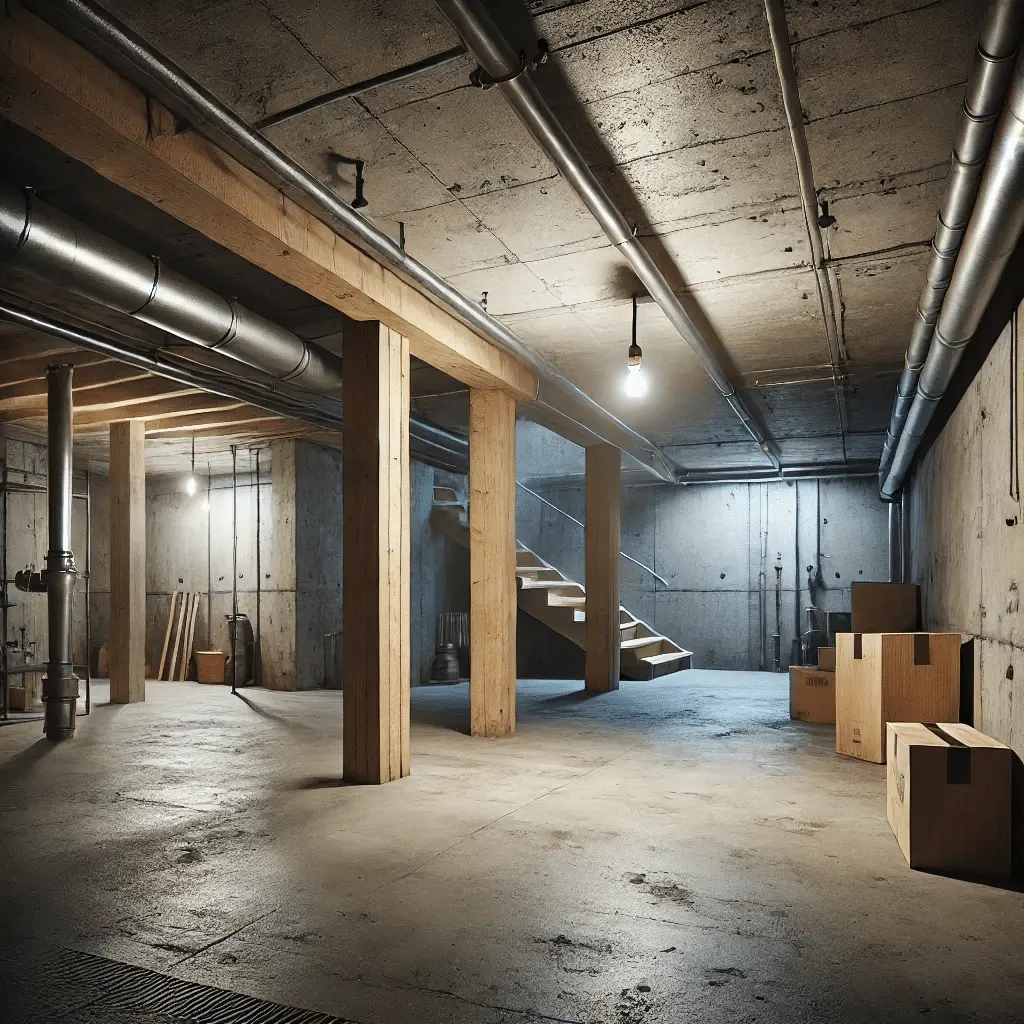
Could it be that the incessant water seeping up through your basement floor drain is a sign of a more serious underlying problem?
It’s no secret that a wet basement can lead to a myriad of issues, from structural damage to the growth of harmful mold.
As a homeowner, you’re probably wondering how to tackle this issue effectively. You might think the solution is as simple as sealing the drain or rerouting the water, but it’s not always that straightforward.
In fact, the answer often lies in understanding the source of the problem and employing specific preventative measures.
Intrigued? Stay with us as we explore the complexities of this common household issue and provide you with the knowledge to keep your basement dry.
Key Takeaways
- Regularly inspect and maintain the floor drain to prevent water backup issues.
- Utilize essential tools like a plunger, plumber’s snake, and possibly a pipe camera for effective troubleshooting.
- Consider implementing a backwater valve to prevent water from flowing back into the basement through the drain.
- Engage in proactive measures such as regular drain maintenance and professional waterproofing solutions to safeguard the basement against water intrusion.
Identifying the Problem Source
Before you can effectively stop water from seeping into your basement via the floor drain, it’s crucial to accurately identify the source of the problem. It’s not as complicated as it sounds, but it does require some detective work.
Start by observing the conditions in which the water appears. Is it only during heavy rain? Perhaps the issue is external, such as poor landscaping causing water to pool near your foundation. Maybe your gutters are overflowing, sending water down against your exterior walls.
If it’s not related to weather, check your internal plumbing. A leaky pipe or faulty appliance could be to blame. Also, consider the possibility of a problem with your sewer line or septic system.
Next, examine the water itself. Does it have a particular odor or color? This could indicate a sewer backup, or the presence of mold or mildew.
Lastly, don’t forget to inspect the drain itself. If it’s clogged, water can’t pass through efficiently. A professional plumber can help you with this if you’re unsure.
Essential Tools and Materials
To tackle this issue effectively, you’ll need to gather some essential tools and materials, including a high-quality plunger, a plumber’s snake, and possibly a pipe camera. The plunger is your first line of defense. Choose a model with a large suction cup and sturdy handle to generate the necessary force to dislodge blockages.
The plumber’s snake, or drain auger, is a flexible coil of wire that reaches further into the drain than a plunger can. It’s essential for breaking up tough clogs. You’ll want one with a crank handle for manual operation, or opt for a motorized version for more power.
The pipe camera, though not absolutely necessary, can provide a clear view of the problem in your drain. This saves guesswork and allows you to target your efforts more accurately. A waterproof model with a long, flexible cable will serve you best here.
You’ll also need a bucket, rubber gloves, and old towels for cleanup. A flashlight can be handy too, for better visibility. Lastly, having a pipe wrench and some plumbing tape on hand can be useful for minor adjustments and fixes. With these tools, you’ll be well-equipped to stop water from coming up through your basement floor drain.
Regular Drain Maintenance Tips
In maintaining your drain regularly, you’ll significantly reduce the likelihood of water backup, ensuring smooth and efficient drain operation. Regular maintenance doesn’t have to be labor-intensive, but it does require consistent attention.
Consider the following maintenance tips:
Routine Cleaning: Regular cleaning can prevent the buildup of debris, which can lead to blockages.
- Drain Strainers: Using drain strainers can help catch debris before it enters the drain.
- Drain Cleaners: Use enzymatic drain cleaners rather than caustic ones to avoid damaging your pipes.
Regular Inspections: Regular inspections can help you detect potential problems early.
- Visual Inspection: Check for signs of wear or damage that could lead to leaks.
- Professional Inspection: Consider hiring a professional to inspect your drain system at least once a year.
Proactive Repairs: Don’t wait for a complete failure to repair your drain system.
- Sealant Application: If you notice minor cracks, apply a sealant immediately.
- Pipe Replacement: Replace old or damaged pipes to prevent future leaks.
Implementing a Backwater Valve
While adhering to regular maintenance tips significantly reduces water backup, you can further safeguard your basement by implementing a backwater valve. This device is designed to only allow water to flow out of your house, preventing any unwanted water from flowing in.
The installation process can be complex and requires a certain level of technical skill. You’ll first need to locate your main sewer line, usually found in your basement or crawlspace. Cut into this line and install the backwater valve. It’s crucial to ensure the valve is oriented correctly; the flap should swing towards the sewer line, allowing outgoing water to push it open.
The backwater valve features a clear lid for easy inspection and maintenance. Regularly check to ensure it’s working correctly and isn’t blocked by any debris. If you’re uncomfortable doing this yourself, you may want to enlist the services of a professional plumber.
Professional Waterproofing Solutions
If you’re looking for a comprehensive solution, professional waterproofing services can provide an array of techniques to keep your basement dry and secure. These services involve a systematic approach, combining different methods to ensure maximum protection.
Professional waterproofing solutions typically include the following:
Interior Water Drainage:
- Installation of interior water drainage systems.
- Regular maintenance and cleaning to prevent clogs.
- Proper positioning of the drain to maximize water flow.
Exterior Waterproofing:
- Application of waterproofing coatings or membranes to the foundation’s exterior walls.
- Installation of exterior drainage systems.
- Backfilling with porous material to reduce hydrostatic pressure.
Sump Pump Installation and Maintenance:
- Proper installation and positioning of sump pumps.
- Regular checks and maintenance to ensure optimum operation.
- Battery backup systems to prevent failure during power outages.
Remember that not all waterproofing methods may be necessary for your situation. A professional can assess your basement’s specific needs and recommend the most effective solutions. This way, you’ll be sure that you’re not only stopping water from coming up through your basement drain, but also taking a proactive step to prevent future water damage.
Frequently Asked Questions
What Are the Potential Health Risks Associated With Water Coming up Through My Basement Floor Drain?
Water seeping up through your basement floor drain can pose several health risks. It may cause mold growth, which can lead to respiratory issues.
If it’s sewer water, it can carry harmful bacteria and viruses, causing serious illness. Also, standing water can attract pests.
Lastly, if the water is contaminated with chemicals from the ground, it may cause skin irritation or more severe health problems. It’s essential to address this issue promptly.
Are There Any Insurance Policies That Cover Damage Caused by Water Coming up Through the Basement Floor Drain?
Absolutely, many homeowner’s insurance policies do cover water damage. However, it’s crucial that you check the specifics of your policy.
Not all water damage is covered, particularly if it’s due to neglect. For instance, if you’ve ignored a leaky basement drain for years, you may be out of luck.
Talk to your insurance provider to understand the nuances of your coverage. It’s better to be safe than sorry when it comes to potential water damage.
How Can I Prevent Mold and Mildew Growth Caused by Water Coming up Through the Basement Floor Drain?
To prevent mold and mildew growth, it’s crucial to keep your basement dry. Regularly inspect your drain for clogs and clear them quickly.
Use a dehumidifier to control humidity levels. If water’s already present, promptly clean and dry the area, then use a mold inhibitor.
It’s also a good idea to get your basement waterproofed to prevent future issues. Prevention’s key, so stay vigilant and act swiftly at the first sign of water.
What Are the Potential Structural Damages That Can Be Caused by Water Seeping up Through the Basement Floor Drain?
When water seeps up through your basement floor drain, it can cause severe structural damage. It can destabilize the foundation, leading to cracks and shifts in your house.
It can also erode the soil around your home, causing sinking or sloping floors. If left untreated, you may face costly repairs or even a complete rebuild.
It’s not just about water damage—it’s about the integrity of your entire home.
Can Water Coming up Through My Basement Floor Drain Affect the Overall Value of My House?
Can you envision a potential buyer’s reaction to a water-damaged basement? Absolutely, water seeping up from your basement drain can impact your home’s value.
It’s a red flag for structural issues, mold growth, and potential future repairs. These problems can lead to a decrease in property value.
It’s crucial to address this issue promptly, not just for your home’s marketability, but for its overall longevity and your peace of mind.
Conclusion
Don’t let water trouble dampen your spirits.
Think of John, who battled with basement water for years. After identifying the source, acquiring the right tools, and implementing regular drain maintenance, he installed a backwater valve with ease. Eventually, he sought professional waterproofing solutions, turning his damp, neglected basement into a dry, usable space.
It’s no small feat, but with determination, you too can reclaim your basement from the clutches of troublesome water.