

Before diving into the techniques, it’s essential to understand the common causes of basement moisture:
- Hydrostatic Pressure: Water pressure from the soil surrounding the foundation can force moisture through foundation walls and floors.
- Poor Drainage: Inadequate exterior grading, clogged gutters, or improper downspout placement can lead to water pooling around the foundation and seeping into the basement.
- Cracks and Gaps: Small cracks in foundation walls, gaps around pipes, windows, and doors, and poorly sealed joints provide entry points for water infiltration.
- Condensation: High humidity levels in the basement can result in condensation on walls, floors, and pipes, contributing to moisture problems.
Popular Basement Waterproofing Techniques:
Exterior Waterproofing:

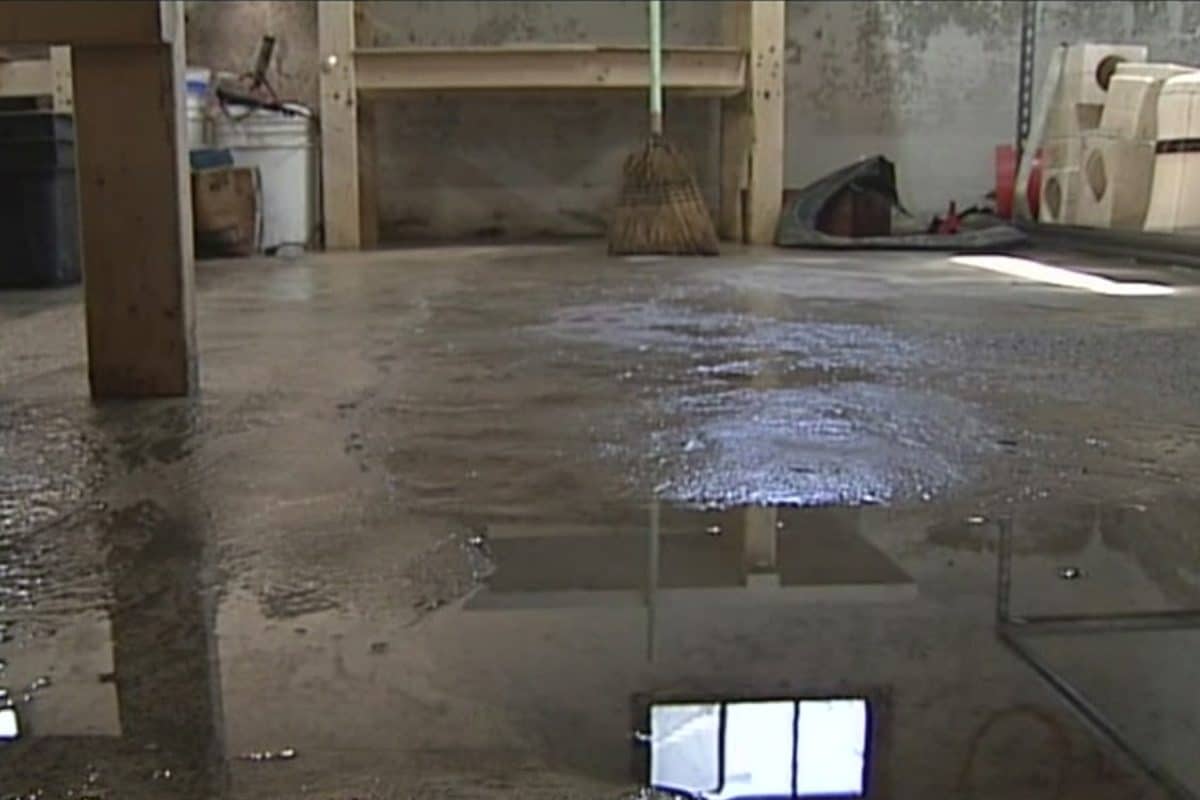
Exterior waterproofing is one of the most effective methods for preventing water intrusion into the basement. It involves excavating around the foundation to expose the exterior walls and applying waterproof coatings or membranes. Key components of exterior waterproofing include:
- Excavation: Soil is excavated to expose the foundation walls, allowing for inspection and repairs.
- Waterproof Membrane: A waterproof coating or membrane, such as asphalt-based emulsion or polymer-modified bitumen, is applied to the exterior walls to create a barrier against water infiltration.
- Drainage System: A perforated pipe, known as a French drain, is installed at the base of the foundation to collect and redirect groundwater away from the building.
Exterior waterproofing provides comprehensive protection against water intrusion but can be costly and disruptive due to excavation requirements.
Interior Waterproofing:
Interior waterproofing focuses on managing water that has already entered the basement. It includes various methods to redirect water away from the interior space and prevent moisture buildup. Common interior waterproofing techniques include:
- Interior Drainage System: A perimeter drain, also known as a footing drain, is installed along the interior perimeter of the basement to collect groundwater and direct it to a sump pump for removal.
- Sump Pump Installation: A sump pump is a critical component of interior waterproofing, as it collects and pumps water out of the basement to prevent flooding and water damage.
- Vapor Barrier: A vapor barrier, is applied to the interior walls and floors to prevent moisture from seeping through.
- Crack Repair: Non-structural cracks in foundation walls are repaired using epoxy or polyurethane injections to seal them and prevent further water infiltration.
Interior waterproofing is less invasive and more cost-effective than exterior waterproofing but may not address underlying drainage issues.
Exterior Grading and Landscaping:
Proper exterior grading and landscaping can help prevent water from pooling around the foundation and seeping into the basement. Key measures include: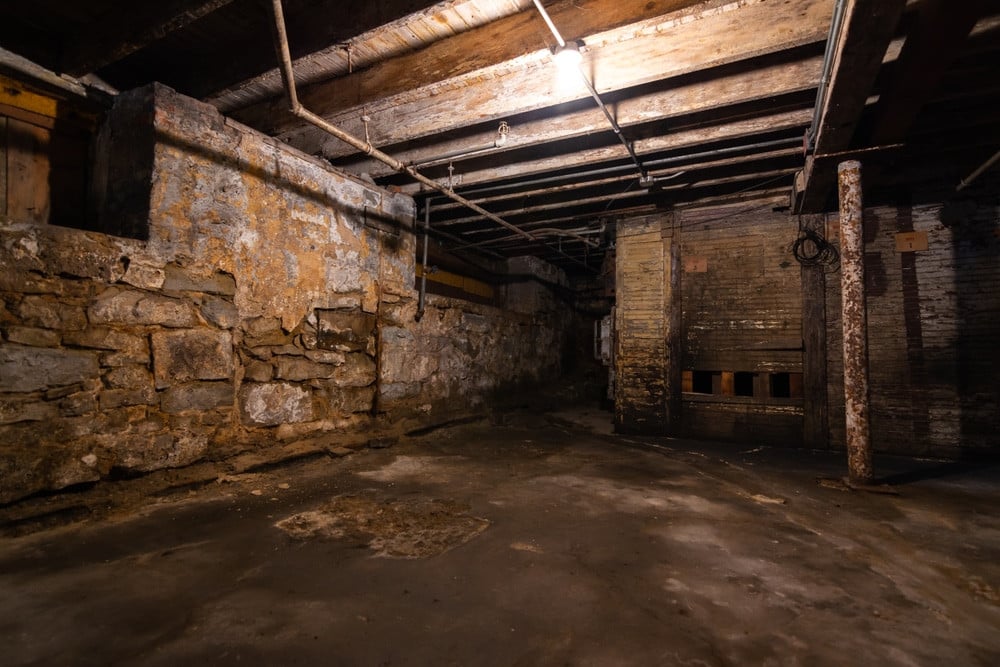
- Sloping the ground away from the foundation to encourage water runoff.
- Installing gutters and downspouts to channel rainwater away from the building.
- Creating swales or drainage ditches to divert surface water away from the foundation.
Improving exterior grading and landscaping can be an effective complement to other basement waterproofing techniques, reducing the risk of water infiltration.
In conclusion, basement waterproofing is essential for protecting homes from water damage, mold, and structural issues. By understanding the common causes of basement moisture and implementing appropriate waterproofing techniques, homeowners can maintain dry, healthy basement environments. Whether through exterior waterproofing, interior drainage systems, or exterior grading, investing in basement waterproofing measures is a proactive step towards preserving the integrity and value of your home. Remember, a dry basement is a happy basement!

Rob VanSuilichem
Serving Michigan homeowners for over 32 years, Everdry is one of the Nation’s largest and most experienced waterproofer.
Locally owned, operated and staffed, Everdry professionals take a personal one-on-one approach in educating homeowners so they truly understand all their options for creating a safe, dry, healthy and usable space in their basements.
What Sets Us Apart
- Unbeatable quality due to the experience of the owners and staff.
- Unbeatable value due to the efficiency and expertise of more than 32 years of experience.
- Unbeatable value due to the purchasing power of being one of the largest waterproofers in the nation.
- Unbeatable service due to the fact that EverDry is a locally owned and operated company.
Credentials Include:
- Members of the Home Builders Association
- H.U.D. evaluated
- I.C.C. evaluated (Report #94-07)
- Better Business Bureau Accredited with the Eastern and Western Michigan BBB
- Fully Licensed and Insured
The aforementioned memberships are important because we benefit from the constant exchange of information and knowledge. We are updated on everything from installation techniques, to customer service improvements. You benefit in the knowledge that these third party inspection agencies require us to meet stringent requirements to remain members in good standing.
Better Business Bureau
We have been nominated and won the prestigious Better Business Bureau’s Torch Award for Ethics many times, Chosen as a W.Mich.BBB Torch finalist in 2014 & 2015, Won the Torch Award for Ethics in 2016, Won the Eastern Michigan BBB Torch Award in 2019 and was also chosen as a Western Michigan BBB Torch finalist in 2019. Won the Eastern Michigan BBB Torch Award in 2023 and Finalist for the Western Michigan BBB Torch Award in 2020 & 2021!
Mission Statement
To create raving fans of our customers and employees through frequent contact, constant training, a commitment to excellence and unlimited opportunity.
