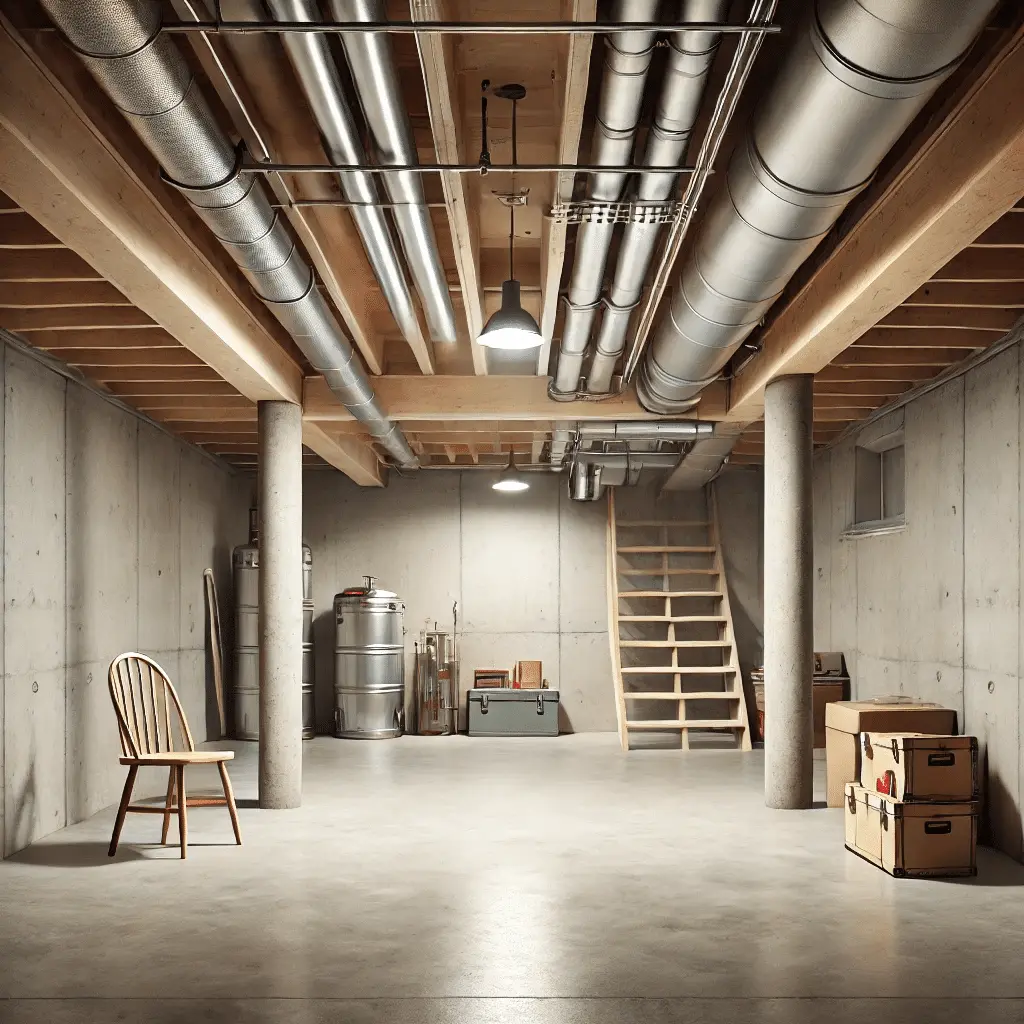
Imagine the damp, musty smell that often lingers in an untreated basement, mixed with the echo of steady drips from unseen leaks. You’ve probably wondered if it’s worth going through the hassle and expense of waterproofing your basement.
On the surface, it may seem unnecessary, especially if you’re not using that space for anything significant. But what if there’s more to it? What if neglecting this part of your house could lead to more significant problems down the line? It’s a topic that holds more weight than you might initially think, and it’s certainly worth your consideration.
Key Takeaways
- Potential risks of a wet basement include structural damage, health risks, financial implications, and overall impact on home integrity.
- Costs involved in basement waterproofing vary based on factors like basement size, issue severity, and chosen waterproofing method.
- Benefits of a waterproofed basement include prevention of potential damage, enhancement of home’s value and comfort.
- Evaluating the need for waterproofing involves assessing current condition, frequency of issues, future use considerations, investment in preventing costly repairs, and health benefits.
Understanding Basement Waterproofing
To fully grasp the concept of basement waterproofing, you must first understand the potential problems that can arise without it. If overlooked, your basement can succumb to water damage, leading to serious issues like structural instability, mold growth, and decreased property value. These problems can’t only be costly to rectify, but they can also pose serious health risks to you and your family.
Now, let’s delve into what basement waterproofing entails. Essentially, it’s a preventative measure designed to stop water from entering your basement. This can be achieved through various methods, including the application of sealants and coatings, installation of drainage systems, or even the construction of exterior barriers.
It’s important to note that not all methods are suitable for every situation. Factors such as your property’s location, the soil type surrounding your home, and the severity of your water issue can all influence the best approach for you. Therefore, it’s highly recommended to consult with a professional waterproofing company. They’ll be able to assess your situation, propose the most effective solution, and ultimately protect your home’s integrity.
Potential Risks of a Wet Basement
When your basement becomes a victim of moisture intrusion, it’s not just the structure of your home that’s at stake, but also your health and finances. Wet basements can lead to a plethora of problems, ranging from minor inconveniences to major risks.
The most immediate concern is structural damage. Over time, moisture can weaken foundational walls, causing cracks and eventual instability. This damage doesn’t just affect your basement; it’s a threat to your home’s overall integrity and could result in substantial repair costs.
Next, consider your health. Moist basements are breeding grounds for mold and mildew, which can trigger allergies, asthma, and other respiratory issues. It’s not a situation you want to expose you or your loved ones to.
Lastly, there’s the financial aspect. The costs of dealing with water damage, mold remediation, and structural repairs can quickly add up. Not to mention, a wet basement significantly reduces your property’s resale value.
In short, neglecting a wet basement isn’t worth the risk. It’s a ticking time bomb that jeopardizes your home’s structure, your health, and your wallet.
Costs Involved in Basement Waterproofing
While it’s clear that ignoring a wet basement can lead to costly and hazardous issues, you might be wondering about the expenses associated with basement waterproofing itself. The cost can vary significantly, depending on factors such as the size of your basement, the severity of the issues, and the waterproofing method used.
In terms of the initial outlay, you can expect to spend anywhere from a few hundred to several thousand dollars. Simple solutions like applying a waterproofing paint or sealant may cost less initially, but they may not provide a long-term solution, especially if there’s significant seepage or leaks. On the other hand, more comprehensive methods, such as installing a sump pump or an interior drainage system, can cost more upfront but could save you money in the long run by preventing future damage.
It’s important to consider these costs in the context of potential future expenses. If left unaddressed, a damp basement can lead to mold growth, structural damage, and decreased property value, all of which could end up costing much more than the price of waterproofing. So, while basement waterproofing might seem like a significant expense, it’s an investment that could save you a lot more down the line.
Benefits of a Waterproofed Basement
Investing in basement waterproofing offers several benefits, not just in terms of preventing potential damage, but also in enhancing your home’s overall value and comfort. Let’s delve into the specifics.
Prevention of potential damage
- Mold and mildew growth: Waterproofing your basement reduces the chances of moisture seeping in, which can lead to mold and mildew growth. This not only impacts the structural integrity of your home but can also lead to health issues.
- Structural damage: Persistent moisture can cause significant damage to the foundation and walls of your home. Waterproofing helps in maintaining the structural integrity of your home.
Enhancement of home’s value and comfort
- Increased property value: A waterproofed basement is an attractive feature for potential buyers. It adds to the overall value of your home.
- Extra living space: Waterproofing allows you to utilize the basement as a functional space, be it a gym, office, or a recreational area.
Evaluating the Need for Waterproofing Your Basement
You might be wondering if your basement needs waterproofing and, if so, how to determine this. To evaluate the need, you’ll need to consider several factors.
Firstly, assess the current condition of your basement. Look for signs of water damage such as damp spots, peeling paint, or mold growth. If you’re seeing these, then it’s likely that your basement needs waterproofing. It’s also crucial to pay attention to any musty odors, as they can be indicative of a moisture problem.
Secondly, consider the frequency of these issues. If you’re dealing with water in your basement after every heavy rain, then it’s a clear sign that waterproofing is necessary.
Lastly, think about the future use of your basement. If you’re planning to finish it or use it for storage, then waterproofing is a must to protect your investment.
Waterproofing your basement is an investment that can save you money in the long run by preventing costly water damage repairs. It also improves the overall health of your home by limiting the growth of mold. So, take the time to evaluate the need for this in your home.
Frequently Asked Questions
What Are Some Alternatives to Basement Waterproofing?
You’re considering alternatives to basement waterproofing. One option is installing a sump pump to remove excess water. Another is improving drainage around your home to direct water away.
You could also use water-resistant paint, but it’s less effective for severe dampness.
Lastly, you can install a dehumidifier to reduce moisture.
How Long Does the Waterproofing Process Typically Take?
You’re curious about how long waterproofing your basement might take. Well, it’s not something you can rush. Generally, it can take anywhere from a couple of days to a week. This depends on the method used and the size of your basement.
Professional waterproofing companies work efficiently, but they don’t cut corners. It’s a thorough process that ensures your basement stays dry, so it’s worth the time invested.
Can I Waterproof My Basement on My Own or Do I Need to Hire a Professional?
You certainly can waterproof your basement on your own, but it’s not always recommended. It requires a significant amount of time, skill, and the right tools. If you’re not experienced in such tasks, you might miss some crucial steps, leading to incomplete waterproofing.
Hiring a professional ensures a thorough job and saves you from potential mistakes. They’re trained to handle any complications that may arise during the process.
Are There Any Signs That Indicate My Basement Is Already Waterproofed?
Yes, there are signs that can indicate if your basement is already waterproofed. If you don’t notice any water damage, musty smells, or visible mold, it’s likely your basement has some level of waterproofing.
Also, look for a waterproof membrane or sealant on the walls. However, remember waterproofing methods can degrade over time, so it’s best to get a professional opinion if you’re unsure.
Can Waterproofing a Basement Increase the Resale Value of My Home?
Absolutely, waterproofing your basement can definitely increase the resale value of your home. It not only prevents potential water damage, but also makes your basement more usable, potentially adding square footage to your home’s livable space.
Buyers prefer homes that are maintenance-free and waterproofing your basement demonstrates that. It’s an investment that’ll likely pay off when you’re ready to sell.
Conclusion
In the end, it’s your call.
Sure, waterproofing your basement can hit your wallet hard, yet neglecting to do so risks even costlier damage.
You’ve got to weigh the potential savings from averting water damage against the upfront costs.
But considering the peace of mind and potential home value increase it could bring, most would agree—waterproofing your basement is a wise investment.
Evaluate your situation, think it through, and make the choice that’s right for you.