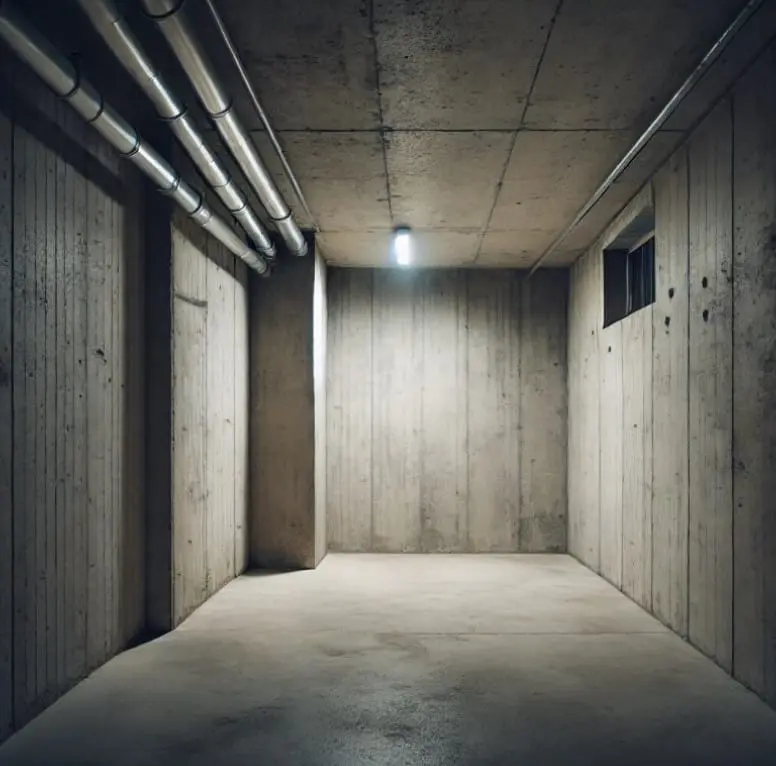
Just like the proverbial three little pigs learned the hard way about the importance of building materials, you too might be wondering about the integrity of your concrete basement when it comes to water seepage.
Can water actually seep through the fortress-like walls of your cellar, turning it into a damp, musty mess? The answer might surprise you, as it’s not as straightforward as you’d think. Despite concrete’s reputation for toughness, its interaction with water is more nuanced than you might imagine.
Stick around, there’s a lot more to uncover about this basement conundrum.
Key Takeaways
Understanding Concrete Porosity
Diving into the realm of concrete porosity, you’ll find that it plays a pivotal role in determining whether water can seep through your basement’s concrete walls. Concrete porosity refers to the void spaces within the concrete’s microstructure, which exist due to the evaporation of water used in the mix.
When you’re making concrete, the amount of water you use can significantly affect its porosity. If you use too much water, you’ll increase the concrete’s porosity, making it more permeable. Conversely, using less water results in lower porosity, thus reducing permeability.
Now, you may wonder why this matters. Well, more permeable concrete means that water, and potentially harmful chemicals, can penetrate deeper into your structure. This can lead to various issues, such as structural weakening, cracks, and dampness.
Analyzing the porosity of your concrete is essential to gauge its durability and strength accurately. You can determine this by conducting a water absorption test, measuring the amount of water absorbed by the concrete over time. Remember, in concrete porosity, the lower the better. By understanding concrete porosity, you’re one step closer to a dry, safe basement.
Causes of Basement Water Seepage
Often, water seepage in your basement is a result of various factors, each contributing to the overall permeability of your concrete structure. It’s not just about the nature of the concrete itself, but also external elements that can exacerbate the problem.
Here’s a table highlighting three main causes:
| Cause | Effect |
| Hydrostatic Pressure | This is the pressure exerted by a fluid due to gravity. It can result in water pushing through your basement walls and floor. |
| Capillary Action | This is the ability of water to flow in narrow spaces against gravity. It can cause water to rise from the ground up through your concrete floor. |
| Condensation | This occurs when warm, moist air comes into contact with your cold basement walls and floor. The resulting water droplets can permeate your concrete. |
Knowing the causes gives you a better understanding of how water seepage can occur in your basement. Keep these factors in mind when you are considering basement waterproofing solutions. Remember, knowledge is power; being aware of these causes can help you make informed decisions and prevent future water damage.
Implications of Water in Basements
Regularly having water in your basement can lead to a host of problems, ranging from structural damage to potential health risks. It’s not just a nuisance; it’s a significant concern that requires immediate attention.
Here are the implications of water in your basement:
- Structural Damage: Water can weaken the structural integrity of your home. It can cause the concrete to crack, leading to more severe problems like foundation collapse over time.
- Mold and Mildew Growth: Damp environments are ideal for mold and mildew to thrive. These can cause respiratory problems and allergies. It’s a health risk you can’t afford to ignore.
- Damage to Property: Water in your basement can damage stored items, appliances, and the overall interior quality. It can ruin carpets, furniture, and other valuable items.
- Decrease in Property Value: Constant water problems can lower your property’s value. Potential buyers might be deterred by the high maintenance and repair costs.
Preventing Water Penetration
To effectively prevent water from penetrating your basement, it’s crucial to understand the potential sources of water seepage and implement preventative measures meticulously. The main sources of water intrusion can be rainwater or groundwater that saturates the soil around the foundation, eventually infiltrating through the concrete.
The first step in prevention is to ensure proper exterior drainage. You should direct downspouts away from the foundation and slope the grade of your yard away from your house. Besides, installing a French drain system can help move water away from the foundation.
You can also apply concrete sealers to the interior of your basement walls. These sealers permeate into the concrete’s pores, creating a barrier against moisture. Waterproofing paint is an additional layer of protection that can be applied over the sealer.
Solutions for Sealing Concrete
While implementing exterior drainage measures and sump pumps can aid in keeping your basement dry, it’s equally imperative to explore various solutions for effectively sealing your concrete to ensure long-term protection against water intrusion.
Before applying any sealant, you need to thoroughly clean the concrete surface. It’s vital to remove any dirt, oil, or loose concrete. Following the cleaning, your concrete surface should be allowed to dry completely.
Next, consider these four different types of concrete sealers:
- Acrylics: They’re affordable and easy to apply. However, they may require frequent reapplication.
- Epoxies: These offer excellent protection but can be more challenging to apply.
- Penetrating sealers: These sealers penetrate the concrete to form a chemical barrier that shields against moisture.
- Polyurethanes: These form a high-build protective film on the concrete surface. They offer excellent water and abrasion resistance.
Each type of sealer has its pros and cons, so you’ll need to weigh these factors against your specific needs and the condition of your concrete. Remember, a well-sealed concrete surface can significantly reduce the risk of water seepage in your basement.
Frequently Asked Questions
Can Water Seep Through Concrete in Other Areas of the House Aside From the Basement?
Yes, water can seep through concrete in other areas of your home besides the basement. It’s not just a basement issue. Anywhere there’s concrete, whether it’s your walls or floors, there’s potential for water seepage.
This can happen due to poor construction, cracks, or high humidity. It’s crucial to regularly check these areas to prevent damage.
How Long Does It Generally Take for Water to Seep Through Concrete?
You’re asking about the time it takes for water to penetrate concrete. It’s not a straightforward answer as it depends on several factors. These include the quality of concrete, its thickness, and the amount of water pressure.
Generally, it can take from a few weeks to several years. However, if the concrete isn’t sealed properly or has cracks, water can seep through much quicker, sometimes in just a few days.
Are There Any Signs to Watch Out for That May Indicate Water Seepage Through Concrete?
Ever notice a musty smell in your basement or see damp spots on the walls? These could be signs of water seeping through your concrete.
You might also spot efflorescence, a white, chalky substance on the surface. Cracks or discoloration on the walls are another indicator.
Don’t ignore water stains on the floor either. If you’re seeing these signs, it’s likely you’ve got water intrusion issues. It’s best to address them promptly.
What Are the Potential Health Risks Associated With Water Seepage in Basements?
Water seepage in your basement can lead to mold growth, which presents several health risks. You’re likely to experience allergy symptoms like sneezing, runny nose, and itchy eyes.
More severe reactions could include fever and shortness of breath. Prolonged exposure to mold can lead to chronic respiratory diseases.
It’s important to handle water seepage promptly to prevent these health issues.
Can Water Seepage Through Concrete Cause Structural Damage to the Building?
Yes, water seepage can indeed wreak havoc on your building’s structure. It’s not just a small issue; it’s like termites slowly eating away at your home’s foundation.
The water, over time, can erode the concrete, causing it to crack and weaken. This puts your entire building at risk as it compromises its structural integrity.
Conclusion
Indeed, water can seep through your concrete basement due to its porous nature. This infiltration can lead to severe implications such as damaging your property and health hazards.
It’s essential to prevent water penetration by using effective sealing techniques. Remember, prevention is always better than cure, so take proactive measures to protect your basement.
Research and apply the best practices to safeguard your home from the potential damages of water seepage.