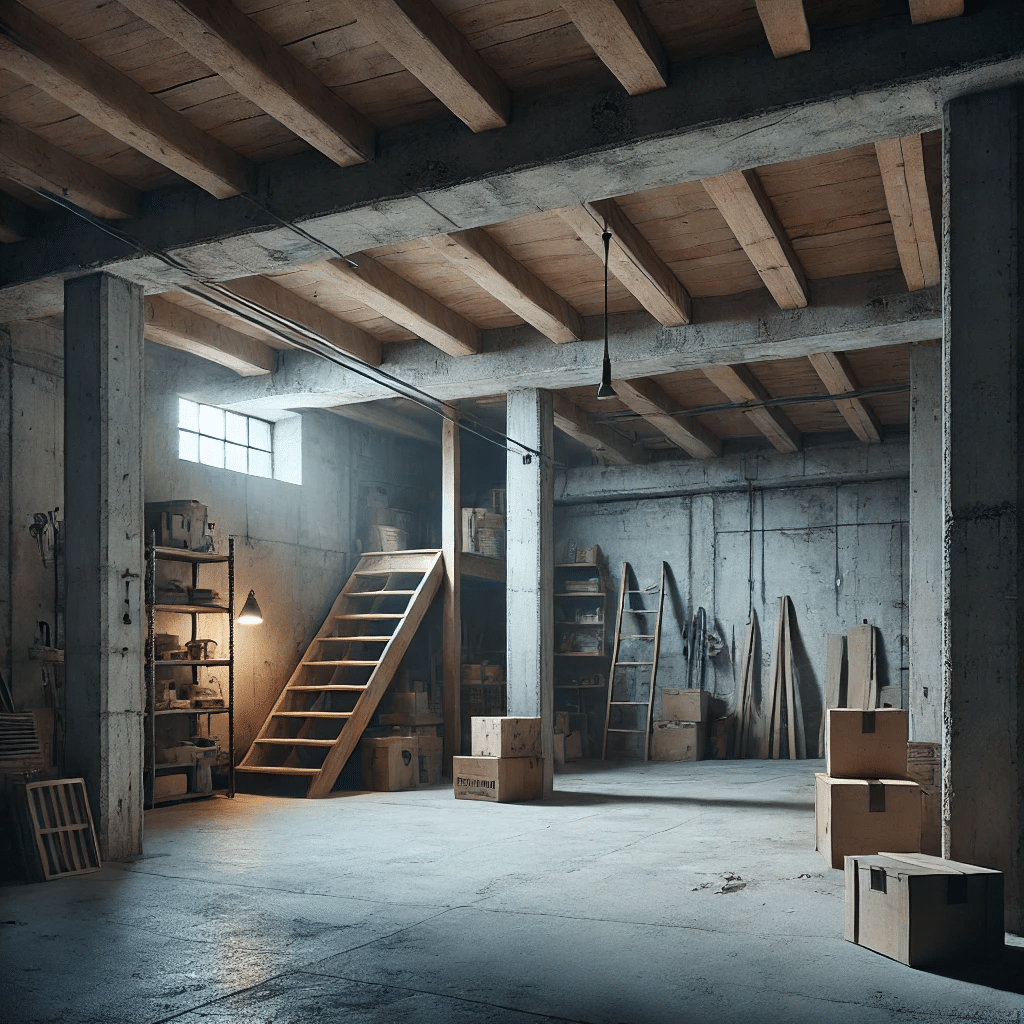
Just like a captain doesn’t wait until his ship is halfway under water to start plugging leaks, you shouldn’t wait until your basement resembles a swimming pool to start thinking about waterproofing.
You’ve invested significant resources into your home, and your basement is no exception. It’s a valuable space, whether you use it for storage, as a living area, or even just as a laundry room.
But how often should you be waterproofing this underground sanctuary to ensure it remains dry and damage-free? Well, you’re about to find out the crucial factors that determine the ideal waterproofing frequency.
Key Takeaways
- Basement waterproofing is essential to prevent moisture intrusion, structural damage, and mold growth.
- Regular maintenance and waterproofing every 3-5 years (or more frequently in high-risk areas) can enhance the effectiveness of waterproofing.
- Signs of water damage such as musty smells, mold growth, water stains, cracks, and rust on appliances should prompt immediate action to prevent costly repairs.
- Utilizing techniques like interior and exterior waterproofing, drainage systems, crack injections, and waterproofing paint can help protect your basement from water damage.
Understanding Basement Waterproofing
Diving into the topic of basement waterproofing, it’s essential to understand that it’s a preventative measure designed to keep moisture out of your home’s lower level. You see, when water seeps into your basement, it can lead to a host of problems, from structural damage to mold and mildew growth.
When you waterproof your basement, you’re creating a barrier that prevents this water entry. You might think of it like an invisible shield, protecting your home from the potentially harmful effects of moisture. But it’s not just about slapping on some waterproof paint and calling it a day. There’s a process to it, one that involves careful inspection of your basement, identifying possible entry points for water, and then applying the right waterproofing solution.
Signs of Basement Water Damage
Now that you know the ins and outs of basement waterproofing, it’s crucial to recognize the signs of water damage in your basement. Identifying these early can prevent costly repairs down the line.
First off, trust your nose. If your basement smells damp and musty, that’s a clear sign of water intrusion. Don’t ignore it. Next, look for visible mold. A common sign of water damage, mold thrives in damp, dark spaces and can lead to health issues.
You should also keep an eye out for water stains on walls, floors, and ceilings. These marks suggest water leakage, which can weaken your home’s structure. Peeling paint or efflorescence—white, chalky substance on your walls—also signal moisture problems.
Check for cracks in the walls and floor. Water can seep through these, causing further damage. If your doors and windows stick or don’t shut properly, it could be due to water-induced warping.
Lastly, check your utilities. Rust on appliances, water heaters, or furnaces indicates water exposure.
Ideal Waterproofing Frequency
Understanding the ideal frequency for waterproofing your basement is crucial to prevent potential water damage and save on costly repairs. There isn’t a universal answer to how often you should waterproof your basement, as it heavily depends on your specific situation. However, you can follow some general guidelines.
If your basement hasn’t had any water issues for a long time, a good rule of thumb is to waterproof it every 3-5 years. But if you live in an area with high rainfall or your home’s foundation is prone to leaks, you might need to do it more frequently, perhaps every 1-2 years.
Also, remember that regular maintenance can enhance the effectiveness of your waterproofing efforts. Don’t forget to check your gutters and downspouts regularly and ensure they’re directing water away from your home’s foundation.
Lastly, always keep an eye out for any signs of water damage. If you notice anything unusual, it’s better to act immediately rather than wait for your next scheduled waterproofing. Your vigilance and proactive approach can save you from hefty repair bills in the long run.
Waterproofing Techniques and Methods
While it’s important to know when to waterproof your basement, it’s equally crucial to familiarize yourself with the different techniques and methods available for effective waterproofing. Knowledge of these methods can help you choose the right approach for your home.
Here are some of the most common techniques:
- Interior Waterproofing: This method involves the application of sealants and coatings on the inside of your basement. It’s a great way to keep out minor dampness and condensation but mightn’t be sufficient for major leakages.
- Exterior Waterproofing: This is a more comprehensive method that prevents water from getting into your basement walls. It typically involves the application of a waterproof barrier on the outside of your basement walls.
- Drainage Systems: Installing proper drainage systems both inside and outside your basement can help to direct water away from your home, preventing any potential damage.
- Crack Injections: This is a simpler method where any cracks in your basement walls or floors are filled in. However, it’s only effective for poured concrete foundations.
- Waterproofing Paint: This method involves the application of a special paint that can resist water.
Each method has its own pros and cons, so it’s important to choose the one that best fits your specific needs.
The Cost of Neglecting Waterproofing
Ignoring waterproofing can lead to costly damage in your home, so it’s crucial not to overlook this vital maintenance task. If you neglect this, you’re inviting a variety of potential problems. These can range from minor annoyances to major issues that can significantly affect your quality of life and the value of your home.
ConsNot only can these issues be expensive to fix, but they can also create unhealthy conditions in your home. Mold and mildew can lead to respiratory problems, while structural damage can make your home unsafe. Flooding can destroy personal items and lead to electrical issues. Plus, if you ever decide to sell your home, a damp basement can severely lower its value. So, it’s clear that regularly waterproofing your basement is an investment that can save you a lot of money and stress in the long run.
Conclusion
So, you’ve been ignoring those damp basement walls, huh? Well, let’s hope you fancy mouldy furniture and a musty smell.
Waterproofing isn’t just a once-and-done deal. It’s a regular chore, like changing your car’s oil. Ignore it, and you’re in for a costly cleanup.
Remember, waterproofing isn’t an expense; it’s an investment in your home’s health. Don’t skimp on it unless you’re a fan of indoor rainforests.