
Effective basement waterproofing is crucial for preventing water damage and ensuring a dry, safe environment. One of the most critical aspects of this process is proper drainage. Proper drainage systems help manage and redirect water away from your home’s foundation, reducing the risk of leaks, flooding, and structural damage. This article explores why proper drainage is essential in basement waterproofing and how it contributes to the overall effectiveness of your waterproofing system.
The Role of Drainage in Waterproofing
How Drainage Systems Work
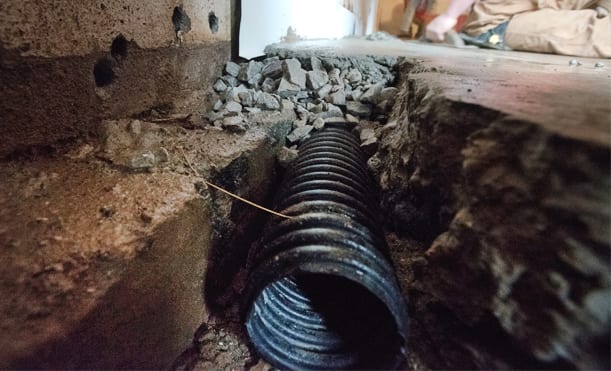
 Drainage systems play a vital role in basement waterproofing by controlling the flow of water around and away from your home. These systems typically consist of a network of pipes, gravel, and other components designed to collect and redirect water that accumulates near the foundation.
Key Components:
- Drainage Pipes: Perforated pipes installed around the foundation to collect water.
- Gravel Layers: Gravel helps filter and direct water into the drainage pipes.
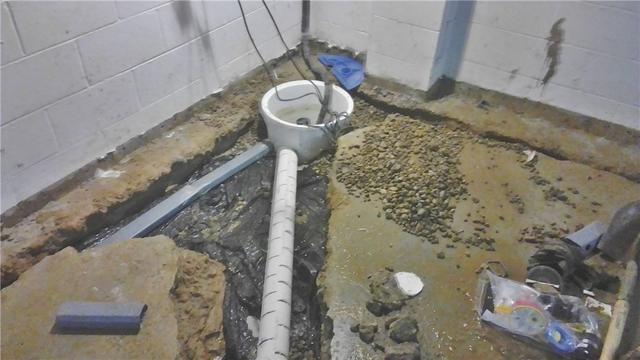
- Drainage Channels: Channels installed along the perimeter of the basement floor to capture and redirect water.
Benefits of Proper Drainage
- Prevents Foundation Damage
- By directing water away from the foundation, proper drainage reduces the risk of water pressure building up against basement walls. This helps prevent cracks and structural damage.
- Reduces Basement Flooding
- Efficient drainage systems prevent water from pooling around the foundation and seeping into the basement. This reduces the likelihood of flooding and water damage to stored belongings and living spaces.
- Protects Basement Interiors
- Proper drainage helps maintain a dry basement environment, preventing mold growth, musty odors, and deterioration of building materials.
Types of Drainage Systems
Exterior Drainage Systems
Exterior drainage systems are installed around the outside of the foundation. These systems include:
- French Drains: Perforated pipes surrounded by gravel that collect and redirect water away from the foundation.
- Surface Drains: Drains installed in areas where water tends to collect, such as around downspouts.
Advantages:
- Prevents Water from Contacting the Foundation: Effective at diverting water before it reaches the foundation.
- Long-Term Protection: Designed to provide lasting protection against water intrusion.
Interior Drainage Systems
Interior drainage systems are installed within the basement to collect and manage water that seeps in. Key components include:
- Interior Drain Tile Systems: Perforated pipes installed along the perimeter of the basement floor to collect water and direct it to a sump pump.
- Sump Pumps: Pumps that remove collected water from the basement and discharge it away from the home.
Advantages:
- Efficient Water Collection: Effective at managing water that enters the basement despite exterior drainage efforts.
- Less Disruptive Installation: Often less invasive and easier to install than exterior systems.
Importance of Professional Installation
Expert Assessment and Design
Proper drainage system installation requires a thorough assessment of your home’s specific needs. Professional installers evaluate factors such as soil conditions, foundation type, and water flow patterns to design a system that provides optimal protection.
Quality Materials and Workmanship
Using high-quality materials and skilled workmanship is essential for the effectiveness and longevity of your drainage system. Professionals ensure that all components are installed correctly and functioning as intended.
Maintenance and Inspection
Regular Maintenance
Regular maintenance of your drainage system is crucial for continued effectiveness. This includes checking for clogs, ensuring proper water flow, and repairing any damage to the system.
Professional Inspections
Periodic inspections by a professional can help identify potential issues before they become major problems. Early detection and maintenance can prevent costly repairs and ensure that your drainage system remains in top condition.
Conclusion
Proper drainage is a fundamental aspect of basement waterproofing, playing a crucial role in protecting your home from water damage. By directing water away from the foundation and maintaining a dry basement environment, effective drainage systems help prevent flooding, structural damage, and other issues. Investing in professional installation and regular maintenance ensures that your drainage system provides long-term protection and keeps your basement dry and secure.

Rob VanSuilichem
Serving Michigan homeowners for over 32 years, Everdry is one of the Nation’s largest and most experienced waterproofer.
Locally owned, operated and staffed, Everdry professionals take a personal one-on-one approach in educating homeowners so they truly understand all their options for creating a safe, dry, healthy and usable space in their basements.
What Sets Us Apart
- Unbeatable quality due to the experience of the owners and staff.
- Unbeatable value due to the efficiency and expertise of more than 32 years of experience.
- Unbeatable value due to the purchasing power of being one of the largest waterproofers in the nation.
- Unbeatable service due to the fact that EverDry is a locally owned and operated company.
Credentials Include:
- Members of the Home Builders Association
- H.U.D. evaluated
- I.C.C. evaluated (Report #94-07)
- Better Business Bureau Accredited with the Eastern and Western Michigan BBB
- Fully Licensed and Insured
The aforementioned memberships are important because we benefit from the constant exchange of information and knowledge. We are updated on everything from installation techniques, to customer service improvements. You benefit in the knowledge that these third party inspection agencies require us to meet stringent requirements to remain members in good standing.
Better Business Bureau
We have been nominated and won the prestigious Better Business Bureau’s Torch Award for Ethics many times, Chosen as a W.Mich.BBB Torch finalist in 2014 & 2015, Won the Torch Award for Ethics in 2016, Won the Eastern Michigan BBB Torch Award in 2019 and was also chosen as a Western Michigan BBB Torch finalist in 2019. Won the Eastern Michigan BBB Torch Award in 2023 and Finalist for the Western Michigan BBB Torch Award in 2020 & 2021!
Mission Statement
To create raving fans of our customers and employees through frequent contact, constant training, a commitment to excellence and unlimited opportunity.