
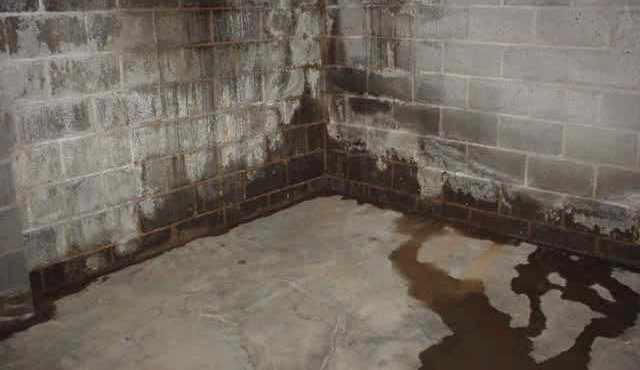
You’ve just discovered your basement is flooded and you’re grappling with the question – how do you dry it out quickly and effectively? It’s not just about removing the water, it’s also about managing the lingering moisture that could lead to a mold problem. You’ll need the right tools and strategies, from submersible pumps and dehumidifiers to fans and natural ventilation. But how do you put all these pieces together in the most efficient way? Let’s start exploring some practical steps you can take to reclaim your space and prevent further damage.
Key Takeaways
- Use efficient pumping methods and high-capacity pumps to quickly extract flood water.
- Implement natural drying techniques, such as opening windows and using fans, to enhance air circulation and evaporation.
- Position dehumidifiers centrally and near moisture sources for optimal moisture removal and faster drying.
- Enhance drying and air quality by maintaining continuous air circulation, which also prevents mold growth and reduces musty odors.
- Monitor humidity levels with a hygrometer to ensure optimal drying conditions.
Assessing the Flood Damage
When disaster strikes and your basement floods, the first step is to assess the damage. This flood assessment isn’t just about figuring out how much water is down there it’s about determining the extent of the damage to your property and belongings.
Start with a visual inspection. Look for signs of water staining, warped or swollen materials, and mold growth. It’s also important to identify the type of water that’s caused the damage. Is it clean water from a busted pipe, or is it contaminated water from a sewer backup? This will affect the cleanup process and the overall damage evaluation.
Document everything, taking photos and making detailed notes. This won’t only help in the cleanup process but also in any insurance claims you may need to make.
Remember, in situations like this, it’s best to act fast. The longer water sits, the more damage it can do, so once you’ve done your assessment, it’s time to get to work drying out your basement.
While it may be a challenging task, with a clear understanding of the damage, you’ll be better equipped to handle the cleanup and recovery process.
Safety Measures Before Starting
Before you roll up your sleeves and get to work, it’s paramount to contemplate your safety. Your personal protective gear is your first line of defense. It’s essential to wear waterproof gloves, rubber boots, and protective goggles. This will protect your skin and eyes from contaminated water and other possible hazards.
Electrical safety is another major concern. Never enter a flooded basement without first shutting off the electricity. Even a small amount of standing water can carry an electric current, and the risk of electrocution is high. If you’re unsure about how to safely turn off your power, it’s best to contact a professional.
Here’s a quick table to summarize these safety measures:
| Safety Measure | Why It’s Important |
|---|---|
| Wearing personal protective gear | Protects from contaminated water and possible hazards |
| Turning off electricity | Prevents risk of electrocution |
| Contacting a professional if unsure | Ensures safety measures are properly taken |
Water Removal Strategies
Now that you’re armed with safety measures, let’s move onto water removal strategies.
You’d want to know how to utilize efficient pumping methods, handle dehumidifiers properly, and apply natural drying techniques.
These steps are essential to dry your basement quickly and effectively.
Efficient Pumping Methods
Without a doubt, efficient pumping methods play a vital role in drying out a basement quickly. It’s important to understand the types of pumps available and how to maintain them for peak performance.
Submersible pumps are a great option for water extraction. They’re designed to work underwater, making them ideal for flood control. High capacity pumps, as the name suggests, can handle large volumes of water, speeding up the drying process.
Regular pump maintenance is essential to guarantee pump efficiency. This includes routine checks and servicing.
Consider the following table for a quick comparison:
| Pump Type | Capacity | Suitable For |
|---|---|---|
| Submersible Pumps | Medium-High | Waterlogged Areas |
| High Capacity Pumps | High | Large Scale Flooding |
| Standard Pumps | Low-Medium | Minor Flooding |
Utilizing Dehumidifiers Properly
After pumping out the majority of the water, your next step should be utilizing a dehumidifier effectively. It’s not enough to simply own one; it’s all about how you use it. The correct dehumidifier settings are key to maximizing its efficiency.
Start by positioning the dehumidifier in the dampest area of your basement. Make certain it’s not obstructed or in a confined space. Air needs to flow freely into and out of it.
Then, turn your attention to the dehumidifier settings. Most units have a humidity control function. You’ll want to set this to the lowest setting initially to draw as much moisture from the air as possible.
Keep an eye on the water collection bucket. Don’t let it overflow. Empty it regularly to keep the dehumidifier working at its best.
And remember, it’s a marathon, not a sprint. Operating it continuously for a few days is typically more effective than running it sporadically.
After a few days, you can adjust the humidity control to a higher setting. The aim is to maintain a relative humidity of around 50% in your basement.
Using a dehumidifier properly is vital for drying out your basement fast.
Natural Drying Techniques
In addition to using a dehumidifier, you can also take advantage of natural drying techniques to speed up the drying process in your basement.
Here’s how:
- Sunlight Exposure: Open all windows and doors leading to the basement during the day to allow natural sunlight in. Sunlight helps evaporate moisture, reducing dampness.
- Natural Ventilation: Increase air circulation by opening all windows and doors. This promotes drying as fresh air replaces humid air.
- Heat: If it’s warm outside, let the hot air in. Warm air can hold more moisture than cold air, helping to dry out the basement.
- Wind: If it’s a breezy day, let the wind in. Wind can speed up evaporation, making your basement dry faster.
Using Dehumidifiers Effectively
Now, let’s tackle the topic of using dehumidifiers effectively.
First, you’ll need to know how to choose the right dehumidifier for your specific needs.
Then, we’ll give you some handy tips on where to place your dehumidifier for ideal results.
Selecting the Right Dehumidifier
Choosing the right dehumidifier can make a world of difference in drying your basement quickly and effectively. When selecting a dehumidifier, there are certain things you need to evaluate, including the dehumidifier capacity and energy efficiency.
- Dehumidifier Capacity: This refers to the amount of moisture the dehumidifier can remove from the air within 24 hours. If your basement is large or very damp, you’ll need a dehumidifier with a high capacity.
Remember, it’s better to have a dehumidifier with excess capacity than not enough.
- Energy Efficiency: An energy-efficient dehumidifier can save you money on your electric bill. Look for models with an Energy Star rating, which means they’re certified to use less energy.
- Noise Level: Dehumidifiers can be noisy. If noise is a concern for you, look for a model designed for quiet operation.
- Auto Restart and Continuous Operation: These features allow the dehumidifier to restart automatically after a power outage and run continuously without needing to be emptied manually.
Optimal Dehumidifier Placement Tips
Having the right dehumidifier is just half the battle; knowing where to place it in your basement is equally essential. Placement can drastically affect the dehumidifier’s capacity to dry your basement. You’ll want to position it in a central area where air can circulate freely.
Avoid corners and tight spaces which can restrict airflow and reduce efficiency. Remember, your dehumidifier works by drawing in moist air, removing the moisture, and releasing dry air. If its intake and exhaust are blocked, it can’t do its job. So, make sure there’s at least a few feet of clearance around your dehumidifier.
Secondly, consider your basement’s size and humidity level. The dehumidifier capacity you chose should align with these factors for peak performance. If the humidity is high, place the dehumidifier near the source of the moisture. This strategy allows it to target the most problematic areas first.
Lastly, aim for the ideal humidity level, between 40-50%. This range discourages mold growth while maintaining comfort. Using a hygrometer can help you monitor and maintain this ideal range.
In brief, strategic placement and mindful usage of your dehumidifier can expedite your basement’s drying process.
Importance of Air Circulation
Proper air circulation plays a pivotal role in drying a basement quickly. It’s not just about cranking up the heat and hoping for the best; you’ve got to get the air moving.
Employing effective airflow techniques and having efficient ventilation systems can greatly speed up the drying process.
Let’s break down the importance of air circulation:
- Accelerates Drying: A well-ventilated basement will dry faster because the moisture is constantly being replaced with drier air from outside. It’s basic physics!
- Prevents Mold Growth: By circulating the air, you’re reducing the chance of mold spores settling and growing. Nobody wants a moldy basement!
- Reduces Odors: Stagnant, damp air can create a musty smell. Good air circulation will help to dissipate this unpleasant odor.
- Improves Indoor Air Quality: By circulating the air, you’re also reducing allergens and improving the overall air quality in your basement.
Cleaning and Sanitizing
After drying out your basement and guaranteeing good air circulation, it’s time to roll up your sleeves and start the cleaning and sanitizing process. It’s crucial to make sure every inch of your basement is cleaned, as this prevents the growth of mold and other harmful pathogens.
Begin with surface cleaning, scrubbing all surfaces with a strong detergent. This helps in not just dirt removal but also in mold prevention. Confirm to rinse the surfaces well after scrubbing.
Next, sanitize the cleaned surfaces using a bleach solution. Be cautious of the fumes and always wear protective gear while handling such strong chemicals.
Here’s a handy table to help:
| Cleaning Stage | Tool | Emotion |
|---|---|---|
| Surface Cleaning | Detergent | Relief |
| Rinse | Water | Satisfaction |
| Sanitizing | Bleach | Confidence |
This table personifies the emotions you’ll likely feel during each stage, underscoring the importance of each step in the process.
Preventing Future Flooding
Now that your basement is dry, clean, and sanitized, it’s time to tackle the next important task – keeping it that way.
You’ve already been through one flooding ordeal; let’s make sure you don’t have to face a similar situation again. Here’s how you can prevent future flooding:
- Flood Insurance: This is your safety net. If all else fails, having flood insurance guarantees you won’t be left financially stranded.
- Drainage Solutions & Sump Pump: Invest in effective drainage solutions. Install a sump pump to remove water that collects in the sump basin and keeps your basement dry.
- Outdoor Grading & Landscape Management: By properly grading your yard away from your home, you can prevent water from pooling around your foundation. Additionally, landscape management helps in controlling runoff.
- Waterproofing Techniques: Use proven waterproofing techniques to fortify your basement against moisture.
Now, apart from these, it’s important to be prepared for storms. Always have an emergency kit ready.
Along with this, regular maintenance and inspection of your home’s exterior and interior can go a long way in storm preparedness.
Frequently Asked Questions
What Type of Insurance Covers Basement Flooding Damage?
You’ll need flood insurance to cover basement flooding damage. Your homeowner’s insurance usually doesn’t cover it.
It’s important to understand what your flood insurance covers, as there may be coverage limits. For instance, some policies may not cover personal belongings in the basement.
Always review your policy carefully, discuss any concerns with your provider, and consider additional coverage if necessary.
It’s better to be safe than sorry when it comes to your home!
How Long Does It Take for Mold to Grow After a Flood?
After a flood, you’re in a race against time.
Mold can begin to grow within 24 to 48 hours in the right conditions. That’s why it’s essential to start your flood recovery and mold prevention efforts immediately.
Dry out the area, dehumidify, sanitize, and remove damaged materials.
You’ve got a small window before mold starts to thrive, so don’t delay.
It’s about protecting your home and your health.
Can I Live in My House While the Basement Is Being Dried?
Yes, you can live in your house while your basement is being dried.
However, it’s essential to take safety precautions. Make sure the area is cordoned off to prevent accidental falls or injuries.
If there’s extensive damage or risk of mold, consider a temporary relocation. It’s important to prioritize your health and safety over the inconvenience of moving temporarily.
Will Drying Out the Basement Affect the Structural Integrity of the House?
Drying your basement shouldn’t affect your home’s structural integrity.
However, it’s essential to get a structural assessment done after flooding. This will guarantee no damage has occurred that could weaken your home’s structure.
Also, use appropriate drying techniques. Don’t rush the process; it might cause further damage.
How Can I Protect My Personal Belongings During the Drying Process?
To protect your belongings during the drying process, it’s important to use waterproof storage containers.
These will shield your items from moisture and potential water damage. Consider using moisture barriers as well, such as plastic sheets, to cover larger items that can’t fit into containers.
It’s also vital to move your stuff to a dry area, if possible, to further prevent any water damage.
Don’t underestimate the power of prevention!
Conclusion
In summary, drying a flooded basement quickly is essential to prevent further damage and mold growth. Start with removing standing water, then use dehumidifiers and fans to speed up the drying process. Guarantee proper air circulation and monitor humidity levels. Finally, clean, sanitize, and take steps to prevent future flooding. Remember, your safety comes first, so take necessary precautions before starting the cleanup. With quick action, you can restore your basement effectively and efficiently.

Rob VanSuilichem
Serving Michigan homeowners for over 32 years, Everdry is one of the Nation’s largest and most experienced waterproofer.
Locally owned, operated and staffed, Everdry professionals take a personal one-on-one approach in educating homeowners so they truly understand all their options for creating a safe, dry, healthy and usable space in their basements.
What Sets Us Apart
- Unbeatable quality due to the experience of the owners and staff.
- Unbeatable value due to the efficiency and expertise of more than 32 years of experience.
- Unbeatable value due to the purchasing power of being one of the largest waterproofers in the nation.
- Unbeatable service due to the fact that EverDry is a locally owned and operated company.
Credentials Include:
- Members of the Home Builders Association
- H.U.D. evaluated
- I.C.C. evaluated (Report #94-07)
- Better Business Bureau Accredited with the Eastern and Western Michigan BBB
- Fully Licensed and Insured
The aforementioned memberships are important because we benefit from the constant exchange of information and knowledge. We are updated on everything from installation techniques, to customer service improvements. You benefit in the knowledge that these third party inspection agencies require us to meet stringent requirements to remain members in good standing.
Better Business Bureau
We have been nominated and won the prestigious Better Business Bureau’s Torch Award for Ethics many times, Chosen as a W.Mich.BBB Torch finalist in 2014 & 2015, Won the Torch Award for Ethics in 2016, Won the Eastern Michigan BBB Torch Award in 2019 and was also chosen as a Western Michigan BBB Torch finalist in 2019. Won the Eastern Michigan BBB Torch Award in 2023 and Finalist for the Western Michigan BBB Torch Award in 2020 & 2021!
Mission Statement
To create raving fans of our customers and employees through frequent contact, constant training, a commitment to excellence and unlimited opportunity.
