
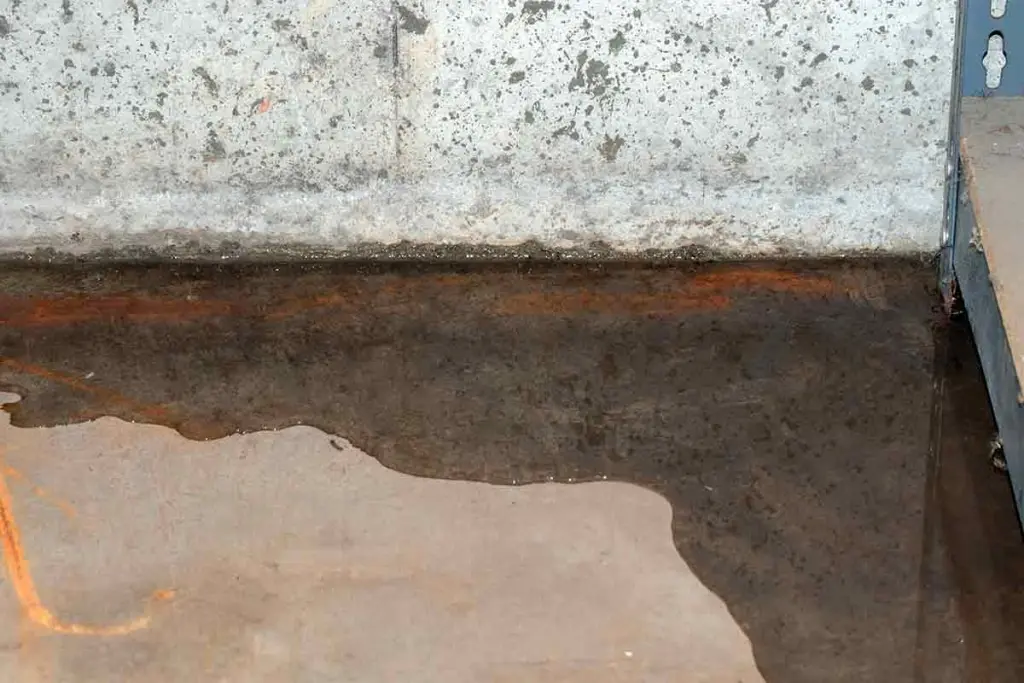
You’ve likely heard numerous tales about basement waterproofing, some of which may sound quite convincing. But how many of these are myths that could lead you down a costly and ineffective path? Let’s debunk a few common misconceptions, like the belief that all basements inevitably leak or that waterproof paint is a magic fix. Or how about the notion that DIY solutions are always the answer, while neglecting potential hazards like mold? It’s time to clear up the confusion and set the record straight. Stick around to gain a deeper understanding of the truth behind these myths.
Key Takeaways
- Not all basements leak; proper construction and maintenance can prevent moisture problems.
- Waterproof paint is not a comprehensive solution for basement dampness, it can lose effectiveness over time.
- DIY waterproofing methods may not be successful due to unforeseen structural challenges and mold growth risks.
- Effective waterproofing requires a combination of strategies; there’s no one-size-fits-all solution.
- Misconceptions about moisture presence can exacerbate issues, hence understanding specific basement needs is vital.
Myth 1: Basements Always Leak
While some might believe that all basements are doomed to leak at some point, this is simply not true. You’ve likely heard this myth and may be worried about your own basement’s potential for moisture-related problems. However, with the right moisture control strategies and a proper basement drainage system in place, you can prevent leaks and keep your basement dry.
Firstly, it’s important to understand that a properly constructed basement shouldn’t leak. You should have your basement inspected regularly to spot any signs of damage or potential leaks. If there are any issues, they can be fixed before they become a major problem.
A well-designed basement drainage system is essential in preventing leaks. This system collects water that tries to get in and redirects it away from your basement. It’s a proactive measure that can save you from dealing with dampness and potential mold growth.
Moisture control also plays a key role in keeping your basement dry. This involves managing humidity levels and ensuring that your basement has proper ventilation. It’s a holistic approach that can effectively prevent leaks.
In essence, don’t buy into the myth. With the right measures in place, your basement doesn’t have to leak.
Myth 2: Waterproof Paint Is Enough
You might think that slapping on a coat of waterproof paint is the cure-all for your basement’s dampness issues.
However, this common misconception overlooks the limitations of paint as a waterproofing solution.
Let’s debunk this myth and explore the real solutions for effective basement waterproofing.
Understanding Waterproof Paint
Ever thought that a simple coat of waterproof paint is enough to protect your basement from water damage?
Let’s debunk this myth right now. While it’s true that waterproof paint can help, it’s not the ultimate solution.
Understanding waterproof paint starts with knowing its durability. It’s designed to create a barrier between your basement walls and moisture.
It’s tougher than regular paint, but its effectiveness still depends on how you apply it.
Proper paint application techniques are key to maximizing waterproof paint’s potential. It’s not as simple as slapping it on the wall.
It needs to be applied evenly, without missing any spots, and on a clean surface free of cracks and holes.
Moreover, the conditions of your basement matter too. If it’s already prone to severe moisture problems, waterproof paint alone won’t be sufficient.
It’s more effective in mild dampness situations.
Limitations of Paint
Building on the facts about waterproof paint, it’s important to grasp its limitations. You might believe that a few coats of waterproof paint are enough to keep your basement dry. However, this is a common misconception.
While waterproof paint can play a role in your basement’s moisture control, it’s not the be-all and end-all solution. It has its limitations. When it comes to paint durability, waterproof paint doesn’t always hold up under constant exposure to moisture. Over time, it can peel or bubble, leaving your walls unprotected.
Waterproof paint also doesn’t create a complete moisture barrier. It can help reduce condensation and minor dampness, but it’s not designed to withstand larger amounts of water. If you have serious water infiltration, paint alone won’t solve the problem.
Moreover, waterproof paint only deals with moisture that reaches the surface of the walls. It doesn’t address the root cause of the moisture. If you have a high water table or poor outside drainage, water can still seep into your basement through cracks or other weak points.
Real Basement Waterproofing Solutions
Despite the limitations of waterproof paint, there are effective strategies to truly waterproof your basement. It’s not just about slapping on a coat of waterproof paint and hoping for the best. True basement waterproofing involves a combination of methods, each addressing different aspects of moisture control.
First, consider the outside. Foundation sealing and landscape grading play pivotal roles in diverting water away from your home. Good soil drainage can prevent water from pooling around the foundation, reducing the chances of seepage.
Inside, you’ve got a few more tools to work with. Drainage systems can channel any water that does make it through your walls safely out of your basement. Sump pumps can be a lifesaver, literally pumping water out of your basement during heavy rains or floods.
Next, think about barriers. Moisture barriers, like vapor barriers and waterproofing membranes, can be applied to your basement walls and floor. These barriers can prevent moisture from seeping through concrete, giving you that extra level of protection.
Myth 3: DIY Waterproofing Always Works
You might think that DIY waterproofing is a foolproof solution, but that’s not always the case.
There are unforeseen challenges that you might encounter along the way.
Let’s compare DIY results and professional results to bust this myth.
Unforeseen DIY Challenges
Often, homeowners believe that tackling basement waterproofing on their own will always yield successful results. However, you’ll find that there are unforeseen DIY challenges that can make a waterproofing project more complex than initially perceived.
Firstly, understanding moisture control is essential. When you’re not professionally trained in this area, it’s easy to overlook the nuances involved in managing moisture levels efficiently. You might struggle with how to balance the moisture control within your basement effectively. This could lead to inadequate waterproofing, causing more harm than good.
Secondly, the threat of mold growth is another significant challenge. Mold often grows in damp, humid conditions – just like a poorly waterproofed basement. You may think you’ve done a good job, but without professional knowledge and tools, you might miss important signs of mold growth. This can lead to serious health issues and damage to your property.
Lastly, unforeseen structural issues can pose considerable challenges. You might start your DIY project and then discover cracks or damages you weren’t aware of. Without knowing how to navigate these challenges, you could end up worsening the situation.
Professional Vs DIY Results
Drawing a comparison between DIY efforts and professional results helps debunk another common myth: DIY waterproofing always works. Despite your best intentions, DIY techniques mightn’t always yield the desired result when it comes to basement waterproofing.
- Lack of Experience: You might be handy around the house, but waterproofing is a specialized task. Professional expertise guarantees that the job gets done correctly – the first time.
- Time and Effort: DIY projects can be time-consuming and labor-intensive. Professionals, on the other hand, can accomplish the task efficiently without any disruptions to your daily routine.
- Long-term Solutions: DIY solutions may provide temporary relief, but they can’t address the root cause of the problem. A professional won’t only fix the current issue but also help prevent future ones.
Myth 4: Cracks Are the Only Problem
Believing that cracks are the only problem in basement waterproofing is a common misconception. Yes, cracks pose a significant threat, but they’re just the tip of the iceberg. Focusing solely on crack prevention won’t save your basement from all potential water-related issues.
Consider the structural integrity of your basement. This is a key element often overlooked. Poor structural integrity can lead to myriad issues, such as mildew, mold, and even basement flooding. For instance, if your home’s foundation isn’t solid, water can seep in through tiny openings, not just visible cracks.
Also, it’s not just about the walls. Think about your basement’s floor. Water can seep up through the ground, especially during heavy rains.
And what about the windows? Poorly sealed windows can let in water too.
Moreover, consider your basement’s overall humidity level. High humidity can lead to condensation, creating a damp environment perfect for mold growth, even without a single crack in sight.
Myth 5: Inside Waterproofing Is Unnecessary
You may believe that inside waterproofing isn’t necessary, but it’s essential to understand its importance.
It’s more than just a luxury; it’s a key part of thorough basement protection.
Let’s bust this myth by understanding inside waterproofing and recognizing why interior protection matters.
Understanding Inside Waterproofing
Dismissing the need for inside waterproofing can lead you down a path of home repair regrets.
It’s essential to understand that waterproofing isn’t just about exterior solutions. Sure, they’re important, but they’re not the whole story. Your home also needs inside waterproofing.
Internal waterproofing is all about managing water that’s already found its way into your home. It’s about controlling it, directing it, and ultimately, getting rid of it. This is where drainage systems and moisture barriers come into play. They’re key components of any inside waterproofing strategy.
Here’s why:
- Drainage systems help to divert water away from the foundation of your home, preventing it from causing structural damage.
- Moisture barriers work to keep out the damp and humidity, protecting your home’s interior spaces from mold and mildew.
- A combination of these two elements provides a thorough solution, giving you peace of mind and a dry, comfortable home.
Importance of Interior Protection
Despite all the evidence pointing towards its benefits, there’s a prevailing myth that inside waterproofing isn’t necessary. However, you shouldn’t be fooled by this misconception. Interior protection plays a vital role in maintaining the structural integrity of your house.
The first line of defense against water damage is often interior drainage. This system collects water that seeps into your basement and directs it away from your home, preventing any potential damage. Without it, the moisture can lead to issues like mold growth and structural weakening.
So, don’t overlook the power of well-designed interior drainage; it’s more important than you might think.
Additionally, moisture barriers form another essential component of interior protection. These barriers are applied to your basement walls and floor, creating an impermeable layer that prevents moisture from seeping in.
Without these barriers, your basement becomes more susceptible to water damage, mold, and mildew. So, it’s not just about keeping the water out; it’s also about creating a dry, healthy space inside.
Myth 6: Waterproofing Is Expensive
Is it true that basement waterproofing always burns a hole in your pocket? Let’s bust this myth right now.
It’s understandable that you might think so, especially when you’re considering the initial cost. But when you perform a thorough cost analysis and take all budget considerations into account, you’ll see it’s not as steep as it seems.
Here’s why:
- Prevention is Cheaper than Cure: Addressing water issues before they cause serious damage is economically wiser.
It’s like servicing your car regularly to avoid hefty repair bills later.
- Boosts Property Value: A well-maintained, waterproofed basement increases the overall value of your property.
It’s an investment that pays off when you decide to sell.
- Saves on Energy Bills: A damp basement affects the insulation of your home, leading to increased heating and cooling costs.
Waterproofing could save you a bundle in the long run.
Myth 7: New Homes Don’t Need Waterproofing
Even if you’ve just moved into a brand-new home, you shouldn’t overlook the importance of waterproofing. You may think that new construction means you’re safe from water issues, but that’s a common myth.
In reality, every home, regardless of age, needs proper foundation drainage and moisture barriers. A lack of effective foundation drainage in new homes can lead to significant problems down the line.
It’s vital to guarantee proper drainage to prevent water from pooling around your foundation and causing potential structural issues. If overlooked, you might end up with a damp basement which can lead to mold, mildew, and even structural damage.
Similarly, moisture barriers play a key role in keeping your basement dry. These barriers are designed to prevent moisture from entering your home, keeping your basement and the rest of your home dry and comfortable.
Myth 8: All Waterproofing Methods Are Equal
Moving on from the misconception that new homes don’t need waterproofing, let’s bust another prevalent myth: all waterproofing methods are equal.
You might be under the impression that all waterproofing techniques are just variations of the same process, but this couldn’t be further from the truth.
When you’re considering waterproofing your basement, it’s crucial to understand that not all methods are created equal. There’s a huge difference in their effectiveness, and an effectiveness comparison can help you pick the right one.
- Interior Water Drainage: This method involves installing a drain inside your basement to catch any water that enters and then pumps it out. It’s generally a cost-effective solution, but it doesn’t prevent water from entering; it merely manages it.
- Exterior Waterproofing: It’s more expensive but prevents water from entering your basement altogether. It’s considered the most effective technique.
- Sealants: These are used to block pores in the walls and floor where water can enter. However, they’re not a long-term solution as they can degrade over time.
As you can see, not all waterproofing methods are equal. Depending on your situation, you might need a different approach.
Myth 9: Basement Waterproofing Is Disruptive
Despite the common belief, you’ll be surprised to find out that basement waterproofing doesn’t have to turn your home into a construction zone. This disruption misconception is rooted in lack of information and fears about renovation concerns. The truth is, with the right team of professionals, the process can be smooth and minimally invasive.
Consider the table below:
| Myths | Facts | Implications |
|---|---|---|
| Basement waterproofing will disrupt my home life | Many professionals use techniques that minimize disruption | You won’t need to abandon your home during the process |
| Waterproofing will damage my basement | Proper waterproofing actually protects your basement | It can prevent water damage and increase the longevity of your home |
| The process is noisy and messy | With modern methods, the process can be quiet and clean | You won’t be disturbed by excessive noise or left with a mess to clean up |
Myth 10: Waterproofing Worsens the Problem
You might’ve heard the rumour that waterproofing can actually exacerbate the problem, making your basement’s dampness and leakage issues worse. This idea stems from a misunderstanding of what waterproofing involves. Contrary to this belief, the right waterproofing methods can greatly improve your basement’s condition, not worsen it.
- Drainage Systems: Properly installed drainage systems are a key part of effective basement waterproofing. They collect and divert water away from your home, preventing it from penetrating your basement.
If your current drainage system isn’t effectively handling water, waterproofing could expose that problem, but it doesn’t make it worse. It merely highlights an area that needs to be addressed.
- Moisture Barriers: These are designed to prevent moisture from seeping into your basement. They don’t cause moisture problems; they protect against them.
If you’ve noticed more moisture after installing a barrier, it’s probably because it wasn’t installed correctly or isn’t the right solution for your specific situation.
- Professional Assessment: If you’re worried about worsening your basement’s condition, get a professional assessment.
They’ll debunk the myths and provide the right waterproofing solutions for your home.
Frequently Asked Questions
How Often Should a Basement Be Inspected for Potential Water Damage?
You should have your basement inspected for potential water damage at least once a year.
Regular annual checks can help nip problems in the bud before they escalate.
However, if you’re residing in a heavy rainfall area or you’ve had water damage before, it’s advisable to increase your basement inspection frequency.
Don’t underestimate the importance of a thorough water damage assessment!
It’s always better to be safe than sorry with your home’s health.
Do Climate or Geographical Location Affect the Need for Basement Waterproofing?
Yes, your climate and geographical location greatly impact the need for basement waterproofing.
If you’re living in areas with high rainfall or near bodies of water, you’re more likely to face water intrusion.
Similarly, certain soil types, like clay, can retain water, increasing the chance of basement leaks.
So, don’t overlook these geographical factors when considering waterproofing.
Every home’s different, and what works for one mightn’t work for another.
What Are the Signs of Ineffective Basement Waterproofing?
You’ll know your basement waterproofing isn’t effective if you spot water stains on the walls or floor. These are clear indicators of water seeping in.
Also, pay attention to any mold growth. Mold thrives in damp environments, so its presence may suggest that your basement isn’t properly waterproofed.
You may also notice a musty smell. Don’t ignore these signs, they’re your basement’s cry for help.
Are There Any Health Risks Associated With a Non-Waterproofed Basement?
Yes, there are health risks tied to a non-waterproofed basement.
One major concern is mold exposure. When your basement isn’t waterproofed, it’s more prone to dampness, a perfect breeding ground for mold. Breathing in mold spores can trigger allergies, asthma, or other respiratory issues.
Additionally, a damp basement can lower the air quality of your entire home.
What Maintenance Is Required After the Basement Has Been Waterproofed?
After you’ve waterproofed your basement, you need to maintain the drainage systems and sump pumps regularly.
It’s vital to clear any blockages in the drains to avoid water buildup. Your sump pump also needs regular checks, especially before heavy rain periods, to guarantee it’s working properly.
Don’t neglect these tasks, as they’re essential to keep your basement dry and prevent any potential water damage in the future.
Conclusion
So, don’t fall prey to these basement waterproofing myths. Remember, not all basements leak, and waterproof paint isn’t a fix-all. DIY methods might overlook important issues, and the problem isn’t always just cracks. Even new homes need waterproofing, and not all methods are created equal. While it might seem disruptive, proper waterproofing doesn’t worsen the problem. Understanding these myths can save you time, money, and help guarantee your basement remains dry and mold-free.

Rob VanSuilichem
Serving Michigan homeowners for over 32 years, Everdry is one of the Nation’s largest and most experienced waterproofer.
Locally owned, operated and staffed, Everdry professionals take a personal one-on-one approach in educating homeowners so they truly understand all their options for creating a safe, dry, healthy and usable space in their basements.
What Sets Us Apart
- Unbeatable quality due to the experience of the owners and staff.
- Unbeatable value due to the efficiency and expertise of more than 32 years of experience.
- Unbeatable value due to the purchasing power of being one of the largest waterproofers in the nation.
- Unbeatable service due to the fact that EverDry is a locally owned and operated company.
Credentials Include:
- Members of the Home Builders Association
- H.U.D. evaluated
- I.C.C. evaluated (Report #94-07)
- Better Business Bureau Accredited with the Eastern and Western Michigan BBB
- Fully Licensed and Insured
The aforementioned memberships are important because we benefit from the constant exchange of information and knowledge. We are updated on everything from installation techniques, to customer service improvements. You benefit in the knowledge that these third party inspection agencies require us to meet stringent requirements to remain members in good standing.
Better Business Bureau
We have been nominated and won the prestigious Better Business Bureau’s Torch Award for Ethics many times, Chosen as a W.Mich.BBB Torch finalist in 2014 & 2015, Won the Torch Award for Ethics in 2016, Won the Eastern Michigan BBB Torch Award in 2019 and was also chosen as a Western Michigan BBB Torch finalist in 2019. Won the Eastern Michigan BBB Torch Award in 2023 and Finalist for the Western Michigan BBB Torch Award in 2020 & 2021!
Mission Statement
To create raving fans of our customers and employees through frequent contact, constant training, a commitment to excellence and unlimited opportunity.