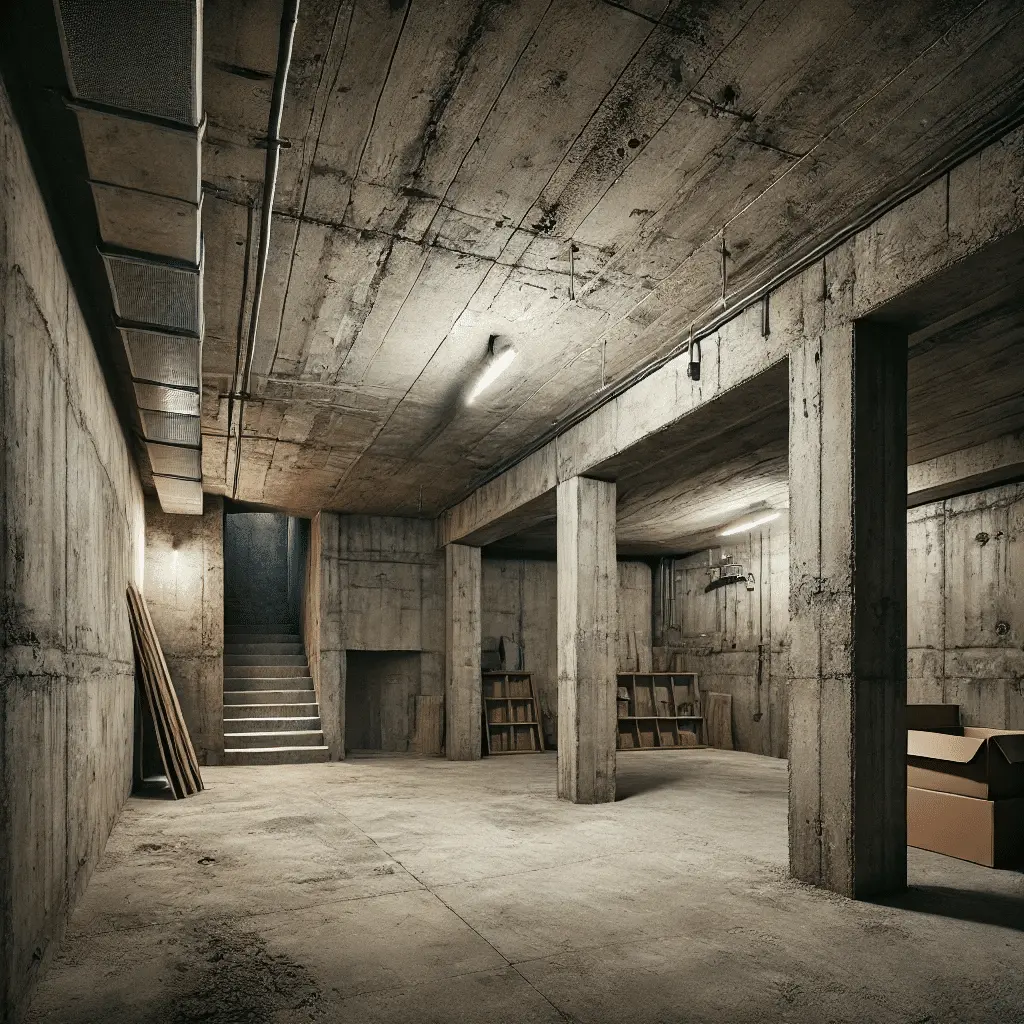
Ever considered the toll that mold, mildew, dust, and dirt take on your basement walls? These seemingly benign substances can pose a significant barrier when it comes to waterproofing your basement.
You’re not alone in this conundrum – many people overlook the necessity of properly cleaning their basement walls before applying a waterproofing agent. But here’s the kicker: without a thorough cleaning, the waterproofing product may not adhere correctly, resulting in potential leakage and structural damage.
Let’s explore together how to ensure your basement walls are squeaky clean and ready for waterproofing, ensuring the longevity of your home’s foundation.
Key Takeaways
- Mold and mildew should be thoroughly scrubbed off basement walls before waterproofing to prevent health risks and ensure proper adhesion of waterproofing materials.
- Efflorescence, dirt, and old paint should be removed to create a clean surface that allows waterproofing products to bond effectively.
- Prioritize safety by using protective gear when cleaning basement walls to avoid exposure to harmful substances.
- Properly preparing walls by repairing cracks, smoothing surfaces, and allowing fillers to dry completely is essential for successful waterproofing.
Understanding Basement Wall Contaminants
What types of contaminants are lurking on your basement walls that could affect the waterproofing process? Quite a few, actually, and it’s crucial to understand them before you start your project.
First off, there’s mold and mildew, which you’ll often find in damp environments. These fungi not only pose health risks but can also degrade waterproofing materials. Efflorescence, a white, powdery substance caused by salt deposits, is another common contaminant. It’s not harmful, but it can prevent sealants from adhering properly to your walls.
Then you’ve got dirt and dust. These might seem harmless, but they can significantly impact the effectiveness of your waterproofing. They create a barrier between the wall and the waterproofing product, reducing its ability to bond with the surface.
Lastly, there’s paint. Old, peeling paint can interfere with the waterproofing process, as it creates an uneven surface that’s harder to seal. Furthermore, some types of paint can react negatively with waterproofing products, leading to flaking or peeling.
Gathering Essential Cleaning Supplies
Knowing the types of contaminants that can hinder your basement’s waterproofing process, it’s clear you’ll need to arm yourself with the right cleaning supplies to tackle the job effectively. It’s essential to gather all the necessary tools and cleaning agents before you start.
The table below outlines the key supplies you’ll need and their respective functions:
| Cleaning Supplies | Functions |
| Wire Brush | To scrub off hard-to-remove dirt and loose paint |
| Detergent or Trisodium Phosphate (TSP) | For deep cleaning the walls |
| Bleach | To eliminate mold or mildew |
| Bucket and Water | To mix cleaning solutions and rinse off the walls |
| Protective gear (Gloves, goggles) | To protect you from harmful substances |
You shouldn’t skimp on quality when choosing these supplies. An effective wire brush will remove stubborn residue, while a strong detergent or TSP will provide a deep clean. Bleach is vital for any signs of mold or mildew. Remember, safety is paramount, so don’t forget your protective gear.
Steps to Clean Your Basement Walls
Once you’ve assembled your cleaning supplies, you’re ready to delve into the step-by-step process of thoroughly cleaning your basement walls.
Firstly, remove any loose debris from the walls. A broom or brush works great for this. Next, mix a solution of one part bleach to three parts water in a bucket. Use a sponge or scrub brush to apply the solution to the wall, starting from the bottom and working your way up. This prevents streaks from the cleaning solution running down the wall.
Be sure to scrub the walls vigorously to remove any mold or mildew. If the stains are stubborn, you may need to repeat this process a few times. Always remember to wear protective gloves and eyewear when handling bleach to protect your skin and eyes.
Once you’re done scrubbing, rinse the walls thoroughly with clean water. This step is crucial to remove any remaining bleach solution which could damage the waterproofing product. After rinsing, use a clean, dry cloth or a fan to dry the walls completely.
Dealing With Persistent Stains
Despite your best cleaning efforts, some stubborn stains on your basement walls might still persist. These stains can be more resilient due to their origin, such as mold, mildew, rust, or old paint. Don’t fret; there are specific strategies you can employ to tackle these persistent issues.
First, identify the type of stain you’re dealing with. For mold and mildew, a mixture of one part bleach to three parts water is your best bet. Apply the solution with a scrubbing brush, let it sit for a few minutes, then rinse thoroughly.
Rust stains, on the other hand, require a different approach. You might need to use a rust remover product for this type of stain. Follow the manufacturer’s instructions carefully and ensure proper ventilation while working.
Old paint stains can be stubborn. You may need to use a paint scraper or a wire brush to remove them. If scraping doesn’t work, consider using a chemical paint stripper. Safety is paramount here, so don’t forget to wear protective gloves and goggles.
Preparing Walls for Waterproofing
After you’ve successfully tackled any stubborn stains on your basement walls, it’s essential to prepare these surfaces for the waterproofing process to ensure the best possible results. A critical step in this preparation process is to check for any cracks or holes in the walls. If you find any, you’ll need to repair them before proceeding, as water can seep through these areas, even after waterproofing.
Make sure you use a quality filler or sealant, applying it smoothly to effectively cover all holes and cracks. Allow it to dry completely before moving on.
Next, you’ll need to smooth your walls. This doesn’t mean they need to be absolutely level, but any significant bumps or ridges could interfere with the waterproofing product’s ability to adhere properly. You can use a sanding block or power sander to achieve this.
Conclusion
In conclusion, tackling basement walls can be a daunting task, but with the right preparation and approach, it’s entirely manageable. Remember, an interesting statistic reveals that 60% of U.S homes have wet basements, and 38% run a risk of basement mold.
By thoroughly cleaning and waterproofing your basement walls, you’re not only enhancing your home’s appearance but also significantly reducing these risks. So, gear up, get cleaning, and enjoy the benefits of a clean, dry basement.