
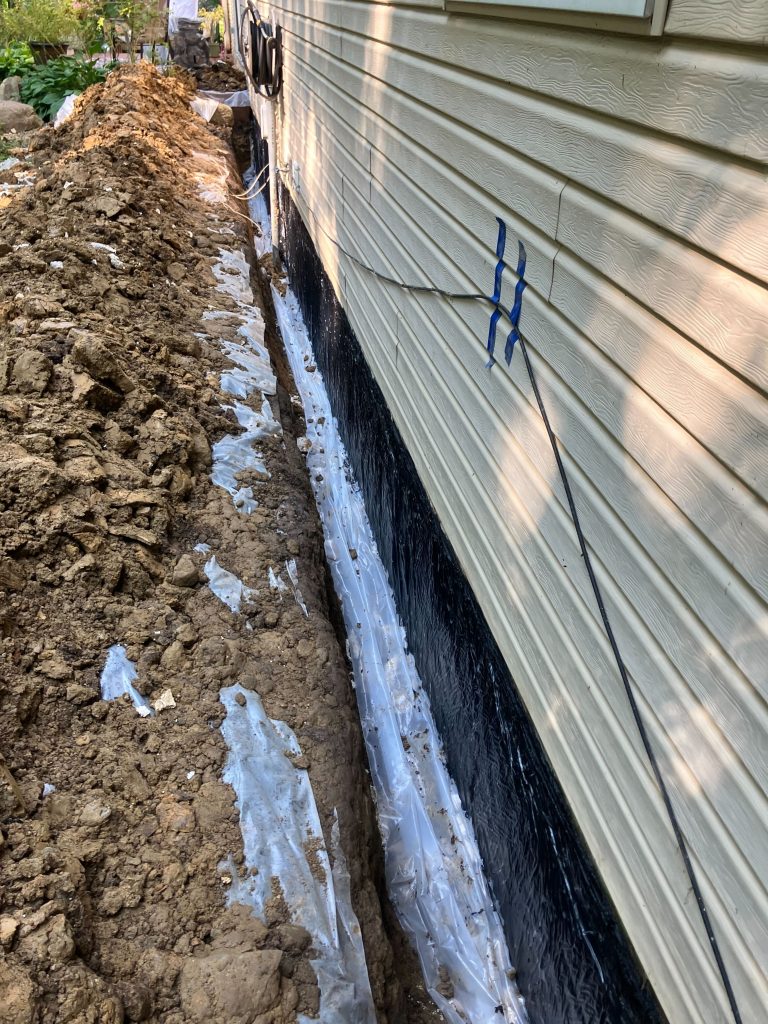
Ever noticed water pooling around your home’s foundation or, worse, seeping into your basement? It’s a frustrating problem, but one you can combat effectively with French drains. These innovative systems redirect water away from your property, keeping your basement dry and reducing the risk of water damage and mold growth. However, the process of installing a French drain requires careful planning and execution. So, what exactly goes into creating an effective French drain system? Stick around, you’re about to find out.
Key Takeaways
- French drains strategically redirect groundwater and surface water away from the property, preventing basement seepage.
- The trench, filled with gravel, filters water into a perforated pipe that effectively transports it away from the structure.
- By directing water to storm drains or runoff areas, French drains ensure a dry basement, reducing damp-related issues.
- French drains protect the structural integrity of homes by reducing the risk of water damage, mold, and mildew growth.
- Regular inspections and maintenance of French drains can prevent clogging, ensuring the system’s effectiveness in keeping basements dry.
Understanding the French Drain
In the domain of basement waterproofing, a French drain is your best ally.
It’s not just a drainage system; it’s a water management solution that can save you from a world of damp-related issues.
So, you’re asking, “What is a French drain?” Well, it’s a trench filled with gravel or rock containing a perforated pipe that redirects surface water and groundwater away from your property.
It’s the unsung hero in the world of drainage systems, quietly diverting water and protecting your basement from seepage.
You see, water always follows the path of least resistance. Your basement, being underground, is a water magnet.
Without proper water management, you could end up with a soggy, damp, and musty mess.
Enter the French drain. It’s designed to create an easy path for water, steering it away from your home and into the drain.
When it comes to keeping your basement dry, don’t underestimate the power of a French drain.
It’s straightforward, highly effective, and it could be the difference between a dry, comfortable living space and a basement that’s more like a swamp.
The History of French Drains
Contrary to what you might think, French drains aren’t a recent invention nor are they from France. Their historical development dates back to the 1850s, with their creation attributed to an American, Henry Flagg French. He was a farmer who, in his quest to improve drainage engineering, devised a simple, yet effective, method to divert water.
French’s ingenious design was documented in his book “Farm Drainage”. There, he outlined the principle of a trench filled with gravel that would redirect water away from structures. This basic design remains largely unchanged today.
As you explore the history of French drains, you’ll find a few significant points:
- Despite its name, the French drain isn’t French in origin. It was named after its inventor, Henry F. French, not the country.
- The French drain has undergone little modification since its inception. Its simplicity and effectiveness have stood the test of time.
- French drains have been an integral part of drainage engineering for over a century, providing a reliable solution for water management.
How French Drains Work
Now that you’re familiar with the history of French drains, let’s explore how they actually work. French drains are strategically placed trenches filled with gravel and a perforated pipe, designed to redirect water away from your home.
There are a few french drain types that you should be aware of. The most common is the shallow french drain, often used for diverting surface water. The deep french drain, on the other hand, is used for protecting your home’s foundation from groundwater.
The french drain materials are essential to its function. The trench is lined with a layer of gravel or crushed stone, which aids in filtering the water. The perforated pipe, usually made of PVC, is placed on top. This pipe is designed to quickly collect and transport the water.
It’s then covered with more gravel to guarantee water can easily enter the pipe.
The water collected by the French drain is directed away from your home, either towards a storm drain or other safe runoff area. This helps to prevent water from seeping into your basement, keeping it dry and safe.
Benefits of a French Drain
With a French drain installed, you’ll enjoy a plethora of benefits. Not only can it prevent water from seeping into your basement, but it also improves your home’s drainage efficiency and overall water management.
This simple yet effective solution can save you from the costly and stressful aftermath of water damage.
Here are some key benefits that you’ll experience:
- Prevention of Water Damage: French drains divert water away from your home, preventing it from saturating your basement. This means you can say goodbye to the worry of water damage and its expensive repairs.
- Increased Drainage Efficiency: By directing water away from your house, French drains enhance your property’s drainage efficiency. They help manage the water on your property, ensuring it doesn’t become a problem.
- Reduction of Mold and Mildew: With proper water management, you’ll hinder the growth of mold and mildew. This not only protects your home’s structural integrity but also safeguards your family’s health.
French Drain Installation Process
Ever thought about installing a French drain in your basement? It’s a doable project if you’re handy, but you’ll need to follow a few key steps.
First, you’ll need to gather your drainage materials. This usually includes a perforated pipe, gravel, and landscape fabric. The pipe catches the water, the gravel allows it to flow freely, and the fabric prevents soil from clogging the system.
Next, decide where to put the drain. You’ll want it where water tends to pool or where it seeps into your basement. Once you’ve chosen the location, it’s time to start digging. This is where your excavation techniques come into play. You’ll need to dig a trench that slopes away from your house, deep enough to place the pipe and cover it with gravel.
After the trench is dug, lay the landscape fabric, place the pipe, and cover it with gravel. Then fold the fabric over the gravel and cover everything with soil.
And there you have it! You’ve installed a French drain. Just remember, this isn’t a one-and-done project. Maintenance is key to keeping your drain working effectively, but we’ll talk more about that later.
Necessary Maintenance for French Drains
While the installation of a French drain is a significant step in protecting your basement from water damage, it’s not the end of your journey.
Regular upkeep is necessary to guarantee your drain continues to function at its best.
French drain inspections should be an essential part of your maintenance routine. It’s best to schedule these inspections at least once a year, ideally before the rainy season. The inspector will look for signs of clogging or damage in the drain system.
Seasonal maintenance is another important aspect of French drain care. Depending on your local climate, tasks may vary.
Here are some general guidelines:
- Spring: Check for winter damage and clear out any debris.
- Summer: Monitor the drain during heavy rains to verify it’s functioning properly.
- Fall: Clear the drain of fallen leaves and other debris to prevent clogs.
Potential Problems With French Drains
While French drains can be a lifesaver for your basement, they’re not without their potential problems.
Let’s tackle common issues you might encounter and discuss the challenges that can arise in maintaining your drain.
It’s important to be prepared so you can prevent these problems from disrupting your system’s functionality.
Common French Drain Issues
Despite their effectiveness, French drains can still encounter a few common issues. These often include clogged drains, drainage failures, and installation errors. You may find water pooling around your property, a sign that your drain isn’t functioning as it should.
Soil erosion can also occur if the drain isn’t correctly installed or if there’s a severe drainage failure.
Here are three common issues you might face:
- Clogged Drains: Over time, debris such as leaves and dirt can accumulate, causing blockages. This prevents water from flowing through the system, leading to water pooling.
- Drainage Failures: This often results from pipe deterioration or installation errors. Poorly installed pipes could lead to leaks, causing soil erosion around your property.
- Pipe Deterioration: This is a common issue, especially with older French drains. Deteriorating pipes can cause leaks or even total drainage failures.
You can mitigate these issues with regular maintenance and troubleshooting techniques.
Keep in mind, it’s better to prevent these problems than to deal with them after they’ve occurred. In the next section, we’ll discuss some maintenance tips to help you avoid these common French drain issues.
French Drain Maintenance Challenges
Maintaining a French drain isn’t always a walk in the park. Clogged pipes pose a common challenge, often caused by sediment buildup, leaves, and debris. This buildup can reduce drainage efficiency, causing water to back up and potentially threaten your basement.
The maintenance frequency of a French drain depends on various factors, including your local climate and the type of soil around your home. Regular seasonal checks are essential, especially after periods of heavy rain or snow. You’ll need to be on the lookout for signs of blockage or reduced water flow.
Appropriate inspection techniques can help you identify problems early, but they require some knowledge and effort. You might need professional help, which brings us to another hurdle: repair costs. Depending on the severity of the problem, fixes can range from simple cleaning to a complete system overhaul, hitting your wallet hard.
Lastly, there’s the issue of landscape impacts. Maintenance or repairs might necessitate digging up your garden or lawn, disrupting the aesthetics you’ve worked hard to create.
Professional Vs DIY French Drain Installation
You’re at a crossroads – should you hire a professional to install your French drain or should you take on the challenge yourself?
Before you decide, it’s essential to understand the implications of both choices.
Let’s explore the pros of professional installation and the hurdles you might face if you go the DIY route.
Assessing Professional Installation
While you might be considering a DIY approach to installing a French drain in your basement, it’s worth considering the benefits of professional installation. A professional contractor brings expertise and experience that can guarantee a successful installation.
They’ll perform a thorough cost assessment, provide an accurate installation timeline, and guarantee that the job is done correctly.
Let’s break down some of the key benefits of professional installation:
- Cost Assessment: A professional will provide an accurate quote for the installation, considering all factors such as labor, materials, and any unforeseen complications. This can help you budget effectively and avoid any unpleasant financial surprises.
- Installation Timeline: Professionals have the skills and resources to complete the installation quickly and efficiently. They’ll provide a clear timeline, keeping you informed every step of the way.
- Quality Assurance: A professional contractor will guarantee their work. This means if something goes wrong due to the installation, they’ll fix it at no additional cost to you.
Professional installation can provide peace of mind and a hassle-free French drain installation experience. Weighing the pros and cons will help you make an informed choice.
DIY Installation Challenges
Although professional installation offers a hassle-free experience, you may still be drawn to the idea of a DIY French drain installation. However, several challenges might make you reconsider.
Understanding various soil types and their impact on water flow is essential. Different soils influence drainage systems differently. You need to select the right installation tools and pipe materials, considering your local weather conditions. Trench depth is another vital factor, influenced by local regulations and the specifics of your site.
Site preparation involves identifying the best route for the drain, considering its impact on landscaping. You must comply with local regulations regarding digging and water diversion, which can be complex and time-consuming. Weather conditions can also disrupt your installation timeline.
Here’s a table summarizing the main challenges:
| Challenge | Professional | DIY |
|---|---|---|
| Understanding soil types and water flow | High expertise | Requires study |
| Choosing tools and materials | Included in service | Additional cost |
| Site preparation and trench depth | Done with precision | Potential for error |
| Landscaping impacts and local regulations | Handled by contractor | Your responsibility |
As you can see, DIY installations present unique challenges. Weigh your options carefully before deciding.
Case Study: French Drain Success Stories
Despite the numerous options for basement waterproofing, many homeowners have found their solution in French drains. They’ve experienced successful installations and are enthusiastic to share their testimonials.
One such homeowner, Mr. Johnson, had battled with a damp and leaky basement for years. After installing a French drain, he noticed an immediate difference. Not only was his basement dry, but the overall humidity level in his home decreased. He says, “Installing a French drain was the best decision I could’ve made.”
Similarly, Mrs. Anderson, whose basement used to flood during heavy rains, hasn’t had a single incident since her French drain installation. “It’s been a game-changer,” she affirms.
Reflect on a few benefits these homeowners report:
- Improved air quality: With reduced humidity, the risk of mold and mildew is considerably decreased.
- Increased property value: A dry, usable basement adds value to a home.
- Peace of mind: No more worrying about potential water damage.
These success stories highlight the effectiveness of French drains.
Frequently Asked Questions
What Are the Costs of Installing a French Drain in a Residential Home?
You’re probably wondering about the costs of installing a French drain in your home.
It’s not a small investment. The installation costs can range from $1,000 to $4,000, depending on the complexity of the project.
But remember, it’s one of the best drainage options available. It’s a long-term solution to prevent water damage in your basement, potentially saving you a lot more in future repair costs.
Are French Drains Safe for Homes With Children and Pets?
Yes, French drains are safe for homes with children and pets.
They’re usually buried underground and covered with gravel, so they’re out of sight and reach.
With proper design, they pose no threat.
If you’re worried, consider adding safety measures like protective grates.
These not only keep kids and pets away but also prevent debris from blocking the drains.
Can French Drains Help in Preventing Mold and Mildew in Basements?
French drains can greatly aid in mold prevention.
By diverting water away from your basement, they decrease basement moisture. You know, mold thrives in damp environments.
So, by keeping your basement dry, you’re creating a space where mold and mildew can’t flourish.
It’s a smart, proactive step to protect your home’s health and your own.
Don’t wait until mold becomes an issue, act now by installing a French drain.
How Long Does It Typically Take to Install a French Drain?
You’re wondering about the installation timeline for a French drain.
Typically, it takes about 1-2 days, depending on your property’s size and the drain’s complexity.
Labor considerations also come into play, such as the time spent excavating, laying the pipe, and backfilling.
It’s not a quick job, but it’s worth it for the peace of mind you’ll get knowing you’re safeguarding your basement against water damage.
Are There Environmentally-Friendly Alternatives to French Drains?
Yes, there are green drainage options that act as sustainable alternatives to French drains.
You could consider installing a rain garden, which uses native plants to absorb excess water.
Another eco-friendly choice is a permeable pavement that allows water to filter through it, reducing runoff.
These sustainable water management strategies not only help control water seepage in your basement, but also contribute to a healthier environment.
Conclusion
So, you see, French drains are a pretty smart solution to keep your basement dry. They expertly redirect water away, reducing the risk of damage and mold growth. Yes, installation and maintenance require some work, but the benefits definitely outweigh the effort. Whether you hire a pro or DIY, you’ll enjoy a drier, safer basement. And who knows? Maybe you’ll have your own French drain success story to tell soon!

Rob VanSuilichem
Serving Michigan homeowners for over 32 years, Everdry is one of the Nation’s largest and most experienced waterproofer.
Locally owned, operated and staffed, Everdry professionals take a personal one-on-one approach in educating homeowners so they truly understand all their options for creating a safe, dry, healthy and usable space in their basements.
What Sets Us Apart
- Unbeatable quality due to the experience of the owners and staff.
- Unbeatable value due to the efficiency and expertise of more than 32 years of experience.
- Unbeatable value due to the purchasing power of being one of the largest waterproofers in the nation.
- Unbeatable service due to the fact that EverDry is a locally owned and operated company.
Credentials Include:
- Members of the Home Builders Association
- H.U.D. evaluated
- I.C.C. evaluated (Report #94-07)
- Better Business Bureau Accredited with the Eastern and Western Michigan BBB
- Fully Licensed and Insured
The aforementioned memberships are important because we benefit from the constant exchange of information and knowledge. We are updated on everything from installation techniques, to customer service improvements. You benefit in the knowledge that these third party inspection agencies require us to meet stringent requirements to remain members in good standing.
Better Business Bureau
We have been nominated and won the prestigious Better Business Bureau’s Torch Award for Ethics many times, Chosen as a W.Mich.BBB Torch finalist in 2014 & 2015, Won the Torch Award for Ethics in 2016, Won the Eastern Michigan BBB Torch Award in 2019 and was also chosen as a Western Michigan BBB Torch finalist in 2019. Won the Eastern Michigan BBB Torch Award in 2023 and Finalist for the Western Michigan BBB Torch Award in 2020 & 2021!
Mission Statement
To create raving fans of our customers and employees through frequent contact, constant training, a commitment to excellence and unlimited opportunity.
