
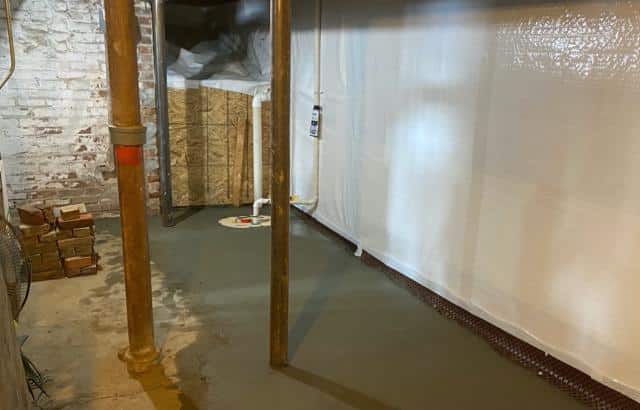
You’re eyeing that damp, dingy basement of yours, thinking it’s high time for a waterproofing project. But, how are you going to finance it? Perhaps you’ve considered dipping into your savings, or maybe a credit card seems a quick fix. Have you pondered the potential of a home equity loan? Or perhaps contractor financing is on your radar. Each option has its merits and drawbacks, and you’ll want to weigh them carefully to avoid the slippery slope of unnecessary debt. Stick around, there’s a lot to unpack here.
Key Takeaways
- Personal savings allow debt-free financing but may limit project scope due to available funds.
- Credit card financing offers quick access to funds, but high-interest rates can pose risks.
- Home equity loans provide favorable interest rates and terms, leveraging property value for financing.
- Contractor financing breaks down costs into manageable payments but may have higher interest rates.
- Government grants and rebates can offer financial assistance for qualifying waterproofing projects.
Understanding Basement Waterproofing Costs
Understanding the costs of basement waterproofing is a crucial first step in planning for this significant home improvement project.
You’ll need to consider a range of factors, including the selection of basement waterproofing materials, which can vary in price and effectiveness. Your contractor’s installation techniques also play a significant role; some methods might be more expensive but offer long-term benefits.
Cost estimation is more than just materials and labor; it also includes moisture prevention strategies. These might involve modifications to your home’s landscaping or installing a dehumidifier.
It’s also essential to consider the contractor selection process. While it’s tempting to go for the cheapest bid, you should factor in the contractor’s reputation and the quality of their work.
The impact on your property value is another key factor. A waterproofed basement can significantly enhance your home’s resale value.
Maintenance considerations should also be part of your planning. Some waterproofing methods require more upkeep than others, which could affect long-term costs.
Seasonal factors can also play a part in cost. For instance, some works might be cheaper during dry seasons.
Lastly, consider DIY options, but remember, incorrect installation can end up costing more in the long run.
Personal Savings: A Practical Option
Using your personal savings for basement waterproofing can be a practical choice.
You’ll see certain benefits, but there are also limitations you need to consider.
Let’s explore how to make it work through appropriate budgeting techniques.
Benefits of Personal Savings
By tapping into your personal savings, you can enjoy a multitude of benefits when financing your basement waterproofing project. Personal savings can provide you with the flexibility and freedom to tackle emergency repairs promptly without having to take on debt or pay interest. It offers you the control to manage your finances, allowing you to make cost comparisons and decide on the best course of action.
Consider the following table showcasing the advantages of using personal savings:
| Benefits | Explanation |
|---|---|
| Quick Access to Funds | Your savings are readily available for emergency repairs. |
| No Interest or Debt | You won’t owe anyone or pay any interest. |
| Freedom of Choice | You can make a comprehensive cost comparison, and choose your preferred contractor and materials. |
In contrast to other financing options, tapping into your personal savings means you’re paying with the money you’ve already earned. It’s a practical, debt-free method of financing your basement waterproofing project. It’s your money, your choices, and your timeline. Hence, using personal savings can be a smart and efficient way to fund your project.
Limitations of Personal Financing
While personal savings can be a practical choice for financing your basement waterproofing, it’s important to recognize its limitations. You’re restricted by the amount you’ve saved, and it’s likely you won’t have the freedom to explore various loan types. This might limit your ability to take advantage of competitive interest rates, different repayment plans, or better lender options.
Your personal financial planning could also take a hit. You might end up depleting your savings, which could leave you vulnerable to unforeseen expenses. That’s where a risk assessment comes in. Can you afford to empty your nest egg for this project? Or would it be wiser to consider other financing options?
Another drawback is that using your savings won’t give you the opportunity to improve your credit scores. Regularly meeting repayment plans for a loan can boost your credit rating, which can be beneficial for future loan eligibility.
While personal financing might seem like the easiest choice, it’s not always the most practical. It’s essential to consider all the angles before making a decision. Remember, your goal is to waterproof your basement efficiently, without compromising your financial stability.
Appropriate Budgeting Techniques
Despite the drawbacks, personal savings can provide a practical way to finance your basement waterproofing if you employ the right budgeting techniques. With a few strategic budgeting methods, you might just uncover the potential of your savings.
Let’s start with a simple, yet powerful concept: expense tracking. It’s not about scrutinizing every penny, but about gaining a clear understanding of your spending habits. Identify where your money goes and find areas where you can cut back. It’s surprising how fast things add up when you’re not looking.
Next, prioritize your spending. Is that new gadget really necessary or can you allocate the funds towards your waterproofing project? By distinguishing between wants and needs, you’re establishing a disciplined savings routine.
Lastly, remember that every little bit helps. Whether it’s skipping that daily coffee run or cooking more at home, these small savings can contribute significantly to your waterproofing fund.
In a nutshell, personal savings is a viable option for your basement waterproofing project. Through careful expense tracking and strategic budgeting methods, you’ll be able to save up without feeling the pinch. It’s all about planning, discipline, and making smart financial decisions. You’ve got this!
Credit Card Financing: Pros and Cons
Considering using your credit card to finance your basement waterproofing project? It’s a common choice, but before you swipe, let’s weigh the pros and cons.
On the plus side, you stand to gain from credit card rewards. Many cards offer cash back, miles, or points for every dollar spent, which could help offset some of the project costs.
It’s also a quick and easy way to secure financing, without the hassle of loan applications or approvals.
However, credit card financing isn’t without its drawbacks:
- High interest rates: If you’re not able to pay off the balance quickly, you could find yourself saddled with hefty interest charges.
- Potential credit score impact: Carrying a large balance can negatively affect your credit score.
- Limited funds: Depending on your credit limit, you mightn’t have enough to cover the entire project.
- Slippery slope of debt: It’s easy to fall into a cycle of debt, especially if additional home improvement needs arise.
Home Equity Loans for Renovations
Tapping into your home’s equity could be a viable option to finance your basement waterproofing project. This method leverages your property value to secure a loan for the renovation benefits.
The approval process for a home equity loan is straightforward, with interest rates and loan terms typically more favorable than other financing options. This can be appealing if you’re aiming to reduce the overall cost of your project.
Here’s a quick snapshot in a markdown table:
| Approval Process | Loan Terms | Interest Rates |
|---|---|---|
| Straightforward | Flexible | Competitive |
| Tied to property value | Long-term repayment options | Lower than credit cards |
| Requires home appraisal | Can be refinanced | Tax deductible interest |
| Credit score matters | Fixed or adjustable rates | Depends on equity and credit |
| May take several weeks | Early repayment may incur penalties | Rates can vary by lender |
However, remember that the loan’s repayment options will depend on your financial circumstances. If you default, your home may be at risk. Always weigh the benefits and risks before choosing a home equity loan for your basement waterproofing project. Consider refinancing options and consult with a financial advisor to make an informed decision.
Contractor Financing: What to Know
You’ve heard about contractor financing, but what does it really mean for your basement waterproofing project?
It’s crucial to weigh the pros and cons before you sign on that dotted line.
Let’s get a clear understanding of this financing option and evaluate the terms to ensure it’s the right choice for you.
Understanding Contractor Financing
Delving into the realm of contractor financing can seem overwhelming, particularly when it comes to basement waterproofing. But don’t fret; understanding this financing option isn’t as daunting as you might think.
At the heart of contractor financing are two key aspects: contractor credentials and financing transparency. Contractor credentials pertain to the legitimacy, experience, and skills of the contractor. You’ll want to ensure you’re dealing with a credentialed, reputable contractor, one who’s a track record of successful projects.
Financing transparency, on the other hand, relates to the clear, upfront disclosure of all the financial terms. This includes interest rates, payment schedules, and any potential penalties.
Here’s a quick rundown of what to look out for:
- Verify the contractor’s credentials.
- Ensure financial terms are clearly laid out.
- Scrutinize the interest rates and payment schedules.
- Be aware of any potential penalties.
Pros and Cons
While contractor financing for basement waterproofing can offer you some significant benefits, it’s important to also recognize its potential downsides.
On the plus side, this type of financing often makes large projects more manageable, breaking down costs into smaller, monthly payments. This could enable you to start your project sooner rather than later, protecting your home from potential water damage in the meantime.
However, you need to be aware that contractor financing may not always be the best choice for long term investments. In some cases, the interest rates can be higher than alternative financing options like home equity loans or personal loans from your bank. As such, it’s crucial to thoroughly evaluate all potential sources of funding before making a decision.
Moreover, the convenience of contractor financing could lead some homeowners to overlook the fine print. Always ensure you’re fully informed about all terms and conditions before signing any agreement.
Evaluating Financing Terms
Before signing on for contractor financing, it’s vital to closely evaluate the financing terms. Understanding the terms will help you identify the best financing alternatives and craft effective repayment strategies.
You should consider several crucial points:
- Interest Rates: Check if the interest rates are fixed or variable. Fixed rates remain the same throughout the loan term, while variable rates can fluctuate.
- Loan Term: How long will you have to repay the loan? Longer terms may have lower monthly payments, but you’ll pay more interest over time.
- Prepayment Penalties: Some loans penalize you for paying off the loan early. Make sure you’re aware of this before making extra payments.
- Fees: Look for hidden fees like origination fees, late fees, or annual fees. These can add up and increase your overall repayment amount.
Government Grants and Rebates
You might be surprised to learn that government grants and rebates can help you cut down on the costs of basement waterproofing. Both federal assistance and local programs offer funding opportunities for this kind of home improvement.
Firstly, you must understand grant eligibility. Not everyone qualifies for these financial aids. Usually, they’re intended for homeowners who need disaster relief or those with low incomes. However, it’s worth checking out, as some grants don’t have stringent income requirements.
The application process may seem daunting, but don’t let that deter you. Many online resources can guide you through it step-by-step. When applying, be sure to clearly demonstrate the need for waterproofing to increase your chances of approval.
Local programs can also provide financial aid. Some cities or counties offer rebates for home improvements that mitigate water damage. Again, check the eligibility requirements and application process for these programs.
Frequently Asked Questions
Can I Apply for a Personal Loan for Basement Waterproofing?
Absolutely, you can apply for a personal loan for basement waterproofing.
The benefits of a personal loan include flexibility in use, potentially lower interest rates, and it can cover your project’s full cost.
The loan application process is straightforward; you’ll need to provide some personal and financial information.
However, it’s important to thoroughly consider all financing options and choose the one that’s most suitable for your needs.
Are There Any Insurance Options for These Types of Home Improvements?
Yes, there are insurance options for home improvements like basement waterproofing.
You’ll want to check your homeowner’s insurance policy to see if it provides any coverage. In some cases, they might cover damages caused by water leakage.
Also, consider flood insurance, especially if you’re in a flood-prone area. It’s not a direct financing option, but it’ll give you peace of mind knowing you’re covered for future water-related damages.
Can Basement Waterproofing Be Financed Through Rent-To-Own Programs?
You’re asking if rent-to-own agreements can finance basement waterproofing.
It’s not typically an option. Usually, these agreements are used for acquiring property, not for home improvements.
Your financing eligibility for this project might be better suited with a home improvement loan or a personal loan.
These options offer the capital you need upfront and allow you to repay over time.
Check with a financial advisor or your bank for more personalized advice.
Does Basement Waterproofing Increase the Value of My Home?
Absolutely, waterproofing your basement can increase your home’s value.
It’s not just a cosmetic upgrade, it also enhances your home’s structural integrity.
Potential buyers often see this as a big plus, knowing they won’t have to deal with moisture issues down the line.
How Does Refinancing a Mortgage Work for These Types of Projects?
When you’re considering refinancing your mortgage for a project like basement waterproofing, you’re essentially applying for a new loan with hopefully better terms.
You’ll use the new loan to pay off your existing mortgage. The refinancing benefits can include lower interest rates or longer repayment periods.
This could free up cash in your budget for home improvement projects. It’s crucial to weigh the costs and potential savings before making a decision.
Conclusion
So, you’ve got plenty of options to finance your basement waterproofing project. Personal savings or credit cards can be useful, but remember, the latter comes with high interest rates. Home equity loans and contractor financing offer flexibility, but don’t forget to scrutinize terms to avoid debt. Check out government grants and rebates too. It’s all about finding the right fit for your financial situation. Happy waterproofing!

Rob VanSuilichem
Serving Michigan homeowners for over 32 years, Everdry is one of the Nation’s largest and most experienced waterproofer.
Locally owned, operated and staffed, Everdry professionals take a personal one-on-one approach in educating homeowners so they truly understand all their options for creating a safe, dry, healthy and usable space in their basements.
What Sets Us Apart
- Unbeatable quality due to the experience of the owners and staff.
- Unbeatable value due to the efficiency and expertise of more than 32 years of experience.
- Unbeatable value due to the purchasing power of being one of the largest waterproofers in the nation.
- Unbeatable service due to the fact that EverDry is a locally owned and operated company.
Credentials Include:
- Members of the Home Builders Association
- H.U.D. evaluated
- I.C.C. evaluated (Report #94-07)
- Better Business Bureau Accredited with the Eastern and Western Michigan BBB
- Fully Licensed and Insured
The aforementioned memberships are important because we benefit from the constant exchange of information and knowledge. We are updated on everything from installation techniques, to customer service improvements. You benefit in the knowledge that these third party inspection agencies require us to meet stringent requirements to remain members in good standing.
Better Business Bureau
We have been nominated and won the prestigious Better Business Bureau’s Torch Award for Ethics many times, Chosen as a W.Mich.BBB Torch finalist in 2014 & 2015, Won the Torch Award for Ethics in 2016, Won the Eastern Michigan BBB Torch Award in 2019 and was also chosen as a Western Michigan BBB Torch finalist in 2019. Won the Eastern Michigan BBB Torch Award in 2023 and Finalist for the Western Michigan BBB Torch Award in 2020 & 2021!
Mission Statement
To create raving fans of our customers and employees through frequent contact, constant training, a commitment to excellence and unlimited opportunity.
