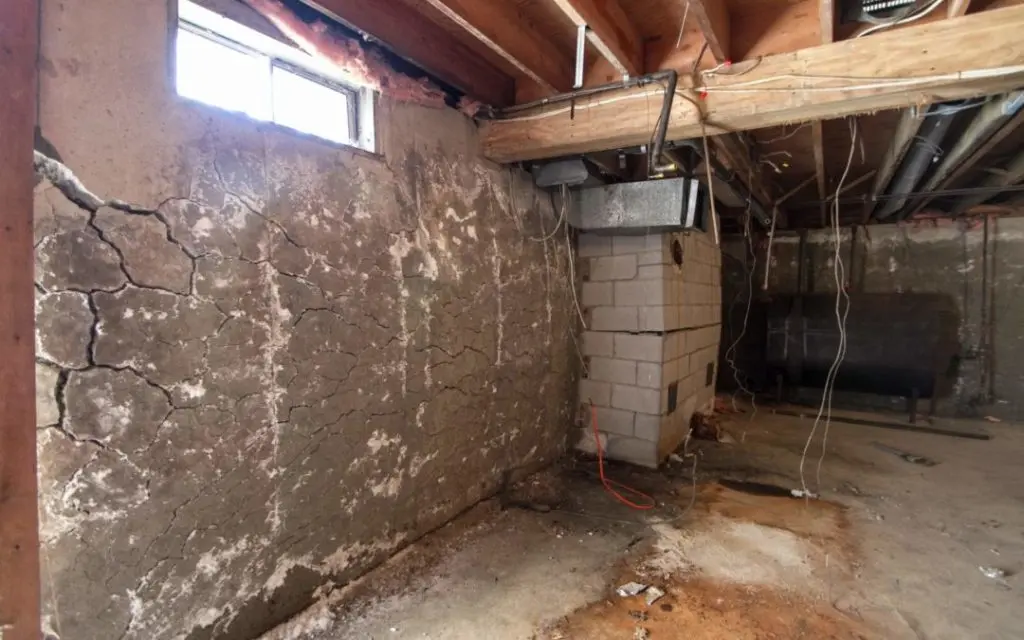
Imagine the peace of mind that comes with maintaining a dry, healthy basement throughout the year. You’re not just preventing potential water damage but also creating a space that’s free from mold and mildew, which can be hazardous to your health. By following these five steps—guaranteeing proper drainage, sealing cracks, maintaining ideal humidity levels, inspecting for leaks, and keeping your gutters clear—you’re on your way to achieving this. But how exactly do you go about each step, and what are the best practices to guarantee effectiveness? Let’s explore this further.
Key Takeaways
- Implement proper drainage systems such as sump pumps and downspout extensions to redirect water away from your basement.
- Apply a combination of interior and exterior waterproofing techniques for comprehensive moisture protection.
- Use a suitable dehumidifier with built-in humidity control to maintain healthy moisture levels and prevent mold growth.
- Regularly inspect your basement for signs of mold, proper ventilation, and monitor humidity levels to ensure a healthy environment.
- Maintain a clean and decluttered basement, and ensure gutters and downspouts are functioning properly to prevent water damage.
Understanding Basement Moisture Sources
You mightn’t realize it, but your basement can be a magnet for moisture. The cool underground environment is perfect for condensation causes. When warm, humid air hits the cold basement walls, it cools down quickly, can’t hold onto as much moisture, and condensation forms. That’s the water you find beading up on your pipes or soaking into your concrete floor.
But it’s not just about the environment; your house plays a part too. For example, if you’ve got leaky pipes or your dryer vents into the basement, you’re adding moisture to the mix.
Even daily activities like cooking, bathing, and doing laundry can increase indoor humidity levels.
The Importance of Proper Drainage
Without proper drainage, your basement can quickly become a breeding ground for mold and mildew. It’s not just about the discomfort; these growths can lead to health problems too. Your first line of defense? A well-planned drainage system.
Incorporate sump pumps into your strategy. These devices collect excess water before it’s a problem, pumping it away from your home. You’ll also want to check out downspout extensions. They direct water from your roof further away from your home’s foundation, preventing seepage into your basement.
But don’t overlook the outdoors. Grading your landscape can greatly improve your drainage. By sloping your yard away from your house, you’re helping water naturally flow away from your basement. Permeable surfaces, like gravel or pavers, can also aid in reducing runoff.
Lastly, consider installing drainage ditches. They’re especially effective in directing rainwater runoff, hence protecting your basement from potential water damage.
Basement Waterproofing Techniques
Stepping up to the plate for basement protection are various waterproofing techniques.
In your quest for a dry, healthy basement year-round, choosing the right method is essential. Two key components you should be aware of are interior sealing and exterior barriers.
Interior sealing is ideal if you’re dealing with minor, intermittent leaks. This process involves applying a waterproofing paint or sealant to your basement walls and floor, providing an extra layer of protection against moisture.
On the other hand, exterior barriers are your shield against severe water issues. This technique involves installing a waterproof membrane or coating on the outside of your basement walls, serving as a formidable barrier against water.
Consider these methods:
- Interior Sealing with Waterproof Paint
- Interior Sealing with Sealant
- Exterior Waterproof Membrane Installation
- Exterior Waterproof Coating Application
- Combination of Interior and Exterior Techniques
Dehumidifying Your Basement
Ensuring a dry, healthy basement isn’t just about waterproofing; it’s also about controlling humidity levels. You can’t ignore the importance of a good dehumidifier, and there’s a wide array of dehumidifier models to choose from. Consider your basement’s size, your budget, and your specific needs when shopping.
Your chosen dehumidifier should ideally have a built-in humidity control feature. This lets you set the desired humidity level, and the dehumidifier will work tirelessly to maintain it. Remember, too much moisture in the air can lead to mold growth, which isn’t good for your health or your home.
Here’s a simple table to help you understand the impact of humidity and the role of a dehumidifier:
| High Humidity Level | Dehumidifier Role |
|---|
| Can lead to mold growth | Controls and maintains desired humidity |
| Dampens and damages furniture | Protects your belongings |
| Causes musty odors | Keeps your basement smelling fresh |
Don’t just think of dehumidifiers as an optional luxury; they’re a critical part of ensuring your basement stays dry, healthy, and comfortable all year round.
Regular Basement Maintenance Tips
In addition to using a dehumidifier, regular maintenance can play a significant role in keeping your basement dry and healthy. Let’s focus on some key steps you can take.
Firstly, inspect your ventilation systems. These systems are essential for maintaining air circulation, and you’ll want to make certain they’re working properly. It’s not just about temperature control; it’s also about preventing the buildup of moisture that can lead to mold.
Speaking of mold prevention, this should be a top priority. Mold thrives in damp, dark environments, so maintaining a dry basement is vital. Regularly check for any signs of mold and deal with them promptly.
Here are a few more tips for maintaining a dry, healthy basement:
- Regularly clean and declutter your basement. A clean space reduces the chances of mold growth.
- Keep your gutters and downspouts in working order. They play a key role in directing water away from your home.
- Inspect and repair any cracks in the walls or floor. These can let moisture in.
- Make sure your basement windows are well-sealed.
- Keep an eye on your home’s humidity levels.
Frequently Asked Questions
What Type of Flooring Is Best for a Dry Basement?
When choosing flooring for a dry basement, it’s essential to contemplate water resistant options.
Materials such as vinyl, tile, and certain types of engineered wood are great choices. You’re looking for durability and resistance to moisture.
Don’t go for carpets or hardwood, as they’re likely to absorb moisture.
Do your research, weigh your options, and you’ll find the perfect flooring material for your dry basement.
How Often Should I Check for Basement Leaks or Cracks?
You should check for basement leaks or cracks every few months.
Regular leak detection is key to maintaining a dry basement. If you spot a crack, don’t delay the repair.
Even minor cracks can let in moisture, leading to bigger issues down the line. Remember, it’s easier to tackle these problems early than deal with the aftermath of water damage.
Can Insulating My Basement Help Keep It Dry?
Absolutely, insulating your basement can contribute to keeping it dry.
Basement insulation plays a vital role in moisture control. It prevents condensation, which can lead to mold growth and water damage.
You’ll notice less dampness and a more comfortable environment.
What Are the Signs of Mold Growth in a Dry Basement?
You’ll spot mold growth in a dry basement through signs like a musty odor, dark spots on walls or floors, or increased allergy symptoms.
Mold identification isn’t always straightforward, so if you’re unsure, consider professional testing.
Regular inspections are key for mold prevention.
Don’t forget, even in dry conditions, mold can thrive. So keep your basement well ventilated and fix any leaks promptly.
How Does Basement Humidity Affect the Rest of My House?
Basement humidity can greatly impact your home.
It’s not confined to the basement; it travels upward, affecting every level. This can lead to uncomfortable living conditions, and potentially damaging your home.
By implementing humidity control measures and improving air circulation, you’re not only making your basement healthier, but your entire home.
Conclusion
So, you’ve got all the tips to maintain a dry, healthy basement all year round. Remember, it starts with understanding where moisture comes from and ensuring proper drainage. Waterproof your basement, invest in a good dehumidifier, and keep up with regular maintenance. If you follow these steps, you’ll prevent leaks and mold growth, keeping your basement dry and healthy. Don’t forget, maintaining your basement isn’t a one-time job, it’s an ongoing process. You’ve got this!