You’ve probably considered tackling a few home improvement projects yourself to save some money, right? While there’s a lot you can accomplish with a bit of DIY spirit, there are certain tasks that are best left to the professionals. Waterproofing, especially in crucial areas like your basement, exterior walls, bathroom, roof, and swimming pool, is one such task. Why, you might ask? Well, there’s a lot more at stake than just saving a few bucks, and the repercussions of a botched job can be severe. Stick around, there’s much more to this than meets the eye.
Key Takeaways
- Basement waterproofing requires expert trench digging, pipe installation, and gravel backfilling to avoid costly damage.
- Exterior wall waterproofing needs professional assessment, equipment, and skilled analysis to prevent structural issues.
- Bathroom waterproofing involves precise tile sealing and water flow management, mistakes can lead to leaks and mold growth.
- Roof waterproofing demands professional expertise and high-quality materials, with poor execution leading to significant future costs.
- Swimming pool waterproofing necessitates careful handling of chemical sealants and liner installation, incorrect measures can damage the pool.
Basement Waterproofing: A Complex Task
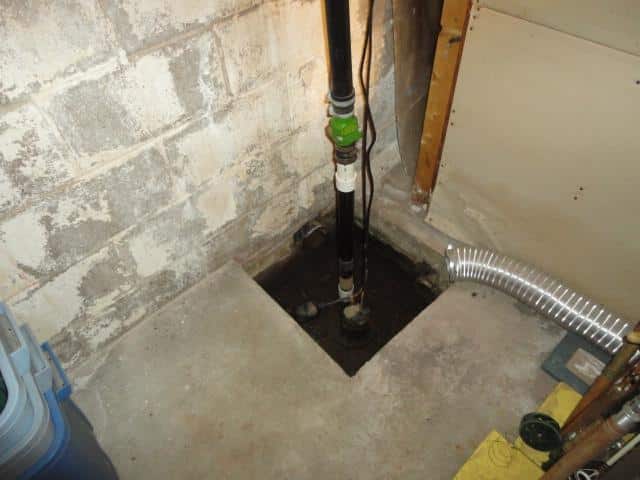
Tackling basement waterproofing on your own can be a Pandora’s box of problems. You might think it’s as simple as slapping on some moisture barriers and calling it a day. But it’s not that simple.
Foundation drainage and moisture barriers aren’t just terms tossed around for fun. They’re integral parts of any professional waterproofing process.
Foundation drainage involves trench digging around the basement, installing drainage pipes, then backfilling with gravel. It’s a chore, but it’s necessary. It ensures that water is diverted away from your home’s foundation. Done wrong, you could end up with a bigger mess than you started with.
Moisture barriers, too, aren’t as straightforward as you might think. They’re complex systems designed to keep moisture from seeping into your home. They need to be installed correctly to be effective. Skimping on this step can lead to dampness, mold, and structural damage.
Waterproofing Your Home’s Exterior Walls
Waterproofing your home’s exterior walls is another task that’s best left to the professionals. This process involves a few steps, all of which require specific knowledge and experience. It’s not as simple as slathering a coat of waterproof paint on the walls. It’s a meticulous task that involves foundation drainage and the installation of moisture barriers.
Here’s a breakdown of what professionals do:
| Step | Purpose | Why It’s Not a DIY Job |
|---|
| Assess the Wall | To identify any existing moisture issues | Requires skilled analysis and professional equipment |
| Install Moisture Barriers | To prevent water from seeping in | Requires technical knowledge and experience |
| Set Up Foundation Drainage | To direct water away from your home | Involves substantial risk and expertise in drainage systems |
You might think you’re saving money by doing it yourself, but if you mess up, you’ll end up spending more. Improperly waterproofed walls can lead to major damage, causing expensive repairs in the future. So, leave it to the pros. They’ll ensure your home’s exterior walls are adequately protected from the elements. It’s worth the investment.
The Intricacies of Bathroom Waterproofing
When it comes to your bathroom, the complexities of waterproofing shouldn’t be underestimated. The process goes beyond merely splash-proofing surfaces. It’s a thorough job that ensures protection against all forms of water damage.
If you’re considering a DIY approach towards this, you might want to reconsider.
Shower installation, for instance, isn’t as simple as it seems. It involves a series of steps including the application of a waterproof membrane, ensuring correct water flow, and dealing with potential leaks.
Miss a step and you’re looking at a potential disaster, one that could cost you more than a professional job.
Tile sealing, another integral part of bathroom waterproofing, is equally demanding. The procedure requires precision and knowledge of the right sealing products for different tile types.
Incorrectly sealed tiles can lead to water seeping in, causing mold growth and structural damage over time.
Given these intricacies, it’s clear that bathroom waterproofing isn’t a DIY-friendly task. It’s a job for the professionals.
Roof Waterproofing: Not a DIY Job
You might think you’re up for the challenge, but let’s be clear: roof waterproofing isn’t a DIY job. It’s a task best left to professionals. Here’s why:
- Expertise: Roof maintenance isn’t as easy as it seems. Professionals have spent years learning the various aspects of roofing, including the correct application of waterproof materials.
They know how to ensure a job well done.
- Safety: Working on a roof carries significant risk. Professionals have the right equipment and training to work at heights safely.
- Quality Materials: Professionals have access to high-quality, waterproof materials that you mightn’t find at your local store.
They ensure your roof isn’t only waterproof but also durable.
Don’t underestimate the complexity of roof waterproofing. You may be tempted to save a few bucks, but the savings aren’t worth the potential cost of a poorly done job or worse, an accident.
The Risks of DIY Swimming Pool Waterproofing
Just as with roof waterproofing, it’s tempting to consider swimming pool waterproofing as a DIY project. However, this can lead to serious problems down the road.
Your pool liner is crucial to your pool’s structural integrity. If you don’t install it correctly, you risk damaging your pool or even causing it to collapse.
Pool liners are also tricky to install. They require precise measurements and a lot of patience. If you rush the job, you could end up with wrinkles or tears in the liner, which could lead to leaks.
Chemical sealants are another problem. They’re potent and can be harmful if not handled properly. It’s not just about applying them to the right areas — it’s also about applying them in the right amounts.
Too much can damage your pool, while too little can leave it vulnerable to leaks.
The risks of DIY swimming pool waterproofing aren’t worth the potential savings. You’re better off hiring a professional. They’ve the training and experience to do the job right, ensuring your pool will be safe and leak-free for years to come.
Frequently Asked Questions
What Are Some Common Mistakes Made in DIY Waterproofing Projects?
In DIY waterproofing, you often make mistakes like using the wrong waterproofing materials.
You might choose a material that’s not durable enough or suited for the specific surface you’re working on.
Another common mistake is poor surface preparation.
You might skip steps like cleaning and priming, which are crucial for the waterproofing material to properly adhere.
How to Identify if Professional Help Is Needed in a Waterproofing Project?
If you’re not confident in your waterproofing techniques or if the task seems too complex, you’ll likely need a professional assessment.
Signs you might need help include persistent leaks, widespread mold, or extensive water damage.
If you’ve attempted DIY waterproofing and the problem persists, it’s best to call in the pros.
What Are the Potential Health Risks Associated With DIY Waterproofing?
When you tackle DIY waterproofing, you’re exposing yourself to potential health risks.
One common issue is mold exposure. If not properly handled, mold can cause health problems like allergies and respiratory issues.
Additionally, you’re dealing with chemical hazards. The products used in waterproofing often contain harmful chemicals that, if not used correctly, can lead to skin irritation, eye damage, or even poisoning.
It’s crucial to understand these risks before starting.
Are There Specific Types of Water Damage That Cannot Be Repaired With DIY Methods?
Yes, there are certain types of water damage you shouldn’t attempt to repair yourself.
Severe flooding or water damage impacting your home’s structural integrity requires professional help. DIY attempts can lead to long-term effects such as mold growth or structural instability.
Also, mishandling these damages may void your insurance coverage. It’s always best to seek expert advice when dealing with serious water damage.
What Are the Signs of a Poorly Done Waterproofing Job?
If your waterproofing job isn’t up to par, you’ll notice a few telltale signs.
Look for peeling paint, moldy smells, or damp walls – these suggest moisture’s bypassing your barrier. Your waterproofing techniques may not be working as they should.
To verify, use a moisture detection tool. If it registers high levels, then you’ve got a problem.
These signs indicate a poorly done job and the need for professional waterproofing services.
Conclusion
Don’t risk your home’s structural integrity or your health by attempting DIY waterproofing. Whether it’s your basement, exterior walls, bathroom, roof, or swimming pool, leave these projects to the pros. They’ll use high-quality materials and proven techniques to protect your home from water damage. Save yourself from potential headaches and costly repairs. Remember, when it comes to waterproofing, it’s always best to trust the experts.