
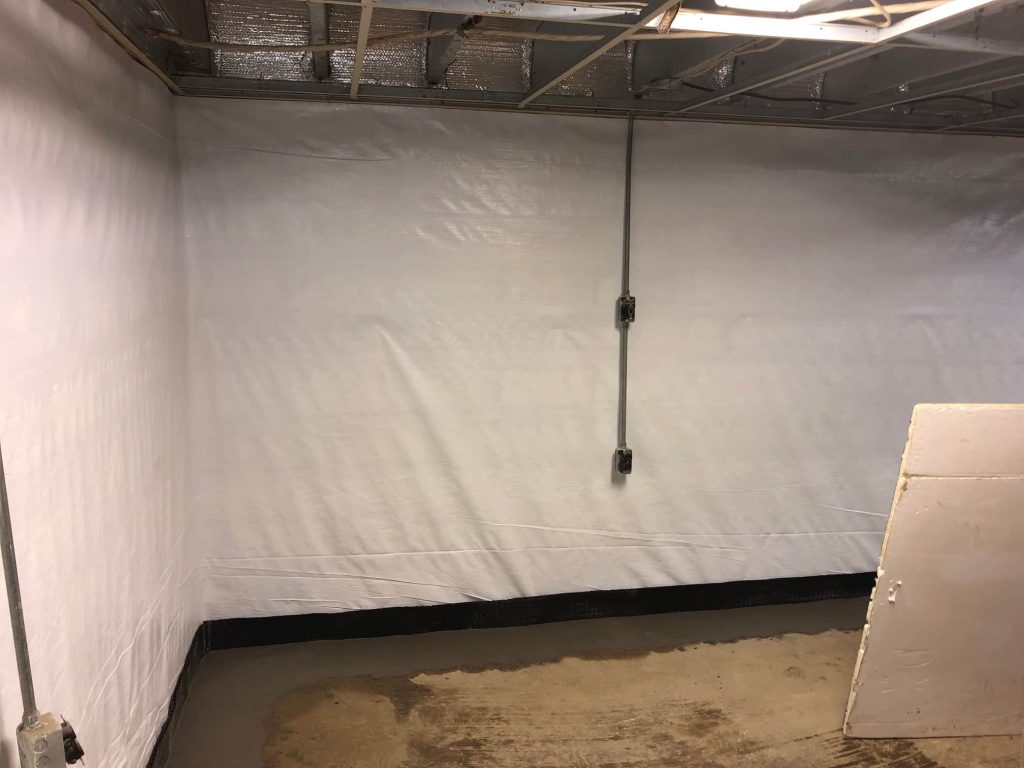
Ever thought about the consequences of neglecting waterproofing in your older home? You might be facing more than a simple leak. Without proper waterproofing, your vintage charm could quickly turn into a mold-infested nightmare, affecting not only the home’s structural integrity but your health too. Not to mention the potential hit to the property value. Intrigued about how waterproofing could save you a lot of hassle and money down the line? Stick around, there’s more to this story.
Key Takeaways
- Waterproofing safeguards older homes against water damage, enhancing structural integrity and longevity.
- Older homes are more susceptible to water damage due to aging materials, potentially leading to costly repairs.
- Effective waterproofing prevents mold growth, promoting healthier living environments and reducing health risks.
- Waterproofing improves property value, making homes more attractive to potential buyers.
- Regular waterproofing can control humidity levels, improving comfort within older homes.
Understanding Home Waterproofing
Diving into the realm of home waterproofing, you’ll find it’s not as complicated as it first appears. It’s a technical process, granted, but its core principle is straightforward: to protect your home from water damage.
Now, let’s debunk some common misconceptions. Many people think that waterproofing is only for those living in areas prone to heavy rainfall. Wrong. Even if you live in arid regions, your home could still be at risk from water damage due to plumbing leaks or moisture buildup.
On to the waterproofing benefits. First off, it enhances the structural integrity of your home. Water can weaken your home’s foundation, causing cracks and even complete collapse. Waterproofing effectively mitigates this risk.
Furthermore, it prevents mold growth, a common problem in damp areas. Mold doesn’t only ruin your home’s aesthetics, it also poses health risks.
Another benefit lies in the increased property value. A well-maintained, waterproofed home is more appealing to potential buyers.
Lastly, it promotes energy efficiency. Waterproofing insulates your home, reducing heating and cooling costs.
The Aging Home Structure
Shifting our focus to older homes, it’s important to acknowledge the unique challenges they present when it comes to waterproofing. As these homes age, so do their systems. The foundation materials, often constructed from historical substances, start to deteriorate. Aging systems such as drainage and exterior barriers become less effective, making moisture control a constant concern.
A detailed structural assessment is necessary to identify problem areas and decide on renovation considerations. This process has to maintain a careful balance with historical preservation, as many older homes have architectural significance. You need to ensure that any modifications made in the interest of waterproofing don’t compromise the home’s historical value.
Soil conditions around the house play a critical role as well. These conditions can influence the efficacy of your drainage systems and the pressure exerted on your exterior barriers, affecting their ability to keep water out.
Maintenance routines become more stringent with older homes, requiring regular checks and timely repairs. The goal is to manage moisture effectively, preserving the home’s structural integrity while preventing water-related damage. Waterproofing, thus, becomes a critical part of caring for an aging home structure.
Risks of Ignoring Waterproofing
Ignoring the necessity of waterproofing can be a perilous gamble with the longevity of your home. Basement leaks, a common consequence, can lead to moisture buildup, thereby creating an ideal environment for mold growth. This, in turn, can trigger structural damage and elevate health risks.
Foundation cracks, often an overlooked concern, can widen due to ignored waterproofing. These cracks can lead to significant structural damage, often expensive to repair. Additionally, drainage issues caused by inadequate exterior grading can result in soil erosion. This erosion could undermine your house’s foundation, causing further instability.
Your home’s dampness sources aren’t just limited to the ground level. Plumbing failures and roof leaks can also contribute to moisture buildup. Poor gutter maintenance can exacerbate these issues, directing water towards your home, rather than away from it.
Moreover, moisture-laden air can seep into your home, leading to a damp, musty atmosphere. This can damage your belongings, especially wooden furniture, books, and other valuable items.
In short, ignoring waterproofing can put your home at various risks. It’s not just about maintaining a dry home, but about preserving your home’s structural integrity and indoor air quality.
Water Damage and Structural Integrity
When water damage is left untreated, it can severely compromise your home’s structural integrity. It’s crucial to grasp how water sources may harm your older home and why moisture control is a necessity.
Water from rainfall, plumbing leaks, or surrounding landscape can seep into your home’s foundation, basement, or walls. If left unchecked, this can lead to significant structural problems.
- Foundation Protection: Waterproofing safeguards your home’s foundation from water damage. This includes basement sealing, which prevents water from infiltrating your foundation.
- Drainage Systems: Proper gutter maintenance and drainage systems are vital. They direct water away from your home, preventing accumulation near the foundation.
- Exterior Barriers: Installing exterior barriers, such as vapor barriers, can block moisture from entering your home.
- Landscape Grading and Sump Pumps: Landscape grading directs water away from your home. Sump pumps, on the other hand, remove water that has already entered your basement.
Health Hazards From Water Intrusion
Water intrusion in your older home isn’t just a structural concern; it’s a health risk too.
Unchecked moisture promotes mold and mildew growth, leading to air quality issues and potential respiratory problems.
Equally important is recognizing the potential for structural damage, as water can weaken building materials and compromise your home’s stability, posing a significant safety hazard.
Mold and Mildew Risks
An alarming number of older homes suffer from mold and mildew issues due to water intrusion, posing significant health risks.
These risks aren’t just an inconvenience; they can seriously impact your health and the health of your loved ones.
The damp conditions created by water intrusion are ideal for mold and mildew growth. As the mold multiplies, it releases spores into your home’s air, leading to potential respiratory issues and allergic reactions.
Destabilizing health conditions can occur even if you’re not typically prone to allergies.
To emphasize how serious this issue is, consider these four impacts of mold exposure:
- Allergic reactions: Exposure to mold can cause symptoms similar to hay fever, such as sneezing, runny nose, red eyes, and skin rash.
- Asthma: Mold spores can trigger asthma attacks in people who are asthmatic and allergic to mold.
- Irritation: Even people who aren’t allergic may experience irritation in their eyes, skin, nose, throat, and lungs.
- Serious lung infections: In rare cases, mold spores can cause serious lung infections, especially in people with weakened immune systems.
Mold prevention is key in older homes.
Proper waterproofing can significantly reduce the risk of mildew growth and resulting health issues.
Structural Damage Potential
Beyond the health risks associated with mold and mildew, water intrusion can also lead to severe structural damage to your older home. When water seeps into the foundation, it can lead to foundation deterioration, compromising the structural integrity of your home. It’s vital to properly waterproof your home to prevent these issues.
Your home’s drainage systems play a crucial role in diverting water away from the structure. If these systems aren’t functioning correctly, water can pool around your home’s foundation, accelerating deterioration. It’s essential to regularly inspect and maintain your drainage systems to protect your home.
To further illustrate the potential damages, consider this table:
| Potential Damage | Consequence |
|---|---|
| Foundation Cracks | Structural Instability |
| Mold Growth | Health Risks |
| Rotted Wood | Weakened Structure |
| Flooding | Property Damage |
Each row represents a different potential consequence of water intrusion. As you can see, the risks extend beyond just health hazards. By investing in waterproofing and maintaining your drainage systems, you’re investing in the long-term safety and integrity of your home. This is especially important in older homes, which may have more susceptibility to water damage.
Waterproofing as a Cost-Saving Measure
Your home’s aging structure might be causing you financial stress due to increasing maintenance costs. However, waterproofing can be a cost-saving measure that you shouldn’t overlook. Here’s why.
- Cost benefits: Waterproofing, though an upfront cost, prevents costly structural repairs in the future. It stops water seepage, eliminating the need for regular patch-ups and replacements.
- Long term savings: Waterproofing extends the lifespan of your home. It saves you from replacing water-damaged materials frequently, reducing long-term maintenance costs.
- Energy efficiency: Proper waterproofing insulates your home, reducing energy costs. It keeps your home cooler in the summer and warmer in the winter, lowering your utility bills.
- Property value: A well-maintained, waterproofed home boosts the property value. It’s an attractive feature for potential buyers, ensuring a higher return on investment when you decide to sell.
When you consider these factors, it’s clear that waterproofing isn’t just a preventative measure; it’s an investment.
The cost benefits, long-term savings, energy efficiency, and increased property value make it a worthwhile expense.
Evaluating Your Home’s Waterproofing Needs
Now that you’re informed on how waterproofing can save costs, it’s crucial to evaluate your home’s specific needs.
Start by identifying potential weaknesses in your home’s current water defense system, focusing on typical problem areas like the basement, walls, and roof.
Then, compare various waterproofing solutions, weighing their effectiveness against your identified vulnerabilities and their overall cost.
Identifying Potential Weaknesses
In assessing the waterproofing needs of your older home, it’s crucial to first identify potential weaknesses. You need to find which parts of your home are susceptible to water damage.
Here’s a technical, step-by-step guide:
- Leaky Basements: These are common in older homes. Look for signs of moisture or water seepage along the walls and floor.
- Drainage Systems and Sump Pumps: Inspect your drainage systems for blockages or failures. Assess your sump pump, if you have one, for proper operation.
- Foundation Cracks and Exterior Grading: Check your foundation for cracks or bulges. They can allow water to seep into your home.
Also, evaluate the grading around your house. If it slopes towards your home, it could lead to water accumulation.
- Roof Inspections and Gutter Maintenance: Leaks often start from the roof. Inspect your roof for damaged tiles and your gutters for blockages.
Waterproofing Solutions Comparison
Having identified potential weaknesses in your home’s waterproofing system, let’s move forward to the matter of solutions. Several options are available to you, each with its own strengths and weaknesses.
Consider drainage systems: these work by diverting water away from your house. They’re effective, but installation can be disruptive and costly.
Alternatively, sealant options provide a cheaper, less invasive solution. They form a waterproof barrier but have a limited lifespan and may need regular reapplication.
Landscape grading, which involves reshaping the land around your home to direct water away, can be combined with other solutions for increased efficacy.
Basement barriers and foundation coatings, for instance, work hand in hand to prevent water penetration from below the ground level.
Moisture barriers, such as exterior membranes, provide an additional line of defense, while interior treatments like sump pumps act as a last resort to remove any water that does infiltrate.
Ventilation strategies are also crucial. They help reduce humidity, preventing condensation and subsequent water damage.
The best solution will depend on your home’s specific needs and vulnerabilities. It’s essential to compare these options thoroughly to ensure you’re making the right choice for your home’s longevity.
Professional vs. DIY Waterproofing
Choosing between professional and DIY waterproofing can be a quandary. The decision hinges on several key factors: DIY techniques, professional services, cost analysis, material selection, time considerations, skill assessment, long-term benefits, and maintenance requirements.
- DIY Techniques vs. Professional Services: DIY can be cost-effective, but professional services ensure expertise and guarantee. Your skill assessment plays a vital role in this selection.
- Cost Analysis: DIY may appear cheaper initially, but consider the potential costs of errors. Professional services might be more expensive, but it’s often a one-time investment.
- Material Selection: Professionals have access to a wider range of quality materials. DIY limits your choices, often compromising quality for price.
- Time Considerations vs. Long-term Benefits: DIY could consume considerable time if you’re inexperienced. Professional services are faster, providing long-term benefits such as maintenance-free solutions.
Steps to Achieve Effective Waterproofing
While you might think waterproofing is a daunting task, breaking it down into manageable steps can simplify the process.
Firstly, inspect your home’s drainage systems. These are crucial in directing water away from your property, reducing the risk of water penetration. Ensure gutters and downspouts are clean, and the slope of your property leads water away from your home’s foundation.
Next, consider foundation sealing. It’s the process of applying a waterproof barrier to your home’s foundation to prevent water ingress. It’s essential to choose a high-quality waterproofing product for this purpose. The product should be able to resist hydrostatic pressure, have a high resistance to abrasion, and provide an effective barrier against moisture.
Then, look into interior waterproofing. This often involves applying waterproof coatings or sealants on your interior walls and floors. They create an impermeable layer, stopping water from seeping into your home.
Lastly, remember to conduct regular maintenance checks. Even the best waterproofing solutions can fail without proper care. Regularly inspect your home, particularly after heavy rain, to ensure your waterproofing system is still effective.
Taking these steps will help you achieve effective waterproofing and keep your older home safe and dry.
Frequently Asked Questions
Can Waterproofing Increase the Resale Value of My Old House?
Absolutely, waterproofing can boost your old house’s resale potential.
It’s a proactive measure that provides numerous benefits. Not only does it prevent costly damage from leaks and moisture, but it also reassures potential buyers that they won’t encounter these issues.
It’s an investment that increases your home’s value by ensuring its structural integrity and longevity.
What Are the Signs That My Older Home Needs Immediate Waterproofing?
You’ll notice signs that your older home needs immediate waterproofing in forms such as water damage and foundation cracks.
If you spot dampness, mold, or mildew on walls, it’s a clear sign of water seepage. Peeling paint or efflorescence is another telltale sign.
Look for cracks in your home’s foundation, as they’re often entry points for water. These issues aren’t just cosmetic; they’re serious threats to your home’s structural integrity.
Is It Necessary to Vacate My Home During the Waterproofing Process?
It’s not always necessary to vacate your home during the waterproofing process.
However, for extensive projects or those involving hazardous materials, temporary relocation might be needed for your safety.
It’s crucial to discuss safety precautions with your contractor beforehand. They’ll guide you on what’s suitable for your specific situation.
How Long Does the Waterproofing Treatment for an Older Home Typically Last?
The longevity of your waterproofing treatment depends on several factors, but it’s typically effective for about 10 years.
You’ve got to consider the quality of materials used, the method of application, and the degree of exposure to water.
Regular inspections can ensure its effectiveness.
However, don’t neglect maintenance. Even with the best waterproofing, you’d still need to maintain it to ensure it provides the protection your old home needs.
Are There Any Environmentally Friendly Options for Waterproofing Older Homes?
Yes, there are eco-friendly options for waterproofing older homes.
You can use sustainable materials like a waterproofing membrane made from recycled materials. There are also non-toxic sealants available that don’t harm the environment.
You’ll find companies that use eco-friendly practices, ensuring minimal environmental impact during application.
It’s crucial to research and choose a product that aligns with your sustainability goals, offering protection for your home while also caring for the planet.
Conclusion
In conclusion, you can’t ignore the importance of waterproofing in older homes. It’s crucial to protect your home from water damage, mold growth, and potential health risks. Waterproofing not only saves you money in the long run but also increases your property value. Remember, professional help often yields better results than DIY methods. So, take the necessary steps to ensure your home’s longevity, safety, and overall appeal.

Rob VanSuilichem
Serving Michigan homeowners for over 32 years, Everdry is one of the Nation’s largest and most experienced waterproofer.
Locally owned, operated and staffed, Everdry professionals take a personal one-on-one approach in educating homeowners so they truly understand all their options for creating a safe, dry, healthy and usable space in their basements.
What Sets Us Apart
- Unbeatable quality due to the experience of the owners and staff.
- Unbeatable value due to the efficiency and expertise of more than 32 years of experience.
- Unbeatable value due to the purchasing power of being one of the largest waterproofers in the nation.
- Unbeatable service due to the fact that EverDry is a locally owned and operated company.
Credentials Include:
- Members of the Home Builders Association
- H.U.D. evaluated
- I.C.C. evaluated (Report #94-07)
- Better Business Bureau Accredited with the Eastern and Western Michigan BBB
- Fully Licensed and Insured
The aforementioned memberships are important because we benefit from the constant exchange of information and knowledge. We are updated on everything from installation techniques, to customer service improvements. You benefit in the knowledge that these third party inspection agencies require us to meet stringent requirements to remain members in good standing.
Better Business Bureau
We have been nominated and won the prestigious Better Business Bureau’s Torch Award for Ethics many times, Chosen as a W.Mich.BBB Torch finalist in 2014 & 2015, Won the Torch Award for Ethics in 2016, Won the Eastern Michigan BBB Torch Award in 2019 and was also chosen as a Western Michigan BBB Torch finalist in 2019. Won the Eastern Michigan BBB Torch Award in 2023 and Finalist for the Western Michigan BBB Torch Award in 2020 & 2021!
Mission Statement
To create raving fans of our customers and employees through frequent contact, constant training, a commitment to excellence and unlimited opportunity.
