
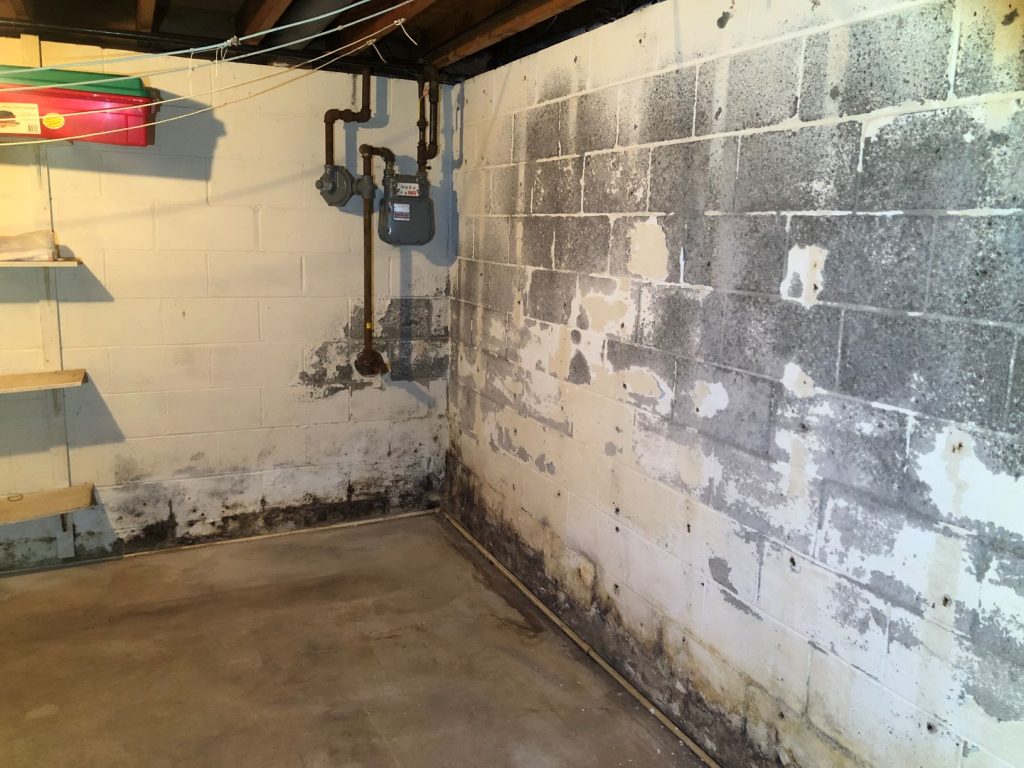
You’ve decided to sell your property and you’re looking for ways to boost its value. Have you considered waterproofing? Not only does it protect the home from potential water damage, but it also makes it more attractive to prospective buyers who see the value in a well-maintained, worry-free home. Plus, it can cut down on future remediation costs. Think about it – a small investment now could mean a higher sale price later. Intrigued? Let’s explore how this works in more detail.
Key Takeaways
- Waterproofing increases property value, attracting more potential buyers and enabling higher sale prices.
- It safeguards the home against water damage, reducing future remediation costs and offering peace of mind to buyers.
- By preventing mold growth and structural decay, waterproofing enhances indoor air quality and the longevity of the structure.
- Properties with effective waterproofing solutions have enhanced curb appeal, further attracting potential buyers.
- The initial cost of waterproofing is offset by long-term benefits like reduced maintenance costs, lower insurance premiums, and prevention of costly emergency repairs.
Understanding the Basics of Waterproofing
Diving into the world of waterproofing, it’s essential for you to grasp its basics. The primary goal here is to protect your home’s foundation and control moisture levels, preventing potential structural damage.
Foundation protection is all about creating a barrier that keeps water from seeping into your home’s structure. Waterproofing techniques vary, but they all aim at the same thing: preventing water damage.
Moisture control is another critical aspect of waterproofing. Unchecked moisture can lead to a host of problems, including mold growth and structural decay. By managing moisture effectively, you’re not only protecting your property but also enhancing its overall health.
You might think waterproofing is a complex, technical task, but it’s not as intimidating as it sounds. It’s about understanding your property, identifying potential areas of weakness, and applying appropriate waterproofing solutions.
It’s also about regular maintenance, ensuring your waterproofing measures remain effective over time.
Boosting Property Value With Waterproofing
While you might see waterproofing as a simple protective measure for your home, it’s also a valuable investment that can greatly boost your property’s value.
It’s an attractive feature for potential buyers who value a well-maintained, secure home. Waterproofing, especially in basements and bathrooms, is key to mold prevention. This is a significant selling point since mold remediation can be costly and time-consuming.
When it comes to resale appeal, waterproofing is a game-changer. Here are three reasons why:
- Longevity: Waterproofing prolongs the lifespan of your home’s structure, making it more appealing for buyers looking for a low-maintenance property.
- Peace of Mind: It offers potential buyers the assurance that they won’t have to deal with water damage or mold issues in the future.
- Savings: Waterproofing reduces the likelihood of future repair costs related to water damage, an attractive feature to budget-conscious buyers.
Bottom line, waterproofing isn’t just about protecting your home, it’s about increasing its value.
It’s a win-win situation: you’ll enjoy the benefits while you live there, and when it’s time to sell, you’ll reap the rewards of a higher resale price.
Waterproofing: Key to Preventing Damages
You might be wondering, why is waterproofing so pivotal in preventing damages?
Well, it’s simple. When you waterproof your property, you’re not just enhancing its value, you’re also safeguarding it from costly potential damages caused by moisture and water leaks.
Understanding Waterproofing Benefits
Three compelling reasons highlight why waterproofing is essential in preventing damages to your property. Here’s the rundown:
- Moisture Control: First off, waterproofing provides excellent moisture control. You’ve probably noticed how dampness can affect your house, especially during the rainy season. Without proper waterproofing, excess moisture can seep into your walls, ceilings, and floors, causing a host of problems such as mold growth and structural damage.
But when you waterproof your property, you’re effectively blocking this moisture, keeping your property dry and damage-free.
- Property Longevity: Second, waterproofing greatly contributes to your property’s longevity. By preventing water damage, you’re reducing wear and tear on your property, which means it’ll stand strong for many more years.
- Peace of Mind: Finally, waterproofing gives you peace of mind. You won’t have to worry about sudden leaks or water damage, which can be costly to repair. You’ll know your property is protected, and that’s a comforting thought.
Understanding these benefits, it’s clear that waterproofing isn’t just an extra expense. It’s a smart investment that can save you a lot of hassle and money in the long run.
Waterproofing: Enhancing Property Value
Often, homeowners overlook the significant role waterproofing plays in enhancing property value. It’s not just about preventing damage, but also about improving property appeal. Waterproofing guarantees moisture control, which keeps your property in excellent condition, attracting potential buyers and boosting the sale price.
Consider this table that outlines the benefits of waterproofing:
| Benefit | Description | Impact on Property Value |
|---|---|---|
| Damage Prevention | Waterproofing prevents structural damage and promotes long-lasting durability. | Increases the life expectancy of the property, thereby increasing its value. |
| Moisture Control | By controlling moisture, it prevents mold and mildew, which can degrade property over time. | Enhances property appeal, attracting potential buyers. |
| Maintenance Costs | Waterproofing reduces long-term maintenance costs related to water damages. | Lower maintenance costs makes your property more attractive to buyers. |
| Health Benefits | Prevents health hazards like mold, making the property safer. | Healthy living spaces are more appealing to buyers, increasing the potential sale price. |
Attracting More Buyers With Waterproofing
Boosting the appeal of your property with waterproofing can certainly attract more potential buyers.
It’s all about buyer perceptions and market trends.
Today’s savvy home buyers are looking for homes that are move-in ready and require little to no maintenance. Waterproofing your property can give potential buyers the assurance they need that your home is well-maintained and free from potential water damage issues.
Waterproofing aligns with the current market trends where buyers are seeking homes that are energy-efficient and have preventative measures in place.
Here’s what waterproofing can do:
- It shows you’ve invested in maintenance, giving buyers confidence in your property’s quality.
- It reduces the risk of potential water damage, a major concern for many buyers.
- It demonstrates future savings in energy costs and maintenance, adding to your home’s appeal.
Waterproofing and Its Long-Term Benefits
Over time, waterproofing your property doesn’t just attract potential buyers, but also serves as a long-term investment that pays off in multiple ways. One of the notable long-term benefits of waterproofing is moisture control. By keeping unwanted water and dampness at bay, you’re considerably reducing the risk of structural damage to your property. You’re also creating a healthier living environment by preventing the growth of mold and mildew.
Another major advantage is foundation protection. Waterproofing guarantees that water does not seep into your property’s foundation, which can lead to serious structural issues over time. It’s a preventative measure that can save you from costly repairs in the future.
Here’s a brief look at how waterproofing your property is a worthy investment:
| Benefits | Short-Term | Long-Term |
|---|---|---|
| Attracts Buyers | High | Medium |
| Moisture Control | Medium | High |
| Foundation Protection | Low | High |
| Prevents Mold and Mildew | High | High |
| Saves Repair Costs | Medium | High |
The Cost-Benefit Analysis of Waterproofing
Weighing the costs against the benefits is an essential step in deciding whether or not to waterproof your property.
Sure, there’s an upfront cost, but you need to evaluate the bigger picture. Is the cost comparison between doing nothing and the potential damage from water intrusion in your favor?
- Waterproofing can prevent costly future repairs. Any water damage means you’re in for expensive fixes that could outweigh the cost of waterproofing.
- It increases your property’s market value. Buyers appreciate properties that have been properly maintained. Waterproofing is a strong selling point that can increase your investment returns.
- It reduces insurance claims. Fewer water-related problems mean fewer insurance claims, leading to lower insurance premiums.
Choosing the Right Waterproofing Service
Finding your way through the maze of available waterproofing services might appear intimidating. However, don’t let the complexity deter you. It’s all about knowing what to look for and doing your due diligence.
A vital step is the service comparison. It’s not enough to just go with the first company you come across. Take the time to compare different services, their pricing, customer reviews, and work history. This will give you insight into what you can expect from them.
Another important aspect to evaluate is material selection. Not all waterproofing materials are created equal. Some are more suitable for certain environments or types of buildings than others.
Frequently Asked Questions
Can Waterproofing Be a DIY Project or Does It Require Professional Help?
While you certainly can tackle waterproofing as a DIY project using various techniques, it’s not always the best approach.
Waterproofing is a complex process that might require professional services to guarantee it’s done correctly. Incorrect waterproofing could lead to serious damage.
What Types of Materials Are Commonly Used in the Waterproofing Process?
You’ll often encounter a variety of materials during a waterproofing project.
Membrane types, including bituminous, liquid, and polyvinyl chloride (PVC), are commonly used. Bituminous is known for its durability, while PVC is used for its flexibility. Liquid membranes, on the other hand, provide seamless coverage.
Sealant options can range from silicone to polyurethane, each offering different levels of water resistance. It’s essential to pick the right materials for your specific needs.
How Often Does a Waterproofed Property Need Maintenance or Inspections?
Your waterproofed property’s maintenance schedule largely depends on the materials used and the quality of installation.
Usually, it’s recommended to conduct inspections annually. If you’re in a particularly wet climate, you might need to check it more frequently.
It’s important to remember that regular maintenance and inspections can identify potential issues early, preventing expensive repairs down the line.
Proper care of your waterproofing investment guarantees it continues to provide protection and value.
Are There Specific Weather Conditions That Can Affect the Efficacy of Waterproofing?
Yes, specific weather conditions can impact your waterproofing’s effectiveness.
In regions with heavy rainfall, moisture control becomes even more essential. Prolonged exposure to wet conditions can overwhelm your waterproofing system, leading to potential failure.
On the other hand, in extremely cold climates, the freeze-thaw cycle can also damage your waterproofing.
It’s important to take into account local weather patterns when choosing your waterproofing method and materials.
What Are the Potential Health Risks if Waterproofing Is Not Properly Implemented?
If you don’t properly implement waterproofing, you’re risking potential health issues.
Exposure to persistent dampness can encourage mold growth, which can lead to respiratory problems. Mold spores can cause allergic reactions, asthma attacks, and even pneumonia in severe cases.
In addition, inadequate waterproofing can cause structural damage to your property, potentially leading to hazardous living conditions.
It’s essential to guarantee a thorough waterproofing job to protect your health and home.
Conclusion
So, you see, waterproofing isn’t just about keeping your home dry. It’s a smart investment that boosts your property’s value, attracts more buyers, and prevents costly damages. Plus, the long-term benefits are immense. With the right waterproofing service, you can enjoy peace of mind and maximize your returns when you sell. So why wait? Start reaping the benefits of waterproofing today!

Rob VanSuilichem
Serving Michigan homeowners for over 32 years, Everdry is one of the Nation’s largest and most experienced waterproofer.
Locally owned, operated and staffed, Everdry professionals take a personal one-on-one approach in educating homeowners so they truly understand all their options for creating a safe, dry, healthy and usable space in their basements.
What Sets Us Apart
- Unbeatable quality due to the experience of the owners and staff.
- Unbeatable value due to the efficiency and expertise of more than 32 years of experience.
- Unbeatable value due to the purchasing power of being one of the largest waterproofers in the nation.
- Unbeatable service due to the fact that EverDry is a locally owned and operated company.
Credentials Include:
- Members of the Home Builders Association
- H.U.D. evaluated
- I.C.C. evaluated (Report #94-07)
- Better Business Bureau Accredited with the Eastern and Western Michigan BBB
- Fully Licensed and Insured
The aforementioned memberships are important because we benefit from the constant exchange of information and knowledge. We are updated on everything from installation techniques, to customer service improvements. You benefit in the knowledge that these third party inspection agencies require us to meet stringent requirements to remain members in good standing.
Better Business Bureau
We have been nominated and won the prestigious Better Business Bureau’s Torch Award for Ethics many times, Chosen as a W.Mich.BBB Torch finalist in 2014 & 2015, Won the Torch Award for Ethics in 2016, Won the Eastern Michigan BBB Torch Award in 2019 and was also chosen as a Western Michigan BBB Torch finalist in 2019. Won the Eastern Michigan BBB Torch Award in 2023 and Finalist for the Western Michigan BBB Torch Award in 2020 & 2021!
Mission Statement
To create raving fans of our customers and employees through frequent contact, constant training, a commitment to excellence and unlimited opportunity.