
You might think you’re saving money by tackling basement waterproofing yourself, but more often than not, DIY attempts end in failure. It’s not just about slapping on some sealant and hoping for the best. Inadequate drainage solutions and incorrect application techniques only offer temporary relief and can lead to more serious, costly problems down the line. But why is this such a common issue? And how can you avoid falling into this DIY trap? Let’s unpack the complexities and potential pitfalls of basement waterproofing.
Key Takeaways
- DIY sealants often lack durability, causing quick failures and inadequate moisture control.
- Inadequate knowledge may lead to improper application of waterproofing techniques, resulting in temporary fixes.
- DIY methods might overlook essential elements like proper drainage systems and vapor barriers.
- A false sense of security from DIY attempts can lead to overlooked problems and future damage.
- Failed DIY projects require professional intervention, leading to increased repair costs and potential long-term financial strain.
Understanding Basement Waterproofing
When it comes to waterproofing your basement, understanding the process is vital. You’ve got to know your waterproofing methods, from drainage systems to moisture barriers. Each plays an important role in preventing water damage.
Drainage systems divert water away from your home, while moisture barriers keep it from seeping in.
Take a look at your soil grading. If it’s sloping towards your home, you’re inviting water in. You need to make sure it slopes away, guiding water off your property.
Foundation cracks can also be a big issue. These can let in water, leading to dampness and structural damage. It’s imperative to seal these up, pronto.
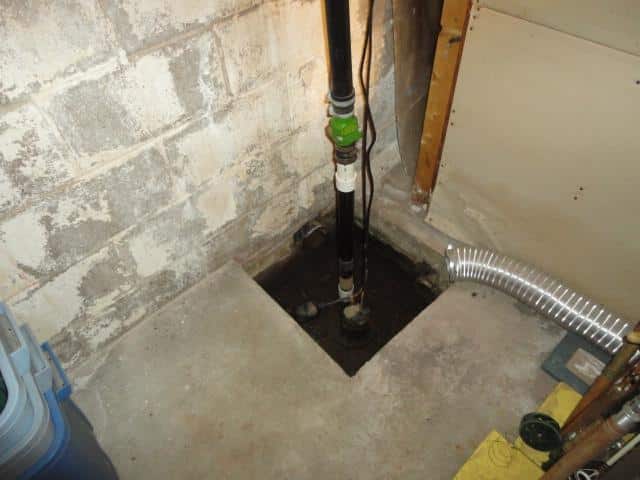
Make sure you’ve got a sump pump installed. This works to remove water that’s collected in a sump basin, usually found in your basement. It’s your last line of defense against flooding.
Humidity control is another part of the picture. Too much humidity can lead to condensation, mold, and mildew. Using dehumidifiers can help keep your basement dry.
Lastly, don’t forget about insulation techniques. Good insulation can prevent heat loss, reducing condensation and helping to keep your basement dry.
It’s all about understanding the process and using the right methods for your home.
The Complexity of Water Damage
Often, you might underestimate the complexity of water damage. It’s not just about plugging a leak; it involves understanding different water sources and how they interact with your home’s structure.
Moisture control is vital. Without proper drainage systems, water can build up around your foundation, compromising its integrity. The soil composition around your home also plays a big role. Some soils absorb water better than others, impacting how well your drainage systems work.
Vapor barriers are another key aspect. They’re designed to keep humidity levels low, but they can fail if not installed correctly. Seasonal changes can also complicate things. During rainy seasons, water pressure can increase, leading to more severe damage.
Repair techniques can vary depending on the extent of the damage and the specific problem. A cracked foundation will need different treatment than high humidity levels, for instance.
And don’t forget about the landscaping impacts. Your yard’s slope, the type of plants you have, and other factors can affect how water drains.
Required Tools and Materials
Having a clear understanding of the complexity of water damage is key, but so is having the right tools and materials on hand to tackle a DIY basement waterproofing project.
Waterproofing sealants, vapor barriers, and foundation coatings are vital products you’ll need for creating a water-resistant surface. These can be applied to walls and floors to prevent moisture seepage. However, they’re not all you’ll need.
Drainage systems and sump pumps play an essential role in managing water flow, preventing it from accumulating and causing damage. You’ll also need concrete additives to strengthen your basement structure and make it more resistant to water damage.
Moisture meters are indispensable tools for detecting wet spots and moisture levels, guiding your waterproofing efforts effectively.
Masonry repair tools will help you fix any cracks or gaps where water could seep in.
Additionally, surface preparation tools like wire brushes or sandblasters are needed to clean and prep surfaces before applying any waterproofing products.
And let’s not forget excavation tools for digging trenches for your drainage system.
Importance of Professional Experience
While you might be tempted to take on a DIY basement waterproofing project, it’s important to recognize the value of professional experience. Experts in the field have spent years honing their skills, learning the most effective techniques, and understanding the complexities of a project that may seem straightforward at first glance.
Expert techniques are more than just knowing which sealant to use or the correct way to apply it. They involve understanding the structure of your home, the type of soil it’s built on, and how water flows around and under it.
They include knowing how to protect your home’s foundation and prevent future leaks. Proven methods are critical to a successful waterproofing job. Without them, you run the risk of incomplete or ineffective waterproofing.
A professional knows these methods inside and out, ensuring that your basement stays dry for years to come. In the end, it’s not just about saving a few bucks. It’s about protecting your home, your investment, and your peace of mind.
Overlooking Subtle Signs of Damage
Unfortunately, subtle signs of damage in your basement might be easily overlooked if you’re not trained to spot them. Hidden leaks may persist undetected, causing moisture buildup that gradually weakens your basement’s structure. Over time, unnoticed water stains can indicate a serious problem.
You might dismiss small foundation cracks as insignificant, but they’re often warning signs of looming surface deterioration. Ignoring these can lead to expensive repairs in the long run.
Drainage issues, too, can be tricky to spot. You mightn’t realize your basement’s drainage isn’t functioning correctly until it’s too late and water damage has already set in.
Mold growth, a telltale sign of high humidity levels, is another often-overlooked issue. It’s not just unsightly; it’s also a sign your basement isn’t as waterproof as you think.
Wall efflorescence, a white, powdery substance that appears on walls, is a clear indication of moisture intrusion.
Health and Safety Risks
When you overlook these subtle signs of damage, you’re not just risking structural damage to your home.
There’s a more insidious danger: the health and safety risks that come with a poorly waterproofed basement.
One of the major threats is mold growth. Damp, wet basements are the perfect breeding ground for molds, which can quickly spread throughout the house.
This can lead to serious health issues like allergies, asthma, and other respiratory diseases.
But it’s not just mold you need to worry about. Poor air quality is another risk factor. Your basement’s air can easily mix with the air in the rest of your house, and if it’s filled with dampness, mold spores, or other pollutants, it can compromise the overall air quality.
To sum it up, here are the main health and safety risks:
- Mold Growth: Mold can cause severe health issues and rapidly spread if not taken care of.
- Poor Air Quality: Damp, moldy air from your basement can mix with the air in your home, leading to poor overall air quality.
- Respiratory Diseases: Exposure to mold and poor air quality can trigger respiratory diseases.
- Allergies: Mold is a common allergen that can trigger serious allergic reactions.
Don’t underestimate these risks. Your health is too important.
The Financial Impact of Mistakes
Ignoring basement waterproofing can hit your wallet hard. Your budget constraints may not initially account for the financial repercussions that follow DIY mistakes.
A thorough cost analysis might reveal that what seems like a cost-effective alternative can lead to unexpected expenses down the line.
Suppose your DIY approach fails, and you’re now facing severe water damage. It’s not just about repair budgets anymore; it’s about restoring your home’s integrity.
Investment returns on your property could plummet, leaving you in a financial rut.
The insurance implications can be equally devastating. Many policies don’t cover damage resulting from improper or faulty DIY work.
Long-Term Consequences of DIY Failure
If you botch your DIY basement waterproofing, you’re not just looking at immediate financial strain.
You’re risking long-term structural damage to your home, possible health hazards, and greatly increased repair costs down the line.
Let’s explore these potential pitfalls and how you can avoid them.
Structural Damage Risks
Without proper precautions, attempting to waterproof your basement yourself can lead to structural damage over time. This is no minor issue, and it’s all tied to the foundation integrity of your home.
Moisture control is a key part of maintaining this integrity, but DIY waterproofing often falls short.
Here are the potential risks to your home’s structure:
- Foundation Cracks: Uncontrolled moisture can cause your foundation to crack. These cracks might start small, but they’ll grow over time, eventually threatening the stability of your home.
- Bulging Walls: Moisture pressure can force your basement walls to bulge inward. This displacement can then impact the overall integrity of your property.
- Sinking Floors: Poor moisture control can also lead to soil erosion beneath your home. As a result, your floors may start to sink, causing serious structural issues.
- Wood Rot: Ultimately, chronic dampness can lead to wood rot in any wooden elements of your home’s structure. This rot weakens the wood, making it more susceptible to collapse.
In short, DIY waterproofing might seem like a cost-saving measure, but the potential structural damage risks could cost you far more down the line.
Health Hazards Post-Failure
Over time, failing to properly waterproof your home’s basement can lead to serious health risks for you and your family.
The moisture retention in your basement creates a perfect environment for mold growth. This mold exposure can trigger allergies, asthma, and even more serious respiratory issues over time.
Toxic fumes can also be a problem. These often come from the chemicals used in DIY waterproofing methods that, if not applied correctly, can become hazardous.
These chemical hazards can cause headaches, dizziness, and long-term health effects if you’re frequently exposed.
Structural instability from moisture damage can lead to pest infestations.
Pests like cockroaches, rats, and termites love damp environments and can carry diseases. They can also cause indoor allergens that can exacerbate respiratory issues.
Increased Repair Costs
Beyond the health hazards, your wallet also takes a hit when DIY basement waterproofing fails. The blow to your repair budgets and the unexpected expenses can quickly pile up, causing financial distress.
Here are four ways your finances suffer when DIY waterproofing fails:
- Professional Repair Costs: You’ll need to hire professionals to fix the damage, which can be costly. They won’t just be fixing the initial problem, but also the damage caused by the failed DIY attempt.
- Material Wastage: The materials you bought for your DIY project are likely wasted and can’t be returned. This is money down the drain.
- Recurring Expenses: If the problem isn’t fixed right away, water damage can lead to recurring expenses such as mold remediation and structural repairs.
- Property Devaluation: Long-term water damage can greatly decrease your property’s value. This could be a major issue if you plan to sell or refinance your home.
Frequently Asked Questions
What Are the Best DIY Basement Waterproofing Products on the Market?
You’re probably searching for the best DIY basement waterproofing products.
Waterproofing sealants like Drylok or RadonSeal can be effective for minor issues. However, for more severe problems, you’ll need a more robust solution like a DIY drainage system – WaterGuard or QuickDri are great options.
Can Basement Waterproofing Increase the Value of My Home?
Absolutely, basement waterproofing can increase your home’s value.
It’s a smart property investment, protecting your house from potential water damage. This not only saves you costly repairs down the line, but also makes your home more appealing to potential buyers.
They’ll appreciate the peace of mind knowing they won’t have to deal with a damp basement.
How Can I Identify if My Basement Needs Professional Waterproofing or Just Minor Repairs?
You’ll want to inspect your basement for moisture or dampness, which are key indicators of needed repairs.
Check for water stains, mold, or a musty smell; these could be signs that it’s more than a minor issue.
If you’re unsure, it’s always best to consult a professional. They can accurately assess if you’re dealing with a simple repair or if professional waterproofing is necessary.
Don’t risk it, get it checked out.
What Is the Average Time It Takes to Waterproof a Basement Professionally Versus DIY?
It largely depends on the project’s scale.
Professionals typically waterproof a basement in 1-3 days, given their experience and specialized equipment.
On the other hand, DIY could take you several weekends, as you’ll face challenges like lack of proper tools and knowledge.
Remember, rushing can lead to mistakes.
It’s essential to weigh the time commitment against potential DIY issues.
Are There Any Eco-Friendly Options Available for Basement Waterproofing?
Absolutely, there are eco-friendly options for basement waterproofing.
You can utilize sustainable materials like a sodium bentonite clay system which is completely natural and non-toxic.
Additionally, natural sealants made from plant-based ingredients offer a green solution. They’re effective and don’t harm the environment.
But remember, it’s essential to apply these correctly to guarantee long-lasting waterproofing.
It’s a great way to protect your home while also caring for our planet.
Conclusion
So, you see, DIY basement waterproofing often fails due to its complex nature. An untrained eye can easily overlook subtle signs of damage, leading to health risks and costly repairs. Don’t underestimate the importance of professional experience. Save yourself the financial burden and potential long-term consequences by hiring a professional. They’ll provide an effective, lasting solution, giving you peace of mind knowing your basement is truly protected.

Rob VanSuilichem
Serving Michigan homeowners for over 32 years, Everdry is one of the Nation’s largest and most experienced waterproofer.
Locally owned, operated and staffed, Everdry professionals take a personal one-on-one approach in educating homeowners so they truly understand all their options for creating a safe, dry, healthy and usable space in their basements.
What Sets Us Apart
- Unbeatable quality due to the experience of the owners and staff.
- Unbeatable value due to the efficiency and expertise of more than 32 years of experience.
- Unbeatable value due to the purchasing power of being one of the largest waterproofers in the nation.
- Unbeatable service due to the fact that EverDry is a locally owned and operated company.
Credentials Include:
- Members of the Home Builders Association
- H.U.D. evaluated
- I.C.C. evaluated (Report #94-07)
- Better Business Bureau Accredited with the Eastern and Western Michigan BBB
- Fully Licensed and Insured
The aforementioned memberships are important because we benefit from the constant exchange of information and knowledge. We are updated on everything from installation techniques, to customer service improvements. You benefit in the knowledge that these third party inspection agencies require us to meet stringent requirements to remain members in good standing.
Better Business Bureau
We have been nominated and won the prestigious Better Business Bureau’s Torch Award for Ethics many times, Chosen as a W.Mich.BBB Torch finalist in 2014 & 2015, Won the Torch Award for Ethics in 2016, Won the Eastern Michigan BBB Torch Award in 2019 and was also chosen as a Western Michigan BBB Torch finalist in 2019. Won the Eastern Michigan BBB Torch Award in 2023 and Finalist for the Western Michigan BBB Torch Award in 2020 & 2021!
Mission Statement
To create raving fans of our customers and employees through frequent contact, constant training, a commitment to excellence and unlimited opportunity.
