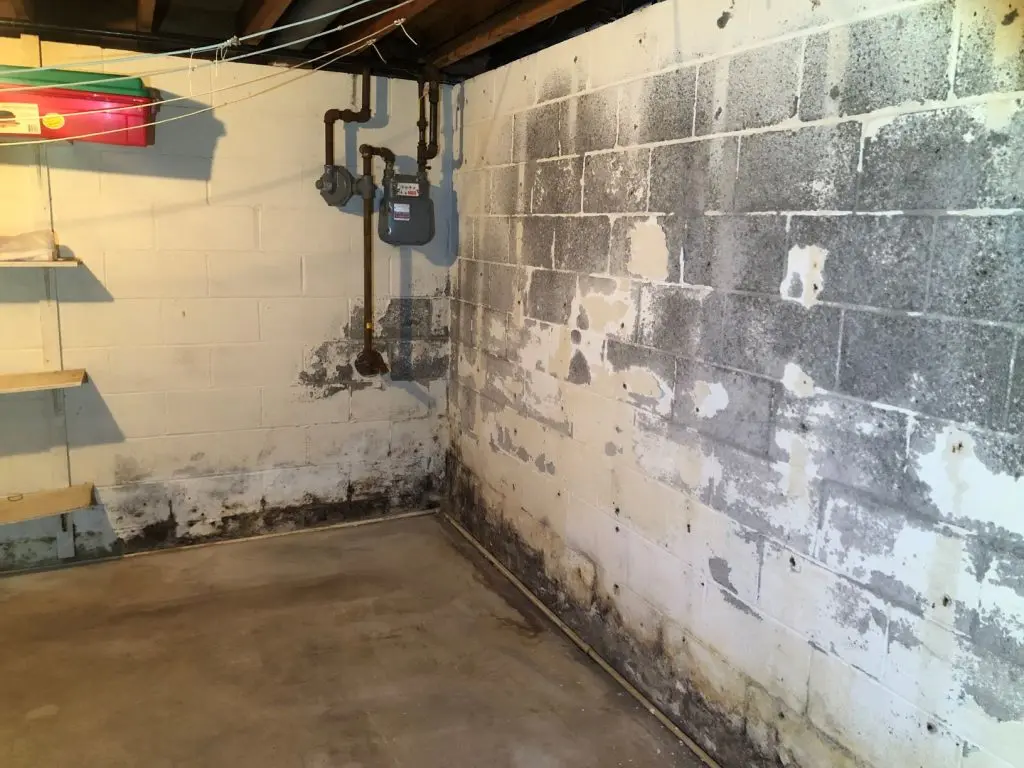
You’ve noticed a leak in your basement ceiling. It’s easy to dismiss it as a minor annoyance, but did you know such leaks might be red flags signaling larger issues within your home? These can range from structural damage to health risks from mold growth. What’s more, if left unaddressed, these seemingly minor leaks could lead to a decrease in your property’s value and even attract pests. Want to know more about why you shouldn’t ignore that basement leak? Let’s explore this together.
Key Takeaways
- Basement ceiling leaks can indicate external drainage issues or faulty plumbing, potentially causing significant water damage.
- Persistent moisture from leaks can weaken foundation materials, leading to structural damage and compromised home integrity.
- Leaks create the perfect damp, dark environment for mold growth, which poses health risks and can damage stored items.
- Ignoring leaks can lead to decreased property value, electrical issues, and pest infestations, exacerbating the problem.
- Detecting and addressing leaks early with waterproofing and maintenance can prevent these larger issues, but severe cases may require professional help.
Understanding Basement Ceiling Leaks
In the realm of home maintenance, understanding basement ceiling leaks is crucial. These leaks may seem harmless at first, but they’re indicative of underlying issues that shouldn’t be ignored. Understanding the causes of leaks and implementing prevention strategies can save you a lot of headaches down the line.
Typically, basement ceiling leaks are caused by issues with your home’s external water drainage systems, faulty plumbing, or condensation due to poor ventilation. External leaks are often due to rainwater seeping into your basement through cracks in your foundation walls or floor.
Faulty plumbing can also cause leaks, especially if the pipes in the ceiling of your basement are old, rusted, or damaged. Lastly, if your basement isn’t well-ventilated, it can cause condensation, leading to leaks.
In terms of prevention strategies, consider regularly checking and maintaining your home’s plumbing and drainage systems. Ensure your gutters are clean and that your downspouts direct water away from your home’s foundation.
Also, consider improving your basement’s ventilation system to prevent condensation. Remember, prevention is always better than cure, especially when it comes to your home’s integrity.
Connection Between Leaks and Structural Damage
While ensuring your basement is free from leaks is an important step in home maintenance, it’s equally vital to understand the link between these leaks and potential structural damage.
You see, the persistent presence of water can significantly impact your home’s foundation integrity. When it comes to basements, the principle of moisture control is critical.
Here’s what you need to know about how leaks can lead to structural damage:
- Constant wetness can cause the materials in your foundation to weaken, potentially leading to cracks or even collapse.
- Water can cause soil displacement around your foundation, resulting in uneven pressure that can damage the structure.
- Basement leaks can cause wood components to rot, compromising the structural integrity of your home.
- Over time, the freeze-thaw cycle of water can cause your foundation to crack and deteriorate.
- Persistent moisture can lead to the corrosion of metal elements within your foundation.
Potential Mold Issues From Leaks
Beyond the structural damage, basement leaks can also lead to serious mold issues.
Mold growth, a common aftermath of persistent dampness, thrives in moist, dark environments like your leaky basement. When water infiltrates your basement ceiling, it creates a perfect breeding ground for mold spores. They latch onto damp surfaces, multiplying rapidly. These colonies can take root in as little as 24 to 48 hours after water exposure.
But it’s not just a cosmetic issue. The health risks associated with mold are alarming. Exposure can result in allergic reactions, including sneezing, runny nose, red eyes, and skin rash. It can also trigger asthma attacks in people who are allergic to mold.
Furthermore, prolonged exposure to certain mold types can lead to serious respiratory conditions.
Let’s not forget the damage to your belongings. Mold can ruin furniture, carpeting, and other valuable items stored in your basement.
The Dangers of Ignoring Leaks
Ignoring leaks in your basement ceiling, given the potential for mold proliferation discussed earlier, can pose significant threats to both your home’s structural integrity and your health.
If you neglect these leaks, you’re not just risking cosmetic blemishes on your ceiling. You’re opening up a Pandora’s box of problems that can lead to serious and costly consequences.
- Structural damage: Over time, water from leaks can weaken the building materials of your home, impairing its structural integrity.
- Mold and mildew: These can grow quickly in damp conditions, leading to potential health risks.
- Decreased property value: Ongoing water damage can significantly decrease your home’s market value.
- Electrical issues: Water contact can lead to electrical shorts and potential fire hazards.
- Pest infestation: Leaks can attract pests, such as termites and rodents, that can further damage your home.
Leak detection is crucial to prevent these issues.
The longer you ignore a leak, the more water damage your home sustains, and the more complex and expensive the repairs become.
Don’t underestimate the dangers of ignoring leaks. They’re not just an eyesore; they’re a ticking time bomb for your home’s health and your own.
Practical Solutions for Basement Leaks
Addressing basement leaks promptly and effectively is crucial. If you’re dealing with a leak, your first step should be leak detection. In other words, you need to identify where the water is coming from. This is a technical process that may require the use of moisture meters, infrared cameras, or even dye testing.
Once you’ve pinpointed the source, you can then move on to choosing the most appropriate waterproofing method. Options range from sealants, which are applied to the interior walls and floor, to drainage systems that divert water away from your home.
Consider your particular circumstances, such as the extent of the leak and the construction of your home, to make the best choice.
Don’t forget that prevention is always better than cure. Regular maintenance checks can often detect potential problems before they become serious leaks.
And remember, while it’s possible to tackle small leaks on your own, larger ones may require professional help. After all, basement leaks can indicate larger structural issues, so it’s crucial to get them addressed right away.
Frequently Asked Questions
What Are Some Common Signs of a Leaking Basement Ceiling?
You’ll typically spot signs of a leaking basement ceiling through visible water damage like stains or discoloration on your ceiling or walls.
Peeling paint or wallpaper is another clue. You may also notice an increase in humidity and a musty odor, indicative of mold growth.
It’s crucial you don’t ignore these signs as they often suggest underlying issues like structural damage or major leaks.
Can Basement Leaks Affect the Overall Value of My Property?
Yes, basement leaks can significantly affect your property’s value.
They’re often indicators of serious structural issues. Damage from prolonged water exposure can lead to costly repairs.
Not only can it affect the property appraisal, but real estate agents and potential buyers might be deterred by the inherent risks.
It’s essential to address and fix these issues promptly to maintain your property’s value.
What Steps Can I Take to Prevent Future Basement Leaks?
To prevent future basement leaks, it’s essential to invest in waterproofing solutions. This could include sealing cracks on walls and floors, installing a sump pump, or applying a waterproofing membrane.
Additionally, make sure your property has a good drainage system. Clean gutters regularly, ensure downspouts are directing water away from your foundation, and consider installing a French drain if needed.
These steps will help keep your basement dry and prevent potential water damage.
How Often Should I Inspect My Basement for Possible Leaks or Damages?
You should inspect your basement for leaks or damages seasonally. Changes in weather can cause or expose issues.
Look for signs of moisture, use a moisture detection tool if possible. Check walls, floors, and especially the ceiling.
Don’t ignore even small signs of water damage. They can indicate bigger, hidden problems. Regular inspections can catch issues early, saving you time, money, and hassle.
If you’re dealing with basement leaks, you’ve got options.
Waterproofing companies can provide solutions like sealing cracks, installing drainage systems, or applying waterproof coatings.
If there’s structural damage, foundation repair services can stabilize your home.
They’ll assess the problem, repair any cracks, and ensure your foundation’s solid.
Remember, it’s crucial to tackle these issues promptly.
Ignoring them can lead to larger, more expensive problems down the line.
Conclusion
In sum, don’t overlook basement ceiling leaks. They can signify serious structural damage, trigger mold growth, and depreciate your home’s value. If left unchecked, these issues could worsen, leading to health risks and potential infestations. It’s crucial to tackle these leaks head-on, using practical solutions to mitigate future issues. Remember, a proactive approach to basement leaks can save you significant time, money, and stress in the long run.