You’re faced with an array of waterproofing methods, each with its unique strengths and weaknesses. Liquid waterproofing membranes, cementitious methods, bituminous coatings, and more, the choices can seem overwhelming. So, how do you decide which is the best one for your specific needs? It’s a balance of factors like structure type, climate, and budget. Intrigued to find out more? Let’s unpack these methods and uncover the most effective solution for your waterproofing needs.
Understanding the Basics of Waterproofing
Often, understanding the basics of waterproofing is the first essential step towards safeguarding your property from potential water damage.
You see, waterproofing is the process of making an object or structure waterproof or water-resistant, meaning it remains unaffected by water or resisting the ingress of water under specified conditions.
There’s a variety of waterproofing methods you can choose from, depending on the nature of the structure and the level of water exposure it faces.
You’ve got liquid waterproofing, where a liquid is applied to the surface creating a membrane that’s resistant to moisture.
There’s also cementitious waterproofing, a method commonly used in areas prone to wetness like bathrooms or toilets. It’s a rigid or semi-flexible type waterproofing which is usually manually applied onto your surface.
Another method is bituminous waterproofing, which involves the use of a mixture of substances like asphalt and coal-tar pitch. This method is particularly effective for low-sloped roofs due to its excellent water resistance.
Importance of Effective Waterproofing
The sheer number of potential water damage cases underscores the importance of effective waterproofing. Imagine, you’ve invested your hard-earned money into creating the perfect home or office space. But without proper waterproofing, you’re putting your investment at risk.
Water damage can lead to major structural issues like wall decay, weakening of foundation, and even mold growth, which can be harmful to your health.
Effective waterproofing isn’t just about preventing water seepage, it’s about longevity. It’s about making sure your space stands the test of time, unaffected by the elements. It’s about securing your investment and ensuring peace of mind.
Beyond the structural integrity, effective waterproofing also contributes to energy efficiency. It insulates your property, reducing the need for excessive heating or cooling, which in turn cuts down on your energy bill.
In the long run, effective waterproofing saves you money. It may seem like an upfront cost, but when you weigh that against potential repair costs from water damage, it’s truly an investment worth making.
Cementitious Waterproofing Method
Diving right into the world of waterproofing, you’ll find the Cementitious Waterproofing Method a common go-to. And for good reason. It’s user-friendly, easily available, and perfect for areas that aren’t exposed to sunlight or weathering.
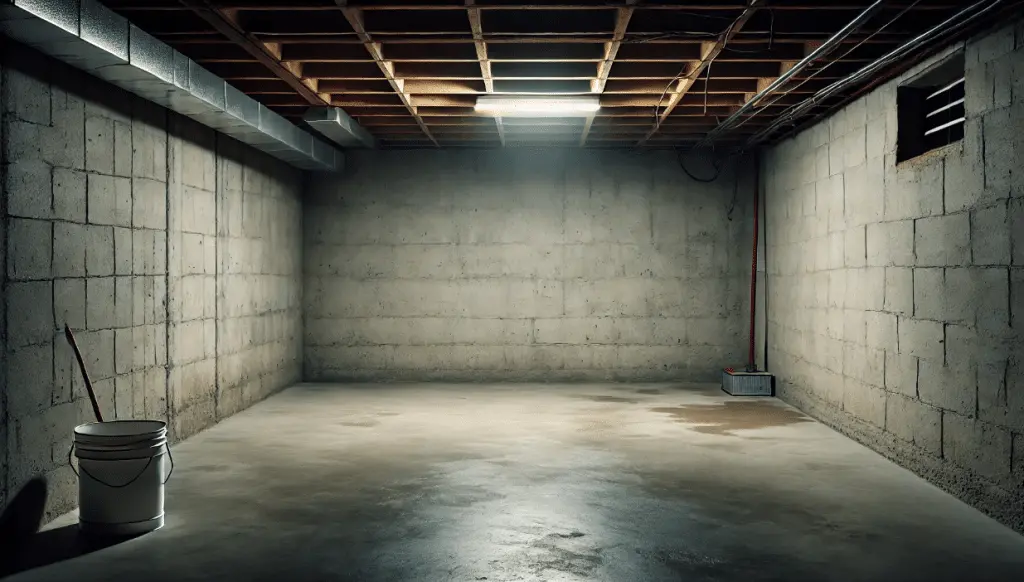
You’ll typically find it used in internal areas like bathrooms, kitchens, and basements to provide a robust waterproof barrier.
This method employs a system that uses readily available products, making it economical. It’s a mix of cement-based compound, waterproofing additives, and bonding agents. You’ll apply it like paint, using a brush, roller, or sprayer. It’s a bit like adding a layer of concrete armor to your surfaces, giving you a sturdy, unyielding waterproof shield.
Still, don’t forget to prep your surface first. Remove any loose particles, and make sure it’s dry and clean. You might also need a primer or a sealer, depending on your specific surface.
And remember, this method isn’t ideal for every situation. It’s not flexible, so don’t use it where there’s movement or where cracks might develop. As always, do your research to verify it’s the right choice for your project.
Liquid Waterproofing Membrane Technique
Stepping up to the plate for waterproofing solutions, you’ll find the Liquid Waterproofing Membrane Technique. This method is a thin layer of water tight material that’s applied to a surface. It’s a flexible, durable option that can be applied to a variety of surfaces, including concrete, wood, and metal.
The application process involves initially priming the surface, followed by the application of the membrane, typically using a roller, brush, or spray. The liquid dries to form a rubber-like waterproof seal, which is resistant to changes in temperature and UV light.
It’s perfect for surfaces that are frequently exposed to water and weather.
One of the best things about this method is its adaptability. You can tailor the thickness of the membrane, depending on your needs. More layers mean more protection. It’s a great choice for complex surfaces, where the flexibility of the liquid can reach into cracks and corners that other methods might miss.
However, it’s not all roses. The technique requires skill to apply evenly and can be more time-consuming than other methods.
But if you’re seeking a flexible, robust solution, the Liquid Waterproofing Membrane Technique is worth considering.
Bituminous Coating Waterproofing Method
Moving from the adaptable Liquid Waterproofing Membrane Technique, let’s consider another practical approach – the Bituminous Coating Waterproofing Method. This is a type of coating used for waterproofing and it’s made of bitumen based materials. It’s flexible, protective, and adhesive – making it a reliable waterproofing method.
One of its main advantages is its superior resistance to aggressive environmental conditions. It’s thus ideal for structures that are often exposed to harsh weather or corrosive elements. However, it’s not suitable for exposure to sunlight. Prolonged exposure can cause the coating to become brittle and eventually crack.
Here’s a quick glimpse of some key features and considerations:
| Feature | Description |
|---|
| Flexibility | Highly flexible, good for irregular surfaces |
| Durability | Long-lasting if shielded from sunlight |
| Application | Requires professional application for effectiveness |
| Cost | Generally affordable compared to other methods |
Bituminous Membrane Waterproofing Technique
Switching gears, let’s explore the Bituminous Membrane Waterproofing Technique, another effective method to keep your structures safe and dry.
This method, often used on flat or low-slope roofs, involves the application of self-adhesive bituminous membranes. These membranes are made of layers of asphalt, modified with polymers, and reinforced with fiberglass or polyester fiber matting. They’re robust, offering a high degree of puncture and tear resistance.
The installation process is straightforward. You’ll apply the membrane directly to the substrate, guaranteeing that it adheres firmly. It’s essential to overlap the edges to create a waterproof seal.
Remember, bituminous membrane waterproofing focuses on providing an impermeable barrier that prevents water from penetrating the structure.
One of the advantages of this method is that it provides excellent waterproofing properties. It’s also resistant to UV rays, extreme temperatures, and chemical exposure.
However, it’s not perfect. Over time, bituminous membranes can become brittle, leading to cracks and leaks. Regular inspections are necessary to verify the membrane remains effective.
Polyurethane Liquid Membrane Waterproofing
Diving right in, let’s take a look at Polyurethane Liquid Membrane Waterproofing. This technique is a popular choice for many homeowners and contractors due to its durability and flexibility.
It’s a type of thin, liquid coating that’s applied to the surface, creating a waterproof barrier that’s resistant to weather and external damage.
You’ll appreciate its versatility as it can be applied to a variety of surfaces, including concrete, wood, and metal. It’s often used on roofs, balconies, and terraces, providing a reliable and effective shield against water infiltration.
One of the key advantages of this method is its seamless nature. Once it’s applied, the liquid membrane fills in cracks and gaps, forming a continuous layer that leaves no room for water to seep through. This guarantees a high level of waterproofing for your property.
However, it’s not all sunshine and roses. The application process requires precision and skill. If not done correctly, it can lead to ineffective waterproofing and potential damage.
It’s also more expensive compared to other methods.
Comparing Different Waterproofing Methods
In light of the various waterproofing methods available, it’s important to compare and analyze their strengths and weaknesses to make an informed decision.
You’ve got options like cementitious waterproofing, liquid waterproofing membrane, bituminous coating, bituminous membrane, and polyurethane liquid membrane, to name a few.
Cementitious waterproofing is well-known for its simplicity, being easy to apply and cost-effective. However, it’s not as flexible, which can be a disadvantage for areas exposed to movement or cracking.
Liquid waterproofing membrane, on the other hand, offers excellent flexibility and a seamless, strong finish. But keep in mind, it requires more skill and precision during application.
Bituminous coating or bitumen, is an excellent waterproofing agent, especially for below ground level areas. It’s durable against harsh conditions but limited in its flexibility, especially when exposed to sunlight.
Bituminous membrane, a popular method for low-sloped roofs, boasts strong waterproofing capabilities and durability. Yet, it’s a labor-intensive process that requires professional expertise.
Polyurethane liquid membrane, although expensive, provides high flexibility and is resistant to weather conditions. However, it’s sensitive to moisture content, requiring careful surface preparation.
Each method comes with its own set of pros and cons. Understanding these can help you choose wisely for your specific needs.
Criteria for Choosing the Best Method
Choosing the best waterproofing method isn’t always straightforward. Multiple factors come into play, and you need to evaluate each one carefully. Here are three essential criteria to guide your decision:
1. Type of Structure: The type of structure you’re waterproofing greatly influences the method you should use. Concrete structures might require a different approach compared to wooden ones.
Don’t overlook this vital factor.
2. Climate and Environment: Your local climate and environmental conditions also play a huge part. If you’re in a region with heavy rainfall, a more robust waterproofing method may be necessary.
Conversely, in drier climates, you could opt for a less intensive method.
3. Budget: Finally, assess your budget. Some methods are more cost-effective than others.
However, remember that a cheaper upfront cost mightn’t save you money in the long run if the method isn’t as effective.
You’re not just picking any waterproofing method; you’re choosing the best one for your specific needs. With these criteria in mind, you can make a more informed decision.
It’s all about finding the right balance between effectiveness, cost, and suitability to your specific circumstances.
Conclusion
Choosing the best waterproofing method isn’t a one-size-fits-all decision. You’ll need to take into account factors like structure type, climate, and budget. Flexibility and a seamless finish? Go for a liquid membrane. On a tight budget and working indoors? Cementitious waterproofing is your friend. For external use, bituminous coatings are tough and durable. Remember, balance is essential. The ideal method offers a blend of performance, cost-effectiveness, and suitability, providing robust protection against water damage.