Ever thought about the best time to waterproof your basement? It’s not as simple as picking a random weekend. In fact, the ideal time hinges on a balance of several factors, including the weather and soil conditions. Late spring and early fall typically provide the most favorable conditions for this project. But why are these seasons the top choices, and what makes the other seasons less ideal? Let’s discuss this further and help you make an informed decision about when to tackle this important home improvement task.
Key Takeaways
- Waterproof your basement during late spring or early fall due to favorable weather conditions for excavation and drying.
- Identify signs of moisture issues like damp spots, water stains, mold, or increased humidity, indicating the need for waterproofing.
- Prioritize timely waterproofing to prevent structural damage, save repair costs, and increase property value.
- Choose appropriate waterproofing methods such as interior sealants, exterior drainage systems, sump pumps, or French drains based on the severity of water intrusion.
- Regular maintenance and monitoring of waterproofing systems, including periodic inspections and prompt repairs, ensure long-term effectiveness.
Understanding Basement Waterproofing
First off, let’s demystify the concept of basement waterproofing. It’s not a spooky mystery, but a practical solution to keep your basement dry and your home safe. When you’re dealing with basement moisture, it’s more than just an inconvenience; it can lead to serious structural damage and health issues.
The goal of basement waterproofing is to prevent water from entering your basement. There are various waterproofing techniques you can employ, depending on the source and extent of the moisture problem.
Interior waterproofing, for instance, is best for handling condensation issues. It includes using sealants on your walls and floors to prevent moisture from seeping in.
On the other hand, exterior waterproofing is a more thorough method. It involves the application of a waterproof membrane to the outside of your basement walls, keeping water from ever reaching them. This technique is usually more costly and time-consuming, but it’s worth it if you’re dealing with severe moisture issues.
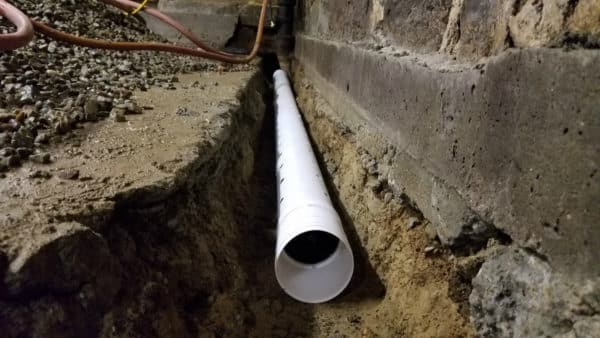
Another technique is drainage. By installing a proper drainage system, you can direct water away from your basement, preventing it from accumulating and causing problems.
Signs Your Basement Needs Waterproofing
Before you can tackle any waterproofing projects, you need to recognize the signs that your basement is in need of this treatment. Several indicators suggest that your basement could be suffering from water damage and requires immediate moisture control.
- Dampness or Wet Spots: You’ll often find damp spots on walls, floors or ceilings. These can evolve into wet patches, indicating a more severe water issue.
- Mold Growth: Persistent moisture creates a perfect environment for mold. If you notice mold patches or a musty odor, it’s a clear sign that your basement needs waterproofing.
- Cracks in Walls or Floor: Cracks can allow water to seep in, causing damage. If these cracks are left untreated, they can worsen over time, leading to serious structural issues.
Each of these signs is a clear indication of water damage in your basement.
Don’t ignore them; they’re your house telling you it’s time to take action.
Ideal Seasons for Basement Waterproofing
Often, you may wonder when the best time is to waterproof your basement. The ideal season to address basement moisture and choose the best drainage solutions is largely dependent on your local climate, but generally, late spring and early fall are the most suitable times.
During these periods, the ground is typically dry, making it easier to excavate around your home’s foundation. If you’re considering exterior waterproofing, these seasons provide excellent conditions.
Here’s a quick seasonal guide for your reference:
| Season | Suitable? | Reason |
|---|
| Spring | Yes | Ground is thawing, easier to excavate |
| Summer | No | Too hot, ground too hard |
| Fall | Yes | Ground is dry, favorable for exterior work |
| Winter | No | Ground is frozen, difficult to work |
Benefits of Spring Waterproofing
While we’ve established that spring presents a prime time for basement waterproofing, you might still be curious about the specific benefits this season offers. The combination of spring maintenance and effective moisture management can create an advantageous environment for such a task.
Here are three specific advantages of spring waterproofing:
- Prime Weather Conditions: Spring weather is typically mild, which is perfect for waterproofing projects. It’s not too hot or too cold, making the application process easier and more effective.
- Moisture Management: Spring is known for its rain showers. By waterproofing your basement during this time, you’re proactively managing potential moisture issues. This preemptive action can help prevent water damage and mold growth.
- Preparation for Summer: Summer can bring intense storms and heavy rainfall. By waterproofing in the spring, you’re fortifying your home’s defenses ahead of time. It’s a strategic move to protect your basement from possible flooding.
Why Consider Fall for Waterproofing
Don’t rule out fall when considering the perfect time for waterproofing your basement. Fall provides a unique opportunity for ideal moisture management, an essential element in basement waterproofing. It’s often overlooked, but here’s why it shouldn’t be.
In the fall, the ground around your home tends to be drier, which is perfect for waterproofing. You’ll encounter fewer issues with excess water, making the process smoother and more effective. Additionally, waterproofing in the fall sets your basement up for seasonal preparation, ensuring it’s ready to withstand the moisture that winter can bring.
Let’s look at a quick comparison:
| Season | Reason for Consideration |
|---|
| Spring | Ground thaw makes for easier digging. |
| Fall | Dry ground simplifies waterproofing and assists in moisture management. |
Winter and Summer: Not Ideal Times
Despite the appeal each season holds, winter and summer typically aren’t the best times for waterproofing your basement. You may be wondering why. Well, let’s explore it.
Firstly, you’ve got to take into account the basement humidity. In the summer, you’re dealing with high humidity levels. This can make the waterproofing process more difficult and less effective. The excessive moisture in the air can prevent the sealants and coatings from adhering properly, resulting in a less than ideal waterproofing job.
Secondly, the harsh winter conditions pose their own set of problems. The ground can be frozen, making it difficult to work on the exterior of your basement.
Lastly, seasonal moisture variations can lead to inaccurate assessments of your basement’s waterproofing needs. In the summer, the moisture levels can be artificially high, while in the winter, they can be artificially low.
- High summer humidity prevents proper adhesion of waterproofing materials.
- Frozen ground in winter hampers exterior waterproofing work.
- Seasonal moisture variations can lead to inaccurate assessments of waterproofing needs.
Long-Term Benefits of Timely Waterproofing
Understanding the best time to waterproof your basement is just the beginning. The real reward comes when you experience the long-term benefits of timely waterproofing.
First, let’s talk about cost savings. When you waterproof your basement at the right time, you’re taking a preventive measure. This means future damage that could occur due to water infiltration is mitigated. You’re saving yourself from costly repairs down the road, freeing up your budget for other home improvement projects. It’s a smart move that’ll save you a bundle over time.
Secondly, consider your property value. A dry, well-maintained basement adds significant value to your home. Prospective buyers prefer a house with a waterproofed basement, viewing it as a sign of a well-cared-for property. By waterproofing your basement, you’re not just safeguarding your home from potential water damage, you’re also making a smart investment that’ll pay off when it’s time to sell.
In essence, the benefits of timely waterproofing are twofold: you’re saving money on future repairs and enhancing your property value. It’s a wise decision, one that’ll bring peace of mind and financial benefits for years to come.
Hiring Professionals Vs DIY Waterproofing
While you might be tempted to tackle waterproofing your basement as a DIY project, it’s crucial to weigh up the pros and cons of doing it yourself versus hiring professionals.
In terms of cost comparison, DIY might seem the cheaper route at first, but there’s more to take into account.
Here are three factors to think about:
- Upfront Costs: Yes, professional services are more expensive upfront, but they often come with warranties that can save you money in the long run.
- Quality of Work: Professionals have the experience and knowledge to guarantee your basement is thoroughly waterproofed. DIY might lead to missed spots or improper sealing that could lead to more expensive repairs down the line.
- Project Timeline: A DIY project could take you weeks or even months to complete in your spare time. Professionals can typically complete the job in a matter of days.
Frequently Asked Questions
What Is the Average Cost of Professional Basement Waterproofing?
You’re probably wondering about the average cost of professional basement waterproofing.
It’s not a simple number, as cost factors like size, materials, and severity of the problem come into play. On average, you’ll be looking at around $3,000 to $5,000.
Remember, DIY alternatives may be cheaper upfront but could cost you more in the long run if not done correctly.
It’s essential to weigh the pros and cons before making a decision.
Will Waterproofing Increase the Value of My Home?
Yes, waterproofing will increase the value of your home.
It’s a smart property investment because it prevents costly damage from leaks and flooding. Not only does it protect your basement from damage, but it also provides peace of mind for potential buyers.
They’ll see that you’ve maintained your home well, which can boost your home’s resale value.
Can Waterproofing Have a Negative Impact on My Homes Foundation?
If you’re wondering if waterproofing can negatively impact your home’s foundation, it’s important to know that it’s unlikely.
When done correctly, waterproofing enhances foundation stability. However, if not done properly, it can lead to issues.
It’s essential to hire experienced professionals for this task. They’ll guarantee the job’s done right, preventing negative effects.
How Often Does the Basement Need to Be Re-Waterproofed?
How often you need to re-waterproof your basement depends on several factors.
If you’re diligent with your basement maintenance and use quality waterproofing techniques, it might last for many years.
However, if you notice dampness, water stains, or a musty smell, it’s time to re-waterproof.
Always be proactive, because it’s easier to prevent water damage than to repair it.
It’s best to consult with a professional for personalized advice.
What Are the Potential Health Risks Associated With a Non-Waterproofed Basement?
If you don’t waterproof your basement, you’re risking serious health issues.
Damp basements promote mold growth, which can lead to respiratory problems, allergies, and skin irritations. Mold spores quickly spread, impacting your home’s indoor air quality.
Plus, if you’re asthmatic, mold can exacerbate your symptoms.
Conclusion
So, you’ve got the scoop on when to waterproof your basement. Late spring and early fall are your best bets. Avoid the extremes of summer and winter for a smoother process. Remember, timely waterproofing not only keeps your basement dry but also prevents costly damages in the future. Whether you’re considering DIY or hiring professionals, make sure you choose the best season for the job. Take action and protect your basement from moisture intrusion today!