While the transformation of a dim, unused basement into a bright and inviting living space can be a thrilling home improvement project, there are times when it’s best to press the pause button on such plans.
You might be on the verge of expanding your home’s livable space, but have you considered the potential pitfalls? High risks of basement flooding, excessive moisture and humidity, a limited renovation budget, a low return on investment, and structural concerns can all play a significant role in the decision-making process.
What makes these factors so crucial, you ask? Well, let’s explore and understand why these issues might hold you back from finishing your basement.
Key Takeaways
- Assess flood risk and humidity levels before finishing a basement to avoid costly water damage and excessive moisture issues.
- Consider using the basement for storage in flood-prone areas or where high humidity is a concern to mitigate risks.
- Be cautious of limited budgets for renovations, factoring in all costs including materials, labor, and potential hidden expenses to prevent financial strain.
- Prioritize structural integrity by checking for foundation issues and addressing any visible cracks or damages before proceeding with basement renovations to avoid safety hazards and further damage.
High Risk of Basement Flooding
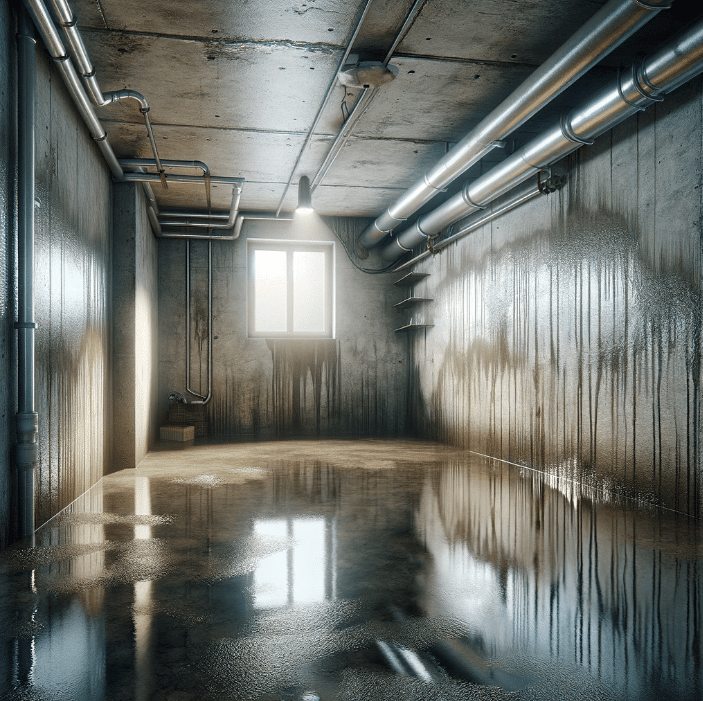
If your home is prone to flooding, finishing your basement could be a risky move. It’s crucial to assess your situation before diving into a renovation project. Regular floods can cause significant water damage that’s expensive to fix. It’s not just about the initial cost of renovation, but also about the potential for ongoing repairs.
You might be thinking, ‘I’ll just install a sump pump or waterproof the walls.‘ While these measures can help, they’re not foolproof. If a serious flood hits, your newly finished basement could still end up underwater. Remember, it’s not only the loss of your investment, but also the cost of cleanup and potential health hazards like mold growth.
Consider your location too. If you’re living in a flood zone, it’s more prudent to leave your basement unfinished. You could use it for storage instead, but make sure you’re not storing items that could be damaged by water. It’s better to be safe than sorry.
Excessive Moisture and Humidity
Beyond the threat of flooding, dealing with excessive moisture and humidity is another reason you might want to think twice about finishing your basement. You’ll find that high humidity can create an unpleasant environment, making your basement feel damp and musty. Even worse, it can lead to mold growth, which isn’t only unsightly but can also pose serious health risks.
If your basement is prone to high levels of humidity, you’ll need to invest in a good dehumidifier, which can be costly. Plus, you’ll need to continuously monitor the humidity levels, which can be a hassle. You can’t just set it and forget it, you’ve got to be proactive.
Furthermore, if you’re dealing with excessive moisture, regular basement finishing materials like drywall and carpet may not hold up well. They can absorb the moisture, causing them to warp and rot over time. This means you’ll be facing additional costs for moisture-resistant materials.
In short, if you’ve got a basement with excessive moisture and humidity, finishing it may not be worth the time, money, or hassle. It might be better to use it for storage or utility space instead.
Limited Budget for Renovations
Another crucial factor to consider before finishing your basement is your budget for renovations. If it’s limited, you might want to reconsider your plans. Basement renovations can be costly and unexpected expenses often pop up during the process.
Let’s get into the specifics. You’ll need to account for the cost of materials and labor. Drywall, flooring, lighting, plumbing, and electric work are just a few of the expenses you’ll encounter. Hiring professionals can add up quickly. While you might be tempted to do it yourself to save money, remember that mistakes can be costly.
Also, don’t forget about the hidden costs. These include potential increases in property taxes due to increased home value, additional utility costs for heating and cooling the space, and potential maintenance costs down the line.
Low Return on Investment
While considering the hefty costs of basement renovations, it’s also important to weigh the potential return on investment. You might be surprised to find out that the return may not always be as high as you’d expect. It’s crucial to remember that not all renovations increase the value of your home equally.
Consider the following factors that can influence the return on your investment:
- The quality of the renovation
A poorly done renovation can decrease your home’s value.
A high-quality renovation can increase it, but not always enough to cover the cost.
- The market value of homes in your area
If your home’s value is already at the top of the market for your area, a basement renovation mightn’t increase it much more.
If homes in your area are in high demand, a basement renovation could potentially add value.
Structural Issues and Concerns
Before deciding to renovate your basement, it’s vital to consider any potential structural issues and concerns that might complicate the project. You need to ask: is your home’s foundation sturdy? Are the walls and floors of the basement intact, or are there visible cracks and damages?
Issues like these can’t only make your renovation more difficult, but could also significantly inflate the cost. For example, fixing cracks in the foundation or installing support beams to reinforce weak walls can add thousands of dollars to your budget. Moreover, if these issues aren’t addressed properly, they could pose serious safety risks to you and your family.
Water damage is another major concern. Basements are notoriously susceptible to moisture, and chronic dampness can lead to mold growth and structural deterioration over time. If your basement shows signs of water damage, it’s advisable to deal with these issues before proceeding with the renovation.
Frequently Asked Questions
What Are Some Alternative Uses for an Unfinished Basement?
If you’re not keen on finishing your basement, there’s still plenty you can do with that space. You can use it as a workshop or a storage area. It’s also great for a home gym or a kids’ playroom.
An unfinished basement is a blank slate, so you’re only limited by your imagination. Just be sure to keep it clean and dry to protect whatever you put down there.
How Can You Ensure That the Basement Is Properly Insulated?
To ensure your basement is properly insulated, you’ll need to check the current insulation level first. If it’s inadequate, consider using spray foam or batt insulation to boost its efficiency. Pay special attention to the rim joists and any exposed pipes.
Hiring a professional for an insulation audit could also be beneficial. Remember, proper insulation can save you money on heating and cooling costs, while making your basement more comfortable.
Are There Any Legal Restrictions or Permits Needed to Finish a Basement?
You’re thinking about legal restrictions and permits, huh? Well, you can’t simply dive into your basement project without checking these. Local building codes vary, so you’ll need to apply for the necessary permits from your city or county.
They’ll likely require inspections too. It’s a good idea to consult with a professional to ensure you’re not violating any regulations. Ignoring this step could lead to hefty fines or even having to undo your hard work.
How Can an Unfinished Basement Affect the Overall Value of a Home?
An unfinished basement can impact your home’s value. You’re essentially offering potential buyers extra space that they can customize according to their needs.
However, it’s a double-edged sword. While some might see it as an opportunity, others might view it as a project they don’t want to tackle.
What Steps Can Be Taken to Control Pests in an Unfinished Basement?
To control pests in your unfinished basement, you’ll need to take some proactive steps.
First, clear out any clutter. Pests love dark, cluttered spaces.
Next, seal any cracks or gaps where pests could enter. Use a dehumidifier to reduce moisture, as pests thrive in damp places.
Regularly clean and vacuum the area.
Lastly, consider hiring a pest control service for professional help. Remember, prevention is better than cure.
Conclusion
In the end, will you take the plunge and finish your basement?
Beware of basement flooding, unmanaged moisture, and budget constraints.
Remember, the returns may not be grand, and lurking structural issues could turn dreams into nightmares.
Choose wisely, friend.
Your basement’s fate hangs in the balance.