
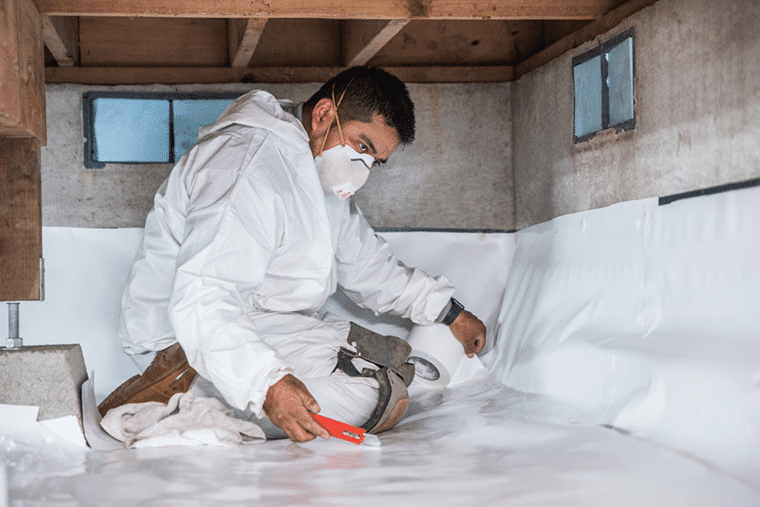
You’ve finally decided to call in a professional to tackle that persistent dampness in your basement. But what exactly should you anticipate when a local basement waterproofer pays you a visit? They’ll check out everything from moisture levels to structural stability, but what does that involve? And what happens once they’ve identified the problem? Let’s demystify this process, so you’re well-prepared when the waterproofer turns up at your doorstep.
Key Takeaways
- Expect a thorough inspection of your basement for leaks, dampness, and mold, with the use of specialized tools and techniques.
- The waterproofer will identify common issues such as mold growth, water stains, and musty smells, assessing the severity of the damage.
- They will discuss various waterproofing solutions, their merits, drawbacks, and applicability to your specific situation, guiding you to an informed decision.
- A cost estimation will be provided, accounting for the severity of the issue, chosen solution, labor, materials, and local contractor rates.
- Post-inspection, the waterproofer will install the necessary equipment, apply moisture barriers, seal cracks and gaps, and ensure comprehensive waterproofing of your basement.
Initial Contact and Consultation
When you first reach out to a basement waterproofer, you can expect a professional and informative consultation. They’ll likely ask you questions about the current state of your basement, such as if you’ve noticed any leaks, dampness, or even mold. This conversation serves as the initial assessment, and it’s crucial for them to understand the scale of the problem.
You might be wondering about service expectations during this initial contact. Well, you’re in for a treat. The waterproofer should be able to provide you with a general idea of what the process entails.
They’ll explain the typical steps involved in waterproofing a basement, from the inspection to the treatment and finally, the maintenance. They’ll also discuss potential timelines and costs, though these can only be fully determined after a thorough inspection.
Keep in mind that this is just the start. The waterproofer’s main goal during this initial contact is to gather as much information as possible to prepare for the in-person inspection.
They’ll need to understand your specific concerns and needs to offer you the best solution. So, don’t hesitate to ask questions or express any worries you might have. This is your chance to establish a good foundation for the rest of the waterproofing process.
Scheduling the Inspection
Once you’ve chosen your basement waterproofer, it’s time to schedule the inspection.
You’ll need to arrange a convenient appointment time and make certain preparations ahead of the inspector’s visit.
This step is crucial, as a well-conducted inspection can highlight potential issues and inform the necessary waterproofing strategy.
Arranging the Appointment
Kickstart the process of waterproofing your basement by arranging an appointment for an inspection. When choosing a contractor, it’s essential to consider their expertise, reliability and reviews. They should be able to provide a thorough home assessment to identify any potential water issues.
To arrange an appointment, contact the contractor and discuss your concerns. They’ll likely ask about the age of your home, the type of basement you have (finished or unfinished), and any issues you’ve noticed. Based on this information, they’ll suggest a date and time for the inspection.
Remember, the goal of the inspection is to identify the source of water in your basement and propose a solution. Therefore, it’s crucial to provide accurate information to the contractor. Here’s a table to guide you through the process:
| Step | Action | Purpose |
|---|---|---|
| 1 | Contact Contractor | Discuss concerns and arrange appointment |
| 2 | Provide Home Details | Enable accurate assessment |
| 3 | Schedule Inspection | Finalize date and time |
| 4 | Confirm Appointment | Ensure you’re prepared for the visit |
| 5 | Await Inspection | Allow the contractor to do their job |
Pre-Inspection Preparation
After arranging your appointment, it’s time to prepare for the pre-inspection phase. This step is crucial, as it gives you the opportunity to address any homeowner concerns and clear up common misconceptions about the waterproofing process.
Firstly, make sure you’ve got a list of any problem areas in your basement and any questions you might have. Your waterproofer will appreciate your preparedness, as it aids in their inspection.
Secondly, clear a path for the inspector. Move any furniture or boxes that may be blocking access to the walls, floor, and any existing sump pumps or drains.
One common misconception is that all basements are doomed to be wet. This isn’t true. A skilled waterproofer should be able to provide solutions for even the dampest basements.
Also, remember, just because your basement is dry now doesn’t mean it will stay that way. Seasonal changes can affect the moisture level in your basement.
Preparation takes time, but it’s worth it. When you’re prepared, it not only makes the inspection process smoother, but it also ensures that you get the most effective and tailored solution for your basement’s needs.
The Inspection Process
Before the actual waterproofing process begins, a thorough inspection is typically in order. This is when a trained professional will use a variety of inspection techniques to ensure a comprehensive understanding of your basement’s current state.
They’ll conduct a moisture assessment, using specialized tools for humidity measurement and soil moisture evaluation. This tells them how much water is in the air and ground around your property, which could be contributing to your basement’s dampness.
The foundation evaluation is a crucial part of the inspection. This is where they check the structural integrity of your basement, looking for any cracks or other signs of damage that could be letting water in.
They’ll also perform a drainage analysis, ensuring that water is being properly directed away from your home.
The property assessment will take into account the overall condition of your home. This includes a mold inspection, which is important as damp basements can often lead to mold growth.
Lastly, they’ll use leak detection methods to find any hidden sources of water. This thorough inspection provides a complete picture of your basement’s condition and helps determine the best method for waterproofing.
Identifying the Problem
Now that you’re familiar with the inspection process, let’s move on to identifying the problem.
It’s essential to know how to spot waterproofing issues and understand the severity of any damage.
This knowledge will enable you to assess the situation accurately and decide on the appropriate course of action.
Spotting Waterproofing Issues
Three common signs indicate potential waterproofing issues in your basement.
First, you’ll want to watch out for mold growth. This problem often surfaces in areas where moisture accumulates, such as behind your appliances or along basement walls.
Mold tends to appear as a fuzzy or slimy discoloration, typically black, green, or white. It’s more than just unsightly—it can also cause serious health issues, so it’s crucial to catch it early.
Second, keep an eye out for water stains. These can appear on your walls or floors, often in a rusty color.
This is a surefire sign that water is seeping into your basement. Water stains might start out small, but they can quickly spread and lead to bigger problems such as structural damage.
Lastly, you might notice a musty smell. This odor often means there’s excess moisture in your basement.
It’s usually one of the first signs of a waterproofing problem.
Understanding Damage Severity
Understanding the severity of water damage in your basement is the first step in tackling the problem. It’s essential to identify damage indicators like mold, peeling paint, or a musty smell. These signs can expose common causes such as leaks, excessive humidity, or inadequate drainage – all crucial moisture sources.
A severity assessment should be conducted to determine the extent of the damage. This involves examining the structural integrity of your basement. Are there cracks in the walls or floors? Is the foundation sinking or shifting? These are serious signs that your basement’s structural health is compromised.
The urgency of repair is dictated by the damage severity. Minor issues like occasional dampness might be a DIY fix, but widespread moisture or structural issues call for immediate professional intervention. Ignoring these problems can lead to long-term effects, including further damage and decreased home value.
A professional evaluation is necessary to fully understand the depth of the damage and to provide suitable solutions. A local basement waterproofer is trained to spot these issues and offer the most effective waterproofing methods.
Always remember, understanding the severity of the damage is key to a dry, safe basement.
Discussing the Solution
A myriad of options exists when it comes to basement waterproofing solutions, and it’s essential to choose the right one for your specific situation. Your waterproofer will guide you through a variety of waterproofing techniques, each with its own merits and potential drawbacks.
Interior sealants are a quick fix, but aren’t long term solutions. They can keep humidity low, but aren’t suitable for handling major leaks.
Exterior waterproofing is more comprehensive, preventing water from entering your basement walls. However, it requires excavating the area around your house which might be expensive and time-consuming.
There are also interior water drainage systems that, unlike sealants, can handle larger leaks by redirecting water from your basement to a sump pump system. This technique can be a cost-effective method, especially in areas prone to heavy rain or flooding.
Lastly, there’s the foundation crack repair, which is necessary if your house is older or has structural issues. This solution involves sealing cracks in the walls and floors of your basement to prevent water from seeping in.
Estimating the Cost
Basement waterproofing costs can vary greatly depending on the chosen solution and the severity of your water problem.
It’s essential to understand the cost breakdown, which usually includes labor, materials, and any required permits. The more severe your water issue, the more labor-intensive the solution may be, which could increase the overall cost.
When the local waterproofer visits, they’ll assess the situation and provide you with an estimate.
Don’t hesitate to ask for a detailed breakdown of costs. This won’t only give you a clear understanding of where your money is going but also allow you to compare quotes if you’re considering multiple contractors.
Now, let’s talk about financing options. Waterproofing a basement can be a significant investment, and not everyone has the funds readily available.
Many waterproofing companies offer financing options to help you spread the cost over time. These might include in-house financing, third-party loans, or even credit card payments.
Make sure you understand the terms and interest rates before you commit.
Preparing for the Work
Once you’ve chosen your basement waterproofer and finalized your financial arrangements, it’s time to get your home ready for the work ahead. Your role in this process, referred to as homeowner responsibilities, is to prepare the work area and ensure that the team has the space they need to operate effectively.
One primary task is to clear the basement of any furniture, appliances, or other items that could obstruct the work area. It’s also helpful to create a tools checklist so you can verify that the team has everything they need when they arrive.
Here’s a simple table to help you organize your responsibilities:
| Task | Homeowner Responsibilities | Tools Checklist |
|---|---|---|
| Clearing the Basement | Remove all furniture, appliances, and other items | N/A |
| Providing Access | Ensure easy access to the basement and power sources | N/A |
| Verifying Tools | N/A | Ask the waterproofer for a list of necessary tools |
| Providing Utilities | Ensure water and electricity are available for use | N/A |
The Waterproofing Process
With your basement now cleared and prepared, it’s time to discuss what happens during the actual waterproofing process. Here, a professional waterproofer will employ a series of steps to ensure your basement remains dry and safe.
- First, they’ll install drainage systems. These are designed to direct any water away from your basement, preventing it from seeping into the walls or floor.
- Next, they’ll apply moisture barriers. Moisture barriers are a crucial part of the process. They act as a shield, preventing dampness from penetrating your walls and causing potential damage.
- Lastly, they’ll seal everything up. This includes any cracks or gaps that could let water in.
This process requires a keen eye for detail and extensive knowledge of waterproofing techniques. It’s not just about slapping on some sealant and hoping for the best.
The waterproofer will carefully evaluate every inch of your basement, ensuring that all possible entry points for water are adequately sealed. They’ll also make sure the drainage systems are placed correctly and functioning as they should.
Post-Completion Follow-Up
After your basement’s transformation is complete, the waterproofer’s job isn’t necessarily done. The next step involves post installation maintenance and customer satisfaction assessment. These crucial procedures ensure that the waterproofing system performs optimally and that you’re completely satisfied with the outcome.
Post installation maintenance typically includes monitoring the functionality of the installed system. Your waterproofer will check for any unusual occurrences like dampness or leaks, and ensure the sump pump and dehumidifiers are working ideally. This process is essential to maintain the longevity of the waterproofing system and to quickly identify potential problems.
Customer satisfaction assessment is another important step. The waterproofer will solicit your feedback on their service, the system’s performance, and your overall satisfaction. This feedback loop is vital to improving the quality of service.
| Post Installation Maintenance | Customer Satisfaction Assessment |
|---|---|
| Checks functionality | Seeks your feedback |
| Ensures system longevity | Assesses system performance |
| Identifies potential problems | Improves service quality |
Your waterproofing experience doesn’t end with the installation. Expect a thorough follow-up to ensure you’re getting the best from your newly transformed basement.
Frequently Asked Questions
Will the Waterproofing Materials Impact My Homes Indoor Air Quality?
Yes, the materials used can affect your home’s indoor air quality.
However, a professional waterproofer should use products that don’t exacerbate indoor humidity or disrupt air filtration.
They’re aware of the potential impact on air quality and strive to minimize it.
If you’ve any concerns, don’t hesitate to ask them about the products they’re using.
It’s their job to ensure your basement’s waterproofing doesn’t negatively affect the rest of your home.
Do You Offer Any Warranties or Guarantees for Your Waterproofing Services?
Yes, we do offer warranty options and service guarantees for our waterproofing services.
It’s our commitment to ensure you’re fully satisfied with our work. If any issues arise post-service, we’re on hand to rectify them.
Our warranties cover labor and materials, providing peace of mind for the long term.
We’re confident in our team’s expertise and the quality of materials we use, which allows us to stand behind our work with such assurances.
Can I Still Use My Basement During the Waterproofing Process?
You’re likely wondering about basement usage during the waterproofing process.
Unfortunately, you’ll need to stay clear of the basement while work’s ongoing. It’s not just about safety; it’s also to allow the professionals to do their job efficiently.
The waterproofing timeline can vary, but typically, it’s a quick process. Depending on the severity of the issue, it might take a few days to a week.
How Long Does the Waterproofing Last Before It Needs to Be Reapplied?
You’re likely curious about the lifespan of basement waterproofing and how often you’ll need to reapply.
Generally, waterproofing should last for many years, even decades. It’s not something you’ll need to redo annually.
However, the exact duration depends on factors like the quality of work, materials used, and the level of groundwater.
If correctly done by a professional, you shouldn’t worry about reapplication for a long time.
Do You Provide Any Maintenance Services Post-Waterproofing?
Absolutely, we do provide post-waterproofing maintenance services.
It’s essential to ensure the longevity of the waterproofing. Generally, we recommend a check-up every couple of years, but the maintenance frequency might vary depending on your specific situation.
As for service costs, they’re pretty reasonable and we can discuss those details further once we’ve a better understanding of your basement’s conditions.
It’s all part of our commitment to keep your basement dry and healthy.
Conclusion
So, when a local basement waterproofer visits, you’ll receive a comprehensive assessment of your space, including potential issues and solutions. They’ll give you a clear cost estimate and timeline, prepping you for the work ahead. Finally, the waterproofing process will take place, tailored to your needs. After completion, expect a follow-up to ensure satisfaction. Remember, your input and cooperation are crucial throughout this process for the best possible results.

Rob VanSuilichem
Serving Michigan homeowners for over 32 years, Everdry is one of the Nation’s largest and most experienced waterproofer.
Locally owned, operated and staffed, Everdry professionals take a personal one-on-one approach in educating homeowners so they truly understand all their options for creating a safe, dry, healthy and usable space in their basements.
What Sets Us Apart
- Unbeatable quality due to the experience of the owners and staff.
- Unbeatable value due to the efficiency and expertise of more than 32 years of experience.
- Unbeatable value due to the purchasing power of being one of the largest waterproofers in the nation.
- Unbeatable service due to the fact that EverDry is a locally owned and operated company.
Credentials Include:
- Members of the Home Builders Association
- H.U.D. evaluated
- I.C.C. evaluated (Report #94-07)
- Better Business Bureau Accredited with the Eastern and Western Michigan BBB
- Fully Licensed and Insured
The aforementioned memberships are important because we benefit from the constant exchange of information and knowledge. We are updated on everything from installation techniques, to customer service improvements. You benefit in the knowledge that these third party inspection agencies require us to meet stringent requirements to remain members in good standing.
Better Business Bureau
We have been nominated and won the prestigious Better Business Bureau’s Torch Award for Ethics many times, Chosen as a W.Mich.BBB Torch finalist in 2014 & 2015, Won the Torch Award for Ethics in 2016, Won the Eastern Michigan BBB Torch Award in 2019 and was also chosen as a Western Michigan BBB Torch finalist in 2019. Won the Eastern Michigan BBB Torch Award in 2023 and Finalist for the Western Michigan BBB Torch Award in 2020 & 2021!
Mission Statement
To create raving fans of our customers and employees through frequent contact, constant training, a commitment to excellence and unlimited opportunity.
