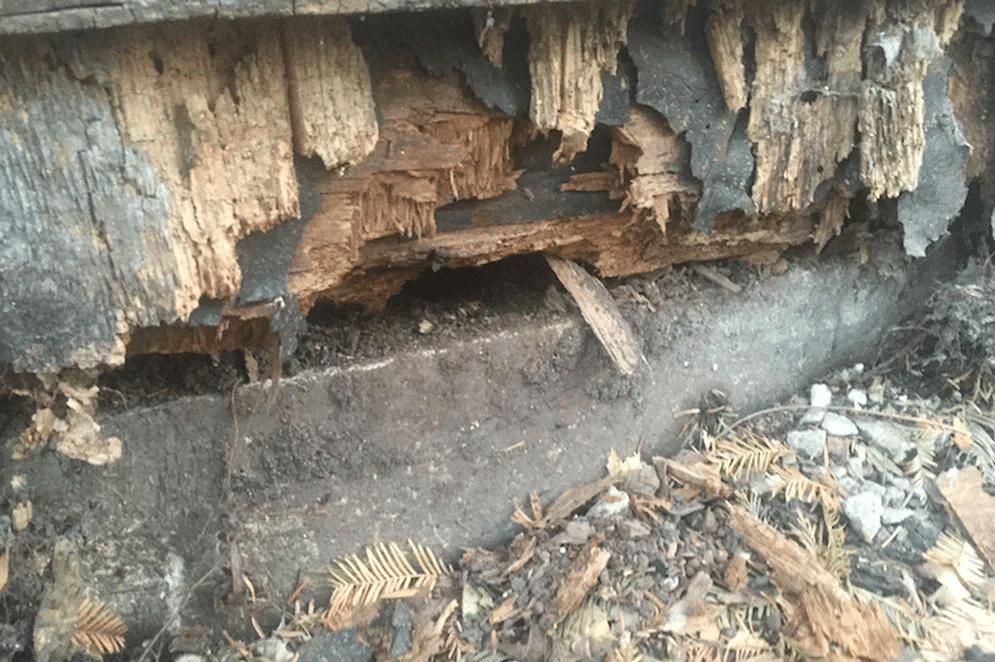
You’ve noticed water creeping in through your basement floor joints and you’re wondering what to do next. It’s a common issue, but it’s not one to overlook. Ignoring it could lead to serious structural damage or even health hazards. It’s crucial to act promptly, but the right action often depends on the source of the water and the extent of the seepage. So, how do you identify the source, what tools do you need, and how do you fix it? And, perhaps most importantly, how can you prevent it from happening again?
Key Takeaways
- Identify the source of water seeping through floor joints, checking for leaks or groundwater infiltration.
- Use a wet vacuum or pump to remove any standing water from the basement floor.
- Apply waterproof sealants or paints to the floor joints to prevent further water seepage.
- Consider installing a sump pump to prevent water buildup in lower basement areas prone to flooding.
- Maintain regular checks for new leaks and ensure that all drainage systems are functioning properly.
Understanding Basement Water Seepage
Basement water seepage is a common problem faced by many homeowners, and understanding it’s crucial to finding a solution. Essentially, it’s the migration of water from the outside of your home to the inside. This issue signifies a major problem, as the continuous presence of basement moisture can lead to serious structural damage or mold growth.
To understand the mechanisms behind seepage, you need to recognize the factors contributing to it. The seepage causes can be numerous, but they usually tie back to two main sources: surface water and groundwater.
Surface water seepage occurs when rainwater or melting snow isn’t adequately directed away from your house, causing it to pool near the foundation and seep in. Groundwater seepage, on the other hand, is usually due to high water tables or soil saturation, which exert pressure on your home’s foundation, promoting water infiltration.
In addition, the construction materials of your basement can also influence seepage. For instance, concrete is porous and can absorb water, leading to seepage over time.
Understanding these fundamental causes aids in developing an effective plan to prevent or mitigate basement water seepage.
Identifying the Source of Infiltration
A significant first step in tackling basement water seepage is identifying the source of infiltration. You can’t effectively address the problem if you don’t know where it’s coming from. Here, we’ll guide you on how to identify water sources and check for potential foundation issues.
- Survey your surroundings. Check for water pooling around your home’s exterior. This could indicate a problem with drainage or grading, directing water towards your foundation.
- Inspect your gutters and downspouts. If they’re clogged or improperly positioned, they could be directing water towards your home instead of away from it.
- Check for foundation issues. Cracks or gaps in your foundation can allow water to seep into your basement.
Armed with the right tools, you can effectively control water damage in your basement. Firstly, you’ll want to have a wet vacuum or pump in your arsenal. These tools are crucial in removing standing water.
For persistent dampness, dehumidifiers and fans are the go-to devices, as they help in drying out the area and maintaining a lower moisture level.
Next, consider investing in drainage solutions. A sump pump, for example, is a valuable tool for preventing water buildup. It’s designed to pump out water that has gathered in a sump basin, commonly found in the lowest part of a basement.
Moisture barriers are also essential. These can be in the form of paints or sealants, applied to the basement walls and floor to prevent moisture from seeping through. They’re designed to keep the area dry and are especially useful in basements with concrete or brick walls.
It’s worth noting that these tools alone may not be enough to combat severe water intrusion. In such cases, it’s advisable to seek the help of professionals.
However, for minor leaks and dampness, these tools should suffice.
Step-by-Step Guide to Fix Seepage
After equipping yourself with the necessary tools to control water damage, it’s time to tackle the core issue – fixing the seepage.
Your basement is a critical part of your home, and water seepage can lead to significant damage if not addressed promptly and effectively.
So, let’s get started on the step-by-step guide to fix this issue.
- Identify the Source: The first step is to find out where the water is coming from. This could be from leaks in the walls, floor joints, or due to high groundwater levels.
- Implement Drainage Solutions: Once you’ve identified the source, it’s time to implement appropriate drainage solutions. This might involve installing a sump pump, fixing cracks, or improving the grading of your yard to direct water away from your home.
- Apply Waterproofing Techniques: Lastly, apply waterproofing techniques to prevent further seepage. This could involve sealing cracks, applying a waterproofing membrane, or installing a drainage system inside the basement.
Preventive Measures to Avoid Future Leaks
Now that you’ve tackled the immediate issue of seepage, it’s crucial to take steps to prevent future leaks. Don’t let your hard work go to waste; instead, invest in preventive measures.
Start by examining your home’s drainage systems. They play a significant role in directing water away from your home’s foundation. Check for potential blockages and ensure that downspouts are properly directing water away from your home. If necessary, consider installing a French drain or a sump pump for extra protection, especially if your home is in a flood-prone area.
Next, consider applying waterproof coatings to your basement floor and walls. These coatings not only seal existing cracks and holes, but they also provide a protective barrier against future water intrusion. They help keep your basement dry, reducing the risk of mold and mildew growth, which can pose serious health hazards.
Lastly, keep an eye on your water bill. An unexpected increase might indicate a leak somewhere in your home. Regular maintenance checks can help you catch problems early.
Frequently Asked Questions
What Is the Average Cost to Repair Water Seepage in a Basement?
The average cost you’d incur to repair water damage in your basement varies greatly depending on the severity and the repair techniques used.
It generally ranges from $500 to $10,000. Minor issues, like small leaks, may cost less to fix while major problems like flooding could be pricier.
It’s crucial you obtain multiple quotes from professionals to ensure you’re getting a fair price for your specific situation.
Can Water Seepage Compromise the Structural Integrity of the House?
Absolutely, water seepage can compromise your home’s structural integrity.
Persistent water damage can weaken the foundation, leading to cracks and instability over time.
It’s not just about a damp basement; it’s about ensuring your home’s overall safety.
Don’t ignore these issues. Get a professional to assess the damage and recommend necessary repairs.
Protecting your house from further water damage is crucial to maintaining its structural soundness.
Is It Dangerous to Live in a House With Water Seeping Into the Basement?
Yes, it can be dangerous to live in a house where water’s seeping into the basement.
Over time, this moisture may encourage mold growth, which can pose serious health risks. Breathing in mold spores can lead to respiratory issues, allergic reactions, and other health problems.
So it’s crucial to address any water leakage promptly to minimize these risks.
Can Home Insurance Cover the Costs of Repairing Water Damage in the Basement?
Absolutely, your home insurance can cover costs of repairing water damage in your basement.
However, it’s essential to know your policy’s limitations. Not all water damages are covered. Generally, sudden and accidental incidents are included, but continuous leaks might be seen as a maintenance issue, which isn’t covered.
You should thoroughly review your policy or consult with your insurance agent to fully understand what’s covered.
How Long Does It Typically Take to Fix a Basement Flooring Seepage Problem?
Fixing a basement flooring seepage issue can vary in time, depending on the severity.
If it’s minor, you might be able to resolve it in a few days. More serious problems requiring basement drainage system installation could take up to a week.
Remember, it’s critical to get a professional’s assessment. They’ll provide a more accurate repair timeline, so you’re not left guessing.
Don’t put off this task to prevent more extensive damage.
Conclusion
In conclusion, when water seeps through your basement floor joints, it’s essential to swiftly identify the source and remove the water. Using tools like wet vacuums, dehumidifiers, and sealants can help manage the damage. Don’t forget to repair cracks and consider installing a sump pump or improving your home’s drainage. Remember, regular monitoring is vital to ensure this issue doesn’t resurface. Be proactive and prevent future leaks to protect your home’s structural integrity.