
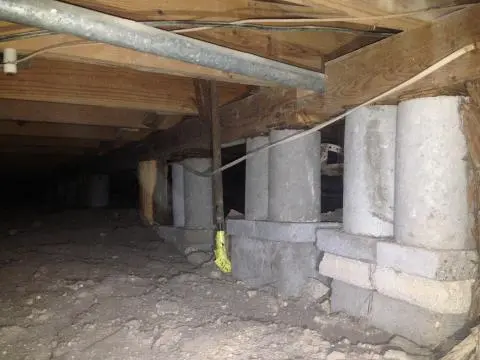
You’ve just discovered standing water in your crawl space. This can seem like a daunting problem, but it’s not insurmountable. Identifying where the water comes from, be it poor drainage or high humidity, can help you begin to tackle this issue. You can use a sump pump for immediate removal and dehumidifiers to control the dampness. But what about those long-term solutions? Waterproofing measures and landscape grading can play a significant role. And yet, there’s more to this than meets the eye. Let’s explore further.
Key Takeaways
- Identify signs of water accumulation such as musty smells, visible water, and dampness in your crawl space.
- Understand causes of moisture, including humidity, inadequate drainage systems, and high water tables or nearby bodies of water.
- Remove standing water using a sump pump and control moisture levels with dehumidifiers.
- Implement long-term solutions like crawl space encapsulation, effective drainage systems, and sealing crawl space entrances to prevent future water accumulation.
- Regularly inspect and maintain your crawl space to ensure the success of installed solutions and prevent recurrence of water issues.
Identifying Signs of Water Accumulation

Start with water detection. If there’s visible water, it’s obvious, but sometimes the signs are more subtle. Dampness, a musty odor, or mold growth can all indicate water accumulation.
Next, consider a humidity assessment. High humidity can lead to condensation, contributing to water pooling. Purchase a hygrometer to measure the humidity level. If it’s above 60%, it’s too high and could be causing your problem.
Now, observe the terrain around your home. If it slopes towards your house, it could be directing water towards your crawl space.
Additionally, check your gutter system. Clogged gutters can overflow, sending water down your walls and into your crawl space.
Understanding the Risks of Standing Water
Having identified potential sources of standing water in your crawl space, it’s equally important to grasp the risks associated with this issue. Not only does standing water create structural problems for your house, but it also brings about health hazards and pest attraction.
Standing water provides the perfect breeding ground for mold and mildew, which can lead to severe health issues. Mold spores can infiltrate your home’s living space, causing allergic reactions, respiratory problems, and even toxic mold syndrome. It’s a silent invader that could seriously compromise your family’s health.
Another equally worrying issue is pest attraction. Pests like mosquitoes, rats, and termites are drawn to damp environments. These pests carry diseases and can cause significant damage to your property.
Mosquitoes, for instance, can spread diseases like West Nile Virus and Zika. Termites, on the other hand, can undermine the structural integrity of your home, leading to costly repairs.
Causes of Crawl Space Moisture
A multitude of factors can lead to excessive moisture in your crawl space. The most common culprits are humidity sources, such as your home’s HVAC system or a poorly ventilated bathroom. These can cause condensation, raising the humidity levels in your crawl space and leading to water accumulation.
Another significant cause is inadequate or faulty drainage systems. If your home’s gutters and downspouts aren’t directing water away from your foundation, it’s likely seeping into your crawl space. Similarly, if the landscape around your home slopes towards your property instead of away, rainwater can pool around your foundation.
Underground water sources can also contribute to the problem. If your home is built over a high water table or near a body of water, moisture can seep up from the ground into your crawl space.
Lastly, plumbing leaks shouldn’t be overlooked. Even minor leaks can lead to significant moisture problems over time.
Understanding these causes is the first step to addressing crawl space moisture. By identifying the source, you’ll be better equipped to find a solution that effectively tackles the problem and prevents future water accumulation.
Removing Standing Water Effectively
Pooling water in your crawl space is more than a mere inconvenience; it’s a serious issue that can lead to mold growth, structural damage, and even health problems for your family.
To address this, it’s crucial to immediately and effectively remove the water. Here’s how:
- Start with water extraction using a sump pump. This powerful tool can quickly drain large amounts of water, effectively lowering the water level in your crawl space.
- Then, it’s time to dry out the area. Dehumidifier installation can help control moisture levels, reducing the chance of mold growth.
- Install a proper drainage system. This ensures any future water accumulation can be directed away from your home.
- Waterproofing techniques like crawl space encapsulation can be applied. This method seals off your crawl space to prevent moisture intrusion.
- Finally, consider soil grading and rainwater management. This can help direct water away from your home, preventing it from pooling in your crawl space to begin with.
Preventive Measures for Future Protection
To ensure that your crawl space remains dry in the future, there are several preventive measures you can take.
First, regular inspection and maintenance can help detect potential issues early.
Second, installing effective moisture barriers and ensuring proper ventilation are crucial steps in preventing the accumulation of standing water.
Regular Inspection and Maintenance
Every homeowner should prioritize regular inspections and maintenance of their crawl spaces to prevent future water accumulation issues.
Crawl space inspections aren’t just about identifying current problems but also uncovering potential issues. Regular maintenance, on the other hand, ensures these issues don’t escalate into bigger, costlier problems.
Here are some steps you can take:
- Regularly inspect your crawl space. Look for signs of water damage, mold growth, or structural issues. Ideally, you should do this at least once a year, or more frequently if you’ve had water issues before.
- Maintain proper drainage. Check your gutters and downspouts regularly to ensure they’re directing water away from your home’s foundation.
- Monitor the humidity level. Crawl spaces tend to be humid, so keep a close watch on the humidity level to prevent condensation and mold growth.
- Seal all crawl space entrances. This helps to prevent water, pests, and dirt from entering.
- Hire professionals for regular maintenance. They’ve the expertise and tools to detect and address issues you might miss.
Effective Moisture Barriers
Shield your crawl space from the damaging effects of moisture with an effective moisture barrier. This preventive measure plays a vital role in moisture control, keeping your home’s foundation dry and your air quality healthy.
Proper barrier installation is a critical step in this process. You’ll want to cover the entire crawl space floor with a high-quality, durable plastic sheeting, ensuring it extends up the walls and is securely fastened. The seams should be overlapped and sealed to create a continuous barrier that prevents moisture from seeping through.
But remember, it’s not just about laying down the barrier. You’ve also got to maintain it. Check regularly for holes or wear and tear, as these can compromise the barrier’s effectiveness. If needed, don’t hesitate to patch or replace sections to maintain optimal moisture control.
In short, an effective moisture barrier is your first line of defense against crawl space moisture. It’s a proactive approach that can save you time, money, and the headache of dealing with water damage down the line.
Proper Ventilation Importance
Having ensured that your crawl space is effectively shielded with a moisture barrier, it’s equally important to focus on another preventive strategy – proper ventilation.
Ventilation systems are crucial in maintaining a healthy crawl space environment. They aid in the air circulation, ensuring no stagnant, moisture-laden air forms a breeding ground for mold and mildew.
The importance of proper ventilation in your crawl space can’t be overstated. It plays an essential role in:
- Maintaining indoor air quality by reducing the buildup of pollutants.
- Preventing wood rot and structural damage caused by high humidity.
- Discouraging pest infestation by eliminating moisture.
- Increasing the lifespan of your crawl space and the overall home.
- Reducing the chances of water pooling or standing water issues.
Investing in a good ventilation system guarantees effective air circulation, which is vital for the health and longevity of your home.
Professional Solutions for Persistent Problems
When you’ve identified persistent water issues in your crawl space, it’s time to consider professional solutions.
Hiring specialist water services can offer expert assistance in implementing effective strategies to resolve these problems.
It’s essential, though, to continually evaluate the effectiveness of these solutions to ensure the issue is truly rectified.
Identifying Persistent Water Issues
Persistent water issues in your crawl space can be a serious concern that needs to be addressed promptly. Standing water can lead to numerous problems such as structural damage, mold growth, and attract pests. Identifying and rectifying persistent water issues is crucial for the health of your house.
To help you identify these persistent issues, consider these key pointers:
- Check for visible pools of water that remain long after any rain or flooding has occurred.
- Inspect for signs of mold or mildew, which indicate prolonged dampness.
- Examine the drainage systems around your home for any blockages or failures.
- Look for signs of water damage on the walls and flooring of the crawl space.
- Assess the effectiveness of your water management strategies, such as gutter systems and downspouts.
If you notice any of these issues persisting, it’s a sure sign of a water problem in your crawl space.
Hiring Professional Water Services
Dealing with persistent water issues in your crawl space can be complex and challenging, necessitating the expertise of professional water services. It’s not just about removing the water; it’s also about addressing the underlying issues causing the water buildup, which can include everything from poor drainage to leaks in your home’s foundation.
Professional water services have the tools, knowledge, and experience to handle these issues effectively. They can assess the extent of the water damage, implement solutions, and monitor their effectiveness over time. While service costs may seem high initially, consider the potential costs of unattended water damage: structural instability, mold growth, and decreased property value.
Here’s a quick comparison to help you understand the benefits:
| Aspect | DIY | Professional Services |
|---|---|---|
| Cost | Low upfront, potentially high long-term | Higher upfront, potentially lower long-term |
| Time | High | Low |
| Result | Possibly incomplete or temporary | Comprehensive and lasting |
Evaluating Implemented Solutions
After implementing professional water solutions, it’s essential to evaluate their effectiveness. This solution evaluation phase allows you to assess the results, determine if the problem of standing water in your crawl space has been resolved, and ensure that your investment is paying off.
To conduct an effectiveness assessment, you should:
- Regularly check your crawl space for signs of standing water.
- Monitor the humidity levels. A significant decrease in humidity is a good sign.
- Inspect the integrity of the installed water solution system.
- Check for signs of mold or mildew. Their absence indicates a successful solution.
- Look for improvements in the overall air quality in your home.
Remember, the results of these professional solutions may not be immediate. Depending on the severity of your standing water issue, it may take some time for the full effects to become apparent.
Also, know that no solution is a one-time fix. Regular checks and maintenance are essential parts of any water solution. If you notice the problem recurring, don’t hesitate to contact your professional service provider.
They can adjust the current solution or suggest a new one to better suit your needs. Keep in mind that your goal is to create a dry, healthy environment under your home.
Frequently Asked Questions
What Is the Average Cost of Crawl Space Water Removal?

It varies, but you’re typically looking at between $1,500 and $15,000.
It’s a wide range, I know, but it really depends on the severity of the problem and the water removal methods used.
Regular crawl space maintenance can help prevent such issues.
So, don’t underestimate the importance of keeping that area dry and well-maintained.
It’s an investment in your home’s health.
Can Standing Water in a Crawl Space Attract Pests?
Absolutely, standing water in your crawl space can attract pests.
It’s a perfect breeding ground for mosquitoes and can lure rodents or insects.
It’s not just about the water, but the damp environment promotes mold growth, further attracting pests.
Therefore, it’s crucial to maintain proper moisture control in your crawl space.
If you’re dealing with standing water, you should address it promptly to prevent potential pest infestations.
How Long Does It Take for Mold to Grow in a Moist Crawl Space?
You’re curious about the mold growth timeline in a moist crawl space.
In ideal conditions, mold can start growing within 24-48 hours. However, it’s not visible to the naked eye until about 18-21 days.
So, it’s crucial to maintain moisture control. Reducing humidity levels and fixing leaks promptly can prevent mold growth.
If you’re already seeing mold, it’s time to call a professional for safe removal and cleanup.
Will Homeowners Insurance Cover Crawl Space Water Damage?
You’ll need to read your homeowners insurance policy carefully.
It might cover water damage in your crawl space if it’s due to a covered peril, like a burst pipe. However, if the damage is from flooding or neglected maintenance, you’re likely out of luck.
Each policy is different, so it’s crucial to understand what yours includes.
It’s always smart to discuss your coverage with your insurance agent to clarify any uncertainties.
Are There Any DIY Solutions for Crawl Space Water Accumulation?
Yes, there are several DIY solutions for water accumulation in your crawl space.
You can install a sump pump to remove excess water or use a dehumidifier to control moisture levels.
Implementing drainage solutions, such as a French drain, can also be effective.
Additionally, laying down a moisture barrier can prevent water from seeping up from the ground.
However, if the problem persists, it’s best to consult a professional for more extensive solutions.
Conclusion
Don’t overlook standing water in your crawl space. Identify the source, from poor drainage to high humidity, and tackle it promptly. Use a sump pump for quick water removal and dehumidifiers for humidity control. Remember to waterproof your space and check landscape grading. Regular inspections and maintenance are key. If issues persist, don’t hesitate to call in professionals. Protect your home’s structural integrity and ensure a dry, healthy environment.

Rob VanSuilichem
Serving Michigan homeowners for over 32 years, Everdry is one of the Nation’s largest and most experienced waterproofer.
Locally owned, operated and staffed, Everdry professionals take a personal one-on-one approach in educating homeowners so they truly understand all their options for creating a safe, dry, healthy and usable space in their basements.
What Sets Us Apart
- Unbeatable quality due to the experience of the owners and staff.
- Unbeatable value due to the efficiency and expertise of more than 32 years of experience.
- Unbeatable value due to the purchasing power of being one of the largest waterproofers in the nation.
- Unbeatable service due to the fact that EverDry is a locally owned and operated company.
Credentials Include:
- Members of the Home Builders Association
- H.U.D. evaluated
- I.C.C. evaluated (Report #94-07)
- Better Business Bureau Accredited with the Eastern and Western Michigan BBB
- Fully Licensed and Insured
The aforementioned memberships are important because we benefit from the constant exchange of information and knowledge. We are updated on everything from installation techniques, to customer service improvements. You benefit in the knowledge that these third party inspection agencies require us to meet stringent requirements to remain members in good standing.
Better Business Bureau
We have been nominated and won the prestigious Better Business Bureau’s Torch Award for Ethics many times, Chosen as a W.Mich.BBB Torch finalist in 2014 & 2015, Won the Torch Award for Ethics in 2016, Won the Eastern Michigan BBB Torch Award in 2019 and was also chosen as a Western Michigan BBB Torch finalist in 2019. Won the Eastern Michigan BBB Torch Award in 2023 and Finalist for the Western Michigan BBB Torch Award in 2020 & 2021!
Mission Statement
To create raving fans of our customers and employees through frequent contact, constant training, a commitment to excellence and unlimited opportunity.