
Ever wondered if that pesky basement moisture could be a thing of the past? Well, with the right knowledge and techniques, you can indeed transform your moisture-ridden basement into a dry, cozy sanctuary. We’ll discuss the common sources of water intrusion and their fixes, from DIY methods to professional solutions. The question remains, though: are you ready to discover how you can protect your basement from future water damage and mold threats, adding value and comfort to your home?
Key Takeaways
- Identify and tackle moisture sources, ranging from indoor humidity to external water seepage, for a dry basement.
- Opt for professional basement waterproofing to prevent structural damage, mold growth, and potential property value decrease.
- Use appropriate waterproofing techniques and materials, either DIY or professional solutions, based on specific moisture levels and soil type.
- Regular inspections, system maintenance, dehumidification, and soil management are key to maintaining a waterproofed basement.
- Real-life success stories demonstrate effective waterproofing solutions like internal drainage, mold remediation, and crack repair.
Understanding Basement Moisture
In tackling basement waterproofing, it’s vital to first understand the nature of basement moisture. Moisture in your basement can originate from two primary sources: indoors and outdoors. Indoor sources include humidity released by showers, cooking, and even breathing.
Outdoor sources, on the other hand, consist of rainwater or groundwater that seeps into your basement through cracks, joints, or porous material.
You’ve likely noticed condensation on your basement windows, a clear indicator of high indoor humidity. This condensation can lead to damp basement conditions if not addressed swiftly and correctly.
On the other hand, if you notice water trickling down your basement walls or pooling on the floor, it’s typically a sign of water seeping in from outside.
Understanding the source of the moisture is the first step in solving your basement’s dampness problem. It’s important to remember that not all damp basements are due to external factors.
Often, reducing indoor humidity is enough to keep your basement dry. However, if the moisture is coming from outside, more extensive waterproofing measures may be necessary.
With this understanding, you’re now better equipped to keep your basement dry and healthy.
The Importance of Basement Waterproofing
Having established a solid understanding of basement moisture sources, it’s now time to explore why waterproofing your basement is so important. You might think that a little water in your basement isn’t a big deal, but it’s more than just an annoyance. It’s a threat to the safety, value, and comfort of your home.
| Potential Issue | Emotional Impact | Financial Impact |
|---|---|---|
| Structural Damage | Fear for safety | High repair costs |
| Mold Growth | Health concerns | Expensive remediation |
| Lowered Property Value | Stress about investment | Loss at sale |
Unchecked water can cause significant structural damage. Moisture seepage can weaken your foundation, causing cracks and instability. This not only frightens you about your family’s safety, but also leads to expensive repairs.
Mold and mildew, born from persistent dampness, can trigger allergies and other health problems, making your home uncomfortable. The cost of mold remediation can be staggering.
Lastly, a wet basement reduces your property’s value. It’s a red flag for potential buyers, leading to stress about your investment and potential loss at sale.
Waterproofing your basement isn’t just about preventing water ingress. It’s about protecting your home, your health, and your investment. So, don’t underestimate its importance.
Identifying Common Water Problems
Before diving into the solutions, it’s crucial to identify the common water problems your basement might be facing.
Let’s begin with the most prevalent issue: leaks. You’ll often notice damp spots on the walls, floor or ceiling. These are signs of potential cracks through which water is seeping.
Secondly, there’s condensation, also known as “sweating”. This happens when warm, moist air comes in contact with your basement’s cooler surfaces, resulting in water droplets. Look out for a damp, musty smell or rust on metal surfaces as these are common indicators of condensation.
Another common problem is groundwater swelling. If your property’s built on a high water table or poor draining soil, water may seep into your basement especially during heavy rains. The signs for this are similar to leaks, so it’s crucial to know your property and its environment to differentiate.
Lastly, we’ve runoff. If the ground around your home slopes towards it, or your gutters and downspouts aren’t properly channelized, rainwater can flow towards and into your basement. You’ll notice this problem immediately after a heavy rainstorm, with water pooling near the foundation.
With these common water problems identified, it’s time to move on to solutions.
DIY Waterproofing Techniques
Now, let’s move on to the practical part – DIY Waterproofing Techniques.
You’ll need to understand how to select appropriate waterproofing materials, navigate the basement sealing process, and maintain your newly waterproofed basement to guarantee longevity.
We’ll guide you through each of these critical steps, providing expert advice to make your DIY waterproofing project a success.
Choosing Waterproofing Materials
Selecting the right waterproofing materials is a crucial step in your DIY basement waterproofing project. You must choose materials that can withstand the specific conditions in your basement. Consider factors like the existing moisture level, the type of soil surrounding your basement, and the local climate.
There’s a wide variety of waterproofing products available in the market. Concrete sealers, for instance, work great for sealing minor cracks and preventing further moisture penetration. If you’re dealing with more significant issues, waterproofing membranes or coatings might be a better option. They form a barrier against water and can be applied to both the interior and exterior walls.
Also, don’t forget about waterproof paints. They’re easy to apply and can help to prevent mildew and mold. However, keep in mind they’re not as durable as other options, so you might need to reapply them over time.
Lastly, consider installing a drainage system if your basement is prone to flooding. While this is a more expensive option, it can be a worthy investment to protect your property from water damage in the long run.
Making the right choices now can save you from headaches later.
Basement Sealing Process
Diving right into the basement sealing process, you’ll first need to prepare the surface for waterproofing. Confirm that the basement is clean and dry. Remove any loose or flaking paint, and patch any cracks or holes.
Once your surface is prepared, it’s time to choose and apply your waterproofing product. Here’s a quick guide on how to apply three common types of waterproofing products:
| Product | Application | Drying Time |
|---|---|---|
| Concrete Sealers | Apply using a roller or sprayer, covering the entire surface evenly. | 24 hours |
| Silicate-based Sealers | Spray or brush onto the surface, then smooth out with a trowel. | 12-24 hours |
| Acrylic Paint | Paint onto the surface using a roller or brush. | 2-4 hours |
Remember, you’ll need to apply at least two coats of your chosen product, allowing sufficient drying time between each coat.
After the final coat is dry, check the surface for any missed spots and reapply if necessary. Finally, give your basement a thorough inspection to confirm the waterproofing is complete. It’s hard work, but your dry, cozy basement will be worth it!
Maintaining Waterproofed Basements
After successfully waterproofing your basement, it’s vital to maintain it to guarantee its longevity. Regular maintenance guarantees the waterproofing system’s efficiency, preventing potential water damage in the future.
Start with a routine check of the basement’s interior and exterior. Look out for signs of moisture or water leaks. Check the walls for cracks as they could indicate a compromised waterproofing system. If you notice any irregularities, it’s important to address them immediately.
Maintain the drainage system. Verify gutters and downspouts are clean and free of debris. They should direct water away from your home’s foundation.
Regularly inspect your sump pump, too. Make sure it’s functioning correctly and has a battery backup in case of power outages.
Dehumidify the basement regularly, especially during humid months. Maintaining an ideal humidity level prevents condensation, inhibiting mold growth and keeping your basement dry.
Lastly, monitor the soil around your home. It should slope away from your foundation, promoting proper water runoff.
Professional Waterproofing Solutions
When it comes to safeguarding your basement against water damage, considering professional waterproofing solutions can be a game changer.
These services provide expert knowledge and specialized techniques that you often can’t replicate through DIY methods.
Professional waterproofers use a variety of solutions, depending on the source and extent of your basement water issues. They conduct thorough inspections to identify the root cause of the problem, ensuring that they choose the best solution for your specific situation.
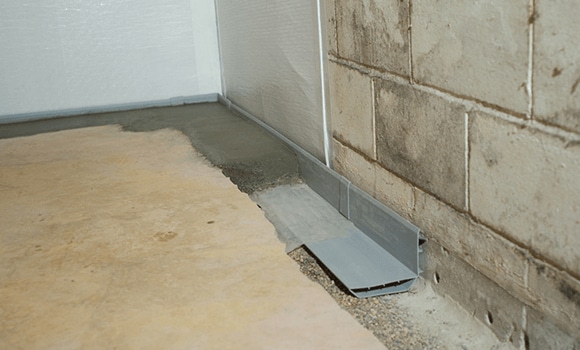
Solutions can include interior water drainage systems, exterior waterproofing, and even foundation repairs.
Additionally, professionals have access to advanced equipment and materials that aren’t readily available to the general public. This allows them to execute complex tasks with precision, ensuring a higher level of waterproofing compared to DIY efforts.
Hiring a professional waterproofing service also saves you time and effort. They’ll take care of all the hard work, allowing you to focus on other areas of your home.
Plus, many companies offer guarantees for their work, giving you peace of mind about the future of your basement.
Choosing the Right Waterproofing Materials
While professional services offer extensive waterproofing solutions, the materials you choose for this task greatly contribute to the effectiveness and longevity of the waterproofing job.
It’s essential that you select materials that’ll not only withstand the pressure exerted by the water but also remain resilient over time.
The first material you’ll likely encounter is cementitious waterproofing. It’s easy to apply, and because it’s a rigid type of waterproofing, it’s excellent for indoor basement areas.
If you’re dealing with areas that are exposed to sunlight or weather changes, you might want to take into account an elastomeric membrane. It’s a rubber-based material that offers excellent flexibility and durability.
Bituminous coatings, often referred to as asphalt coatings, are excellent for areas that aren’t exposed to sunlight. They can provide a protective and waterproof layer, but they can become brittle when exposed to UV rays.
Lastly, remember that no material will be effective if it’s not applied correctly.
Be sure to follow the manufacturer’s instructions closely, and don’t hesitate to seek professional help if you’re not confident in doing it yourself. Your basement’s dryness depends on it!
Preventive Measures for Future Leaks
Taking preemptive action against potential future leaks is a key aspect of basement waterproofing. It’s not just about fixing what’s already wrong, but anticipating and preventing what might go wrong in the future.
The first step is to identify potential problem areas. Check for cracks in the foundation walls and floor, as these can allow water to seep in.
You’ll also want to inspect your gutters and downspouts. Make sure they’re in good condition and directing water away from your home’s foundation.
Next, consider investing in a sump pump. This device can remove excess water from your basement and prevent it from building up. If you live in an area prone to heavy rainfall or flooding, this can be a lifesaver.
Lastly, don’t overlook the importance of proper insulation. This not only helps keep your basement warm in the winter and cool in the summer, but it can also prevent condensation, which can lead to moisture problems.
Maintaining Your Dry Basement
Once you’ve taken the necessary steps to waterproof your basement and prevent future leaks, it’s time to focus on maintaining this dry and safe environment.
Regular maintenance is vital to guarantee the longevity of your waterproofing solutions and to keep your basement in peak condition.
Firstly, it’s important to frequently inspect your basement for signs of moisture or damage.
Look for cracks in the walls or floor, peeling paint, and damp spots. If you notice any of these signs, it’s time to take immediate action. In such instances, you might need to reseal certain areas or fix any structural issues.
Secondly, consistently checking and cleaning your gutters and downspouts is a must.
They play a significant role in directing water away from your home’s foundation, and any blockages can lead to water accumulation.
Lastly, keep an eye on your sump pump if you have one.
Confirm it’s in good working order, especially during heavy rainfalls. Test it occasionally by pouring a bucket of water into the sump pit.
Real-life Waterproofing Success Stories
Everyone loves a success story, and when it comes to basement waterproofing, there are plenty to share.
These tales of triumph can help you visualize the potential of your own basement and inspire you to take the necessary steps for waterproofing.
Let’s explore four such stories:
- The Persistent Dampness: Sarah had a basement that was constantly damp. She opted for internal drainage systems and a high-quality sump pump.
Today, her basement is a dry, cozy family room.
- The Flooding Nightmare: John’s basement used to flood every rainy season. He invested in exterior waterproofing and a backup battery sump pump.
He hasn’t seen a droplet since.
- The Mold Haven: Lisa battled mold in her basement for years. After installing a dehumidifier and treating the walls with waterproof paint,
she now enjoys a mold-free basement.
- The Crack Issue: Tom’s basement had cracks that let water in. He used crack injections and waterproof sealants.
His basement has been dry for two years now.
These success stories show that with the right approach, you too can transform your damp basement into a dry sanctuary.
Frequently Asked Questions
What Is the Estimated Cost for a Professional Basement Waterproofing Service?
You’re looking at costs ranging from $3,000 to $10,000 for professional basement waterproofing. It all depends on your basement’s size and the specific waterproofing methods you’ll need. Always get multiple quotes before making a decision.
How Long Does a Typical Basement Waterproofing Process Take?
The duration of basement waterproofing varies. Typically, it takes 1-3 days if you’re dealing with minor issues. However, for more extensive problems, it could stretch up to a week. It’s all dependent on your situation.
Are There Specific Waterproofing Options for Basements With Finished Interiors?
Yes, there are. You’re not left high and dry with a finished basement. Interior sealants, water-resistant paint, and interior water drainage are viable options that won’t disturb your basement’s aesthetic. Each method has its benefits.
Does Homeowners Insurance Typically Cover Basement Water Damage or Waterproofing Services?
Typically, homeowners insurance doesn’t cover basement water damage or waterproofing services. It’s essential you review your policy thoroughly. Additional coverage might be needed if you’re in a high-risk flood area.
Is There a Recommended Time of Year to Carry Out Basement Waterproofing?
You’re best off waterproofing your basement in drier seasons like late spring or early summer. It’s harder to identify leaks during wet seasons, and dry conditions make the waterproofing process more effective and reliable.
Conclusion
By being vigilant, you can vanquish the vexing issues of basement moisture. With the right waterproofing wisdom, you can transform your murky, moldy basement into a dry, dependable sanctuary. By balancing both DIY dedication and professional prowess, persistent problems can be prevented. Remember, regular reviews and repairs result in a robust, reliable refuge. So, start today and say goodbye to soggy, slippery spaces. Welcome a warm, waterproof haven in your home.

Rob VanSuilichem
Serving Michigan homeowners for over 32 years, Everdry is one of the Nation’s largest and most experienced waterproofer.
Locally owned, operated and staffed, Everdry professionals take a personal one-on-one approach in educating homeowners so they truly understand all their options for creating a safe, dry, healthy and usable space in their basements.
What Sets Us Apart
- Unbeatable quality due to the experience of the owners and staff.
- Unbeatable value due to the efficiency and expertise of more than 32 years of experience.
- Unbeatable value due to the purchasing power of being one of the largest waterproofers in the nation.
- Unbeatable service due to the fact that EverDry is a locally owned and operated company.
Credentials Include:
- Members of the Home Builders Association
- H.U.D. evaluated
- I.C.C. evaluated (Report #94-07)
- Better Business Bureau Accredited with the Eastern and Western Michigan BBB
- Fully Licensed and Insured
The aforementioned memberships are important because we benefit from the constant exchange of information and knowledge. We are updated on everything from installation techniques, to customer service improvements. You benefit in the knowledge that these third party inspection agencies require us to meet stringent requirements to remain members in good standing.
Better Business Bureau
We have been nominated and won the prestigious Better Business Bureau’s Torch Award for Ethics many times, Chosen as a W.Mich.BBB Torch finalist in 2014 & 2015, Won the Torch Award for Ethics in 2016, Won the Eastern Michigan BBB Torch Award in 2019 and was also chosen as a Western Michigan BBB Torch finalist in 2019. Won the Eastern Michigan BBB Torch Award in 2023 and Finalist for the Western Michigan BBB Torch Award in 2020 & 2021!
Mission Statement
To create raving fans of our customers and employees through frequent contact, constant training, a commitment to excellence and unlimited opportunity.