
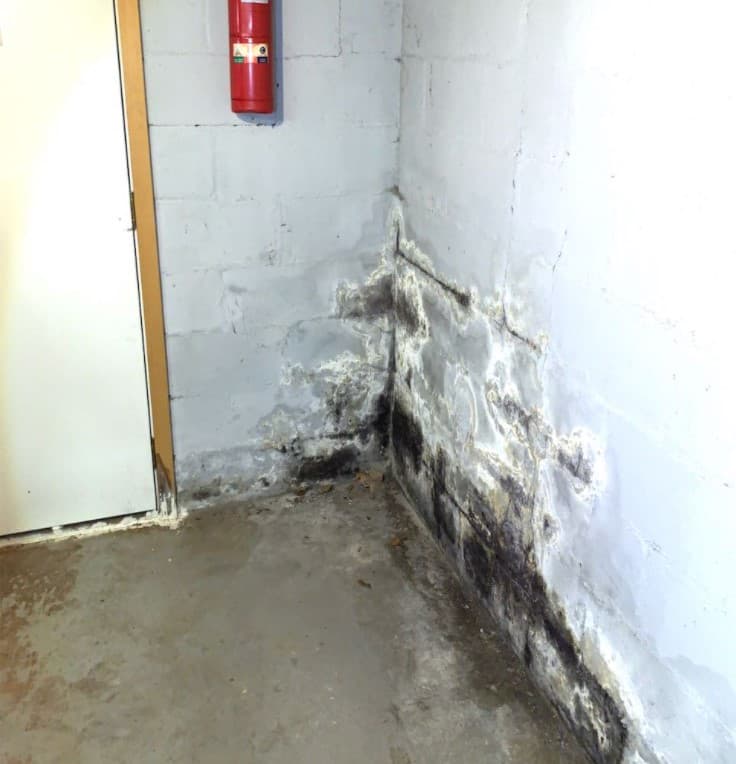
Ever thought about waterproofing your basement? It’s an essential step in maintaining the integrity of your home. You’ll start by assessing the condition, looking for signs of moisture or cracks. Then, you’ll clear and prepare the area, apply waterproofing materials, set up drainage systems, and perform regular checks to ensure everything’s holding up. Sounds straightforward, right? But there’s more to it than meets the eye. Stick around, and you’ll uncover the intricacies of basement waterproofing and why it’s not just about keeping the damp out.
Key Takeaways
- Begin with a thorough assessment of your basement’s conditions, checking for damp spots, cracks, and structural damage.
- Use essential tools and materials like gloves, shovels, waterproofing paint, and sealants to prepare for the waterproofing process.
- Apply waterproofing techniques such as interior sealing, crack injections, and the installation of dehumidification systems and sump pumps.
- Conduct an external inspection of your home, manage your landscape to divert water away, and install effective drainage systems.
- Manage humidity levels with dehumidifiers, regularly monitor your basement for any signs of damage, and avoid common waterproofing mistakes.
Understanding Basement Waterproofing
Knowing the ins and outs of basement waterproofing is the first step towards protecting your home from potential water damage.
It’s essential to debunk basement myths that may lead you astray and understand the true benefits of waterproofing.
Contrary to popular belief, not all basements are destined to be damp. This is one of the most pervasive basement myths. With the right waterproofing measures, your basement can stay as dry as the rest of your house.
Another myth is that waterproofing is unnecessary if your basement has never flooded. However, just because it hasn’t happened yet, doesn’t mean it won’t.
Taking the time to waterproof your basement has several benefits. Firstly, it safeguards your property against water damage, which can be costly to repair.
Waterproofing also prevents the growth of mold and mildew, which can wreak havoc on your health. Moreover, a dry, well-kept basement can significantly increase your property’s value.
The Importance of a Dry Basement
Before you dismiss the idea of a dry basement as an unimportant luxury, it’s crucial to realize the wider implications. A dry basement is not just about comfort; it’s about mold prevention, foundation stability, and your health too.
| Benefits | Implications | Keyword |
|---|---|---|
| Health | Reduced health risks are associated with improved air quality and mold prevention. | Health risks, Mold prevention, Air quality |
| Property | A dry basement enhances property value through moisture management and foundation stability. | Property value, Moisture management, Foundation stability |
| Energy | The insulation benefits of a dry basement contribute to energy efficiency. | Insulation benefits, Energy efficiency |
Your home’s foundation stability can be compromised by persistent dampness. Moisture management is crucial to maintain the structural integrity of your house. Further, the presence of mold, a byproduct of dampness, can pose serious health risks. A dry basement offers improved air quality and aids in mold prevention.
In terms of property value, a dry basement is a significant asset. It demonstrates proper care and maintenance of the property to potential buyers. Additionally, a dry basement has insulation benefits, contributing to your home’s overall energy efficiency. It’s not just about having a dry basement, it’s about the overall health and value of your home.
Necessary Tools and Materials
While it might seem overwhelming at first, gathering the necessary tools and materials for basement waterproofing is the first step towards a healthier and more stable home.
It’s not as complicated as you might think, though, and you’ll be well on your way once you’ve gathered all the essential tools and waterproofing materials.
Firstly, you’ll need a solid pair of gloves to protect your hands during the process. A sturdy shovel will also be necessary for digging trenches around the perimeter of your basement if needed.
You may also need a hammer and nails, as well as a measuring tape to ensure proper placement of materials.
Now, let’s talk about waterproofing materials. Waterproofing paint is a simple and cost-effective option that you can apply directly to your basement walls.
Additionally, consider using a waterproofing membrane. This is a roll-on material that adheres to your walls, providing a water-resistant barrier.
Lastly, don’t forget about sealants. These are crucial for sealing any cracks or crevices that could allow water to seep into your basement.
With these tools and materials, you’re ready to start the process of waterproofing your basement, ensuring a dry and safe environment for your home.
Assessing the Basement’s Condition
Now that you’re armed with the right tools, it’s time to turn your attention to the state of your basement.
Your first task involves identifying any existing problems, such as dampness, mold, or structural damage.
Once you’ve pinpointed these issues, you can begin to understand the extent of waterproofing required to protect your basement effectively.
Identifying Basement Issues
Upon stepping into your basement, it’s crucial to perform a thorough examination to identify any potential issues. Start with crack detection. Inspect the walls and floors carefully for any signs of cracking, as these might indicate foundation damage.
Pay close attention to wall seepage. Even the smallest trickle of moisture can lead to significant problems over time.
Next, identify moisture sources. Look for signs of water pooling or damp spots, which might be due to inadequate soil grading or faulty drainage systems. Remember, moisture can also come from inside the house, so check your sump pumps, vapor barriers, and other internal sources.
Examine your basement walls for signs of seepage. Persistent dampness on the walls often suggests that water is penetrating from outside. This could be due to inadequate drainage systems or problems with the soil grading around your home.
Keep an eye out for seasonal changes. Basements often have different issues during different seasons. For example, you might notice more moisture during the rainy season.
Exploring Waterproofing Necessities
After identifying potential issues in your basement, it’s crucial to assess its overall condition to determine the necessity of waterproofing.
Start by examining walls and floors for signs of moisture. Damp patches, mold growth, or a musty smell are indicators that your basement may need waterproofing. This process, though initially daunting, boasts significant waterproofing benefits that you’ll appreciate in the long run.
Applying moisture barriers is a typical method used in basement waterproofing.
These barriers, made from plastic or foil sheet, are installed on the walls and floors to prevent moisture from seeping into your basement. They provide an added layer of protection that helps maintain your home’s structural integrity and allows you to use your basement to its full potential.
External Waterproofing Procedures
Starting with a thorough inspection of your home’s exterior walls is the first step in external waterproofing procedures. This assessment helps in detecting any cracks or leaks that could be potential water entry points.
Next, it’s crucial to manage the landscape around your house. Proper soil grading is necessary to redirect water away from your home.
Drainage systems are integral parts of any waterproofing strategy. These systems, including sump pumps, can help to effectively remove water that accumulates around your home’s foundation.
Understanding and applying excavation techniques is necessary for implementing waterproof measures. It allows for the installation of waterproof membranes and stone barriers along your foundation, which act as physical barriers against water ingress.
Lastly, foundation sealing, typically done with waterproof membranes, helps to prevent any water seepage into your basement.
To sum up, here are the five steps in external waterproofing procedures:
- Inspecting your home’s exterior walls
- Managing the landscape and soil grading
- Installing suitable drainage systems and sump pumps
- Applying proper excavation techniques for foundation protection
- Sealing the foundation with waterproof membranes
Internal Waterproofing Techniques
While external waterproofing procedures focus on keeping water away from your home’s foundation, internal waterproofing techniques take over when water manages to infiltrate. These methods include interior sealing, use of wall membranes, and crack injections.
Interior sealing and vapor barriers are vital in creating water barriers to prevent moisture from seeping into your basement. Wall membranes and interior gutters work together to direct water towards floor drains, providing efficient drainage solutions.
Resolving cracks is necessary too. Crack injections ensure that any existing faults in your basement walls don’t become entry points for water.
However, even with these measures, moisture can still find its way in. That’s where dehumidification systems and sump pumps come in. Sump pumps remove collected water, while dehumidification systems control the moisture levels.
For a clearer understanding, consider the table below:
| Technique | Function |
|---|---|
| Interior Sealing | Creates water and vapor barriers |
| Wall Membranes and Interior Gutters | Directs water to floor drains |
| Crack Injections | Seals wall faults |
| Dehumidification Systems | Controls moisture levels |
| Sump Pumps | Removes collected water |
Tips for Effective Drainage
Ensuring effective drainage is a critical component of basement waterproofing. Good drainage systems are crucial to prevent water accumulation, which can lead to severe damage. Your focus should be on developing solid drainage solutions that include gutter maintenance, the use of a sump pump, landscaping grading, and downspout extensions.
Let’s delve into these aspects for a better understanding:
- Gutter Maintenance: Regularly clean and inspect your gutters. This will prevent overflow and direct water away from your foundation.
- Sump Pump: Installing a sump pump in your basement ensures that any water that does enter is promptly pumped out.
- Landscaping Grading: Proper soil grading directs water away from your home. Make sure the ground slopes away from your foundation.
- Downspout Extensions: These direct rainwater away from your foundation, reducing the chances of seepage.
- Water Barriers: Install these on your basement walls to stop water infiltration.
Maintaining Your Waterproofed Basement
Now that you’ve waterproofed your basement, it’s crucial to keep it in top shape.
Regular inspections become your first line of defense, alerting you to potential issues before they escalate.
It’s also important to manage humidity levels and take measures to prevent mold growth, ensuring your basement remains dry and safe.
Regular Basement Inspections
You might think that once your basement is waterproofed, you can simply forget about it. However, regular inspections are crucial to maintaining the integrity of your waterproofing efforts. Scheduling inspections annually or semi-annually should be a priority.
Prepare an inspection checklist to ensure all potential issues are addressed. You’re not just looking for obvious leaks, but also signs of moisture, cracks, and mold. Professional evaluations can provide a more thorough assessment, helping you keep your basement in the best condition possible.
To ensure you never miss an inspection, set up maintenance reminders in your calendar. This way, you’re always ahead of any potential issues that might compromise your basement’s waterproofing.
Here’s a quick checklist to get you started:
- Check for signs of moisture or condensation
- Look for any cracks in the walls or floor
- Inspect for any signs of mold or mildew
- Ensure the sump pump is working efficiently
- Check the exterior grading for proper drainage
Managing Humidity Levels
Combatting high humidity levels plays a pivotal role in maintaining your waterproofed basement.
It’s a critical aspect that you can’t afford to overlook. Humidity control is so much more than just keeping the environment comfortable; it’s about protecting your investment.
You must establish a solid strategy for moisture control.
Begin by investing in a high-quality dehumidifier. This device will help maintain optimal humidity levels, ensuring that moisture doesn’t accumulate in your basement. Remember, a dry basement is a healthy basement.
Next, consider installing moisture barriers.
These barriers, typically made of plastic or foil sheeting, are designed to prevent moisture from seeping into your basement. They’re installed on the walls and floors, creating a seal that keeps out unwanted moisture. It’s a powerful method of defense against humidity.
But these are just the basics.
Effective humidity management is an ongoing process. It involves regular monitoring of humidity levels, adjusting your dehumidifier as necessary, and checking your moisture barriers for any potential damage.
It’s not a one-and-done deal; it’s a commitment to the long-term health of your basement. Be vigilant, be proactive, and you’ll keep your basement dry and safe.
Preventing Mold Growth
After diligently managing humidity levels, the next step in maintaining your waterproofed basement is preventing mold growth.
Mold prevention is crucial, as it can wreak havoc on your basement’s structure and your health. Enhancing air circulation is a key factor in this process.
Here’s a methodical approach to keep mold at bay:
- Ensure proper ventilation: Install exhaust fans or use dehumidifiers to enhance air circulation. This will keep your basement dry and less enticing for mold.
- Regularly inspect for leaks: Leaks can lead to damp spots, which are perfect for mold growth. Regular inspection minimizes this risk.
- Use mold-resistant products: If renovating, opt for mold-resistant drywall or paint. They’re designed to prevent mold growth.
- Keep belongings dry: Don’t store damp items in your basement. They can promote mold growth.
- Clean regularly: A tidy basement is less likely to have mold. Regular cleaning helps identify any early signs of mold.
Common Waterproofing Mistakes to Avoid
When it comes to basement waterproofing, many homeowners unknowingly make mistakes that can lead to long-term damage and costly repairs. It’s important to debunk waterproofing myths and clear up common misconceptions.
Improper sealing is a typical blunder. You might think that merely applying a waterproof paint or primer is sufficient, but this is a short-term solution. It doesn’t address the root cause of the water intrusion.
Neglecting drainage is another error. You can’t overlook the need for a proper drainage system, which effectively diverts water away from your home’s foundation.
Choosing materials without researching can lead to disaster. Not all waterproofing materials are created equal, and using the wrong one can result in ineffective waterproofing.
Overlooking ventilation can cause moisture buildup and lead to mold growth. Don’t fall into DIY pitfalls by ignoring such vital aspects.
Ignoring signs of a damp or leaky basement doesn’t make the problem disappear. It’s crucial to take action immediately to prevent further damage.
| Common Mistakes | Solutions |
|---|---|
| Improper Sealing | Use professional-grade sealants |
| Neglecting Drainage | Install a proper drainage system |
| Choosing Wrong Materials | Research and choose appropriate materials |
| Overlooking Ventilation | Ensure adequate ventilation |
Hiring Professionals Vs DIY Waterproofing
Having noted the common mistakes in basement waterproofing, you may find yourself weighing the benefits of hiring a professional versus doing it yourself. The decision largely depends on several factors including cost comparison, experience levels, project timelines, warranty options, safety concerns, long term benefits, local regulations, and material choices.
Here’s a closer look at these factors:
- Cost Comparison: Hiring professionals may seem expensive upfront, but it offers long term benefits. DIY might seem cheaper, but it can be costlier if you make mistakes.
- Experience Levels: Professionals have the expertise and knowledge to tackle complex issues. DIY is only advisable if you have considerable experience.
- Project Timelines: Professionals can complete the job within a set timeline. DIY projects may take longer due to unfamiliarity with the process.
- Warranty Options: Professionals often provide warranties for their work. With DIY, you’re solely responsible for any issues that arise after the job.
- Safety Concerns & Local Regulations: Professionals understand safety procedures and local regulations. DIY projects might overlook these vital aspects.
Frequently Asked Questions
What Is the Average Cost of Basement Waterproofing?
It’s tough to pinpoint an average cost for basement waterproofing without considering cost factors such as the size of your basement and the waterproofing methods used.
Estimates can range from $500 to $10,000. Typically, minor repairs may cost a few hundred, while extensive waterproofing involving excavations could run into thousands.
It’s best to get multiple quotes to understand the potential expense in your specific situation.
How Long Does the Waterproofing Process Typically Take?
The length of the waterproofing process depends on your basement’s condition, the waterproofing materials used, and the installation techniques applied.
Typically, it could take anywhere from a few days to a week. If you’re using more advanced materials or complicated techniques, it may take longer.
Always account for time spent on prep work, material application, and drying.
Are There Any Potential Health Risks Associated With Basement Waterproofing?
Yes, there can be potential health risks associated with basement waterproofing.
If not done properly, it could lead to mold growth, which can affect your home’s air quality. You might experience allergies, asthma attacks, and other respiratory issues.
It’s crucial to hire professionals who’ll ensure proper ventilation during the process, use safe materials, and effectively prevent future mold growth for a healthier environment.
Does Homeowners Insurance Typically Cover Basement Waterproofing?
Typically, homeowners insurance doesn’t cover basement waterproofing. It’s considered a home maintenance issue, not a sudden or accidental loss.
Insurance policies usually cover unexpected damage, not preventative measures. However, if water damage occurs due to a covered peril and exceeds your coverage limits, then your policy might help with repair costs.
Always check your policy details to understand what’s covered and what’s not. It’s your responsibility to keep your home properly maintained.
What Are the Signs That My Basement Needs Re-Waterproofing?
You’ll know your basement needs re-waterproofing if you spot certain signs. If moisture detection reveals dampness or you find visible water stains, it’s a clear hint.
During a foundation inspection, look for cracks or efflorescence, a white chalky substance on walls. Pervasive musty odors and mold growth are also indicators.
It’s crucial to address these issues quickly to prevent structural damage and maintain a healthy living environment.
Conclusion
In conclusion, basement waterproofing isn’t a task to take lightly. Use the right tools, apply proper waterproofing materials, and ensure effective drainage. Remember, it’s not just about fixing current issues but preventing future ones. Regular checks and maintenance are crucial. Avoid common mistakes and consider hiring professionals if the task seems daunting. A dry basement isn’t just a luxury, it’s a necessity for the health and safety of your home.

Rob VanSuilichem
Serving Michigan homeowners for over 32 years, Everdry is one of the Nation’s largest and most experienced waterproofer.
Locally owned, operated and staffed, Everdry professionals take a personal one-on-one approach in educating homeowners so they truly understand all their options for creating a safe, dry, healthy and usable space in their basements.
What Sets Us Apart
- Unbeatable quality due to the experience of the owners and staff.
- Unbeatable value due to the efficiency and expertise of more than 32 years of experience.
- Unbeatable value due to the purchasing power of being one of the largest waterproofers in the nation.
- Unbeatable service due to the fact that EverDry is a locally owned and operated company.
Credentials Include:
- Members of the Home Builders Association
- H.U.D. evaluated
- I.C.C. evaluated (Report #94-07)
- Better Business Bureau Accredited with the Eastern and Western Michigan BBB
- Fully Licensed and Insured
The aforementioned memberships are important because we benefit from the constant exchange of information and knowledge. We are updated on everything from installation techniques, to customer service improvements. You benefit in the knowledge that these third party inspection agencies require us to meet stringent requirements to remain members in good standing.
Better Business Bureau
We have been nominated and won the prestigious Better Business Bureau’s Torch Award for Ethics many times, Chosen as a W.Mich.BBB Torch finalist in 2014 & 2015, Won the Torch Award for Ethics in 2016, Won the Eastern Michigan BBB Torch Award in 2019 and was also chosen as a Western Michigan BBB Torch finalist in 2019. Won the Eastern Michigan BBB Torch Award in 2023 and Finalist for the Western Michigan BBB Torch Award in 2020 & 2021!
Mission Statement
To create raving fans of our customers and employees through frequent contact, constant training, a commitment to excellence and unlimited opportunity.