
When you’re considering improvements to your home, have you ever thought about basement waterproofing? Beyond preventing potential water damage, it’s a strategic move that could greatly up the ante come appraisal time. Waterproofing not only indicates a well-kept, structurally sound property, but it can also open the door to additional living spaces, which are a big hit with today’s buyers. But how much of an impact does it really have on your home’s value? You might be surprised. Stick around as we unpack this intriguing aspect of home ownership.
Key Takeaways
- Basement waterproofing significantly enhances property value by ensuring structural integrity and preventing potential water damage issues.
- A dry and structurally sound basement, achieved through waterproofing, is prioritized by appraisers, positively influencing home appraisal outcomes.
- Waterproofed basements increase the marketability of the property, signaling to potential buyers a well-maintained property, thus improving buyer perceptions.
- The cost-benefit analysis of waterproofing demonstrates that initial expenses are outweighed by long-term savings from increased home value and reduced repair costs.
- Converting a waterproofed basement into a functional living area increases the overall livable square footage, further enhancing the property’s appraisal value.
Understanding Basement Waterproofing
Basement waterproofing might seem like a complex topic, but it’s simpler than you think. At its core, it’s about managing basement moisture using various waterproofing techniques.
DIY waterproofing is a popular choice for many homeowners, but it’s important to understand the process fully before diving in.
Firstly, consider drainage solutions. It’s not enough to just apply a waterproof coating to your walls; you need a system to direct water away from your foundation. This is where foundation protection comes into play. By installing a proper drainage system, you’re protecting your home’s foundation from water damage.
Mold prevention is another critical aspect of basement waterproofing. A damp basement is a breeding ground for mold, which can lead to health issues. Regular home inspections can help identify potential moisture problems early on.
Keeping up with real estate trends can be beneficial too. Many potential buyers are now looking for homes with waterproofed basements, making it a good investment for property maintenance and renovation projects.
The Role of Basements in Home Appraisals
You mightn’t realize how heavily your home’s basement can weigh in during an appraisal.
The condition of your basement, whether it’s dry or damp, can greatly impact the overall value of your home.
Basements’ Contribution to Value
Without a doubt, your home’s basement can greatly influence its overall appraisal value. The basement features you’ve installed and the current market trends play a vital role in this assessment. If your basement is well-maintained and features amenities like a finished living space, bathroom, or wet bar, it can markedly boost your home’s value.
Market trends are also worth noting. If the demand for homes with basements is high in your area, your home’s value will likely be positively impacted. It can be helpful to keep an eye on local real estate trends to understand what’s in demand.
Here’s a quick table to help you understand how different basement features can impact your home’s appraisal value:
| Basement Feature | Potential Impact on Home Value |
|---|---|
| Finished living space | High increase in value |
| Bathroom | Moderate increase in value |
| Wet bar | Moderate increase in value |
| Poor maintenance | Decrease in value |
Assessing Basement Conditions
How does your basement stack up when it comes to home appraisals? It’s vital to know because it could considerably impact your property’s value. Two essential elements appraisers look at are moisture control and foundation stability.
Firstly, moisture control. Is your basement dry, or is it a breeding ground for dampness and mold? Excessive moisture can lead to structural damage and negatively affect your home’s health. If you’ve got a moisture problem, it’s a red flag to appraisers, signaling potential issues and degrading your home’s value.
Next, let’s focus on foundation stability. Your basement forms the foundation of your home, and any signs of instability can be a serious concern. Cracks, uneven floors, or bowing walls might indicate a compromised structure. If your foundation’s integrity is questionable, it’ll certainly affect the appraisal value.
In a nutshell, when evaluating your basement conditions, appraisers examine the moisture control and foundation stability. If you’re hoping for a favorable appraisal, you’d better guarantee your basement is dry and structurally sound.
Waterproofing and Appraisal Value
A well-waterproofed basement plays a pivotal role in home appraisals. It’s not just about keeping your belongings dry; it’s also about maintaining the structural integrity of your home. High-quality waterproofing techniques can greatly increase your home’s appraisal value.
When appraisers evaluate a home, they look at several appraisal criteria. They’re not just interested in the finished rooms; they also inspect the foundation and basement. If they find signs of water damage or poor waterproofing, it could negatively impact your home’s value.
It can indicate potential future issues, like mold or structural damage, which can be costly to repair.
On the other hand, if you’ve invested in professional waterproofing techniques, it shows that you’ve taken preventative measures to protect your home. Appraisers recognize this and often factor it into their evaluation.
A well-maintained, waterproofed basement can increase your home’s value and make it more attractive to potential buyers.
Waterproofing and Property Value
Over time, investing in basement waterproofing can considerably increase your property’s value. By enhancing basement insulation and mold prevention, you reinforce your home’s structural integrity. This not only improves energy efficiency but also contributes to better property maintenance.
With these upgrades, your home can withstand harsh weather conditions, reducing potential damage and subsequent repair costs.
In today’s market, buyer confidence is heavily influenced by renovation trends and home improvements. Basement waterproofing is a sought-after feature, increasing market demand and boosting your property’s resale potential.
Prospective buyers are more likely to purchase a home with a waterproofed basement, as it guarantees them a safer and healthier living environment.
Moreover, waterproofing your basement can offer insurance benefits. Some insurers may decrease your premium if your home has additional protective measures like basement waterproofing.
This reduces the risk of water damage claims, providing you with potential savings over the policy’s lifespan.
Basement Issues That Affect Appraisals
You’ve got to know the basement issues that can affect your home’s appraisal.
Ignoring water problems can seriously dent your property value.
But don’t worry, we’ll guide you through solutions to waterproofing issues to protect your investment.
Identifying Basement Water Problems
Three telltale signs can indicate a basement water problem that could potentially affect your home’s appraisal value.
First, persistent dampness or condensation on walls, floors, or other surfaces is a big red flag. This calls for immediate moisture assessment as it’s a sign of high humidity levels, which can cause mold growth, and damage your home’s foundation over time.
Second, be on the lookout for water stains or discoloration on any surfaces. These are clear indications of water leaks that have gone unnoticed for some time. Effective leak detection can help pinpoint the source of the problem and prevent further damage.
Lastly, a musty smell or the presence of mold and mildew can signal that you’ve got a basement water problem. Mold thrives in damp, dark environments, so if you notice it in your basement, there’s likely a water issue you need to address.
Impact on Property Value
While taking note of these basement water problems, it’s equally important to understand how they can impact your property value and affect your home appraisals.
Market trends and buyer preferences often lean towards homes without water issues, as these problems can lead to high renovation costs down the line.
Buyer expectations are increasingly high in today’s competitive housing market. A water-damaged basement can greatly reduce your home’s resale potential.
Neighborhood comparisons also come into play, as similar homes without such issues will likely fetch higher prices.
Maintenance considerations are another factor. A damp basement can lead to mold, structural damage, and other costly problems.
This not only dents your investment returns but can also raise red flags for prospective buyers.
Insurance implications can further complicate matters. Many policies don’t cover water damage from seepage or flooding, leaving homeowners to shoulder the repair costs.
This can affect selling strategies, as you might need to lower your asking price to compensate for these potential expenses.
Solutions for Waterproofing Issues
Addressing basement waterproofing issues can greatly boost your home’s appraisal value.
Here’s a breakdown of some effective solutions that can address these issues:
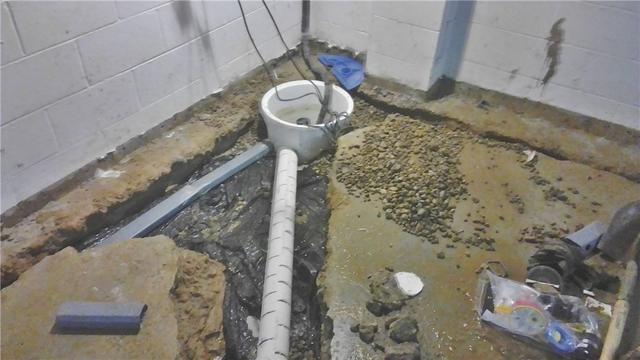
- Drainage Solutions and Sump Pumps: Installing French drains and sump pumps can help manage water accumulation.
French drains divert water away from your home, while sump pumps remove water that has accumulated in a water-collecting sump basin.
- Moisture and Vapor Barriers: These are essential for preventing moisture from seeping into your basement.
Moisture barriers can be applied to both the interior and exterior of your basement walls, while vapor barriers are installed on the interior.
- Foundation Repairs and Exterior Excavation: If water seepage is due to cracks in your foundation, repairs are necessary.
Exterior excavation can help address the root cause of the waterproofing issue.
- Landscaping Adjustments and Waterproof Coatings: Adjusting the slope of your yard can prevent water from pooling around your foundation.
Applying waterproof coatings to your basement walls can also provide additional protection.
The Cost-Benefit Analysis of Waterproofing
In spite of the initial costs, investing in basement waterproofing can yield considerable financial gains in the long run. Let’s do a simple cost analysis. The financial implications are clear: waterproofing your basement not only protects your home from water damage but also greatly enhances its market value.
Consider the table below:
| Cost Factor | Impact |
|---|---|
| Initial Waterproofing Expense | Immediate out-of-pocket cost |
| Reduced Repair Costs | Potential savings over time |
| Increased Home Value | Financial gains when selling |
| Peace of Mind | Priceless |
The initial expenditure may seem overwhelming, but you’ll save a lot on potential repair costs. Wet basements can lead to cracked foundations, mold, and rot, which are expensive to fix. By waterproofing, you’re preventing these issues.
Moreover, a dry, usable basement can increase your home’s value considerably. Buyers prefer homes without water issues, and a waterproofed basement is a big selling point.
Case Study: Waterproofing Before Selling
Although it might seem counterintuitive, let’s consider a case where a homeowner decided to waterproof their basement before putting their house on the market. This decision wasn’t made lightly but after a thorough pre sale inspection, the homeowner found that their basement had potential water damage issues.
To avoid any hindrance during buyer negotiations, they decided to take action.
Here’s the four-step sequence they followed:
- Inspection: A professional was hired to perform a detailed inspection of the basement.
- Quotation: The contractor provided a quote for the waterproofing work.
- Waterproofing: The work was completed efficiently and effectively, ensuring a dry basement.
- Sale: The house was put on the market with an improved valuation due to the waterproofed basement.
The result? The house attracted more potential buyers.
The waterproofing investment not only paid for itself but also increased the selling price of the house.
In this case, the homeowner’s foresight in addressing potential issues before listing the house proved to be a beneficial decision.
This case illustrates how a waterproofed basement can positively impact the home appraisal process.
Appraisers’ Perspective on Waterproof Basements
From the perspective of appraisers, a waterproofed basement isn’t just a home improvement—it’s a value-add. Unlike other cosmetic upgrades, basement waterproofing enhances the structural integrity of the home, consequently increasing its overall value.
To provide further insight into appraiser insights, they often use a process to evaluate the quality of waterproofing, comparing it against industry waterproofing standards. If your basement’s waterproofing measures up, it can greatly increase the value of your home. Appraisers take into account the cost of the improvement, the added usability of the space, and the appeal to potential buyers.
They’re not blind to the preventative aspect either. A waterproofed basement is less likely to have issues that can lead to costly repairs down the line, such as water damage, mold, and foundational instability. This potential for future savings adds another layer of value.
And don’t underestimate the psychological impact. Knowing that a home has a waterproof basement can give potential buyers peace of mind, and appraisers recognize this. In their eyes, a home that’s been responsibly maintained is worth more.
Buyer Perceptions of Waterproof Basements
Just as appraisers see value in a waterproofed basement, so do prospective buyers. Understanding buyer perceptions of waterproof basements can help you leverage this feature during your home’s sale process.
- Buyer Concerns and Priorities: Buyers view a waterproofed basement as a sign of a well-maintained home. It assuages buyer concerns about potential water damage, mold issues, and structural integrity.
- Market Trends and Investment Appeal: Current market trends show buyers are seeking homes with finished basements. A waterproof basement dramatically increases a home’s investment appeal, as it can be transformed into a functional living space.
- Home Inspections and Resale Value: During home inspections, a dry basement often equates to a positive report, which can boost resale value. It’s also seen as a proactive measure against future issues.
- Regional Differences and Insurance Implications: In regions prone to flooding, a waterproofed basement could mean lower insurance premiums for the buyer, adding another layer of attraction.
Don’t underestimate the renovation impact on aesthetic preferences either. Buyers appreciate the neat, clean look of a waterproofed basement, enhancing the overall appeal of your home.
Long-Term Benefits of Basement Waterproofing
Investing in basement waterproofing delivers enduring peace of mind. This decision isn’t just about keeping your feet dry; it’s about moisture management, structural integrity, and home safety. It’s about protecting your investment for the long haul.
Proper waterproofing preserves the structural integrity of your home, preventing the damaging effects of moisture that can lead to costly repairs. It’s an essential part of property maintenance, ensuring that your home’s foundation stays strong and safe for years.
But the benefits of waterproofing extend beyond mere maintenance. It also boosts your home’s resale potential. Current renovation trends and market demand show a high appreciation for waterproofed basements. This isn’t surprising; buyers are increasingly recognizing the value of a well-maintained, waterproofed basement. It gives them confidence in their purchase, knowing that the property they’re investing in has been carefully maintained.
Moreover, waterproofing plays a significant role in your financial planning. It’s an investment that pays off in the long run, safeguarding your property’s value and saving you from potential repair costs.
In short, basement waterproofing isn’t just a smart move—it’s a long-term investment in your home’s safety, longevity, and value.
Waterproofing: An Investment for Homeowners
Three out of every four homeowners consider waterproofing a wise investment. And why not? Waterproofing your basement can provide you with numerous benefits, making it a top priority among homeowner priorities.
Here are four compelling reasons why you should consider this investment:
- Prevention of Costly Repairs: You might fret over the initial cost considerations, but in the long run, you’ll save money. Waterproofing prevents severe water damage, saving you from shelling out thousands on repairs.
- Increased Property Value: A waterproofed basement can increase your home’s value. Prospective buyers often prefer homes with this feature, pushing up your home’s appraisal.
- Improved Living Conditions: A dry basement prevents mold growth, leading to better air quality. You’ll notice an improvement in your health and comfort.
- Added Usable Space: Waterproofing turns your basement into a functional space. Use it as an extra room, storage, or even a home gym.
Frequently Asked Questions
What Types of Materials Are Commonly Used in Basement Waterproofing?
When waterproofing your basement, you’ll often use membrane options and drainage systems.
Membranes, usually made of rubber, plastic, or liquid coating, create a barrier against moisture.
The drainage systems, often including gravel and plastic pipes, divert water away from the house.
These materials are essential in maintaining a dry, mold-free basement.
It’s important to choose high-quality materials to guarantee long-lasting protection.
How Long Does the Waterproofing Process Typically Take?
The timeframe for waterproofing your basement can vary greatly.
It’s dependent on project complexities like the size of your basement and the severity of the water issue. Typically, it’ll take a few days to a couple weeks.
Keep in mind, prep work and cleanup might add additional time.
Can I Waterproof My Basement on My Own or Should I Hire Professionals?
You can waterproof your basement using DIY techniques, but it’s not recommended.
It’s a complex task requiring specific skills and tools. Hiring professionals guarantees the job’s done right, preventing future issues.
Consider the costs, too. While DIY might seem cheaper, if you do it wrong, you’ll pay more for repairs.
Are There Any Potential Disadvantages to Waterproofing a Basement?
Yes, there can be potential disadvantages to waterproofing your basement.
It’s not always a straightforward process and can involve significant cost considerations. You might encounter unexpected issues that increase expenses.
There’s also potential risks associated with DIY efforts, such as improper sealing leading to more damage.
It’s important to weigh these factors and possibly consult a professional before deciding on the best route for your home.
What Maintenance Does a Waterproofed Basement Require to Remain Effective?
You’ll need to regularly inspect your basement’s drainage systems and moisture barriers.
It’s essential to guarantee drains aren’t clogged, so water flows freely.
Moisture barriers also need regular checks for any damage or wear.
If you notice leaks, you’ve got to address them immediately.
A properly maintained waterproofed basement isn’t just about preventing water damage, it’s also about preserving the overall health of your home.
Conclusion
In wrapping up, waterproofing your basement isn’t just a preventive measure, it’s a smart investment. A dry and well-maintained basement can greatly increase your property’s value and its appeal to buyers. So, don’t overlook this essential aspect when planning home improvements. Remember, it’s not just about avoiding issues, but about maximizing your home’s worth and marketability. Consider basement waterproofing as a step towards achieving a higher appraisal for your home.

Rob VanSuilichem
Serving Michigan homeowners for over 32 years, Everdry is one of the Nation’s largest and most experienced waterproofer.
Locally owned, operated and staffed, Everdry professionals take a personal one-on-one approach in educating homeowners so they truly understand all their options for creating a safe, dry, healthy and usable space in their basements.
What Sets Us Apart
- Unbeatable quality due to the experience of the owners and staff.
- Unbeatable value due to the efficiency and expertise of more than 32 years of experience.
- Unbeatable value due to the purchasing power of being one of the largest waterproofers in the nation.
- Unbeatable service due to the fact that EverDry is a locally owned and operated company.
Credentials Include:
- Members of the Home Builders Association
- H.U.D. evaluated
- I.C.C. evaluated (Report #94-07)
- Better Business Bureau Accredited with the Eastern and Western Michigan BBB
- Fully Licensed and Insured
The aforementioned memberships are important because we benefit from the constant exchange of information and knowledge. We are updated on everything from installation techniques, to customer service improvements. You benefit in the knowledge that these third party inspection agencies require us to meet stringent requirements to remain members in good standing.
Better Business Bureau
We have been nominated and won the prestigious Better Business Bureau’s Torch Award for Ethics many times, Chosen as a W.Mich.BBB Torch finalist in 2014 & 2015, Won the Torch Award for Ethics in 2016, Won the Eastern Michigan BBB Torch Award in 2019 and was also chosen as a Western Michigan BBB Torch finalist in 2019. Won the Eastern Michigan BBB Torch Award in 2023 and Finalist for the Western Michigan BBB Torch Award in 2020 & 2021!
Mission Statement
To create raving fans of our customers and employees through frequent contact, constant training, a commitment to excellence and unlimited opportunity.
