
You’ve stumbled upon an old farmhouse, charmed by its character and history, yet, you’re quickly realizing the struggle that comes with it. As quaint as the stone walls and wood shingles may be, they’re susceptible to moisture, leading to potential structural damage and mold growth. Not to mention, the inadequate drainage systems that are almost a given in such an age-old structure. You’re left grappling with the question: how do you effectively waterproof this old gem? Stay with us as we explore the preservation-friendly solutions to these pressing waterproofing challenges.
Key Takeaways
- Old farmhouses often lack modern waterproofing measures, leading to dampness in stone and brick walls.
- The use of wood shingles in construction increases susceptibility to rot when exposed to moisture.
- Effective management of roof leaks and drainage systems can be challenging in these houses.
- Erosion control and water runoff management can be difficult due to property slope and soil permeability.
- Selecting and applying professional waterproofing materials while preserving the historical architecture can present a challenge.
Understanding Farmhouse Construction
While you might think all houses are built the same, understanding the construction of an old farmhouse can help you tackle its waterproofing challenges more effectively.
Historical architecture plays a pivotal role in the construction and design of these homes. They’re not just any old buildings; they’re a snapshot of a time long past, built with structural materials that may no longer be common in modern construction.
The walls of an old farmhouse, for example, might be made of stone or brick, materials that can absorb water like a sponge.
The roof could be composed of wood shingles, which are prone to rot when exposed to moisture.
You’ll also find that many old farmhouses lack the waterproofing measures you’d typically see in a modern home, like damp-proof courses or adequate drainage systems.
Dealing With Damp Basements
Perhaps you’ve noticed a musty smell or seen patches of mold in your basement. These are typical signs of a damp basement, a common issue in old farmhouses. It’s essential to address this problem quickly, as it can lead to more severe damage over time.
Consider improving your basement ventilation. This can be as simple as opening windows or installing exhaust fans. Better ventilation helps to regulate humidity levels, reducing the likelihood of dampness.
Moisture barriers are another effective solution. They’re plastic or foil sheets that you install on walls and floors to prevent moisture from seeping in. They provide an additional layer of protection against dampness.
Here’s a quick guide to identify and deal with a damp basement:
| Signs of Dampness | Solutions | Result |
|---|---|---|
| Musty smell | Improve Ventilation | Reduced humidity |
| Mold patches | Install Moisture Barriers | Less seepage |
| Damp walls | Improve Ventilation & Install Moisture Barriers | Dry basement |
Addressing Leaky Roofs
Next up, let’s tackle those pesky leaky roofs.
You’ll first need to spot the leaks, find temporary solutions to keep the rain out, and then focus on the long-term roof repairs.
Don’t worry, we’re going to guide you through each step.
Identifying Roof Leaks
Spotting a roof leak in your old farmhouse might feel like finding a needle in a haystack, but don’t let that discourage you. It’s essential to identify these leaks early to prevent further damage.
Start by checking the condition of your roof materials. They’re often the first line of defense against water intrusion. If your roof materials are old or damaged, it’s more likely you’ll face a leak. Look for signs like missing or broken tiles, cracks in the roofing material, or areas where the material has started to buckle. These can all be telltale signs of a potential leak.
Next, venture into your attic for some leak detection. Keep an eye out for signs of water damage like discolored or damp spots on the ceiling, walls, or insulation.
Be sure to check around any roof vents, chimneys, or other areas that penetrate your roof’s surface.
Temporary Leak Solutions
Once you’ve identified potential leaks in your old farmhouse roof, it’s time to address these issues temporarily until a professional can provide a more permanent solution. Quick fixes aren’t meant to last forever, but they can buy you some time, especially during unexpected weather conditions.
A few emergency patches you can utilize include roof cement, sealant tape, and tarp covers. Roof cement or sealant tape can be applied directly to the leak, providing an immediate seal. A tarp cover, on the other hand, can be secured over a larger area, protecting it from further damage.
Here’s a simple table to guide you:
| Quick Fix | Application |
|---|---|
| Roof Cement | Apply directly on the leak |
| Sealant Tape | Stick over the leak |
| Tarp Cover | Secure over a larger leak area |
Long-term Roof Repairs
Ever wondered how to transform those temporary fixes into long-term solutions for a leaky roof? You’re not alone.
Old farmhouses bring charm and history, but they also present unique waterproofing challenges, especially when it comes to the roof.
Here’s your four-step guide to turning a short term patch into a long-term roof repair:
- Choose the right materials: It’s essential to invest in materials known for their roof material durability. High-quality shingles, tiles, or metal can withstand extreme weather and last for years.
- Implement seasonal maintenance: Don’t wait until a leak appears. Regular inspections and upkeep can extend the life of your roof.
- Hire professionals: DIY fixes may seem cost-effective, but professional roofers have the knowledge and skills to guarantee lasting repairs.
- Address underlying issues: Leaks often indicate deeper problems. Make certain to inspect and repair the underlying decking and structures.
Combatting Moisture in Stone Walls
If you’re dealing with an old farmhouse, you’ll likely encounter the challenge of moisture creeping into stone walls.
It’s not just about aesthetics; this moisture can compromise the structural integrity of your home and cause mold growth. Consequently, mold prevention should be one of your top priorities.
Start with wall sealing. This involves using specialized sealants that create moisture barriers, preventing water from penetrating the stone.
Don’t forget to take into account historical preservation. Use products that won’t damage the stone’s natural beauty or its historical character.
Next, look at ventilation strategies. Improved airflow can help keep the walls dry, preventing dampness from settling in.
This could involve installing new vents, or simply improving your current ventilation system.
Stone restoration may be necessary if the stone has already been damaged by moisture.
This can restore the stone’s natural beauty and help maintain the farmhouse’s historical charm.
Lastly, think about thermal insulation. This not only keeps your home warm but also prevents condensation, which can lead to moisture buildup.
The Role of Landscape Drainage
You’ve tackled the moisture in your stone walls, now it’s time to focus on your landscape drainage.
Implementing an effective drainage system can be your next line of defense against water intrusion.
But here’s the catch, you might encounter a few landscape drainage issues along the way, so let’s discuss how you can overcome them.
Implementing Effective Drainage Systems
Without an efficient drainage system, your old farmhouse can easily fall prey to water damage and related issues. The key to preventing this is implementing an effective drainage design that guarantees proper water flow away from your home.
Here are four steps to creating an effective drainage system:
- Evaluate the landscape. Understand the topography of your land and identify high and low points where water accumulates.
- Design the drainage. Plan a drainage design that uses gravity to direct water flow away from your farmhouse and towards a safe discharge point.
- Select appropriate materials. Choose durable pipes, trenches, and drains that can withstand heavy water flow and resist erosion.
- Maintain your system regularly. Regular maintenance guarantees your drainage system remains effective over time.
Poor water flow can lead to pooling and flooding, which can cause significant damage to your home.
It’s crucial to take the necessary steps to protect your farmhouse from water damage. A well-designed drainage system plays a critical role in this process.
Don’t overlook its importance. Protect your home and preserve its rustic charm for years to come.
Overcoming Landscape Drainage Issues
Tackling landscape drainage issues is vital in safeguarding your old farmhouse from potential water damage. Landscape grading is the first step; it guarantees water runoff flows away from your house, preventing basement flooding. Check your property’s slope and adjust accordingly.
Using drainage swales, shallow ditches with gently sloping sides, can help control water runoff. They’re effective in directing water away from your home while adding aesthetic value to your landscape.
Consider soil permeability. If your soil doesn’t allow water to pass through quickly, you’ll need to improve it. Adding organic matter, such as compost, can help increase its absorbency.
Vegetation management is key in erosion control. Planting native plants or grasses can help prevent soil erosion while enhancing your property’s beauty.
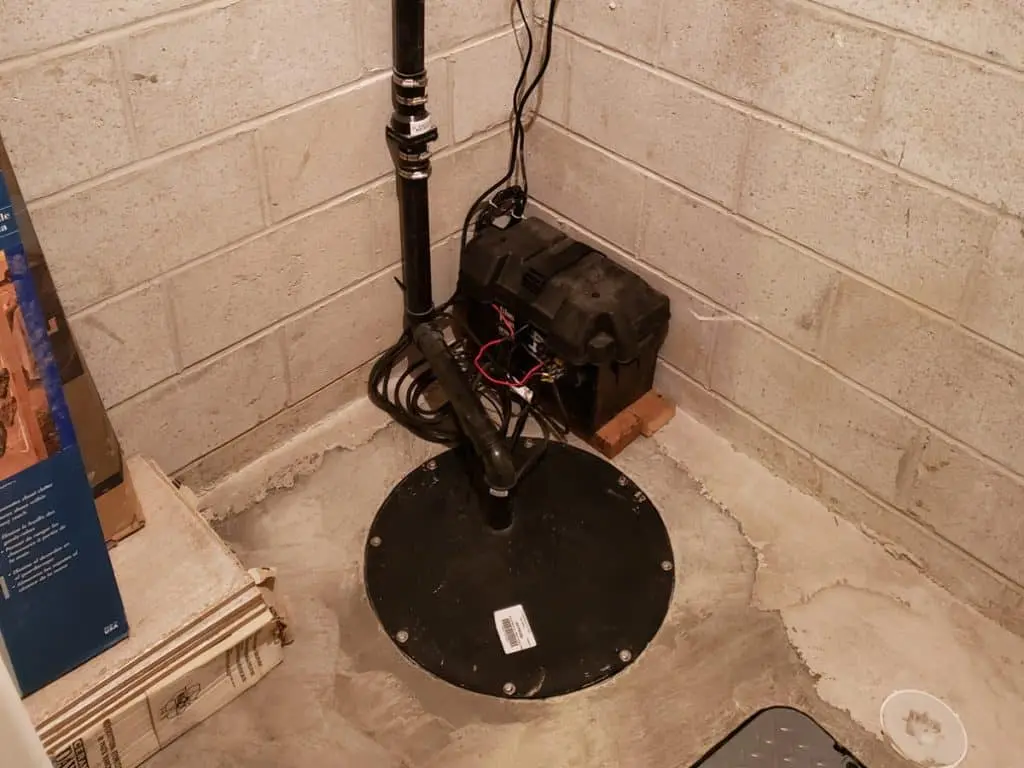
In certain areas, sump pumps, French drains, or downspout extensions may be necessary. These tools help to redirect water away from your house, keeping the foundation dry.
Lastly, consider implementing rain gardens. These are depressed areas in your landscape filled with absorbent plants that soak up rainwater, reducing water runoff.
Professional Waterproofing Solutions
While it’s tempting to try DIY solutions for waterproofing your old farmhouse, nothing beats professional waterproofing solutions.
Pros use advanced techniques and high-quality materials, guaranteeing your home stays dry and safe.
Experts use a combination of methods to guarantee full protection:
- Drainage Materials: They install superior drainage materials around your home’s foundation to keep water away. This involves a complex system of pipes and gravel that directs water away from your house.
- Waterproof Coatings: Professionals apply robust waterproof coatings to your walls and floors. These prevent water from seeping in and causing damage.
- Sealants: Pros use high-grade sealants to close off any cracks or weak spots, preventing further deterioration.
- Maintenance Plans: Finally, they offer maintenance plans to guarantee your waterproofing system stays effective for years to come.
These professional solutions not only protect your home, but they also increase its value.
Frequently Asked Questions
What Are the Costs Involved in Waterproofing an Old Farmhouse?
Waterproofing your old farmhouse can be quite costly.
You’ll need to contemplate expenses for roof repair, which may range from a few hundred to several thousand dollars, depending on the extent of the damage.
Additionally, you’ll likely need to install or upgrade drainage systems, another significant cost.
However, these expenses are essential to prevent further damage and maintain the integrity of your farmhouse.
Are There DIY Solutions for Farmhouse Waterproofing Issues?
Yes, there are DIY solutions for your farmhouse waterproofing issues.
You’ll need to understand which farmhouse materials need waterproofing. A thorough inspection is required to identify weak spots.
There’s a range of products like sealants and waterproof paints you can apply yourself.
However, DIY waterproofing mightn’t tackle severe issues. It’s important to remember, if the problem persists, you may need to hire a professional.
How Does Weather Affect the Waterproofing Needs of a Farmhouse?
Weather plays a huge role in your farmhouse’s waterproofing needs. Climate impact, especially extreme conditions like heavy rain or snow, can cause leaks or water damage.
Seasonal changes also matter. Winter’s freeze-thaw cycle can weaken structures, while summer heat can dry out and crack sealants.
You’ll need to regularly monitor and adjust your waterproofing strategies to protect your farmhouse from the wear and tear of changing weather conditions.
What Are the Health Risks Associated With Dampness in Old Farmhouses?
In an old farmhouse, dampness can lead to mold exposure, which poses serious health risks.
You’re more likely to experience respiratory issues, such as asthma and allergies. Mold spores can even affect your immune system, leading to chronic sinus infections.
As a result, it’s vital to address any dampness in your home immediately to protect your health.
Don’t underestimate the danger – prolonged exposure can lead to long-term health complications.
How Often Should Farmhouse Waterproofing Checks and Updates Be Performed?
Your old farmhouse needs regular waterproofing checks and updates.
It’s ideal to schedule these as part of your seasonal maintenance routine. The frequency of inspections can depend on the house’s condition, but generally, it’s best to check at least twice a year.
These checks become more essential during rainy and snowy seasons when your home is most vulnerable to water damage.
Conclusion
So, you’ve got your work cut out for you when it comes to waterproofing an old farmhouse. Damp basements, leaky roofs, moisture-laden stone walls, and poor landscape drainage are all big challenges. But don’t worry. With the right sealants, ventilation improvement, and professional help, you’ll protect your farmhouse from moisture damage. Remember, it’s about preserving history, not just fixing problems. It may be tough, but it’s definitely doable. Good luck!

Rob VanSuilichem
Serving Michigan homeowners for over 32 years, Everdry is one of the Nation’s largest and most experienced waterproofer.
Locally owned, operated and staffed, Everdry professionals take a personal one-on-one approach in educating homeowners so they truly understand all their options for creating a safe, dry, healthy and usable space in their basements.
What Sets Us Apart
- Unbeatable quality due to the experience of the owners and staff.
- Unbeatable value due to the efficiency and expertise of more than 32 years of experience.
- Unbeatable value due to the purchasing power of being one of the largest waterproofers in the nation.
- Unbeatable service due to the fact that EverDry is a locally owned and operated company.
Credentials Include:
- Members of the Home Builders Association
- H.U.D. evaluated
- I.C.C. evaluated (Report #94-07)
- Better Business Bureau Accredited with the Eastern and Western Michigan BBB
- Fully Licensed and Insured
The aforementioned memberships are important because we benefit from the constant exchange of information and knowledge. We are updated on everything from installation techniques, to customer service improvements. You benefit in the knowledge that these third party inspection agencies require us to meet stringent requirements to remain members in good standing.
Better Business Bureau
We have been nominated and won the prestigious Better Business Bureau’s Torch Award for Ethics many times, Chosen as a W.Mich.BBB Torch finalist in 2014 & 2015, Won the Torch Award for Ethics in 2016, Won the Eastern Michigan BBB Torch Award in 2019 and was also chosen as a Western Michigan BBB Torch finalist in 2019. Won the Eastern Michigan BBB Torch Award in 2023 and Finalist for the Western Michigan BBB Torch Award in 2020 & 2021!
Mission Statement
To create raving fans of our customers and employees through frequent contact, constant training, a commitment to excellence and unlimited opportunity.