
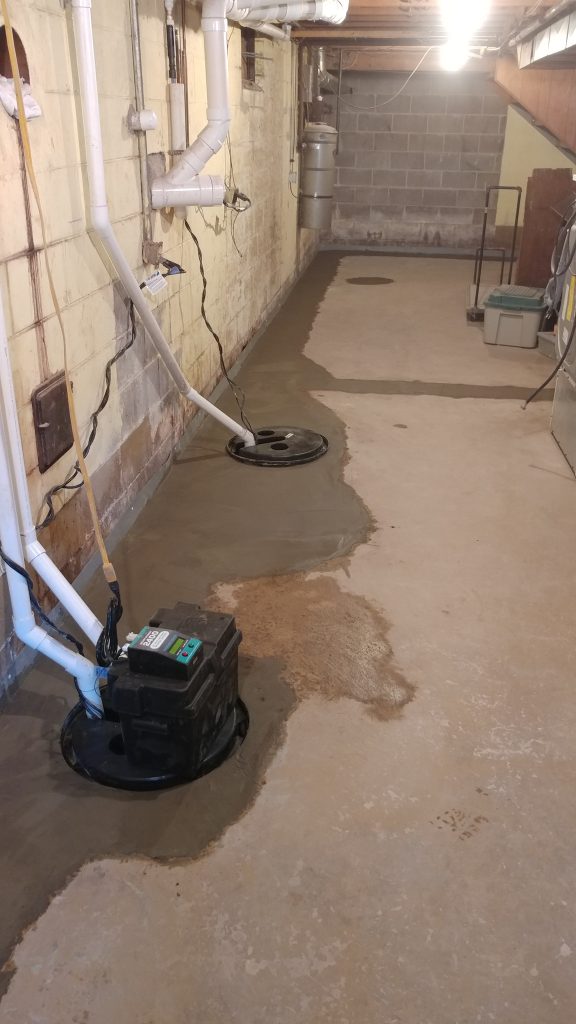
You might wonder when the best time is to tackle basement waterproofing maintenance. While it’s essential to keep an eye on this year-round, the fall season gives you a unique opportunity. As temperatures drop and leaves begin to fall, it’s the perfect time to inspect for cracks, clear gutters, and make certain your sump pump is up to par. But why is fall the prime time, and what could happen if you neglect this task? Let’s explore these questions further.
Key Takeaways
- Spring is crucial for identifying cracks or leaks developed during winter and ensuring gutters and downspouts are clear.
- Summer inspections should focus on sump pump functionality and optimizing the drainage system during drier conditions.
- Fall maintenance involves clearing gutters to prevent water seepage and inspecting for summer water damage or cracks.
- Winter checks are essential for monitoring frost heave effects, ensuring functional drainage systems, and insulating pipes.
- Consistent maintenance throughout the year identifies potential problems early, prolongs system life, and ensures optimal waterproofing effectiveness.
Understanding Basement Waterproofing
First off, understanding basement waterproofing is crucial for any homeowner. It’s not just about keeping the basement dry, but it’s also about protecting the entire structure of your home.
Basement waterproofing is a system designed to prevent water from entering your basement. It primarily revolves around two key aspects: basement drainage and moisture control.
You’ve got to appreciate the importance of basement drainage. It’s the system that guides water away from your foundation. Without it, water can easily seep into your basement, causing dampness and potentially leading to structural damage.
So, make sure you’ve got a well-functioning drainage system to keep water at bay.
Moisture control, on the other hand, is all about managing the humidity levels in your basement. Even if you don’t have an issue with water seepage, high humidity can still cause problems.
It can lead to mold growth and damage to stored items. For this reason, invest in a good dehumidifier and keep those moisture levels in check.
Importance of Seasonal Maintenance
While you may have an excellent basement waterproofing system in place, without regular seasonal maintenance, its effectiveness could dwindle over time. That’s where the significance of seasonal maintenance comes in. It’s not just about having a system in place; it’s about taking care of it.
Preventive measures play an essential role in maintaining a waterproof basement. By conducting seasonal checks, you can identify potential problems early on. For example, you might spot small cracks starting to form in the concrete, or notice water pooling in certain areas. These are signs that your system might need some attention.
In the fall, make sure your gutters are clear of leaves and debris, as clogged gutters can lead to water seeping into your basement.
In the winter, check for any frost heave that could compromise the system’s structural integrity.
Summer is a great time to inspect your sump pump and make certain it’s working effectively.
Spring: Pros and Cons
Springtime, a season of renewal, brings with it both gifts and challenges for your basement waterproofing system. The mild weather provides a perfect opportunity for spring maintenance of your waterproofing system. It’s a great time to address any issues that might’ve surfaced during the winter.
But spring isn’t without its downsides. With the season comes the thawing of snow and the onset of spring rains. This means more moisture, and consequently, more chances for your basement to become a victim of water damage.
Weather considerations, such as heavy rainfalls or rapid snow melts, can put a strain on your waterproofing system.
However, don’t let this deter you. Instead, use it as motivation to guarantee your system is up to the task. Check for any cracks or leaks that might’ve developed during the colder months.
Clear your gutters and downspouts to allow for proper drainage.
Summer: Optimal Conditions
As we move into the summer season, you’ll find it offers the ideal conditions for basement waterproofing maintenance.
It’s the perfect time to take advantage of the generally drier conditions and tackle any existing issues.
But don’t forget, summer storms can be fierce, so preventative measures are essential to keep your basement dry and damage-free.
Advantages of Summer Maintenance
You might be wondering why summer stands out as the perfect season to tackle basement waterproofing maintenance. Well, there’s more to it than just pleasant weather and long daylight hours.
One significant advantage is the ability to effectively manage humidity control. In summer, the air is naturally drier, making moisture less likely to accumulate in your basement. And we all know that damp basements can lead to a host of issues like mold growth and structural damage.
Another benefit of summer maintenance lies in the optimization of your drainage systems. This is the time to guarantee your gutters and downspouts are working efficiently, directing water away from your home’s foundation.
It’s also an ideal time to check your sump pump, the hero of basement waterproofing. If it’s not functioning properly, summer gives you ample time to fix or replace it before the wet seasons return.
Furthermore, the warm weather allows any sealants, paints, or other waterproofing materials to dry and cure properly. In cooler or more humid seasons, these materials may not set as effectively, compromising their performance.
Prevention Against Summer Storms
Despite the advantages of summer maintenance, it’s essential to highlight that summer also brings with it the threat of unexpected storms. To protect your basement during these times, you need to focus on storm preparedness and moisture control.
Begin with a thorough inspection of your basement. Check for any cracks or signs of water damage. If you find any, it’s better to address these issues immediately. Don’t let them become a bigger problem when a storm hits.
Next, think about investing in a good quality dehumidifier. It’s an excellent tool for moisture control. It’ll help keep your basement dry, preventing the growth of mold and mildew that thrive in damp conditions.
Storm preparedness comes next. Make sure your sump pump is working effectively. It’s your first line of defense against basement flooding. If you don’t have one, now’s the time to install it.
Check your gutters and downspouts too. They should be clear and properly directing water away from your home.
Lastly, you might want to think about professional basement waterproofing. It’s an investment, but one that’ll save you a lot of trouble and expense in the long run.
Fall: Preparing for Winter
With winter’s chill rapidly approaching, it’s the perfect time to prepare your basement for the harsh conditions. This is where fall preparation comes into play. It’s not only about raking leaves and cleaning gutters, but also about ensuring your home’s foundation is winter-ready.
Start by inspecting your basement thoroughly. Look for any signs of water damage from the summer months or cracks that could worsen with freezing temperatures. It’s essential to address these issues now, before winter’s freeze-thaw cycle can cause further damage. If you notice any, it’s best to bring in a professional waterproofing contractor.
Next, consider your sump pump. If you don’t have one, fall is a great time to install it. If you do, make sure it’s working properly as it will be a key player in keeping your basement dry throughout the winter months.
Lastly, don’t forget about insulation. Proper insulation can prevent condensation, which often leads to mold and mildew.
Fall preparation is critical for winter readiness. By taking these steps, you’re not only protecting your basement and home, but also saving yourself potential repair costs down the line.
Winter will be here before you know it, so don’t delay.
Winter: Challenges and Solutions
As winter rolls in, you’ll face new challenges in maintaining your basement’s waterproofing.
The cold weather can impact your existing systems, making them less effective.
But don’t worry, there are ways to overcome these winter challenges and keep your basement dry all season long.
Winter Waterproofing Difficulties
When winter rolls around, maintaining your basement’s waterproofing can turn into a real challenge. The freezing temperatures can result in frozen pipes and snow accumulation can exacerbate existing waterproofing issues. Don’t be caught off guard; instead, be aware of these difficulties and plan accordingly.
The first problem you might encounter is frozen pipes. These can burst, leading to water leaks that compromise your basement’s waterproofing. To mitigate this, make certain your pipes are properly insulated before the cold season hits.
Another issue is snow accumulation around your home’s foundation. When it melts, it can seep into your basement, causing water damage. You can counteract this by shoveling snow away from your house, and making certain your home’s drainage system is working efficiently.
| Problem | Solution |
|---|---|
| Frozen Pipes | Properly insulate your pipes |
| Snow Accumulation | Shovel snow away from your house and ensure efficient drainage |
Cold Weather Impact
Biting winter winds and freezing temperatures don’t just chill your bones, they can wreak havoc on your basement’s waterproofing system too. As the mercury drops, the risk of frozen pipes and drainage issues escalates. You might think your basement’s waterproofing system is robust, but it’s not immune to the relentless forces of winter.
Frozen pipes are the bane of every homeowner during the winter months. If your waterproofing system relies on pipes to drain away moisture, it can be crippled when those pipes freeze. The water can’t flow, so it stagnates, creating the perfect conditions for mold and mildew to thrive. Not to mention the potential for pipes to burst and cause even more severe damage.
Drainage issues are another potential nightmare. Cold temperatures can cause the ground to freeze, which hinders the soil’s ability to drain. Water can pool around your home’s foundation, exerting pressure that your waterproofing system mightn’t be able to handle. This can lead to water seeping into your basement, causing damage and creating a damp, unpleasant environment.
Overcoming Winter Challenges
Facing winter’s challenges head-on can protect your basement from the season’s worst. The cold can wreak havoc, and if you’re not prepared, you’ll find yourself dealing with frozen pipes and moisture buildup.
But don’t worry, it’s not as intimidating as it seems.
You can conquer winter’s challenges by:
- Insulating your pipes: This can prevent them from freezing. If your pipes do freeze, they can burst, causing extensive water damage. So, wrap them up and keep them cozy.
- Investing in a good dehumidifier: This can help combat moisture buildup. A damp basement can lead to mold growth and damage to your belongings. Keep it dry and you’ll avoid these issues.
- Regularly checking and maintaining your sump pump: This can prevent a basement flood. If your sump pump fails during a winter storm, you’ll have a big mess on your hands. So, keep it in good working order.
Frequently Asked Questions
What Is the Average Cost of Basement Waterproofing Maintenance?
You’re probably wondering about the average cost of basement waterproofing maintenance. Well, it’s not a simple answer.
Prices can vary widely and are influenced by several cost factors. These could include the size of your basement, severity of the moisture problem, and the chosen method of waterproofing.
However, with routine maintenance tips and checks, you can prevent major issues and keep these costs down.
Always remember, prevention is cheaper than cure.
Can I Perform Basement Waterproofing Maintenance Myself or Do I Need a Professional?
Sure, you can tackle basement waterproofing maintenance yourself using DIY techniques.
It’s a great way to save money. However, if you’re not handy or the problem seems too big, it’s best to hire professional services.
They’ll have the expertise and equipment to do it right the first time. Just remember, a poorly done job can cause more damage in the long run.
How Frequently Should I Do Basement Waterproofing Maintenance?
You should perform basement waterproofing maintenance once a year.
However, consider seasonal factors when planning. Spring’s thawing snow can increase moisture, making it a practical time.
Yet, fall’s dry weather can also be ideal for tackling potential issues before winter.
Regular maintenance is essential for effective moisture management, helping prevent water damage.
It’s not about the best time of year, but ensuring you’re proactive in your home’s upkeep.
What Are the Signs That My Basement Needs Waterproofing Maintenance?
You’ll know your basement needs waterproofing maintenance when you spot key signs.
If you’re seeing moisture build-up, detect a musty odor, or notice mold growth, it’s time.
Also, during a foundation inspection, look for cracks or efflorescence – a white, powdery substance.
These signs indicate that water’s seeping in.
Don’t ignore these warnings; acting quickly can prevent more serious damage.
Are There Specific Products or Brands Recommended for Basement Waterproofing?
Yes, there are specific products for basement waterproofing.
The best ones often depend on your specific needs. Brands like Drylok and RadonSeal are highly recommended.
Drylok excels in sealing walls, while RadonSeal is great for concrete.
It’s essential to compare these brands and others, considering factors like cost, effectiveness, and reviews.
Conclusion
So, you’ve got it, fall is the ideal time for basement waterproofing maintenance. By tackling potential problems before winter hits, you’re warding off the freeze-thaw damage. Clear those gutters and check your sump pump to prevent water troubles. Don’t let basement moisture issues catch you off guard this winter. Be proactive, plan ahead, and give your basement the best defense against the upcoming winter challenges. After all, a dry basement is a happy basement!

Rob VanSuilichem
Serving Michigan homeowners for over 32 years, Everdry is one of the Nation’s largest and most experienced waterproofer.
Locally owned, operated and staffed, Everdry professionals take a personal one-on-one approach in educating homeowners so they truly understand all their options for creating a safe, dry, healthy and usable space in their basements.
What Sets Us Apart
- Unbeatable quality due to the experience of the owners and staff.
- Unbeatable value due to the efficiency and expertise of more than 32 years of experience.
- Unbeatable value due to the purchasing power of being one of the largest waterproofers in the nation.
- Unbeatable service due to the fact that EverDry is a locally owned and operated company.
Credentials Include:
- Members of the Home Builders Association
- H.U.D. evaluated
- I.C.C. evaluated (Report #94-07)
- Better Business Bureau Accredited with the Eastern and Western Michigan BBB
- Fully Licensed and Insured
The aforementioned memberships are important because we benefit from the constant exchange of information and knowledge. We are updated on everything from installation techniques, to customer service improvements. You benefit in the knowledge that these third party inspection agencies require us to meet stringent requirements to remain members in good standing.
Better Business Bureau
We have been nominated and won the prestigious Better Business Bureau’s Torch Award for Ethics many times, Chosen as a W.Mich.BBB Torch finalist in 2014 & 2015, Won the Torch Award for Ethics in 2016, Won the Eastern Michigan BBB Torch Award in 2019 and was also chosen as a Western Michigan BBB Torch finalist in 2019. Won the Eastern Michigan BBB Torch Award in 2023 and Finalist for the Western Michigan BBB Torch Award in 2020 & 2021!
Mission Statement
To create raving fans of our customers and employees through frequent contact, constant training, a commitment to excellence and unlimited opportunity.
