
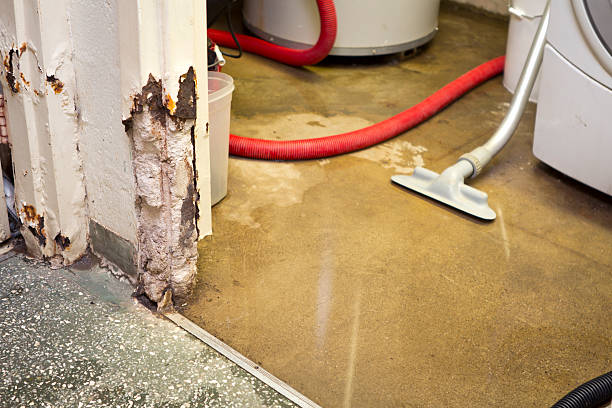
Ever dealt with a wet basement? It’s a headache, isn’t it? You’ve probably tried all sorts of fixes, but have you considered landscaping as a solution? With strategic yard grading and the right plant selection, you can improve drainage and control moisture effectively. But how do you decide on the right slope or choose the best plants? And how could features like rain gardens help? Stick around, there’s more to this idea than you might think.
Key Takeaways
- Identify water sources and assess soil type, as soil composition affects drainage and influences wet basement issues.
- Implement yard grading techniques, ensuring the yard slopes away from the home to direct water flow and reduce basement dampness.
- Install effective drainage solutions like French drains to control water flow, and integrate them into landscape design for aesthetic appeal.
- Create a rain garden to absorb runoff, reduce water pollution, and prevent basement dampness, choosing native plants for sustainability and biodiversity.
- Maintain landscapes regularly, including cleaning gutters and downspouts, to ensure proper water direction away from foundations and prevent basement moisture.
Understanding Basement Water Issues
Nearly 60% of homeowners face the issue of a wet basement at some point. It’s a problem that can lead to significant damage if not addressed properly.
Your first step in solving this issue is water source identification. You need to figure out where the water is coming from. It could be a leaky pipe, condensation, or even groundwater seeping in through cracks in the foundation.
Once you’ve identified the source, you can devise an appropriate solution. This is where moisture control techniques come into play.
Depending on the source, you might need to use a dehumidifier, install a vapor barrier, or waterproof the walls and floor. You might also need to address any structural issues that are allowing water in, such as cracks or gaps.
The Role of Landscaping
A surprising number of homeowners overlook the significant role that landscaping can play in keeping their basement dry. The landscape design around your house can significantly influence the soil permeability, which determines how fast water seeps into the ground.
If you have dense, clay-heavy soil, it’s less permeable and water will sit on the surface longer, potentially causing basement leaks. On the other hand, sandy soil is more permeable, allowing water to drain quickly, reducing the chances of water seeping into your basement.
Here’s a quick table to illustrate this:
| Soil Type | Permeability | Basement Wetness Potential |
|---|---|---|
| Clayey | Low | High |
| Sandy | High | Low |
The type of plants can also influence soil permeability. Deep-rooted plants can improve soil permeability by creating channels for water to drain. Planting them strategically around your dwelling can create a natural barrier against basement leaks.
Benefits of Proper Drainage
Proper drainage isn’t just about keeping your basement dry; it’s about preserving your home’s integrity and value.
By ensuring adequate drainage, you’re not only preventing potential water damage but also significantly increasing your property’s value.
Not to mention, a well-drained lawn can significantly enhance your outdoor aesthetics, making your home more appealing overall.
Preventing Water Damage
Properly managing water drainage in your home can be a game-changer in preventing water damage. Implementing effective drainage solutions, such as sump pumps and waterproof membranes, is crucial. These measures work together with moisture barriers to safeguard your home, particularly the foundation. It’s not just about foundation repair, but also about preserving the structural integrity of your residence.
Consider soil amendments and landscaping materials as part of your strategy. They play vital roles in erosion control and can be tailored to suit climate considerations. A well-planned landscaping approach can channel water away from your property, mitigating potential damage.
Seasonal maintenance is also essential. It ensures your preventive measures are in top shape, ready to handle any water threat.
| Key Measures | Benefits |
|---|---|
| Foundation Repair | Reinforces structural integrity |
| Moisture Barriers & Sump Pumps | Prevents water intrusion |
| Soil Amendments & Landscaping Materials | Aids in water channeling and erosion control |
| Seasonal Maintenance | Ensures system efficiency |
With these measures in place, you’re not just preventing water damage, but also securing peace of mind. Remember, the goal isn’t merely to react to water damage, but to prevent it outright.
Increasing Property Value
Boosting the value of your property is an added bonus when you maintain an effective drainage system. Not only does it prevent basement flooding, but it also contributes significantly to your property investment.
A well-drained landscape enhances the overall market and curb appeal of your property.
Now, you might ask, how does a good drainage system increase property value? Here’s how:
- Landscape Appraisal – A well-maintained landscape, free from waterlogging issues, can significantly increase your property’s appraisal value.
- Market Appeal – Buyers are attracted to homes that are free from potential water damage, thus improving your property’s market appeal.
- Outdoor Improvements – Effective drainage allows for more outdoor improvements which in turn boost your property’s real estate value.
- Home Enhancement – Finally, a dry and healthy landscape adds to the overall home enhancement, giving you a higher landscaping ROI.
Enhancing Outdoor Aesthetics
Cultivating a visually stunning outdoor space goes hand-in-hand with implementing an effective drainage system. It’s not just about preventing a wet basement; it’s also about enhancing the overall appeal of your yard.
A well-executed drainage system can serve as a backbone for your landscaping efforts, allowing you to incorporate decorative features that not only beautify your space but also contribute to efficient water management.
Think of rain gardens, dry creek beds, or swales – these elements can serve as focal points in your landscape design, turning potential problem areas into stunning features. They work with the natural flow of water, directing it away from your home while adding an aesthetically pleasing touch to your outdoor space.
Outdoor lighting is another aspect to consider. It does more than just illuminate your yard at night.
Strategically placed lights can accentuate your decorative features, creating an inviting atmosphere while enhancing safety. Lights can illuminate the path of water, subtly highlighting your home’s excellent drainage.
Strategic Plant Placement
You mightn’t immediately think of plants as a solution to your wet basement problems, but strategic plant placement can make a significant difference. Here’s how:
- Plant Types: Selecting the right plant types is crucial. Certain plants are excellent at moisture retention, pulling excess water away from your home’s foundation. Opt for plants with expansive root systems to maximize water absorption.
- Seasonal Considerations: Take into account the seasonal considerations. Some plants are more effective at moisture control during specific seasons.
- Native Species and Soil Health: Incorporating native species into your design layout can significantly improve soil health and enhance moisture control. They’re adapted to local conditions, can resist pests, and minimize environmental impact.
- Sun Exposure: Lastly, consider sun exposure. Choose plants that can thrive in the sun conditions your yard offers, whether it’s full sun, partial sun, or shade.
Grading Your Yard for Success
Now, let’s shift focus to the vital role yard grading plays in managing basement moisture.
By understanding the basics of yard grading, you’ll be better equipped to implement successful techniques.
It’s not just about aesthetics, it’s about directing water away from your home, reducing the risk of a wet basement.
Understanding Yard Grading
Tackling the issue of a wet basement often means turning your attention outdoors, specifically to the yard. Understanding yard grading is a crucial step in fixing your wet basement problem. It’s the analysis and modification of your yard’s slope and landscape contours to control water flow and runoff management, ensuring water drains away from your home instead of into it.
- Yard Slope: Your yard’s slope impacts how water drains. A properly graded yard slopes gently away from your home, guiding water towards designated drainage areas.
- Drainage Patterns: Understanding your yard’s natural drainage patterns is key. Observe how water flows during a rainstorm. Make note of low spots that collect water and areas where water flows towards your basement.
- Soil Composition: The type of soil in your yard can affect drainage and erosion control. Clay soils hold water while sandy soils drain quickly. Your yard grading strategy may need to account for your soil type.
- Grading Techniques: While we won’t delve into specific techniques here, it’s important to know that proper grading techniques can resolve many wet basement issues.
Implementing Successful Grading Techniques
Wondering how to ensure successful yard grading that effectively channels water away from your home? It’s all about implementing the right grading techniques.
First, you’ll need to understand your soil composition. Is it clay, sand, or loam? This impacts moisture retention and drainage patterns, which are critical to preventing a wet basement.
Next, assess your landscape elevation. Ideally, your yard should slope away from your home, directing water elsewhere. Slope optimization is key here. You’re aiming for a drop of at least six inches for every ten horizontal feet. This gradient will guide water away from your property, reducing basement moisture.
Remember, proper topsoil management is crucial in grading. Stripping away too much topsoil can lead to erosion, while leaving too much can cause water to pool. Strive for balance, removing just enough to create the right slope, but leaving enough to support healthy plant growth.
Lastly, consider erosion control. Once you’ve graded your yard, the last thing you want is for a heavy rain to wash away your hard work. Implement erosion control measures such as installing rain gardens, using ground covers, or placing strategic hardscape elements.
Grading is an art. But with careful planning and execution, you can keep your basement dry and your landscaping intact.
The Power of Rain Gardens
Unbeknownst to many, rain gardens serve as a highly effective solution to wet basement problems.
These eco-friendly designs manage soil moisture, conserve water, and add aesthetic appeal to your landscape.
But what’s more, they offer four key benefits that can transform your property:
- Rain Garden Benefits: They act as a sustainable landscaping solution, absorbing runoff and reducing water pollution.
Rain gardens can decrease your basement’s dampness by effectively redirecting rainwater.
- Native Plant Selection: Choosing local plants enhances your rain garden’s performance and promotes habitat creation.
Native plants are adapted to local soil and climatic conditions, requiring less maintenance and resources.
- Pollinator Support: These gardens serve as a sanctuary for pollinators.
The diverse flora attracts bees, butterflies, and birds, boosting local biodiversity.
- Seasonal Maintenance: Rain gardens require minimal upkeep.
With proper planning and maintenance, you can ensure the garden’s longevity and effectiveness.
Incorporating a rain garden in your landscape not only solves your wet basement problems but also contributes to water conservation and ecological balance.
Installing a French Drain System
Considering a more comprehensive solution to your wet basement woes? Installing a French Drain System might be your answer. This drainage method incorporates specific materials and installation techniques to control water flow, diverting it away from your home.
Firstly, you’ll need to consider drainage materials, which include perforated pipes and gravel. Pipe placement is critical – it should be positioned at a slope to facilitate water flow away from your house.
You’ll also need to understand your soil’s permeability, as it affects the drain’s efficiency.
It’s essential to integrate the drain seamlessly into your landscape. With careful planning, it can serve as an effective erosion control measure while enhancing your property’s aesthetics.
You’ll also need to think about maintenance – while French drains are relatively low upkeep, periodic checks are crucial to ensure optimal functionality.
Cost considerations are also significant. The price can vary based on the complexity of your landscape and the drain size. Despite the initial expense, it’s an investment that can protect your home from water damage.
Lastly, consider the environmental impact. While French drains can help combat soil erosion, they may also divert water from areas that need it.
Always take a balanced approach to ensure your solution is environmentally friendly.
Regular Landscape Maintenance Tips
Regular landscape maintenance is more than just an aesthetic endeavor; it’s a critical step to ensure your property’s long-term health and vitality.
By taking a proactive approach, you can prevent many common problems, including wet basements.
Here are four key maintenance tips that can help:
- Mulching: Utilize mulching techniques for your garden and trees to maintain soil moisture and reduce runoff.
Mulching also helps to moderate soil temperature, which can promote healthier root growth.
- Aerate your lawn: This procedure allows water to penetrate deeper, reducing surface runoff.
It also improves root growth, which absorbs more water.
- Prune regularly: Keeping your trees and bushes pruned not only improves their appearance but prevents overgrowth that can cause excess shading and hinder evaporation.
- Clean your gutters: Ensure gutters and downspouts are clear of debris, directing water away from your home’s foundation.
Frequently Asked Questions
What Are the Signs of a Basement Water Problem?
You’ll notice signs of a basement water problem if you spot damp spots, mold, or a musty odor.
These are often caused by basement moisture seeping through the walls. Excessive condensation on pipes and windows can also indicate a problem.
It’s important to identify these signs early and consider drainage solutions. This will prevent further damage and help keep your basement dry and safe.
Is Waterproofing the Basement a Viable Solution?
Yes, waterproofing your basement can be a viable solution.
It’s crucial to identify the source of the moisture first. From there, you can consider various waterproofing methods.
Basement drainage is particularly effective, as it prevents water from pooling. However, it isn’t a one-size-fits-all solution.
You’ll need to weigh up the severity of your problem, the cost, and the potential for damage before you decide if it’s the right approach for you.
How Does a Sump Pump Work in Basement Water Control?
A sump pump, integral to basement water control, operates by collecting excess water in a specially designed pit, then propelling it away from your house.
There are various sump pump types, each with unique benefits.
Regular sump pump maintenance ensures it’s ready to tackle any sudden water influx.
It’s not a solitary solution, but a sump pump helps keep your basement dry and mold-free, protecting your home’s structural integrity.
Can House Gutters Contribute to Basement Water Problems?
Absolutely, your house gutters can contribute to basement water problems.
If you’re not performing regular gutter maintenance, they can overflow and dump water close to your foundation.
Similarly, downspout placement matters. If it’s too close to the house, water can pool leading to seepage into your basement.
Ensuring clean gutters and properly positioned downspouts is essential in preventing these issues.
Are There Specific Plants That Help Absorb More Water?
Yes, there are specific plants that can help absorb more water. You might consider planting drought-resistant plants and moisture-absorbing shrubs.
These not only withstand dry conditions but also absorb excess water, helping to manage soil moisture levels. Examples include Yarrow, Russian Sage, and Butterfly Bush.
Conclusion
So, you’ve got the keys to solve your wet basement issues right in your backyard! By smartly grading your yard, choosing deep-rooted plants, and employing features like rain gardens, you can effectively channel water away from your home. Don’t forget, regular maintenance is key to ensure everything works smoothly. With these landscaping strategies, you’re not just protecting your basement from dampness, but also enhancing your property’s aesthetics. Give it a shot, your basement will thank you!

