
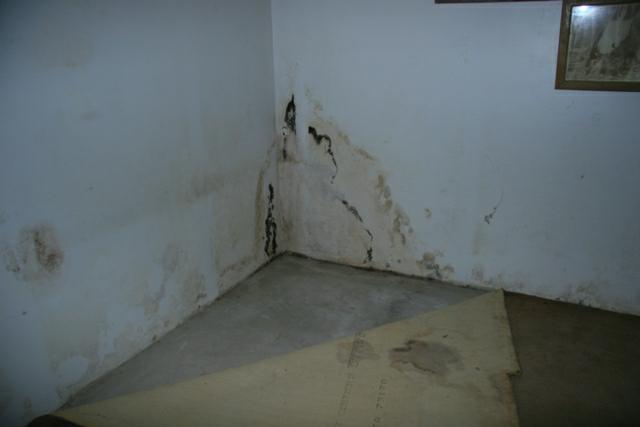
Enduring a flood can be distressing, but the aftermath is just as essential. It’s your responsibility to guarantee your basement is correctly sanitized after a flood, to prevent harmful bacteria and mold from turning your space into a health hazard. By evaluating the damage, removing water, and initiating a thorough clean-up, you’re protecting your health and your home. But what about the hidden threats you can’t see? Stay tuned to discover more about the invisible dangers lying in wait, and how to guard against them.
Key Takeaways
- Begin cleaning by thoroughly removing water and drying your basement to prevent mold growth.
- Use personal protective equipment and avoid touching electrical outlets or appliances when standing in water.
- Clean and disinfect all surfaces, sorting belongings into salvageable and non-salvageable categories.
- Scrub the floors with a bleach-water solution, using specialized cleaning products for tough stains.
- Regularly schedule professional inspections and utilize mold-resistant materials to prevent future issues.
Assessing the Damage
After a flood, the first step in the cleanup process is evaluating the damage in your basement.
It’s essential to conduct a thorough damage assessment. You’ll need to take a good look around, and assess the extent of the destruction.
Start by examining the structural integrity of your basement. This includes checking out the walls, floors, and ceilings for any signs of cracks, bulges, or sagging. These could be indications of severe damage that needs immediate attention.
Don’t forget to inspect any appliances or equipment that are located in your basement.
Also, look for signs of water damage on your personal belongings, such as furniture and stored items.
Remember, it’s not just about physical damage. Flood water can bring with it all kinds of bacteria and contaminants, which could pose a risk to your health.
Keep a record of the damage you find. This will be useful not only for your own reference, but also for any insurance claims you may need to file.
Don’t rush this process. It’s important to be thorough and accurate in your damage assessment.
Stay vigilant, and remember: safety first. This is just the initial step in your flood cleanup journey.
Prioritizing Safety Measures
Before diving into the cleaning process, prioritizing safety measures is a must. If your basement’s been flooded, you’re dealing with more than just water damage. You’re facing potential electrical hazards, mold spores, and compromised air quality, all of which pose serious health risks.
Firstly, don’t enter the basement without the right safety gear. You’ll need personal protective equipment like gloves, boots, and masks to safeguard against mold spores and contaminated water. Remember, safety comes first.
Next, beware of electrical hazards. Never touch electrical appliances or outlets if you’re standing in water. If you’re unsure, hire a professional to check the electrical system. It’s not worth risking your life.
Then, check the structural integrity of your basement. Floods can weaken foundations and walls, making them unsafe. Contact a structural engineer if you’re uncertain about the stability of your basement.
Finally, review your flood insurance policy. It might cover the cost of a professional cleanup, sparing you the potential health risks of doing it yourself.
In short, prioritize your safety above all. No amount of basement damage is worth compromising your health. As you deal with the aftermath of a flood, let safety guide your actions every step of the way.
Removing Remaining Water
Now that you’ve prioritized safety measures, it’s time to tackle the next step: removing any remaining water.
From initial water extraction to thoroughly drying your basement, each step is essential in mitigating any further damage.
We’ll also touch on strategies to prevent future flooding, ensuring you’re fully prepared for whatever Mother Nature throws your way.
Initial Water Extraction
Dealing with a flooded basement can be overwhelming. The first step you’ll need to take is the initial water extraction. This task requires you to pump out the remaining water, a critical part of the clean-up process.
Let’s explore the water removal methods you can employ and the sump pump options available to you.
You’ve got a couple of choices when it comes to water removal methods. You can either use a wet vacuum or a sump pump. A wet vacuum is perfect for smaller floods but may not be efficient for larger ones. That’s where the sump pump steps in. It’s designed to handle bigger jobs, removing water faster and more efficiently.
When choosing a sump pump, you’ve got options. Submersible pumps can be placed directly in the water, making them a solid choice for deeper floods.
Pedestal pumps, on the other hand, sit above the water. They’re ideal for less severe floods and have the added benefit of being easier to maintain.
Drying the Basement
After you’ve successfully extracted the bulk of the water with a wet vacuum or sump pump, it’s time to focus on drying your basement.
It’s essential to remove any remaining moisture to prevent mold growth and structural damage.
Start by opening windows and doors to enhance air circulation. This is one of the simplest ventilation techniques, but it’s surprisingly effective.
If the weather’s not cooperating, or you need to speed up the process, consider investing in a dehumidifier or fans. These tools can greatly boost your moisture control efforts.
Next, remove any wet items such as boxes, furniture, or carpets. Dry them out in a well-ventilated area or, if they’re too damaged, dispose of them responsibly.
Once the basement is cleared, it’s time to tackle the walls and floors. They can hold a surprising amount of water, so don’t overlook them.
Wipe down hard surfaces with towels and perhaps use a heat gun to speed up the drying process.
Preventing Future Flooding
To prevent future flooding, the first line of defense starts from within your own basement. Installing a sump pump can help to remove excess water, while water barriers can provide additional protection against incoming water.
Regular gutter maintenance is also vital as it prevents water from overflowing and seeping into your basement.
Landscaping solutions such as soil grading and rain gardens can help manage runoff, directing it away from your home. Soil grading involves sloping your yard away from your home’s foundations, while rain gardens are designed to absorb runoff.
Permeable pavement, whether for your driveway or patio, also allows water to seep into the ground, reducing runoff.
Don’t forget about your drainage systems. They should be clear of debris and correctly positioned to guide water away from your home.
It’s also wise to have flood insurance, providing financial security if a flood does occur.
In conjunction with this, an emergency plan is essential. This could include moving valuable items to higher levels or having a designated evacuation path.
Drying and Dehumidifying Process
Although the floodwaters may have receded, you’re not out of the woods yet. The moisture left behind in your basement can promote the growth of mold and mildew, damaging your home and posing health risks. That’s where the drying and dehumidifying process comes in.
Firstly, you’ll want to prioritize moisture control. Open up your basement windows and doors to allow fresh air to circulate. This won’t only help to dry the area but also improve air circulation, whisking away some of that lingering moisture.
If it’s safe to plug in electrical devices, consider using fans to boost this airflow.
Next, it’s time to bring in the heavy-hitters: dehumidifiers. These devices are designed to pull excess moisture from the air, helping to speed up the drying process.
Place them around your basement, particularly in areas where dampness lingers.
Cleaning Surfaces and Items
Now that we’ve tackled the drying and dehumidifying process, let’s move on to cleaning surfaces and items.
This includes sanitizing your personal belongings, disinfecting basement walls, and learning effective floor cleaning techniques.
You’ll be amazed at how a little elbow grease can transform your basement after a flood.
Sanitizing Personal Belongings
After surviving a flood, you’re likely left with a basement full of water-damaged items. It’s a challenging task, but sanitizing your personal belongings is an essential step in the post-flood cleaning process.
Start with sorting items. Separate salvageable items from those too damaged. Remember, porous materials like paper, fabric, and wood can absorb contaminants, making them harder to clean.
- Clothing and Bedding: Wash these in hot water with a heavy-duty detergent. It’s the best way to guarantee they’re thoroughly cleaned and sanitized.
- Non-Porous Items: Clean these with hot soapy water, then disinfect with a bleach solution. Be sure to rinse thoroughly and let them dry.
- Documents: Salvaging documents can be tricky. Freeze them ASAP to prevent mold growth. Later, you can carefully rinse and air dry, or hire a professional service if they’re important documents.
Disinfecting Basement Walls
Once your personal belongings are taken care of, it’s time to tackle your basement walls. You’ll need to clean and sanitize them to eliminate any mold spores and other flood-related contaminants.
Start by scrubbing the walls with soap and warm water. This will remove most dirt and grime. Then, apply a sanitizing agent. This will kill mold spores, bacteria, and other harmful microorganisms. Be sure to wear protective clothing, gloves, and a face mask to protect yourself from exposure.
Here’s a quick comparison of some common sanitizing agents you can use:
| Sanitizing Agent | Pros | Cons |
|---|---|---|
| Bleach | Effective at killing mold spores | Can discolor surfaces |
| Ammonia | Kills a wide range of microorganisms | Harmful fumes |
| Vinegar | Non-toxic and eco-friendly | Not as effective against certain types of mold |
Floor Cleaning Techniques
Wondering how to get your basement floors back to their pre-flood state? It’s essential to follow specific floor cleaning techniques to guarantee thorough cleaning and sanitization.
- Dry and Vacuum: Start by drying your floors completely. Use industrial fans or heaters to speed up the process.
Once dry, vacuum to remove loose debris and dust.
- Floor Scrubbing: Now it’s time for some elbow grease. Using a stiff brush and a solution of one part bleach to ten parts water, scrub the floor thoroughly.
This will help remove any dirt and grime deeply embedded in the pores of your floor. Remember, floor scrubbing isn’t just about cleanliness; it’s also an important step in the sanitization process, eliminating any harmful bacteria or mold that might’ve taken root during the flood.
- Stain Removal: Post scrubbing, you might notice hard-to-remove stains. For stain removal, consider using commercial cleaning products designed specifically for your type of flooring.
Always test on a small, inconspicuous area first to verify it won’t discolor or damage your floor.
Disinfecting Your Basement
In the wake of a flood, disinfecting your basement is a vital step in the clean-up process. The stagnant water can house harmful bacteria and viruses, not to mention the risk of mold growth. That’s where the importance of mold remediation becomes clear.
You’ve got to tackle this issue head-on to prevent further damage to your home and to maintain good air quality.
First, you’ve got to remove any remaining water and debris. Then, you’ll want to scrub all surfaces with a heavy-duty cleaner. This includes floors, walls, and even items that got wet.
But remember, it’s not just about making your basement look clean. You’re also trying to kill any germs or bacteria that could make you sick.
Once you’ve cleaned everything, it’s time for the disinfecting stage. Use a commercial-grade disinfectant or a bleach solution and apply it to all surfaces.
It’s a tedious task, but it’s essential for detoxifying your space.
Preventing Future Mold Growth
Now that your basement is disinfected, your attention must shift to keeping mold at bay.
It’s essential to focus on preventing mold growth to safeguard your home’s structural integrity and your family’s health.
- Mold Resistant Materials: Using mold resistant materials is a proactive move.
Drywall, paint, and insulation all come in mold-resistant varieties. They’re specifically designed to resist mold growth, making them an excellent choice for your basement.
- Humidity Control: Mold thrives in damp environments.
Control humidity levels in your basement to keep it dry and unwelcoming to mold. Consider investing in a dehumidifier, and make certain there’s proper ventilation.
- Routine Maintenance: Regularly check your basement for water leaks or dampness.
Promptly addressing these issues can prevent the conditions that invite mold growth.
Scheduling Professional Inspections
After tackling the mold prevention strategies, it’s smart to schedule regular professional inspections for your basement. This step is essential to maintaining a clean, safe, and healthy environment in your home, especially after a flood occurrence.
When it comes to inspection frequency, it’s typically recommended to have your basement inspected at least once a year. However, in post-flood situations, you might want to take into account more frequent check-ups, perhaps every six months. This guarantees that any hidden damages or potential mold growth are promptly addressed.
Now, let’s talk about technician qualifications. Not all inspectors are created equal. You want someone experienced in dealing with basements post-flood, who can identify potential issues that a general inspector might overlook.
Look for certifications related to flood damage inspection and mold identification. Remember, the person you hire will be responsible for making sure your basement is safe and sanitary, so don’t skimp on qualifications.
Frequently Asked Questions
What Type of Professional Should I Hire for Basement Sanitization?
You should hire a professional who specializes in water extraction and mold remediation.
They’ll swiftly remove the standing water, then tackle any mold that’s started to grow.
This isn’t a job you’d want to handle yourself.
It’s essential to guarantee all water and mold is thoroughly eradicated to prevent future damage and health issues.
Does Homeowners Insurance Cover Flood Damage Sanitization?
Whether your homeowners insurance covers flood damage sanitization depends on your policy.
Typically, standard homeowners insurance doesn’t include flood damage. You’d need separate flood insurance for that.
However, the coverage limits mightn’t fully cover sanitization costs. It’s essential you check your policy details or consult with your insurance agent to understand exactly what’s covered.
How Long Does It Typically Take to Sanitize a Flooded Basement?
The time it takes to sanitize your flooded basement can vary greatly.
It’s largely dependent on the extent of the flooding and the sanitization methods used. Generally, the process could take anywhere from a few days to several weeks.
You’ll need to thoroughly dry the area first, which can take time, especially if you’re using natural drying techniques.
Whats the Estimated Cost for Professional Post-Flood Basement Sanitization?
You’re wondering about the cost of professional sanitization after a basement flood.
It’s not easy to give an exact figure as several cost factors come into play. The severity of the flood, the size of your basement, and the extent of contamination all influence service estimates.
Typically, you’re looking at a range from $500 to $10,000.
It’s best to get a few quotes to guarantee you’re getting a fair deal.
Are There Any Government Assistance Programs for Post-Flood Home Cleanup?
Yes, you’ll find several government assistance programs for post-flood home cleanup. The Federal Emergency Management Agency (FEMA) provides disaster relief, including cleanup resources.
Additionally, the Small Business Administration (SBA) offers low-interest loans for home repairs. Some local governments also have programs to assist.
Be sure to document all damage and cleanup efforts for potential reimbursement. It’s essential to apply as soon as possible following a flood, as some aid programs have application deadlines.
Conclusion
So, you’ve tackled the flood aftermath. By evaluating damage, prioritizing safety, removing water, and drying your basement, you’ve taken big steps. You’ve cleaned, disinfected, and sorted your belongings. To cap it off, you’ve also taken measures to prevent future mold growth. Remember, always keep an eye on moisture levels and consider professional inspections for peace of mind. With these steps, you’re well on your way to a clean, safe, flood-free basement. Good job!

Rob VanSuilichem
Serving Michigan homeowners for over 32 years, Everdry is one of the Nation’s largest and most experienced waterproofer.
Locally owned, operated and staffed, Everdry professionals take a personal one-on-one approach in educating homeowners so they truly understand all their options for creating a safe, dry, healthy and usable space in their basements.
What Sets Us Apart
- Unbeatable quality due to the experience of the owners and staff.
- Unbeatable value due to the efficiency and expertise of more than 32 years of experience.
- Unbeatable value due to the purchasing power of being one of the largest waterproofers in the nation.
- Unbeatable service due to the fact that EverDry is a locally owned and operated company.
Credentials Include:
- Members of the Home Builders Association
- H.U.D. evaluated
- I.C.C. evaluated (Report #94-07)
- Better Business Bureau Accredited with the Eastern and Western Michigan BBB
- Fully Licensed and Insured
The aforementioned memberships are important because we benefit from the constant exchange of information and knowledge. We are updated on everything from installation techniques, to customer service improvements. You benefit in the knowledge that these third party inspection agencies require us to meet stringent requirements to remain members in good standing.
Better Business Bureau
We have been nominated and won the prestigious Better Business Bureau’s Torch Award for Ethics many times, Chosen as a W.Mich.BBB Torch finalist in 2014 & 2015, Won the Torch Award for Ethics in 2016, Won the Eastern Michigan BBB Torch Award in 2019 and was also chosen as a Western Michigan BBB Torch finalist in 2019. Won the Eastern Michigan BBB Torch Award in 2023 and Finalist for the Western Michigan BBB Torch Award in 2020 & 2021!
Mission Statement
To create raving fans of our customers and employees through frequent contact, constant training, a commitment to excellence and unlimited opportunity.
