
When it comes to waterproofing your basement, you’re faced with two primary options: interior and exterior. You might find yourself drawn to the cost-effectiveness and minimal disruption of interior waterproofing, but will it offer the comprehensive protection your home needs? On the other hand, exterior waterproofing presents a more robust, albeit pricier, solution. By preventing water intrusion from the start, it could save you significant headaches down the line. So, which is the superior choice? Well, that’s a rather complex question, isn’t it? Let’s take a closer look.
Key Takeaways
- Interior waterproofing, while less expensive and less disruptive, is best for controlling water already inside, not preventing infiltration.
- Exterior waterproofing prevents water entry into the basement, offering more robust protection than interior methods.
- Despite higher costs and property disruption, exterior waterproofing is more efficient in channeling water away from the house.
- Interior waterproofing can be done anytime and is cost-effective, but may not suffice for severe external water issues.
- The choice between interior and exterior waterproofing largely depends on the severity of the water problem and budget considerations.
Understanding Basement Waterproofing
Dampness, that unwelcome guest, can turn your cozy basement into a wet nightmare.
It’s time to gain control, and basement waterproofing techniques offer you a viable solution. But before you dive in, it’s crucial to understand the basics.
Waterproofing, in essence, is the practice of making your basement impervious to water. Moisture control is the cornerstone of this process.
You’ve got to stop water from infiltrating your basement walls and floor. This can be achieved by various waterproofing techniques that address the root cause of the problem.
Some techniques focus on exterior waterproofing. These methods aim to prevent water from ever reaching the walls of your basement.
They include applying waterproof coatings or membranes on the outside walls, installing drainage systems, or landscaping strategically to direct water away from your house.
Other techniques focus on interior waterproofing, which manages water that’s already seeped inside.
However, we won’t delve into that now as it’s our next topic.
Interior Basement Waterproofing Explained
While exterior methods aim to keep water from reaching your basement walls, interior waterproofing strategies handle water that has already made its way inside.
It’s essentially a post-problem solution, designed to manage and expel water that’s infiltrated your basement.
There are two main techniques in interior waterproofing: interior drainage and moisture barriers.
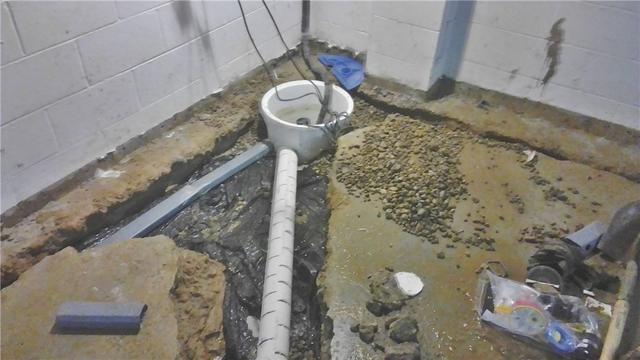
Interior drainage involves installing a system to collect water that’s seeped in and divert it away from your home. This could involve a sump pump or drain tile, which you’d typically place along the perimeter of your basement floor.
It’s a bit of a surgical approach, cutting into the floor to install the drainage system, but it can be highly effective.
Moisture barriers, on the other hand, are about creating a physical barrier between your basement and the moisture.
This is often a waterproof coating or membrane applied to your basement walls.
It’s like giving your basement a raincoat, preventing any additional moisture from soaking into the walls.
Keep in mind, though, that these interior solutions are about managing water that’s already there, not preventing it from reaching your basement in the first place.
Pros and Cons of Interior Waterproofing
In the world of basement waterproofing, interior methods have their distinct advantages and drawbacks that you should consider. One of the biggest pros is cost effectiveness. Unlike exterior solutions, interior waterproofing doesn’t require extensive excavation, which can be expensive.
It’s a much more budget-friendly option, meaning you can save money while still protecting your basement from water damage.
Another advantage is that you can undertake interior waterproofing at any time, even during bad weather. It’s not dependent on outdoor conditions, so you’re not left waiting for a dry spell to start the work.
However, while cost effective, the complexity of the installation can be a con. It requires professional expertise to ensure that the job is done correctly, adding to the overall cost.
Besides, it only addresses water problems from the inside, which mightn’t be enough if there are serious exterior water issues.
Also, it’s important to note that interior waterproofing solutions can be more intrusive. They often involve significant work inside your home, which can be disruptive.
Exterior Basement Waterproofing Unveiled
If you’re looking for a long-term solution to basement water problems, exterior waterproofing might be the best option for you. Unlike interior methods, which primarily manage water once it’s already entered your basement, exterior waterproofing aims to prevent water from getting in at all.
This approach involves excavating around the house to expose the basement walls. From there, a moisture barrier is applied to the walls, creating a solid defense against water intrusion. This barrier is typically a waterproof coating or membrane that’s designed to seal out moisture.
But that’s only part of the solution. To fully waterproof your basement from the outside, you’ll also need to install a drainage system. This system collects water that accumulates around your foundation and directs it away from your home.
The drainage systems used in exterior waterproofing are generally more robust and efficient than their interior counterparts.
Advantages and Disadvantages of Exterior Waterproofing
You might be wondering why choose exterior waterproofing over other methods. Well, let’s delve into the advantages and disadvantages that come with it.
- Advantage – Robust Protection: Exterior waterproofing provides substantial protection against water damage. It involves installing drainage systems around your basement, which effectively channels water away from the base of your home. This method essentially nips the problem in the bud, preventing water from seeping into your basement walls.
- Advantage – Improved Soil Grading: Soil grading is another perk of exterior waterproofing. By sloping the soil away from your home, it discourages water from pooling around your foundation. This, in turn, reduces the risk of leaks and water damage.
- Disadvantage – Invasive and Costly: On the flip side, exterior waterproofing can be invasive and costly. It requires excavation around your home, which could disrupt your landscape.
Plus, the cost of labor and materials can add up, making it a more expensive option than interior waterproofing.
Frequently Asked Questions
What Is the Average Cost of Interior Versus Exterior Basement Waterproofing?
You’re asking about the average cost of interior versus exterior basement waterproofing.
Well, it varies. Interior methods can range from $600 to $3,000, depending on the size of your basement.
Exterior techniques, on the other hand, can cost anywhere from $8,000 to $15,000 due to more extensive work involved.
It’s crucial to get multiple quotes and consider the specific needs of your basement before making a decision.
Can I Waterproof My Basement Myself, or Do I Need a Professional?
Sure, you can waterproof your basement yourself using DIY techniques. It’s cheaper and gives you control over the process.
However, it’s a complex task and if done incorrectly, could lead to more damage. Hiring professional services is more costly, but they’ve the expertise to ensure the job is done right.
It’s a trade-off between cost and peace of mind. Therefore, consider your budget, skills, and the severity of the problem before making a decision.
How Long Does the Basement Waterproofing Process Usually Take?
The length of your basement waterproofing process depends on several factors.
If you’re installing basement drainage or using other waterproofing materials, it could take a few days to a week.
However, if there’s structural repair involved, it might extend the timeline.
It’s best to consult with a professional for a more accurate timeline.
Will Basement Waterproofing Increase the Value of My Home?
Absolutely, basement waterproofing will increase the value of your home.
It’s not just about preventing damage, it enhances livability too. A dry basement can be turned into a functional living space, adding square footage to your home.
Plus, it increases marketability. Potential buyers will appreciate the effort you’ve put into maintaining the property, often leading them to pay a premium.
Are There Any Potential Health Risks Involved With Basement Waterproofing?
Yes, there can be potential health risks with basement waterproofing if it’s not done correctly.
Improper waterproofing can lead to mold growth, which can negatively impact your home’s air quality. Inhaling mold spores can cause allergic reactions and respiratory issues.
It’s crucial to hire a professional to ensure the job is done right, mitigating these risks. Always ensure proper ventilation during and after the process to maintain good air quality.
Conclusion
So, is interior or exterior waterproofing better for your basement? It really depends on your situation. If you’re dealing with current water issues and need a budget-friendly solution, interior waterproofing could be your answer. But if you want to avoid future problems and don’t mind the extra cost and work, consider exterior waterproofing. Remember, the best choice depends on your specific needs, the severity of the water problem, and your budget.

