
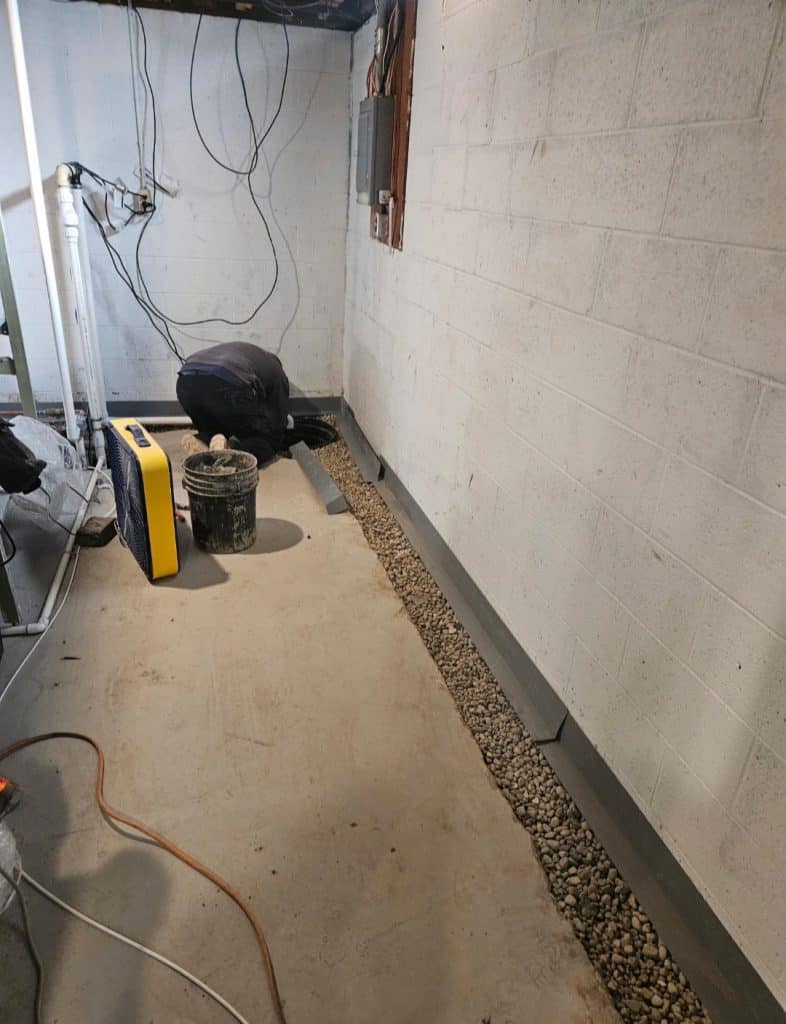
Have you ever wondered how window well drains keep your basement dry, especially during heavy rainfall or snowmelt? These unsung heroes work tirelessly, collecting and redirecting the overflow of water away from your home’s foundation. Imagine the amount of water seeping into your basement, causing potential flooding, mold growth, and structural damage, if these drains weren’t in place. Sounds disastrous, doesn’t it? But how exactly do these drains function to prevent such scenarios? Let’s explore this further.
Key Takeaways
- Window well drains collect and redirect rainwater away from the basement, reducing the risk of flooding.
- The design involves pipes filled with gravel or perforated for easy water flow, channeling water away from the home’s foundation.
- They act as a preventive measure against water infiltration, complementing other waterproofing solutions and basement insulation.
- Regular maintenance, including monthly cleaning and seasonal inspections, helps keep these drains functioning effectively, preventing water damage.
- DIY installation of window well drains provides cost-effective means of basement protection, ensuring a dry and well-maintained space.
Understanding Window Well Drains
Imagine looking out your basement window and seeing a pool of water that’s steadily rising. Panic sets in as you envision costlyba water damage. This is where window well drains come to your rescue.
Window well drains are a nifty invention that prevent water from entering your basement. They’re essential parts of your home’s defense system against flooding, especially during heavy rainfall. Depending on your window design, different drain types can be installed.
The most common types are gravel and pipe drains, base drains, and gutter downspout extensions. Gravel and pipe drains are typically buried alongside your home, filtering water away from your windows.
Base drains, on the other hand, are installed at the bottom of your window well, directly collecting and diverting water. Gutter downspout extensions, while not directly connected to your window wells, play a crucial role in managing rainwater runoff.
Regardless of the drain type, the goal is the same: to keep your basement dry. So next time you see that pool of water, you’ll know that window well drains are working hard to protect your home.
How These Drains Work
When it comes to keeping your basement dry, the function of window well drains is simple yet effective. Think of them as safeguards, designed to redirect excess water away from your basement windows. The drain design plays a crucial role in this process.
Here’s how it works:
- Water collects in the window well during heavy rain or snow. The drain provides an exit path, allowing the water to flow away from your house, instead of seeping into your basement.
- The drain design is critical. It’s typically a pipe, filled with gravel or perforated, situated at the bottom of the well. This allows water to flow into the drain easily.
- Finally, the pipe leads the water to a safe distance away from your home’s foundation, preventing any potential water damage.
Importance of Window Well Drains
You might be wondering, why are window well drains important?
Let’s get into it. Installing these drains can present a whole host of benefits, not least of which is preventing water damage in your basement.
Understanding Window Well Drains
Window well drains, a homeowner’s best defense against basement flooding, play an essential role in keeping your basement dry.
These drains work in tandem with your home’s window design, allowing water to escape and preventing it from seeping into your basement.
There are several factors that contribute to the efficiency of your window well drains:
- The drain materials used play a large role in the drain’s ability to function effectively. The most common materials used are PVC, galvanized steel, or ABS plastic, each with their own pros and cons.
- The window design of your home also affects the performance of your window well drains. Windows that are designed to be watertight can reduce the risk of flooding.
- Proper maintenance is key to ensuring that your window well drains continue to operate efficiently. This includes cleaning the drains regularly to prevent blockages.
Drain Installation Benefits
Installing window well drains in your home can greatly pay off in the long run. You might be wondering why. Well, the answer is simple: they help prevent water damage and flooding in your basement, saving you a lot of stress and potentially high repair costs.
Different drain materials and installation techniques offer various benefits. The right materials can guarantee longevity and durability of your drains while proper installation techniques assure maximum efficiency.
Let’s break down some of the key benefits:
| Benefit | Description |
|---|---|
| 1. Moisture Control | Window well drains effectively manage ground water, keeping your basement dry and free from mold and mildew. |
| 2. Foundation Protection | They safeguard your home’s foundation from water damage, thereby precluding structural issues. |
| 3. Increased Property Value | A dry and well-maintained basement can increase your property’s value. |
| 4. Cost Saving | They reduce potential repair costs due to water damage. |
| 5. Peace of Mind | Knowing your basement is protected gives you peace of mind, especially during heavy rains. |
Don’t underestimate the importance of window well drains. They’re a small investment that can offer significant returns.
Preventing Basement Water Damage
Protecting your basement from water damage is an important part of maintaining your home’s structural integrity. Window well drains are a key element in this protection scheme. They work in harmony with waterproofing solutions and basement insulation to guarantee your basement stays dry, warm, and safe.
Window well drains are designed to divert excess water away from your home’s foundation. This preemptive measure can save you from costly repairs and structural issues down the line.
But how exactly do they help prevent water damage?
- They shield your basement from direct rainfall and melting snow, which can seep into the ground and infiltrate your basement.
- They work with waterproofing solutions to provide a second line of defense against water. Even if your waterproofing fails, the drain will redirect water away from your home.
- They complement basement insulation by keeping the space dry. Wet insulation loses its effectiveness, so keeping it dry is vital.
Dangers of Inefficient Drains
Now, let’s consider the risks of inefficient drains.
If your drainage system fails, it can lead to mold growth and structural damage to your home.
Not only that, but you’ll also find yourself facing steep repair costs.
Understanding Drainage System Failures
Neglect, a slippery enemy of homeowners, often leads to the failure of basement drainage systems.
It’s essential for you to understand how neglect can cause your drainage system design to fail. Well-designed systems can still falter if you overlook small signs of trouble.
A common issue you might face is blockage. This usually occurs when debris clogs the drains, preventing water from flowing effectively. You might think it’s a minor problem, but it can escalate quickly, turning your basement into a pool.
Water infiltration sources are another significant factor. If you’re not aware of all the potential sources of water infiltration, your drainage system won’t be equipped to handle the influx.
Here are the common sources you need to be aware of:
- Rainwater or snowmelt seeping through the ground
- Leaking pipes within your home
- Rising groundwater, especially in areas prone to flooding
Lastly, poor maintenance can lead to drainage failures. If you’re not regularly inspecting and cleaning your drains, you’re inviting disaster.
Even the best-designed systems need consistent upkeep. Remember, prevention is always better than dealing with a flooded basement.
Mold and Structural Damage
If your basement’s drainage system isn’t functioning efficiently, you’re potentially inviting a host of problems, the most damaging among them being mold growth and structural damage.
Without proper moisture control, water accumulation increases in your basement, creating an environment ripe for mold development. This isn’t merely a cosmetic issue. Mold can compromise your home’s air circulation and greatly increase basement humidity.
So, how do you prevent this? Mold prevention starts with managing humidity and installing effective drainage solutions. This is where window well drains show their worth. They help maintain the structural integrity of your home by preventing excessive moisture, thereby offering foundation protection.
Remember, your home’s foundation isn’t just under your feet—it’s also what keeps your home standing. When moisture seeps into the foundation, it can cause cracks and other issues that threaten your home’s stability.
That’s why efficient drainage is essential to keep your basement dry and your home’s structure intact.
Increased Repair Expenses
Ignoring the importance of an efficient drainage system can lead to significant repair costs. You may think you’re saving money by neglecting your window well drains, but in reality, you’re setting yourself up for significant financial implications down the line.
When your drains malfunction or become inefficient, water can seep into your basement, causing a slew of issues that can result in costly repairs. This goes beyond merely fixing the drainage system. You might end up needing to repair structural damage, replace property destroyed by water damage, or even deal with health issues stemming from mold growth.
Here’s a brief rundown of potential expenses you may face:
- Structural repairs: Water damage can compromise the integrity of your home, requiring expensive fixes.
- Property damage: Water can destroy costly items in your basement, such as appliances or furniture.
- Health-related costs: Mold resulting from water seepage can lead to respiratory issues, requiring medical attention.
Maintenance Tips for Drains
Keeping your window well drains in top shape can do wonders in maintaining a dry basement. Regular maintenance, including drain cleaning and seasonal inspections, is crucial to prevent flooding and costly repairs. You’ll want to keep an eye on your drains, especially during heavy rainfall or snowmelt.
Let’s take a look at some key maintenance tips in the table below:
| Maintenance Task | Why It’s Important | How Often to Do It |
|---|---|---|
| Drain Cleaning | Removes debris, preventing clogs | Monthly |
| Seasonal Inspections | Identifies potential issues early | 4 times a year |
| Replacing Old Drains | Guarantees efficient water drainage | As needed |
Drain cleaning can be as simple as removing leaves and other debris that can block water flow. Seasonal inspections help you stay ahead of potential problems. Don’t just inspect in spring and fall; winter thaws and summer storms can cause issues too. And remember, if your drains are old or not draining properly despite your best efforts, it may be time for a replacement. Remember, a well-maintained drain is your best defense against a wet basement.
Troubleshooting Common Drain Issues
Despite your best maintenance efforts, you might still run into some common drain issues. One of the most frequent problems is clogged drains, often caused by debris buildup or pipe obstructions. Your window well drain isn’t immune to this. Leaves, dirt, or other debris can accumulate over time, hindering the drainage flow and leading to water pooling in your basement.
Improper grading is another issue to watch for. If the ground slopes towards your home instead of away from it, you’ll likely encounter drainage backups. This is why it’s essential to perform seasonal checks to guarantee the grading is correct.
Regular maintenance is also a must. Despite the maintenance frequency, you might still face problems. Issues may arise due to:
- Weather-induced wear and tear
- Unforeseen pipe issues
- Changes in the surrounding landscape
Each of these can affect the functionality of your window well drain. If water continues to pool, despite your best efforts, it might be time to evaluate repair options.
Keep an eye out for these common problems, so your basement remains dry all year round.
Installing Your Own Window Well Drain
Taking the plunge and installing your own window well drain can be a significant step towards a dry and robust basement. You’ll need the right drain materials and installation tools, but don’t worry – the process isn’t as intimidating as it may seem.
Start by selecting the right drain materials. Opt for a drain pipe with a diameter of at least 4 inches. You’ll also need gravel or rock to help with water flow. Your installation tools should include a shovel for digging, a level to guarantee proper grading, and a hacksaw to cut your pipe to size.
Dig a hole beside your window well that’s deep enough for your drain pipe to sit below the frost line. Once you’ve dug your hole, lay a bed of gravel at the bottom. Place your pipe, making sure it slopes away from your home, then fill the hole with more gravel.
Finally, cut your pipe so it’s flush with your window well.
With a bit of effort and the right preparations, you can install your own window well drain. This project not only saves you money but also provides peace of mind knowing your basement is protected from water damage.
Frequently Asked Questions
What Types of Materials Are Commonly Used in Window Well Drains?
You’ll often find window well drains made from PVC or galvanized steel. These materials withstand weather changes and resist rust.
During drain installation, you’ll need gravel or crushed stone, too, to help with water filtration.
Remember, regular maintenance is key to keep your drains working properly. Clear out debris and check for damage periodically.
These simple steps can guarantee your window well drains are always up to the task.
Are There Any Special Window Well Drains for Basements With High Moisture Levels?
Yes, there are. If you’re dealing with high moisture levels in your basement, specialized window well drains are a must.
They’re designed for superior moisture management, providing effective drainage solutions to keep your basement dry.
These drains work by diverting excess water away from your home’s foundation, preventing water buildup and potential damage.
Can I Use Any Kind of Soil for Backfilling Around the Window Well Drain?
You can’t use just any soil for backfilling around your window well drain.
It’s essential to select backfill materials with good soil drainage properties. Sands, gravels, or a mix of these are often the best choices. They allow water to flow easily towards the drain, preventing accumulation.
Clay or silt soils aren’t recommended as they tend to retain water, which could lead to moisture problems in your basement.
Are Window Well Drains Effective for Basements Prone to Flooding?
Yes, window well drains are quite effective for basements prone to flooding.
They’re part of a suite of flood prevention strategies you can employ. These drains divert water away from your basement, working in conjunction with other basement waterproofing techniques.
Don’t overlook the value of a well-installed window well drain. It’s often a key player in keeping your basement dry during heavy rains.
How Frequently Should a Professional Inspection of Window Well Drains Take Place?
You should have your window well drains inspected annually.
Regular drain maintenance is essential to guarantee they’re functioning properly. If you live in an area with heavy rain or snow, consider increasing the inspection frequency.
Remember, it’s not about the cost but preventing basement flooding. You don’t want to find out your drains aren’t working when you’re knee-deep in water.
Stay proactive to keep your basement dry.
Conclusion
So, you see, window well drains are your basement’s best defense against water damage. They work hard to steer excess water away, keeping your home safe and dry. Don’t underestimate their importance – an effective drain can save you from costly repairs. Remember to maintain them regularly and address any issues promptly. Considering installing one? It’s a smart move that will pay off in the long run. Protect your home, your investment, and your peace of mind.

Rob VanSuilichem
Serving Michigan homeowners for over 32 years, Everdry is one of the Nation’s largest and most experienced waterproofer.
Locally owned, operated and staffed, Everdry professionals take a personal one-on-one approach in educating homeowners so they truly understand all their options for creating a safe, dry, healthy and usable space in their basements.
What Sets Us Apart
- Unbeatable quality due to the experience of the owners and staff.
- Unbeatable value due to the efficiency and expertise of more than 32 years of experience.
- Unbeatable value due to the purchasing power of being one of the largest waterproofers in the nation.
- Unbeatable service due to the fact that EverDry is a locally owned and operated company.
Credentials Include:
- Members of the Home Builders Association
- H.U.D. evaluated
- I.C.C. evaluated (Report #94-07)
- Better Business Bureau Accredited with the Eastern and Western Michigan BBB
- Fully Licensed and Insured
The aforementioned memberships are important because we benefit from the constant exchange of information and knowledge. We are updated on everything from installation techniques, to customer service improvements. You benefit in the knowledge that these third party inspection agencies require us to meet stringent requirements to remain members in good standing.
Better Business Bureau
We have been nominated and won the prestigious Better Business Bureau’s Torch Award for Ethics many times, Chosen as a W.Mich.BBB Torch finalist in 2014 & 2015, Won the Torch Award for Ethics in 2016, Won the Eastern Michigan BBB Torch Award in 2019 and was also chosen as a Western Michigan BBB Torch finalist in 2019. Won the Eastern Michigan BBB Torch Award in 2023 and Finalist for the Western Michigan BBB Torch Award in 2020 & 2021!
Mission Statement
To create raving fans of our customers and employees through frequent contact, constant training, a commitment to excellence and unlimited opportunity.
