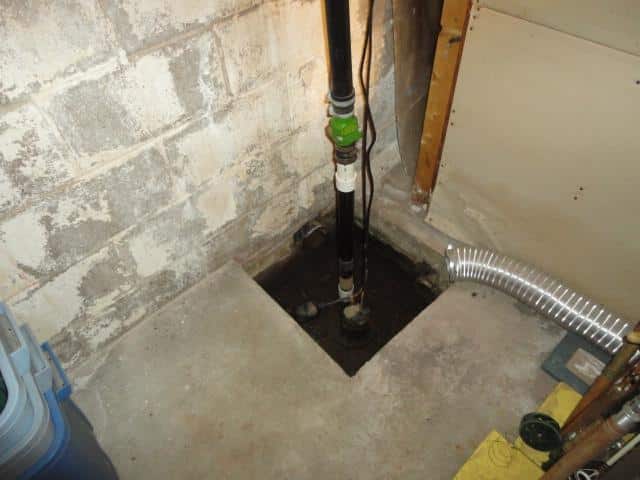
In Greater Grand Rapids, weather rarely follows a simple pattern. Spring brings rapid snowmelt and steady rain. Summer delivers intense thunderstorms. Fall saturates soil before winter freeze. Each season presents a different stress test for your home’s drainage system.
For many homeowners, the sump pump is the primary defense against groundwater intrusion. Yet few people think about it until they hear it running nonstop during a heavy storm.
The problem is not just rain. It is how West Michigan storm patterns combine with soil saturation and fluctuating groundwater levels. These conditions can push sump pump systems to their limits.
Understanding how regional weather impacts your sump pump system in Grand Rapids can help you prevent unexpected basement flooding.
1. The Unique Rainfall Patterns of Greater Grand Rapids
West Michigan receives consistent annual precipitation, influenced partly by Lake Michigan. While lake-effect snow is widely discussed in winter, rainfall patterns throughout the year also affect groundwater behavior.
Key weather factors include:
Unlike isolated flash floods, many water intrusion issues develop from cumulative rainfall over several days.
This steady saturation increases groundwater levels around foundations, forcing sump pumps to cycle more frequently.
Even if rainfall does not appear extreme, groundwater pressure can build significantly below the surface.
2. Why Sump Pumps Work Harder Than Homeowners Realize
A sump pump activates when water enters the sump basin through perimeter drainage systems.
During moderate conditions, it may cycle occasionally. However, during extended rain periods, it can run continuously for hours.
When a sump pump system in Grand Rapids runs excessively, several risks increase:
Many homeowners assume their pump can handle unlimited demand. In reality, every pump has capacity limits.
If groundwater inflow exceeds pump capacity, water levels may rise faster than the system can discharge.
3. What Happens During Rapid Snowmelt
Snow accumulation throughout winter may seem harmless while temperatures remain below freezing. The risk increases when temperatures suddenly rise.
Rapid snowmelt saturates already frozen or partially frozen soil. Because frozen ground limits drainage, meltwater often pools around foundations.
This scenario creates:
Sudden groundwater pressure spikes
Increased sump pump cycling
Elevated risk of pump overload
Spring is one of the most common times for basement water issues in Grand Rapids.
If the sump pump system is not properly maintained or sized for demand, failure becomes more likely.
4. The Danger of Power Outages During Storms
Severe summer thunderstorms frequently cause localized power outages in West Michigan.
When electricity fails, a primary sump pump stops operating. Meanwhile, heavy rain continues, and groundwater levels rise.
Without a backup sump pump installation, water can quickly fill the sump basin and overflow into the basement.
Storm-related outages are especially dangerous because they often coincide with peak groundwater pressure.
Redundancy is critical in regions where storms and electrical disruptions overlap.
5. Signs Your Sump Pump Is Struggling
Homeowners rarely inspect their sump pump until a problem occurs. However, warning signs often appear beforehand.
Indicators that your sump pump system may be under stress include:
Frequent cycling during light rain
Loud or unusual noises
Vibration during operation
Irregular activation
Visible rust or corrosion
Water not discharging efficiently
If the pump appears to run continuously during moderate rain, it may be undersized or overwhelmed by groundwater volume.
Early inspection prevents emergency failure during severe weather.
6. The Importance of Proper Sump Pump Sizing
Not all sump pumps are created equal.
Pump capacity must match:
An undersized pump may function adequately during light rain but fail during prolonged storms.
Professional sump pump replacement in Grand Rapids ensures:
Correct horsepower rating
Proper discharge pipe diameter
Reliable float switch configuration
Adequate drainage routing
Sizing is not a guess. It requires evaluating actual water volume during peak conditions.
7. Backup Systems Add Essential Protection
A backup sump pump system provides secondary protection when:
Battery-powered backups activate automatically when needed.
In West Michigan’s unpredictable storm patterns, redundancy significantly reduces flood risk.
A backup pump is not an upgrade for luxury. It is a practical safeguard in a region prone to sudden weather shifts.
8. Discharge Line Problems During Winter
Winter introduces a different risk.
Discharge lines can freeze if not properly insulated or angled. When water cannot exit the pipe, it backs up into the sump basin.
Frozen discharge lines may cause:
Professional installation includes freeze-resistant routing and proper slope to prevent winter-related failures.
Basement flood prevention in West Michigan requires year-round planning, not just summer storm preparation.
9. Maintenance: The Overlooked Factor
Even high-quality sump pump systems require regular maintenance.
Recommended steps include:
Annual inspection before spring thaw
Testing float switch operation
Cleaning debris from the sump basin
Checking discharge line clearance
Inspecting battery backup charge levels
Without routine maintenance, even the best pump may fail when most needed.
Preventive service reduces emergency repair costs and extends system lifespan.
10. Why Professional Evaluation Matters in Grand Rapids
Every property in Greater Grand Rapids sits on different soil and drainage conditions.
Professional waterproofing contractors assess:
This comprehensive evaluation ensures your sump pump system is prepared for regional storm demands.
Flood prevention is not about reacting to water. It is about anticipating it.
Frequently Asked Questions
How long should a sump pump last?
Most pumps last 7 to 10 years depending on usage and maintenance.
How often should I test my sump pump?
At least once per year, ideally before heavy spring rainfall.
Is a backup pump necessary in Grand Rapids?
Given regional storm patterns and power outages, backup protection is strongly recommended.
Can heavy rain overwhelm a properly working pump?
Yes, if groundwater inflow exceeds pump capacity.
Does sump pump replacement increase home value?
A reliable sump pump system reassures buyers and reduces perceived flood risk.
Conclusion: Storms Will Come, Preparation Matters
West Michigan weather patterns place constant pressure on residential drainage systems. Even without visible flooding, prolonged rainfall and snowmelt can elevate groundwater levels significantly.
A properly sized and maintained sump pump system in Grand Rapids is essential for basement flood prevention. Adding backup protection and routine inspection ensures reliable performance during the most demanding weather conditions.
Waiting until a storm reveals system weakness is a costly gamble. Proactive evaluation and professional installation provide year-round peace of mind.