
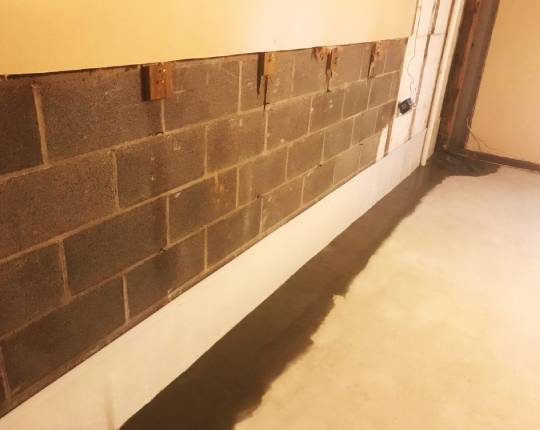
Ever thought about how waterproofing can extend the life of your basement? It’s not just about keeping your feet dry. Waterproofing prevents moisture, a notorious troublemaker, from causing structural damage and decay. By using techniques like interior drainage and exterior sealing, you’re building a fortress against water-related issues that can compromise your basement’s integrity. Not only does this mean fewer repairs, but it also results in a safer, more durable space. Intrigued? Let’s explore more about how this could mean a more sustainable home for you.
Key Takeaways
- Waterproofing prevents water damage, thus maintaining the structural integrity of your basement and preventing costly repairs.
- It controls humidity, reducing the risk of mold and mildew growth which can deteriorate basement structures over time.
- Regular waterproofing inspections identify potential risks early, extending the life of your basement by addressing issues before they escalate.
- Waterproofing methods like interior drainage systems and sump pumps effectively manage water, reducing the frequency of maintenance needed for basement features.
- By preventing drafts and moisture, waterproofing supports energy efficiency, preserving basement finishes and materials and extending their lifespan.
Understanding Basement Waterproofing
Basement waterproofing may seem complex, but it’s a straightforward process once you understand it. Imagine your house as a ship and your basement as the hull. What keeps the ship afloat? It’s the hull’s ability to repel water, right? The same principle applies to your basement.
Your basement’s first line of defense is proper basement drainage. It’s essential in steering water away from your house. You’ve got to guarantee that your gutters and downspouts are clear and functional, directing water away from your house’s foundation.
Next is to make certain your property slopes away from your home to prevent water from pooling around your foundation which can exacerbate moisture issues.
Now, let’s talk about moisture control. It’s not just about keeping water out, but also about controlling the humidity within your basement. Consider a dehumidifier to help maintain a healthy level of moisture.
Additionally, invest in quality waterproofing materials like sealants and paints to protect your basement walls and floor.
The Dangers of Basement Water Damage
You mightn’t realize it, but water damage in your basement can present serious structural and health risks.
If you’re not careful, damp conditions can compromise your home’s foundation and promote the growth of harmful molds.
Let’s explore these dangers further and understand why basement waterproofing is such an essential step in home maintenance.
Structural Risks Involved
Unchecked water damage can be a silent destroyer in your home, particularly in the basement. The constant presence of moisture erodes the foundation integrity over time, slowly compromising the structural stability of your house. You’re at risk of cracks developing in your walls and floors, which can lead to expensive repairs.
Moisture control is paramount to maintain the foundation integrity. Without it, you’re not just looking at a damp basement, but serious structural damage over time. Waterproofing your basement is a surefire way to safeguard your home’s structural health.
To visualize the potential risks and their solutions, refer to the table below:
| Risk | Result | Solution |
|---|---|---|
| Constant Moisture | Erodes foundation integrity | Waterproofing |
| Lack of Moisture Control | Risk of cracks in walls and floors | Moisture control measures |
| Ignored Water Damage | Expensive repairs | Regular inspections |
| Absence of Waterproofing | Risk to structural stability | Implement Waterproofing |
| Damp Basement | Potential structural damage | Effective moisture control |
Health Hazards Unveiled
Without adequate waterproofing, your basement can become a breeding ground for mold and mildew. This not only damages your property, but it also creates severe health concerns.
The dampness and high humidity levels can lead to mold exposure and allergen buildup in your home. These conditions can greatly degrade air quality, leading to respiratory issues, especially in individuals with asthma or allergies.
The damp environment is also inviting to various pests, creating potential for pest infestations. Some of these creepy crawlers carry diseases or toxic substances, posing even more health risks.
Consider the following:
- Mold Exposure: Once mold spores enter your respiratory system, they can cause ailments ranging from minor allergic reactions to severe respiratory issues.
- Pest Infestations: Rodents, spiders, and insects thrive in moist environments. They can spread diseases and even damage your property.
- Toxic Substances: Certain pests can carry toxic substances. Additionally, some types of mold produce mycotoxins, potentially harmful compounds.
Types of Basement Waterproofing Methods
Three main types of basement waterproofing methods stand as your shield against potential water damage.
First, interior drainage, accompanied by sump pumps, redirects water that’s made its way inside. Don’t underestimate the power of these systems; they’re the heart of your defense, especially during heavy rains.
Exterior sealing is your second line of defense. It includes applying waterproof paint and installing vapor barriers on the outer walls of your basement. This method is designed to block water before it can infiltrate your home.
Foundation repair often goes hand in hand with this method, ensuring the structural integrity of your basement and making it impervious to water.
The Longevity Benefits of Waterproofing
Now, let’s consider the longevity benefits of waterproofing your basement.
By preventing structural damage and reducing mold risks, you’re not just preserving the integrity of your home – you’re extending its lifespan.
It’s a forward-thinking investment that pays off in the long run.
Preventing Structural Damage
Nearly every homeowner can benefit from basement waterproofing to prevent structural damage.
It’s an investment that not only safeguards your property but also enhances its longevity.
With waterproofing, you’re ensuring your home’s foundation integrity, which is critical in maintaining its overall structural stability.
Waterproofing your basement offers three distinct benefits:
- Moisture Control: Basement waterproofing helps to keep excess water out. This leads to better moisture control, reducing the chances of water seeping into your basement walls and floor, which can weaken the structural integrity of your foundation over time.
- Prevents Cracks and Buckling: Waterproofing makes your basement walls and floors resistant to water pressure. Without it, water can cause cracks and even make your walls buckle. This can lead to expensive repairs and even affect your home’s value.
- Protects against Soil Erosion: By keeping water from penetrating your basement, waterproofing also prevents soil erosion around your foundation. This helps maintain the stability of your home.
Reducing Mold Risks
In addition to preventing structural damage, waterproofing your basement also greatly reduces the risk of mold growth. It’s a vital step in mold prevention. Moist, dark spaces like an unprotected basement provide ideal conditions for mold to thrive. This not only damages your property but also poses serious health risks.
By waterproofing your basement, you’re fundamentally cutting off the water supply that mold spores need to grow. It’s a proactive approach to moisture control. Without excess water seeping through your basement walls or floor, the environment becomes inhospitable to mold. You’ll be saving yourself from potential costly mold remediation in the future.
Don’t underestimate the power of prevention. Remember, while mold might seem like a small problem at first, it can quickly get out of hand. It’s not just about the visible growth on your walls or ceiling. Mold can also infiltrate air ducts, carpeting, and furniture. This can lead to allergies and respiratory issues for you and your family.
Waterproofing your basement isn’t just about maintaining its structural integrity. It’s about creating a healthier, safer environment in your home.
Waterproofing and Property Value
Over time, waterproofing your basement can greatly contribute to your property’s value. It improves your property appraisal, increases market demand, and can greatly boost your home’s resale value. This isn’t just a mere assumption, it’s a fact backed by real estate professionals and homeowners alike.
- Property Appraisal: Waterproofing enhances your basement’s condition, reducing the renovation costs and consequently, increasing the overall property appraisal. It’s an investment return you can’t overlook.
- Market Demand and Resale Value: Buyers are on the lookout for homes that are well-maintained. Waterproofing your basement improves buyer perception of your property, making it more attractive and increasing its value on the market.
- Insurance Implications and Neighborhood Standards: If you’ve waterproofed your basement, you’re less likely to face hefty insurance claims due to water damage.
Plus, maintaining neighborhood standards is simpler when you’ve got a dry, well-kept basement.
Cost-Benefit Analysis of Waterproofing
While it might seem like a significant upfront expense, waterproofing your basement is truly a smart investment. You may balk at the initial costs, but consider the long-term financial savings. A detailed cost analysis will reveal that waterproofing now can save you from costly repairs in the future.
Water damage can lead to a host of problems. Besides the visible issues like staining and mold, it can also weaken your basement’s structure. Fixing these problems isn’t cheap, especially if they’ve been left untreated for a while.
By waterproofing your basement, you’re fundamentally investing in preventive maintenance. Think about it, wouldn’t you rather pay for a one-time waterproofing solution than fork out cash repeatedly for repairs? Waterproofing can prevent damage from occurring in the first place, reducing the need for future expenses.
In the end, the cost-benefit analysis shows that the financial savings from waterproofing your basement are substantial. Not only does it safeguard the structural integrity of your home, but it also saves you from frequent, hefty repair bills.
Waterproofing your basement is a cost-effective decision that pays off in the long run.
Choosing the Right Waterproofing Solution
Having established the financial wisdom of waterproofing your basement, your next step is to select the right waterproofing solution for your home.
It’s not as intimidating as it may seem, and there are a few key elements you’ll need to reflect on.
- Drainage systems: The first line of defense against water intrusion is a good drainage system.
It’s crucial to have a system that effectively channels water away from your property to prevent it from seeping into your basement. This could include a sump pump, French drains, or gutters and downspouts.
- Sealant options: Various sealants are available, each with its own strengths and weaknesses.
Some sealants work best for minor leaks while others are better for more serious water intrusion issues. You’ll need to assess your basement’s needs and choose accordingly.
- Professional consultation: It’s wise to consult with a professional waterproofing company.
They’ll evaluate your specific situation and can make recommendations based on their expertise.
Frequently Asked Questions
What Types of Warranties Are Typically Offered on Basement Waterproofing Services?
Typically, you’ll find two types of warranties offered on basement waterproofing services.
First, a service warranty covers defects in the workmanship. It’s usually limited to a specific duration, often one year.
Second, a material warranty covers issues with the waterproofing products used. It’s often longer, sometimes even lifetime.
However, you’ll want to read the fine print, as warranty coverage can vary greatly between companies.
How Long Does the Waterproofing Process Typically Take?
You’re likely wondering how long the waterproofing process takes.
It’s not a one-size-fits-all answer; it can vary depending on the waterproofing methods used. Generally, you’re looking at a few days to a week.
It’s important to remember that a thorough job can’t be rushed. The installation timeline may seem lengthy, but it’s worth it to protect your basement from potential water damage and increase its lifespan.
Can I Still Waterproof My Basement if Its Already Finished?
Absolutely, you can waterproof your finished basement.
It’s not as straightforward as waterproofing an unfinished one, but it’s achievable. Various waterproofing techniques can be applied without tearing apart your finished basement.
It might involve installing a water drainage system, applying a waterproof coating, or using a dehumidifier.
What Maintenance Is Required After My Basement Is Waterproofed?
Once your basement’s been waterproofed, you’re not done yet.
It’s essential to conduct post-waterproofing inspections. Check regularly for cracks or leaks, especially after heavy rains.
Regular maintenance tips include keeping gutters clean and ensuring your yard’s grading directs water away from your home.
Don’t let your efforts go to waste by neglecting maintenance.
Does Weather or Climate Affect the Effectiveness of Basement Waterproofing?
Yes, climate impact and weather variability do affect the effectiveness of your basement waterproofing.
If you’re in an area with heavy rainfall or snow, waterproofing is essential and might require more maintenance.
On the other hand, in dry climates, less upkeep might be needed.
It’s important to guarantee the waterproofing can withstand your local weather conditions to keep your basement dry and extend its lifespan.
Conclusion
So, you’ve seen how waterproofing can extend the life of your basement, prevent damage, and boost your property value. It’s a cost-effective solution that provides long-lasting benefits. But remember, choosing the right waterproofing method is essential. Don’t skimp on this vital home improvement project. With the right approach, you can enjoy a durable, safe, and dry basement for years to come. It’s truly a worthwhile investment in your home’s future.

Rob VanSuilichem
Serving Michigan homeowners for over 32 years, Everdry is one of the Nation’s largest and most experienced waterproofer.
Locally owned, operated and staffed, Everdry professionals take a personal one-on-one approach in educating homeowners so they truly understand all their options for creating a safe, dry, healthy and usable space in their basements.
What Sets Us Apart
- Unbeatable quality due to the experience of the owners and staff.
- Unbeatable value due to the efficiency and expertise of more than 32 years of experience.
- Unbeatable value due to the purchasing power of being one of the largest waterproofers in the nation.
- Unbeatable service due to the fact that EverDry is a locally owned and operated company.
Credentials Include:
- Members of the Home Builders Association
- H.U.D. evaluated
- I.C.C. evaluated (Report #94-07)
- Better Business Bureau Accredited with the Eastern and Western Michigan BBB
- Fully Licensed and Insured
The aforementioned memberships are important because we benefit from the constant exchange of information and knowledge. We are updated on everything from installation techniques, to customer service improvements. You benefit in the knowledge that these third party inspection agencies require us to meet stringent requirements to remain members in good standing.
Better Business Bureau
We have been nominated and won the prestigious Better Business Bureau’s Torch Award for Ethics many times, Chosen as a W.Mich.BBB Torch finalist in 2014 & 2015, Won the Torch Award for Ethics in 2016, Won the Eastern Michigan BBB Torch Award in 2019 and was also chosen as a Western Michigan BBB Torch finalist in 2019. Won the Eastern Michigan BBB Torch Award in 2023 and Finalist for the Western Michigan BBB Torch Award in 2020 & 2021!
Mission Statement
To create raving fans of our customers and employees through frequent contact, constant training, a commitment to excellence and unlimited opportunity.
