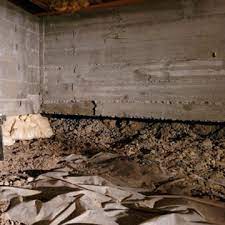
Have you ever considered that waterproofing your home could potentially lower your home insurance premium? It’s true. Waterproofing reduces the risk of water damage and consequential mold growth, two issues that can cause considerable structural damage. Insurers usually reward such preventative measures with lower premiums. But how exactly does this work, and could the savings on your insurance cover the cost of waterproofing? Let’s explore further.
Key Takeaways
- Waterproofing mitigates the risk of water damage, potentially reducing insurance premiums due to lower risk.
- By preventing mold growth, waterproofing decreases the potential for costly insurance claims for mold remediation.
- Waterproofing maintains property value, leading to lower cost-to-rebuild estimates and subsequently lower premiums.
- Waterproofing helps avoid structural damage claims, which can significantly raise insurance premiums if they occur.
- Insurance providers appreciate proactive measures like waterproofing, often rewarding homeowners with reduced premium rates.
Understanding Home Insurance Premiums
When you sign up for a home insurance policy, you’re fundamentally entering into a contract. It’s a deal between you and the insurance company, where you pay a predetermined amount, called a premium, and they agree to cover certain damages to your home.
Now, understanding the home insurance basics is key to grasping how your premium is calculated. The insurance company takes into account several premium factors, such as the location of your home, its age and condition, your credit score, and the level of risk associated with your property.
If you’re living in an area prone to natural disasters like floods or earthquakes, your premium will be higher. Similarly, an older home or one in poor condition will also warrant a higher premium, as they’re more likely to require repairs.
Your credit score can also influence your premium, with lower scores typically resulting in higher premiums.
And then there’s risk. If you’ve got a swimming pool, a trampoline, or even certain dog breeds, your insurer may consider these as risk factors, raising your premium.
The Impact of Water Damage
One of the most common culprits for home damage is water. Whether it’s a leaky pipe or flood risks, water can wreak havoc on your property. It’s not just the immediate damage you need to worry about. Moisture inside your home can lead to long-term issues like mold and structural damage.
When water damage strikes, you’ll likely find yourself dealing with insurance claims. These can be a headache, not to mention expensive. Your insurance premiums may increase as a result of water-related claims.
To give you a snapshot of the potential costs, let’s look at a table:
| Type of Damage | Average Repair Cost | Impact on Premium |
|---|
| Mold | $2,000 – $6,000 | Increase |
| Structural Damage | $10,000 – $30,000 | Significant Increase |
| Flood Damage | $7,000 – $30,000 | Major Increase |
As you can see, water damage can be costly and impact your insurance premiums. By taking preventative measures, like waterproofing, you can protect your home and possibly lower your insurance costs. But we’ll explore that in the next section titled “Waterproofing: A Preventative Measure”.
Waterproofing: A Preventative Measure
Waterproofing your home can be a game-changer in preventing water damage and its subsequent headaches. It’s a proactive approach to maintaining your home’s integrity and health, fundamentally serving as a shield against moisture invasion.
Think of waterproofing as foundation maintenance. You’re not just protecting your home from cosmetic damage; you’re also safeguarding its structural integrity. Over time, water seepage can compromise your foundation, leading to expensive repairs and even safety hazards.
By waterproofing, you’re blocking the path of water, ensuring that it doesn’t erode the strength of your home’s foundation.
Moisture control is another benefit of waterproofing. Dampness can lead to mold growth, which poses health risks and can be a nightmare to remove. By keeping moisture at bay, you’re making your home less hospitable to mold and other harmful fungi.
In summary, waterproofing is an investment in your home’s future. It’s a preventative measure that can save you significant money and trouble down the line.
Yes, it requires an upfront cost, but consider the peace of mind you’ll gain knowing that you’ve taken a crucial step in protecting your home.
How Waterproofing Lowers Premiums
Imagine slashing your home insurance premiums considerably. It’s not a far-fetched dream – waterproofing your home can make it a reality. Waterproofing reduces the risk of water damage, a common reason for insurance claims. By lowering this risk, you’re effectively lowering the risk to insurers, which translates into lower premiums for you.
| Benefit of Waterproofing | Impact on Insurance Premiums |
|---|
| Mold Prevention | Reduces potential for costly mold remediation claims, lowering premiums. |
| Property Value Protection | Maintains or increases property value, potentially leading to lower cost-to-rebuild estimates and consequently, lower premiums. |
| Structural Integrity | Mitigates risk of structural damage claims, further reducing premiums. |
But it’s not just about cost savings. Waterproofing delivers significant benefits, from mold prevention to maintaining your property value. Mold can wreak havoc on a property, leading to expensive remediation that insurers would rather avoid. And by protecting your property’s value, you’re less likely to face a costly claim for a total loss. All these factors convince insurers to reward you with a lower premium. So, while waterproofing might be an upfront investment, it’s one that pays off in the long run.
Choosing the Right Waterproofing Solution
Now that you understand how waterproofing can lower your insurance premiums, it’s time to explore how to select the right waterproofing solution for your home.
The choice largely depends on your home’s specific needs and vulnerabilities.
First, consider basement sealing. This is an excellent option if your home has a basement prone to moisture or flooding. Proper sealing can protect your basement from water damage, reducing the risk of costly repairs and, in turn, potentially lowering your insurance premium.
Then, there’s exterior drainage. If your home sits on a slope or has a high water table, installing an exterior drainage system can make a world of difference.
It diverts water away from your home’s foundation, preventing seepage into the basement. This can keep your home dry and save you a bundle on both repair costs and home insurance.
Frequently Asked Questions
What Are Some Common Signs That My House Needs Waterproofing?
Signs that your house needs waterproofing include water stains on your walls or ceilings, a musty smell, or mold growth.
If you’re noticing peeling paint or condensed windows, it’s likely you have a moisture control issue.
Water damage can also result in warped wood and rust on metal surfaces.
Ignoring these signs can lead to more serious problems down the line.
Waterproofing helps mitigate these issues, keeping your home safe and sound.
Is Waterproofing Necessary for Homes in All Climates or Specific Regions Only?
Waterproofing isn’t just for certain climates or regions, it’s beneficial for all homes. Regardless of your location, it protects your home from water damage.
Climate considerations play a role in the waterproofing methods used. For example, homes in wet climates might need more extensive waterproofing.
Regional requirements can also dictate the type of waterproofing needed. So, wherever you live, you’ll find waterproofing’s a smart, preventative measure for your home.
Does Home Insurance Cover the Cost of Waterproofing Repairs?
While your home insurance typically covers water damage, it doesn’t usually cover the cost of waterproofing repairs.
You’re responsible for maintaining your property, so if you neglect issues like leaks, you may see a rise in insurance claims.
By waterproofing your home, you’re preventing potential water damage, which in turn, could lower your number of claims and resultantly decrease your insurance premiums.
How Often Should I Have a Professional Inspect My Home for Water Damage?
You should have a professional inspect your home for water damage at least once a year.
Regular inspections can catch issues early, helping with water damage prevention. If you’re living in a high-risk area for floods or heavy rainfall, you might consider increasing this inspection frequency.
Remember, it’s better to invest in proactive maintenance than face costly repairs down the line.
It’s always good to prevent issues before they become big problems.
What Types of Waterproofing Materials Are Safe for the Environment?
When considering environmentally-friendly waterproofing, you’ll want to look into eco-friendly sealants and sustainable membranes.
These materials are designed to resist water without harming the environment. Eco-friendly sealants are often made from natural materials, while sustainable membranes can be recycled.
They’re not only good for your home but they’re also kind to the planet. So, you can keep your home dry and contribute to a healthier environment at the same time.
Conclusion
So, you see, waterproofing your home isn’t just about avoiding water damage. It’s a smart financial move that can greatly lower your insurance premiums. By taking preventive measures, you’re showing your insurer you’re serious about protecting your property. This could lead to big savings in the long run. So, don’t hesitate – choose the right waterproofing solution for your home and start saving on your insurance today.