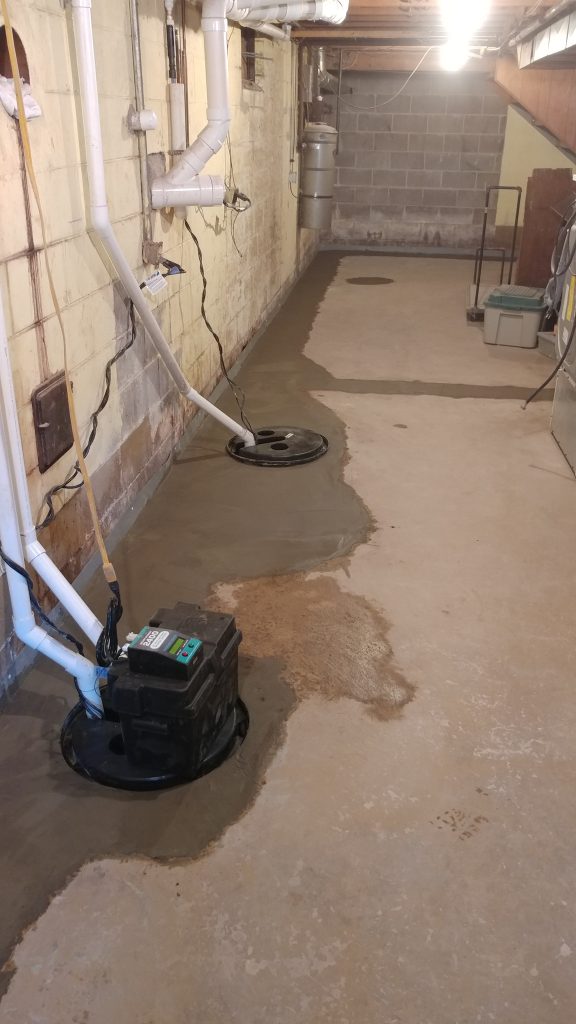
Most homeowners in Saginaw do not think about their sump pump until they hear it running during a heavy storm. It sits quietly in the sump basin, rarely visible, and often forgotten.
The problem is simple. A sump pump usually fails when you need it most.
Spring snowmelt, summer thunderstorms, and extended rainfall all increase groundwater pressure around foundations in Michigan. When that pressure rises, your sump pump becomes the only barrier between your basement and potential flooding.
Recognizing early sump pump failure symptoms before the next storm can prevent thousands of dollars in water damage and unnecessary stress.
Why Sump Pumps Work Harder in Saginaw
Saginaw’s soil conditions and seasonal weather patterns place consistent demand on sump pump systems.
Contributing factors include:
Clay-heavy soil that retains water
Rapid spring thaw
Prolonged rain events
Fluctuating groundwater levels
Freeze-thaw cycles affecting drainage
Even if your basement has never flooded, your sump pump may be cycling more frequently than you realize.
Frequent cycling increases wear on mechanical components, making early detection of problems critical.
Sign #1: Unusual Noises During Operation
A properly functioning sump pump should operate smoothly with a steady motor sound.
Warning noises include:
These sounds may indicate worn bearings, loose components, or motor strain.
Ignoring unusual noises can lead to sudden mechanical failure during peak demand.
If you notice changes in sound, scheduling sump pump repair in Saginaw early can prevent emergency replacement later.
Sign #2: Irregular Cycling or Constant Running
Your sump pump should activate when water reaches a certain level and turn off once the basin empties.
Potential warning signs include:
Running continuously even in dry conditions
Turning on and off rapidly
Failing to activate during heavy rain
Cycling more frequently than usual
Rapid cycling may signal a faulty float switch. Continuous operation can indicate discharge blockage or pump overload.
Both issues increase the risk of overheating and burnout.
Sign #3: Visible Rust or Corrosion
Over time, sump pump components are exposed to moisture, minerals, and debris.
Signs of deterioration include:
Rust on the motor housing
Corroded discharge pipes
Mineral buildup on float switches
Debris accumulation in the basin
Iron bacteria buildup is common in Michigan and can clog moving parts.
Corrosion reduces efficiency and may cause mechanical components to stick or fail entirely.
Regular inspection helps identify wear before performance declines.
Sign #4: Water Not Discharging Properly
If your sump pump activates but water does not exit efficiently, discharge issues may be present.
Common problems include:
Water backing up into the basin places additional stress on the motor and increases flood risk.
Basement flood prevention in Michigan depends on both pump function and proper discharge routing.
Sign #5: Age of the Pump
Most sump pumps last approximately 7 to 10 years, depending on usage and maintenance.
If your pump is approaching or exceeding this age range, proactive replacement may be wise.
Older pumps are more prone to:
Motor failure
Float switch malfunction
Reduced pumping capacity
Electrical issues
Waiting for an older unit to fail during a storm can result in significant damage.
Professional evaluation determines whether repair or replacement is more cost-effective.
The Importance of Battery Backup Systems
Even a perfectly functioning sump pump cannot operate during a power outage without backup protection.
In Saginaw, storms that increase groundwater levels often cause electrical outages.
A battery backup sump pump system:
Activates automatically when power fails
Provides secondary protection if the primary pump malfunctions
Reduces risk of unexpected flooding
Without backup, a brief outage during heavy rain can lead to rapid water accumulation.
Redundancy is one of the most effective preventive measures homeowners can install.
Routine Maintenance Prevents Emergency Repairs
Preventive sump pump maintenance is often overlooked.
Recommended annual steps include:
Testing pump activation manually
Cleaning debris from the basin
Inspecting float switch movement
Checking discharge line clearance
Ensuring backup battery is charged
Scheduling professional inspection before spring thaw ensures the system is ready for peak demand.
Routine service is far less expensive than emergency water damage restoration.
The Risk of Waiting Until After a Flood
Some homeowners assume they can replace a sump pump after it fails.
Unfortunately, failure often occurs during peak water pressure events. When groundwater levels are high, delays in repair can result in:
Carpet and flooring damage
Mold growth within 24 to 48 hours
Damaged drywall and insulation
Electrical hazards
Water damage costs often far exceed the price of preventive maintenance or timely replacement.
Early detection protects both structure and belongings.
When to Call a Professional
You should schedule a professional inspection if:
Your sump pump is more than 7 years old
You hear unusual noises
The pump cycles excessively
You notice rust or debris buildup
You have experienced previous water intrusion
You lack a battery backup system
Professional waterproofing contractors evaluate the entire system, not just the pump itself.
Proper sizing, discharge planning, and backup integration ensure reliable performance under Saginaw’s demanding weather conditions.
Frequently Asked Questions
How often should I test my sump pump?
At least once per year, ideally before heavy spring rainfall.
Can a sump pump fail without warning?
Yes. Mechanical wear or electrical issues can cause sudden failure if not inspected regularly.
Is a battery backup necessary?
In Michigan, where storms and outages often overlap, backup protection is strongly recommended.
Should I repair or replace my pump?
This depends on age, condition, and repair cost. A professional inspection provides guidance.
Can I maintain my sump pump myself?
Basic cleaning and testing can be done by homeowners, but professional evaluation ensures full system reliability.
Conclusion: Do Not Let the Next Storm Reveal a Weak System
Your sump pump is one of the most important protective systems in your Saginaw home. It works quietly in the background until groundwater pressure increases.
Recognizing early sump pump failure symptoms allows you to act before the next heavy rain arrives.
Preventive maintenance, timely repair, and backup protection ensure your basement remains dry even during Michigan’s unpredictable weather.
Waiting until after a flood is far more costly than preparing beforehand.
If your sump pump shows warning signs or has not been inspected recently, now is the time to schedule a professional evaluation.