

You’ve probably not given much thought to your crawlspace, but did you know it might be quietly causing significant issues in your home? Moisture problems in crawlspaces can lead to mold growth, structural damage, and even health risks for you and your family. So, how can you tell if you’re dealing with this unseen threat? By recognizing some key signs, you can identify and address these problems before they escalate. But what are those signs? And what should you do once you’ve found them? Let’s unravel this hidden mystery together.
Key Takeaways
- Look for visible signs of moisture like mold, mildew, condensation on walls, wet insulation, and musty odors in your crawlspace.
- Structural damage such as sagging floors, difficulty opening/closing doors and windows, and cracks in drywall indicate moisture issues.
- High humidity levels, detected with a hygrometer, can suggest a moist crawlspace.
- Leaking pipes, poor ventilation, and external water intrusion are common causes of crawlspace moisture.
- Professional assessments, including moisture mapping and air quality testing, can accurately identify moisture problems in your crawlspace.
Understanding Crawlspaces
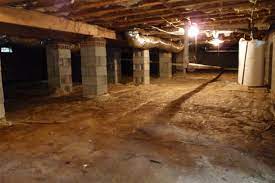 In the domain of home maintenance, crawlspaces are often out of sight and out of mind. Yet, they’re vital to your home’s health, serving as the belly of your house that can harbor unwanted moisture. Hidden beneath your feet, they’re typically small, confined areas that allow access to the plumbing and electrical systems of the house.
You mightn’t spend much time thinking about your crawlspace, but it’s important to understand its role. It’s designed to vent the natural moisture that rises from the ground, preventing it from reaching the main living areas of your home. If it’s doing its job correctly, you’ll hardly notice it’s there.
But it’s not always smooth sailing. Crawlspaces can have problems, and moisture is usually the main culprit. High humidity, leaks, or poor drainage can all lead to moisture buildup.
When that happens, it can cause a host of problems. It’s vital to be able to recognize the signs of moisture problems in your crawlspace, so you can tackle them before they get out of hand.
In the next section, we’ll discuss the importance of keeping your crawlspace dry.
Importance of a Dry Crawlspace
You may wonder, why is a dry crawlspace so essential?
Well, moisture in your crawlspace can pose serious risks to your home’s structural integrity and your health.
Let’s now explore how to guarantee your crawlspace remains dry and why it’s so important.
Crawlspace Moisture Risks
Moisture problems in your crawlspace aren’t just an annoyance; they’re a serious risk to your home’s health and safety. An excessively damp crawlspace can lead to a multitude of issues, each posing a considerable threat to your home’s structure and your family’s wellbeing.
Let’s break it down:
| Potential Problem | Consequences | Prevention |
|---|---|---|
| Mold Growth | Mold can lead to respiratory issues and other health problems. | Regular crawlspace checks and moisture control. |
| Structural Damage | Moisture can weaken wooden beams, risking collapse. | Guarantee proper drainage and use of vapor barriers. |
| Pest Infestation | Damp environments attract pests which can damage property and spread disease. | Regular pest control and maintaining dry conditions. |
| Decreased Property Value | Moisture damage can greatly decrease your home’s value. | Regular maintenance and inspection to catch issues early. |
Don’t underestimate the importance of a dry crawlspace. It’s not just about avoiding a musty smell or preventing the odd patch of mold; it’s about maintaining your home’s integrity and guaranteeing a safe, healthy environment for your family. Moisture control isn’t a luxury; it’s a necessity.
Ensuring Crawlspace Dryness
Keeping your crawlspace dry isn’t just a preventative measure, it’s a home maintenance essential. When you allow moisture to build up, you’re inviting a host of problems.
Mold and mildew can develop, potentially damaging structural integrity and decreasing your home’s value. Plus, damp conditions attract pests like termites and rodents.
So, how do you guarantee dryness? First, you’ve got to install a quality vapor barrier. This plastic or foil sheeting will prevent ground moisture from seeping up into your crawlspace.
But don’t stop there. You need proper ventilation. Without it, the humidity level can rise, creating an ideal environment for mold growth and wood rot.
Next, consider a crawlspace dehumidifier. They’re designed specifically for these low-lying areas and can help combat high humidity levels.
Identifying Moisture Indicators
Detecting the telltale signs of moisture problems in your crawlspace is often the first step in addressing this common household issue. You won’t always see water puddling. Sometimes, the indicators are more subtle, but they’re equally telling if you know what to look for.
Check for the presence of mold or mildew, as these fungi thrive in damp environments. You’ll notice a musty smell or visible mold growth. Dampness or condensation on the crawlspace walls is another surefire sign. You might also find wet insulation, or your wood structures may feel damp and could even be rotting.
Here’s a simple table to summarize these indicators:
| Indicator | Details | Check Method |
|---|---|---|
| Mold/Mildew | Thrives in damp environments | Look for visible growth or smell |
| Condensation | Indicates high moisture level | Check for dampness on walls |
| Wet Insulation/Rotting Wood | Result of prolonged exposure to moisture | Feel the insulation and wood structures |
It’s essential to monitor these signs regularly. Early detection can save you from costly repairs down the line. In the next section, we’ll explore the common causes of these moisture problems.
Common Causes of Moisture
Now that you know what to look for, let’s explore common causes of moisture in your crawlspace.
Leaking pipes and plumbing, issues with inadequate ventilation, and external water intrusion can all contribute to the problem.
Understanding these causes can help you address and prevent moisture issues in your crawlspace.
Leaking Pipes and Plumbing
We’ve all experienced it – that sinking feeling when you discover a leaky pipe. It’s not just about the mess or the cost to fix it. No, it’s more than that. It’s about the potential damage to your crawlspace. Leaky pipes and plumbing issues are common culprits when it comes to moisture problems in your crawlspace.
Why is this such a big issue? Well, the presence of moisture can lead to the growth of mold and mildew, which can affect the structural integrity of your home, not to mention the threat to your health. So, it’s essential to regularly check your pipes and plumbing fixtures for any leaks or damage.
Here’s a simple overview of what to look out for:
| Signs | Possible Causes | Solution |
|---|---|---|
| Dampness or water pooling | Leaky pipes | Repair or replace pipes |
| Musty odors | Poorly sealed plumbing | Reseal plumbing fixtures |
| Mold or mildew growth | Persistent leaks | Address the source of the leak immediately |
Inadequate Ventilation Issues
While repairing leaky pipes and resealing plumbing fixtures can go a long way in preventing moisture build-up, it’s equally important to address inadequate ventilation issues in your crawlspace.
Crawlspaces need proper ventilation to allow moisture to escape. Without it, you’re inviting a host of problems. Moisture can lead to mold growth, structural damage, and unwanted pests.
So how can you tell if your crawlspace ventilation is insufficient?
First, check for signs of condensation on the walls, floor, or insulation. If you’re seeing water droplets or damp spots, that’s a red flag.
Second, notice the air. Does it feel humid? Does it have a musty smell? These are clear signs that the ventilation isn’t doing its job.
What can you do to address this? Installing more vents or a dehumidifier can help.
It’s also worth considering a vapor barrier, a plastic sheet that reduces the amount of moisture that seeps up from the ground.
External Water Intrusion
Ever wondered why your crawlspace seems perpetually damp, despite all your efforts to ventilate it properly? The culprit might be external water intrusion, a common source of moisture problems.
Water seeping from the outdoors into your crawlspace can be due to a variety of factors. Poor landscaping that doesn’t allow water to drain away from your home is a prime suspect. If your yard slopes towards your house, or if you don’t have adequate drainage systems like gutters and downspouts, water can easily find its way into your crawlspace.
Cracks and gaps in your foundation walls or around windows and doors can also let water in. Heavy rainfall, flooding, or even a simple sprinkler system can exacerbate these issues and turn your crawlspace into a damp haven.
Addressing external water intrusion is vital to keep your crawlspace dry. Start by inspecting your home’s exterior for cracks, gaps, or poor drainage.
You might need to invest in landscaping, foundation repairs, or better drainage systems. Remember, prevention is always better than cure, so tackle these issues before they cause serious moisture problems in your crawlspace.
Mold and Mildew Signs
Spotting mold and mildew can be a surefire way to know if your crawlspace is grappling with moisture issues. These fungi thrive in damp, dark environments, making your crawlspace a perfect breeding ground.
You’ll find mold in different colors, such as black, green, or white, while mildew usually appears as a thin white or gray layer. Patchy or fuzzy growths on wood or insulation are definitive signs of a mold or mildew infestation.
The smell can be another telling sign. If there’s a musty or earthy odor wafting from your crawlspace, this could be a red flag of mold and mildew presence.
But don’t rely solely on sight and smell. Sometimes, mold and mildew can lurk behind surfaces, out of sight.
To be sure, you could opt for a professional mold testing. This can help you know the extent of the problem and plan for remediation.
Remember, prolonged exposure to mold and mildew can lead to health issues. So, if you spot any signs, act quickly to prevent the problem from escalating.
But don’t panic, mold and mildew are manageable with the right approach and professionals.
Structural Damage Symptoms
Structural damage is another clear indicator of moisture problems in your crawlspace. Prolonged exposure to moisture can weaken your home’s foundational elements, causing them to deteriorate over time.
It’s essential to be vigilant about potential signs of damage to prevent serious structural issues. You may notice sagging floors, which can be a sign of rotting wood joists in your crawlspace.
Another sign may be doors and windows in your home becoming difficult to open or close, indicating that the house’s structure is shifting. In addition, if you see cracks in your drywall or exterior brickwork, it could be a sign of serious foundational issues caused by moisture.
To help you identify structural damage symptoms, here are three things to look out for:
- Unusual noises: If you’re hearing creaking or popping sounds, it could be your home’s structure adjusting to dampness or rot.
- Foul smells: Persistent musty odors could indicate rotting wood or other moisture-related damage.
- Visible mold: While this can also be a sign of a moisture problem, if it’s accompanied by other structural damage symptoms, it’s a clear indicator of severe moisture issues.
Health Risks From Moisture
A surprising number of health risks can arise from excess moisture in your crawlspace. Damp, dark places are breeding grounds for mold and mildew, which can lead to severe respiratory issues. You might find yourself coughing, wheezing, or short of breath without any apparent reason. If you’re experiencing these symptoms, your crawlspace might be the culprit.
Mold isn’t the only concern, though. Dust mites thrive in damp environments and can trigger allergies and asthma. They’re microscopic, so you won’t see them, but you’ll definitely feel their effects.
And let’s not forget about pests. Rodents, insects, and other critters are attracted to moisture and can spread diseases.
Don’t overlook that musty smell either. It’s not just unpleasant; it’s a telltale sign of bacteria growth, another health hazard. These bacteria can cause a range of illnesses, from minor skin infections to serious lung diseases.
In short, a moist crawlspace isn’t just bad for your home’s structure; it’s harmful to your health as well. Don’t ignore the warning signs. Your wellbeing could depend on it.
In our next section, we’ll discuss professional assessments to help you tackle these issues.
Professional Moisture Assessments
If you’re concerned about moisture in your crawlspace, it’s time to contemplate a professional moisture assessment.
Hiring an expert to perform this task guarantees an accurate evaluation of the situation.
Once you’ve received the assessment results, understanding them is vital to take the appropriate steps.
Understanding Moisture Assessments
Without a doubt, professional moisture assessments are essential when it comes to identifying and addressing moisture issues in your crawlspace.
These evaluations are a thorough analysis conducted by trained professionals, designed to pinpoint where and how moisture is entering your crawlspace. They’re not just about spotting visible signs of dampness or water damage, but also identifying hidden risks that could pose future problems.
Now, you’re probably wondering what exactly these assessments involve. Here are a few key components:
- Moisture Mapping: This involves determining the origin and extent of the moisture problem using specialized tools. It helps in creating an extensive map of the damp areas.
- Material Assessment: This checks for dampness in various materials within the crawlspace. It’s vital because different materials absorb and release moisture at different rates.
- Air Quality Testing: This checks the humidity levels and presence of mold spores in the air. High humidity and mold are often signs of excessive moisture.
Hiring Professional Assessors
Understanding the ins and outs of a professional moisture assessment might seem challenging, but don’t fret. When you suspect that your crawlspace has moisture problems, hiring a professional assessor should be your next move. They’re trained and experienced in detecting moisture issues that you might miss.
Professional assessors use specialized tools and techniques that can accurately measure the level of moisture in your crawlspace. They’ll look for signs of excess humidity, such as condensation on walls, dampness on the ground, or mold growth.
They also check for structural issues that could lead to moisture problems, like cracks in the foundation or improper ventilation.
When hiring a professional, verify they’re certified and have a good reputation. It’s not a bad idea to ask for references or look up reviews online.
Also, make certain they provide a detailed report of their findings, which should include the source of the moisture, the extent of the damage, and recommended solutions.
Interpreting Assessment Results
Once you receive the detailed report from your professional assessor, you’ll need to make sense of their findings. This might seem overwhelming at first, but don’t worry, it’s not as complicated as it appears.
The report will likely contain readings of moisture levels from different parts of your crawlspace. High readings indicate a moisture problem that needs immediate attention. Lower readings, on the other hand, mightn’t be a cause for alarm but should still be monitored.
You’ll also have to understand the implications of these findings. That’s where the expert insights from your assessor will come in handy. They should be able to explain what the results mean in layman’s terms and suggest the appropriate steps to take.
To help you interpret the results and plan your next steps, consider these key points:
- High humidity levels in the crawlspace can result in mold growth, which can lead to serious health problems.
- Excessive moisture can cause structural damage to your home, which might be costly to repair.
- If moisture issues aren’t addressed promptly, they can lead to other problems like pest infestations.
DIY Moisture Testing Methods
 Regularly checking your crawlspace for moisture can save you a lot of future hassle. You don’t need to be a professional to perform some basic tests.
For example, a simple visual inspection can be your first step. Look for signs of water intrusion such as dampness, condensation, water stains, or mold.
You can also try the aluminum foil test. Tape a small piece of aluminum foil to your crawlspace wall, sealing it on all sides. Leave it for a couple of days, then check for condensation. If it’s on the room side, your problem is likely humidity; if it’s on the wall side, you may have a leak.
Another method is the moisture meter test. Moisture meters can be purchased at most hardware stores and are easy to use. Simply press the probe against the surface and read the moisture level. Anything above 16% is generally concerning.
Last but not least is the calcium chloride test. This kit measures the moisture vapor emission rate from the concrete. Although it’s a bit more complex, it can provide valuable information about your crawlspace’s moisture level.
Effective Moisture Prevention Strategies
Keeping your crawlspace dry involves a few key strategies. First and foremost, you’ve got to guarantee proper drainage. If water’s pooling around your home’s foundation, it’s likely seeping into your crawlspace.
Installing gutters and downspouts, and making sure they divert water away from your home, can help prevent this.
Another important step is to seal your crawlspace. By using a vapor barrier, you’re creating a moisture-resistant seal between the earth and your crawlspace. This barrier can prevent ground moisture from evaporating into your crawlspace and causing dampness.
Lastly, consider installing a dehumidifier in your crawlspace. This appliance can help regulate moisture levels and keep the space dry. However, it’s vital to maintain it regularly for peak performance.
In summary, these are the three main strategies you can implement:
- Installing gutters and downspouts to divert water away from your home
- Sealing your crawlspace with a vapor barrier
- Installing and maintaining a dehumidifier in your crawlspace
So, keeping your crawlspace dry is essential. Watch out for signs like mold, mildew, dampness, and high humidity levels. Don’t ignore structural issues such as sagging floors or hard-to-open doors. Consider professional assessments or try DIY moisture testing. Addressing these issues promptly not only safeguards your home’s structure, but also your health. Remember, prevention is key, so regularly monitor your crawlspace for any signs of moisture.

Rob VanSuilichem
Serving Michigan homeowners for over 32 years, Everdry is one of the Nation’s largest and most experienced waterproofer.
Locally owned, operated and staffed, Everdry professionals take a personal one-on-one approach in educating homeowners so they truly understand all their options for creating a safe, dry, healthy and usable space in their basements.
What Sets Us Apart
- Unbeatable quality due to the experience of the owners and staff.
- Unbeatable value due to the efficiency and expertise of more than 32 years of experience.
- Unbeatable value due to the purchasing power of being one of the largest waterproofers in the nation.
- Unbeatable service due to the fact that EverDry is a locally owned and operated company.
Credentials Include:
- Members of the Home Builders Association
- H.U.D. evaluated
- I.C.C. evaluated (Report #94-07)
- Better Business Bureau Accredited with the Eastern and Western Michigan BBB
- Fully Licensed and Insured
The aforementioned memberships are important because we benefit from the constant exchange of information and knowledge. We are updated on everything from installation techniques, to customer service improvements. You benefit in the knowledge that these third party inspection agencies require us to meet stringent requirements to remain members in good standing.
Better Business Bureau
We have been nominated and won the prestigious Better Business Bureau’s Torch Award for Ethics many times, Chosen as a W.Mich.BBB Torch finalist in 2014 & 2015, Won the Torch Award for Ethics in 2016, Won the Eastern Michigan BBB Torch Award in 2019 and was also chosen as a Western Michigan BBB Torch finalist in 2019. Won the Eastern Michigan BBB Torch Award in 2023 and Finalist for the Western Michigan BBB Torch Award in 2020 & 2021!
Mission Statement
To create raving fans of our customers and employees through frequent contact, constant training, a commitment to excellence and unlimited opportunity.