You’re no stranger to the home improvement game, but when it comes to waterproofing, things can get a bit murky. It’s not just about slapping on some sealant and hoping for the best. From assessing potential leakage areas to evaluating different waterproofing methods, there’s quite a bit to consider. And what works for one home might not work for another. So, how do you decide which solution is right for you? Don’t worry, you’re not alone in this. We’re here to guide you, step by step, through this process. Curious to know more? Let’s dive in.
Key Takeaways
- Conduct a thorough inspection of your home, including foundation, moisture levels, and exterior conditions.
- Evaluate different waterproofing methods like interior, exterior, and drainage systems for suitability.
- Consider the cost, material durability, and long-term investment benefits of potential solutions.
- Research the reputation of various providers for quality products and reliable installation services.
- Avoid common mistakes like overlooking drainage, ignoring ventilation, and making price-driven choices.
Understanding Different Waterproofing Methods
When you dive into the world of waterproofing, you’ll quickly realize there’s no one-size-fits-all solution. Every home has unique needs based on its location, design, and age.
Let’s talk about the different methods you could choose from.
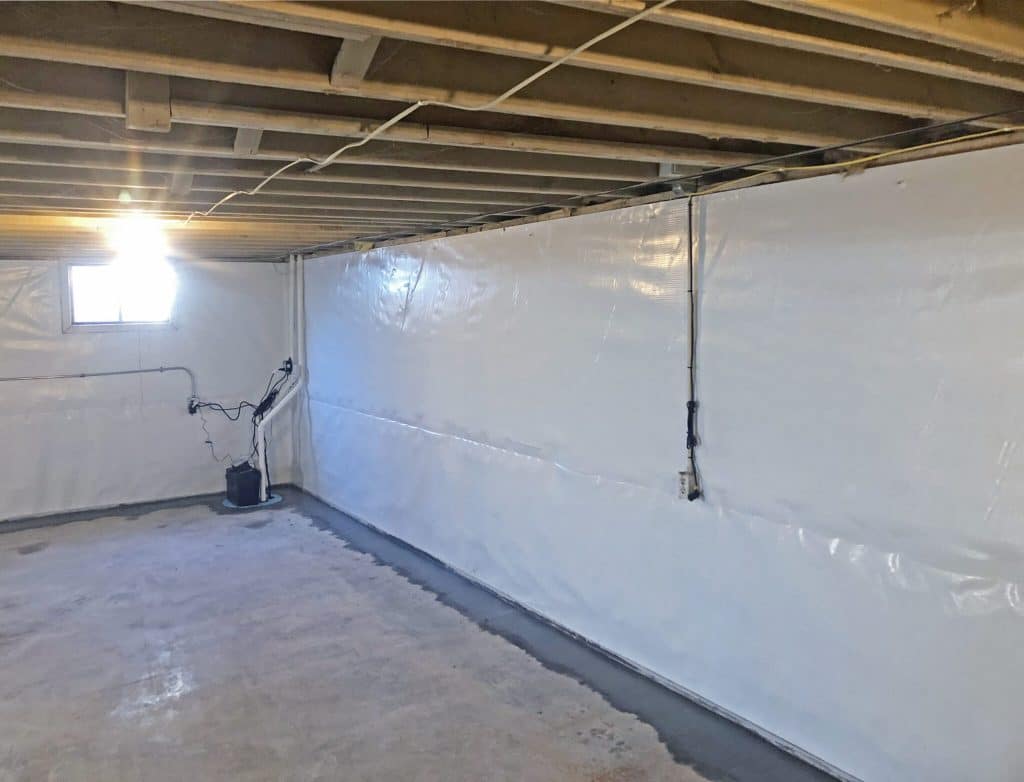
First off, there’s interior waterproofing. It’s a popular choice because it manages water that’s already inside your home. It usually involves sealants and coatings that prevent moisture from seeping into your interiors.
Drainage systems also play a crucial role here, directing water away from your home’s foundation.
If you want to prevent water from ever reaching your home’s interior, exterior waterproofing is your go-to option. Here, a moisture barrier is applied to the exterior walls of your house. This method not only keeps water out but also offers foundation protection.
But don’t forget about sealant types. Each comes with its own benefits and drawbacks. Some sealants offer a quick fix but may need frequent reapplication, while others provide a long-lasting barrier against moisture.
Assessing Your Home’s Specific Needs
Now that you’re familiar with the different waterproofing methods, it’s time to evaluate your home’s specific needs. This step is crucial because every home is unique, and what works for one mightn’t be the best solution for yours.
Start with a thorough foundation inspection. It’s important to identify any cracks, shifts or bulges in your home’s foundation. These could be signs of serious structural issues that may require more than just waterproofing.
Don’t skip this step, it’s the cornerstone of your home’s health.
Next, conduct a detailed moisture assessment. Investigate all potential areas where water could be entering your home. Check for dampness or mold in your basement, walls, or under your carpets.
Even seemingly minor issues like condensation on your windows could be indicative of a larger moisture problem.
Don’t forget your home’s exterior. Look for pooling water, clogged gutters, or soil sloping towards your house; these could all contribute to water penetration.
Evaluating Potential Waterproofing Solutions
By understanding the specifics of your home’s moisture issues, you’re well-equipped to evaluate potential waterproofing solutions. This process requires a detailed cost analysis and a keen eye for material durability.
First, consider the cost. Waterproofing solutions come with varying price tags, so you’ll need to weigh the benefits of each option against its costs. Are you looking for a quick, cheap fix, or are you willing to invest more for long-term protection?
Keep in mind that cheaper solutions mightn’t provide the comprehensive coverage your home needs.
Next, assess material durability. This is crucial as the effectiveness and lifespan of your waterproofing solution heavily depend on it. Whether it’s exterior waterproofing membranes, interior water control systems, or foundation crack injections, each method uses different materials.
Some are more durable and resistant to wear and tear, which can save you money in the long run.
Lastly, don’t forget to consider the reputation and reliability of the provider. The right company will offer not only top-notch products but also excellent installation services.
To make an informed choice, do your homework and compare different providers. Your home’s health is worth the effort.
Common Mistakes When Choosing Waterproofing
Navigating the sea of waterproofing solutions can be daunting, and it’s easy to make mistakes if you don’t know what to avoid. Overlooking drainage and ignoring ventilation are two of the most common errors you might fall into, but they’re far from the only ones.
One of the biggest pitfalls is choosing a solution based on price alone. While it’s tempting to go with the cheapest option, it might not be the best for your home’s specific needs.
Another common mistake is not considering the structure’s unique characteristics. Different buildings require different waterproofing solutions, so what worked for your neighbor might not work for you.
| Common Mistake | Solution |
|---|
| Overlooking drainage | Incorporate proper drainage systems |
| Ignoring ventilation | Ensure adequate ventilation |
| Choosing based on price alone | Consider the quality and suitability of the solution |
Lastly, many homeowners fail to hire professionals with the right experience and knowledge. Waterproofing your home isn’t a DIY job. Only a professional can accurately assess your home’s needs and recommend the best waterproofing solution. So, steer clear of these common mistakes and you’ll be on your way to a dry, safe home.
Tips to Maintain Your Waterproofing System
Keeping your waterproofing system in optimal condition is crucial to ensure its longevity and effectiveness. A well-maintained waterproofing solution can save you from costly repairs and keep your home dry and safe. Here’s how you can maintain your system:
- Regular inspections: Don’t wait for problems to arise. Regularly inspect your waterproofing system to identify any potential issues. Look for cracks, leaks or any signs of damage that could compromise the system.
- Preventative maintenance: Don’t just react to problems, anticipate them. Perform preventative maintenance such as resealing joints and ensuring drainage channels are clear. This can greatly extend the life of your system.
- Professional help: Sometimes, it’s best to let the professionals handle it. They’ve the knowledge and experience to properly maintain your system and can spot issues you might miss.
- Address problems quickly: If you do find a problem, don’t ignore it. The faster you address issues, the less damage they’ll cause.
Frequently Asked Questions
What Is the Average Cost of Home Waterproofing Solutions?
You’re probably wondering about the average cost of home waterproofing solutions.
Well, it’s not a straightforward answer as cost factors vary. They depend on the size of your home, the severity of the issues, and the solution types chosen.
It could range from a few hundred to several thousand dollars.
It’s crucial to get multiple quotes and understand what’s included in the price to ensure you’re getting a fair deal.
Can I Apply Waterproofing Solutions on My Own or Do I Need a Professional?
You can certainly attempt DIY waterproofing, but it’s not always the best route. If you’re handy and understand the process, go for it.
However, professional services often provide a guarantee and are well-versed in handling unexpected issues. Missteps in waterproofing can lead to costly damage, so weigh the pros and cons carefully.
It’s not just about applying the solution; it’s also about knowing which one is right for your home’s specific needs.
How Long Does a Typical Waterproofing Solution Last?
The durability of your waterproofing solution depends on several factors including the quality of the product, application method, and environmental conditions.
Typically, you’re looking at around 5 to 10 years. However, it’s not a set-and-forget situation.
Regular maintenance is key to prolonging the solution’s lifespan. You should annually inspect your home, particularly before wet seasons, to ensure the waterproofing is still effective.
Are There Any Environmental Impacts Associated With Certain Waterproofing Solutions?
Yes, some waterproofing solutions can impact the environment. Many contain harsh chemicals that aren’t eco-friendly.
However, you’re not out of options. There are greener, sustainable options available that are just as effective. Always research the ingredients and their potential environmental impact.
It’s vital to consider chemical safety, especially if you’re near water sources. Remember, you’ve got the power to choose a solution that’s both effective for your home and kind to our planet.
Does Home Insurance Typically Cover Water Damage Due to Failed Waterproofing?
Typically, your home insurance doesn’t cover water damage due to failed waterproofing. It’s often considered a maintenance issue, so it’s your responsibility.
However, certain types of water damage might be covered. It’s essential to review your policy’s details and clarify with your insurer.
Conclusion
You’ve got the power to spot the right waterproofing solution for your home. Remember, it’s about understanding different methods, assessing your home’s needs, and evaluating options. Avoid common mistakes by prioritizing quality over price. Don’t forget, maintaining your system is crucial. With a bit of diligence and the right professional by your side, you’re set to keep your home dry and protected. Trust your instincts, make informed decisions, and you’ll ace this home maintenance task.