
Have you ever dealt with a sewer backup in your basement? It’s a messy, inconvenient, and often expensive problem that you’d surely prefer to avoid. Let’s face it, you’d rather not find yourself ankle-deep in a problem that seems to have erupted from nowhere. Luckily, you can prevent this headache with regular maintenance, proper disposal practices, and a few strategic installations. But what does that really entail, and how can you implement these measures effectively? Stick around, because we’re about to dig into those questions.
Key Takeaways
- Regularly inspect and clean your sewer system to detect and clear potential blockages.
- Manage tree roots near your sewer lines to prevent them from causing blockages.
- Install a backwater valve to prevent sewage from flowing back into your basement during a backup.
- Avoid disposing fats, oils, or grease down drains as they can cause blockages leading to backups.
- Consider getting sewer backup insurance to cover costs of any unexpected backups and related damages.
Understanding Sewer Backups
Sewer backups are more than just a nuisance; they can pose serious health and safety risks if not handled properly. Understanding what causes backups and recognizing the signs backups can help you prevent these messy and potentially dangerous situations.
Firstly, let’s talk about what causes backups. Several factors can contribute, but often, it’s a combination of things. Heavy rainfall can overwhelm city sewers, causing them to back up into homes.
Tree roots can infiltrate your sewer line, causing blockages and backups. Incorrect disposal of items such as fats, oils, and grease or non-flushable items like baby wipes and diapers can also cause backups in your home’s sewer system.
Next, let’s identify some signs backups are occurring. You might notice water backing up out of drains, especially after using large amounts of water, like during a shower or laundry.
You might also smell a foul odor coming from your drains. If you notice any of these signs, it’s vital to act quickly and call a professional to prevent further damage.
Regular Sewer Line Inspection
Don’t underestimate the importance of regular sewer line inspections.
By scheduling routine checks, you’re taking a proactive step to prevent serious sewer backups.
This simple act could save you from expensive and stressful damages down the line.
Importance of Inspections
Although it may seem like a hassle, regular sewer line inspections are actually an essential part of preventing sewer backups. They’re not just a formality but a necessity, as they can detect potential problems early on.
Your inspection frequency should be determined by the age of your sewer system, its overall condition, and past issues. If you’re unsure, consult a professional. They can provide you with an inspection checklist designed to facilitate a thorough review of your sewer line. This checklist typically includes checks for leaks, blockages, and cracks.
To illustrate the importance of inspections, consider this table:
| Benefit | Immediate Impact | Long-Term Impact |
|---|---|---|
| Early Detection | Prevents minor issues from escalating | Extends the life of sewer system |
| Cost Savings | Avoids costly emergency repairs | Maintains property value |
| Peace of Mind | Eliminates worry of sudden backups | Preserves health and safety |
Scheduling Routine Checks
Regular checks are a must when it comes to maintaining your sewer system. Don’t overlook their importance. They help identify minor issues before they escalate into major, costly repairs. Think of them as a preventive measure, rather than a reactive response.
Now, when should you schedule these inspections? It’s best to use seasonal reminders. For instance, align your inspections with the changing of the seasons. Inspect in spring to guarantee winter weather hasn’t damaged your system. A fall check is also essential to prepare for the colder months.
Still, don’t limit yourself. If there’s a significant rainstorm, consider an additional inspection to verify your sewer lines are still in tip-top shape.
How do you remember all these checks? That’s where inspection checklists come in handy. These lists provide a thorough guide for each inspection, making certain no detail is overlooked. They help keep track of your system’s current state, previous issues, and potential problems.
In short, regular checks are your best bet against sewer backups. They’re not just a part of your routine; they’re a key aspect of your home’s health. Your sewer system depends on them, and so does your peace of mind.
Importance of Proper Disposal Practices
To maintain a functional sewer system, understanding the importance of proper disposal practices is essential. You might be surprised to learn that your daily habits can greatly affect the health of your sewer system.
Being careless about what you flush down the toilet or wash down the sink can lead to considerable issues, including sewer backups in your basement.
Start with proper waste disposal. Not everything belongs in your sewer system. Items like diapers, wipes, grease, and coffee grounds can clog your pipes, causing backups. Just because you can flush it doesn’t mean you should. Instead, dispose of these items in the trash.
Next, let’s talk disposal education. You need to know what’s safe to put down your drains and what isn’t. Educate yourself and your family about this.
Many communities offer resources to help you understand the appropriate disposal methods.
Benefits of a Backwater Valve
If you’ve ever experienced a sewer backup, you’ll know it’s something you’d want to prevent in the future. One effective solution is the installation of a backwater valve. As a key part of your plumbing system, it allows sewage to flow out, but not back in. Let’s explore the benefits of this device.
Different backwater valve types serve various needs, but all provide unparalleled protection. They considerably reduce the risk of basement flooding, saving you from costly repairs and the hassle of cleanup. They’re also built to last, so you’ll enjoy long-term peace of mind.
The installation process is straightforward, often completed within a day. Once installed, the maintenance is minimal, with only occasional checks required.
Consider the following table visualizing these benefits:
| Benefit | Description | Frequency |
|---|---|---|
| Prevention of Flooding | Keeps sewage from flowing back | Constant |
| Cost Savings | Avoids expensive repair costs | Long-term |
| Durability | Requires minimal maintenance | Long-term |
| Easy Installation | Completed within a day | One-time |
Investing in a backwater valve is a proactive approach to home maintenance. You’ll be thankful for it the next time heavy rains hit and your basement stays dry.
Installing a Sump Pump
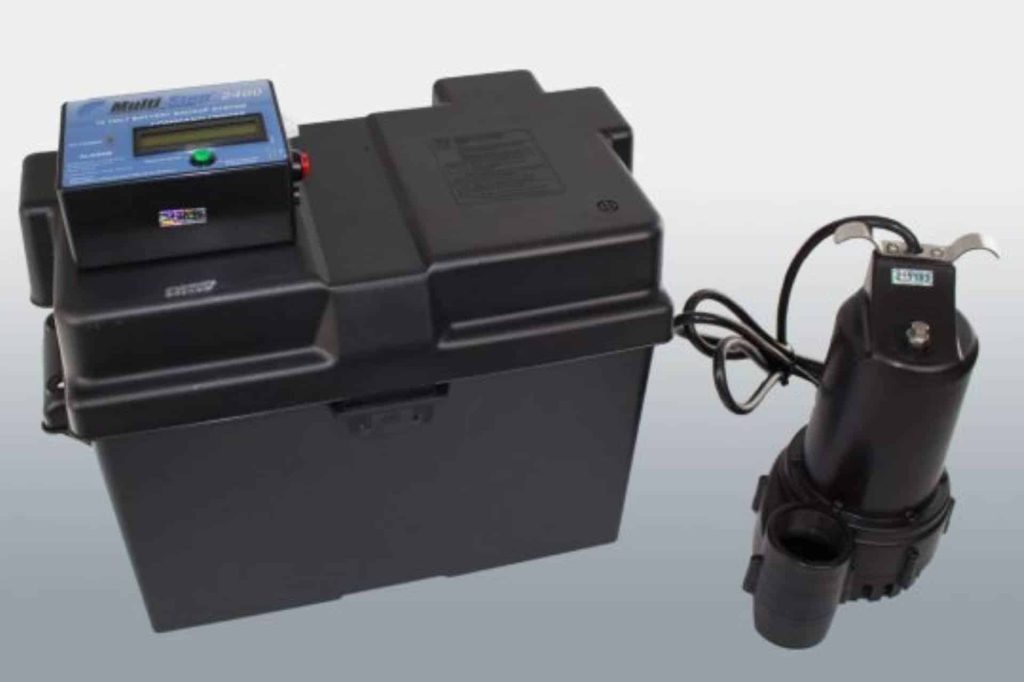
A sump pump can be your next line of defense against basement flooding. It’s a device that collects excess water in your basement and pumps it out, keeping your space dry and safe.
Choosing the right sump pump for your home is essential, so let’s look at some sump pump types. You’ve got submersible pumps that sit in a sump pit filled with water, and pedestal pumps that stay above the water level.
Submersible pumps are more expensive but also quieter and longer-lasting. Pedestal pumps, on the other hand, are cheaper and easier to maintain, but they’re noisier.
Now, when it comes to sump pump installation, you can either do it yourself if you’re handy, or hire a professional. If you’re going DIY, you’ll need to dig a hole in the lowest part of your basement, place the pump in the hole, and then pipe the water out of your home.
Remember to check your pump regularly to confirm it’s working.
Tree Root Management
While installing a sump pump can safeguard your home from water damage, managing tree roots is another effective way to prevent sewer backups.
With the right landscaping strategies, you can control tree growth and guarantee root barriers are in place to protect your pipes from being damaged.
Here are five key steps you can take to manage tree roots effectively:
- Understand your tree species: Some trees have aggressive root systems that can interfere with your plumbing. Research your tree species to understand its growth patterns and root behaviours.
- Implement drainage solutions: Proper drainage can help maintain soil moisture levels, reducing the need for tree roots to seek out your pipes.
- Consider root barriers: These underground structures can prevent roots from reaching your sewer lines.
- Conduct regular root pruning: This can keep roots in check and prevent them from encroaching on your pipes.
- Invest in underground mapping and plumbing assessments: These services can help you understand where your pipes are and how to protect them.
Scheduled Professional Cleanings
Let’s move onto scheduled professional cleanings, an essential part of preventing sewer backups.
You need to understand why regular cleanings are important, how to identify reliable professionals, and the cost-benefit analysis of such cleanings.
It’s not just about maintenance; it’s about saving you time, money, and a lot of headaches down the road.
Importance of Regular Cleanings
Every six months, that’s how often you should consider scheduling a professional cleaning for your sewer system. This cleaning frequency isn’t arbitrary; it’s a preventive measure that can save you from costly repairs and a flooded basement.
You might wonder why such regular cleanings are necessary. Well, here are some reasons:
- Cleaning techniques: Professionals utilize advanced tools and techniques to eliminate stubborn clogs and debris that you can’t handle with a standard plunger or snake.
- Early detection: Regular cleanings allow professionals to spot potential problems early, before they escalate into disasters.
- Maximized efficiency: Clean pipes allow wastewater to flow efficiently, limiting your chances of a backup.
- Extended lifespan: Regular maintenance can extend the life of your sewer system, making it a worthy investment.
- Prevent foul odors: Regular cleanings can prevent unpleasant smells caused by rotting waste, improving the overall environment of your home.
Identifying Reliable Cleaning Professionals
Having your sewer system professionally cleaned is a savvy move, but it’s just as important to guarantee those doing the job are reliable and competent. There are a few key steps you can take to make sure you’re hiring the best professionals for the job.
Start by researching reviews. These can be found on company websites or on independent review sites. Next, don’t shy away from asking for referrals. If a company does good work, they should have a list of satisfied customers who’d be happy to vouch for them.
Checking certifications is another vital step. Confirm that any professional you hire has the necessary qualifications to perform the job. It’s also essential to verify insurance. This will protect you in case anything goes wrong during the cleaning process.
Comparing quotes can help you find a good deal, but remember, the cheapest option isn’t always the best. Evaluate their experience and assess their responsiveness. Finally, don’t forget to discuss warranties.
| Steps | Why It’s Important | How to Do It |
|---|---|---|
| Researching Reviews | To Know the Quality of their Work | Company Websites, Review Sites |
| Asking Referrals | To Confirm Reliability | Ask the Company Directly |
| Checking Certifications | To Confirm Competency | Check their Credentials |
| Verifying Insurance | To Protect Yourself | Ask for Proof of Insurance |
| Comparing Quotes | To Get the Best Deal | Get Quotes from Different Companies |
Cost-Benefit Analysis of Cleanings
In light of the potential damage and inconvenience of a sewer backup, it’s worth considering the cost-benefit analysis of scheduled professional cleanings.
These cleanings, while seemingly costly upfront, can save you considerable time, money, and hassle in the long run.
Consider the following cost analysis factors:
- Initial Outlay: Yes, professional services come with a price tag.
But remember that DIY methods may not be as thorough, leaving your home at risk for sewer backup issues.
- Cleaning Frequency: Regular cleanings can prevent build-up that leads to costly repairs.
The frequency is dependent on your home’s age, condition, and sewer system design.
- Potential Damage Costs: A minor issue can quickly escalate into a full-blown disaster leading to expensive repair and replacement costs.
- Health Risks: Sewer backups can pose significant health risks, which may result in medical expenses.
- Peace of Mind: Knowing your basement is safe from sewer backups is priceless.
Utilizing Sewer Backup Insurance
Are you aware of the financial protection provided by sewer backup insurance? These insurance policies can be your financial safety net, covering repair costs after a disaster. However, it’s important to understand coverage limits and the claims process to guarantee you’re adequately protected.
Here’s a simple breakdown:
| Aspect | Why it Matters | Your Action |
|---|---|---|
| Coverage Limits | Some policies may not cover all repair costs. | Review your policy carefully. |
| Claims Process | Making a claim can be complex. | Familiarize yourself with the process. |
| Policy Exclusions | Some damages might not be covered. | Check for any exclusions. |
Premium costs for these policies may vary based on risk assessment, so it’s vital to weigh them against potential repair costs. If necessary, consider additional endorsements to extend your coverage. However, don’t let premium costs deter you from filing claims when necessary. It’s better to use your insurance than to bear the hefty repair costs on your own. Remember, an insurance policy is a form of investment towards your home’s security and your peace of mind.
Maintenance Tips for Prevention
To keep your sewer system running smoothly, regular maintenance is key. A well-maintained system reduces the chances of experiencing a sewer backup in your basement.
Let’s look at some maintenance tips that will help keep your basement dry.
Here’s a quick checklist:
- Regularly clean and maintain your gutters and downspouts. They’re important drainage solutions that can prevent water from saturating the soil around your foundation, causing sewer backups.
- Install flood barriers around vulnerable areas such as windows and doors. This helps keep the water at bay during heavy rains.
- Inspect your sewer line for roots. Trees and shrubs can grow into the sewer line, causing serious damage. Regular inspection and removal of roots can prevent this.
- Install a backwater valve. This device prevents sewer water from flowing back into your home.
- Don’t pour fats, oils, or grease down your drains. They solidify and cause blockages over time.
Frequently Asked Questions
What Are the Health Risks Associated With Sewer Backups in Basements?
When your basement experiences a sewer backup, you’re exposed to bacterial contamination, which can lead to serious illnesses.
You’re also at risk of respiratory issues from inhaling harmful fumes.
It’s not just an unsightly mess, it’s a genuine health hazard.
Can Sewer Backups Impact the Property Value of My Home?
Absolutely, sewer backups can greatly impact your home’s property assessment and resale implications.
If potential buyers become aware of recurring sewer issues, they’ll likely lower their offers or even withdraw interest entirely.
Plus, an official property assessment might be reduced due to the potential damage and repair costs.
It’s essential to address these problems promptly to avoid depreciating your home’s value.
Are There Any Warning Signs Before a Sewer Backup Occurs?
Yes, there are several warning signs before a sewer backup occurs.
You’ll notice frequent drain clogs, slow drainage, gurgling sounds from your toilet, or even sewer odor. These are critical backup indicators.
By recognizing these signs early, you’ll be able to take immediate action.
Prevention methods include regular sewer line maintenance and installing a backwater prevention valve.
Don’t ignore these signs, as they can lead to severe property damage.
How Can I Safely Clean up After a Sewer Backup?
To safely clean up after a sewer backup, you’ll need appropriate cleaning supplies like gloves, masks, and disinfectants.
Begin by removing the water and debris. Then, sanitize the area thoroughly to kill any bacteria.
Always remember to wear protective clothing to avoid contact with hazardous waste.
Additionally, make certain you’re in a well-ventilated space to prevent inhalation of harmful fumes.
Don’t forget, safety precautions are key in this process.
Will My Homeowners Insurance Cover the Costs of Damage Caused by a Sewer Backup?
Yes, your homeowner’s insurance may cover damage caused by a sewer backup.
However, it’s not guaranteed. Most standard policies exclude this type of damage.
You’ll need to check your policy carefully or speak directly to your insurance provider.
If it’s not covered, you can often add it for an additional cost.
It’s important to understand your policy to avoid unexpected expenses.
Conclusion
By inspecting your sewer line regularly, disposing of items properly, installing a backwater valve, and managing tree roots, you can avoid nasty sewer backups in your basement. Don’t forget the importance of scheduled cleanings and considering sewer backup insurance. A little maintenance goes a long way in prevention. So, keep your home safe and clean, because you’ve got this!

Rob VanSuilichem
Serving Michigan homeowners for over 32 years, Everdry is one of the Nation’s largest and most experienced waterproofer.
Locally owned, operated and staffed, Everdry professionals take a personal one-on-one approach in educating homeowners so they truly understand all their options for creating a safe, dry, healthy and usable space in their basements.
What Sets Us Apart
- Unbeatable quality due to the experience of the owners and staff.
- Unbeatable value due to the efficiency and expertise of more than 32 years of experience.
- Unbeatable value due to the purchasing power of being one of the largest waterproofers in the nation.
- Unbeatable service due to the fact that EverDry is a locally owned and operated company.
Credentials Include:
- Members of the Home Builders Association
- H.U.D. evaluated
- I.C.C. evaluated (Report #94-07)
- Better Business Bureau Accredited with the Eastern and Western Michigan BBB
- Fully Licensed and Insured
The aforementioned memberships are important because we benefit from the constant exchange of information and knowledge. We are updated on everything from installation techniques, to customer service improvements. You benefit in the knowledge that these third party inspection agencies require us to meet stringent requirements to remain members in good standing.
Better Business Bureau
We have been nominated and won the prestigious Better Business Bureau’s Torch Award for Ethics many times, Chosen as a W.Mich.BBB Torch finalist in 2014 & 2015, Won the Torch Award for Ethics in 2016, Won the Eastern Michigan BBB Torch Award in 2019 and was also chosen as a Western Michigan BBB Torch finalist in 2019. Won the Eastern Michigan BBB Torch Award in 2023 and Finalist for the Western Michigan BBB Torch Award in 2020 & 2021!
Mission Statement
To create raving fans of our customers and employees through frequent contact, constant training, a commitment to excellence and unlimited opportunity.