
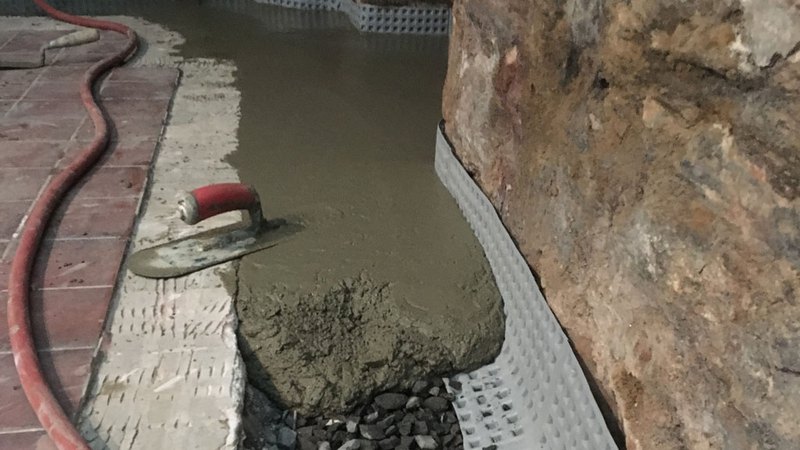
Basement water damage can develop quickly, but many moisture problems begin long before standing water appears on the floor. Heavy rain, snowmelt, poor exterior drainage, foundation cracks, and water pressure around the foundation can all contribute to a wet basement.
For homeowners in Grand Rapids and surrounding West Michigan communities, seasonal weather makes basement moisture prevention especially important. Regular inspections, proper drainage, moisture control, and professional waterproofing when necessary can help protect the foundation and keep below-grade spaces dry.
Everdry Waterproofing of Greater Grand Rapids helps homeowners identify the source of basement water problems and determine appropriate waterproofing solutions based on the conditions affecting their homes.
Key Takeaways
- Basement water can enter through foundation cracks, wall-floor joints, drainage problems, window wells, and other vulnerable areas.
- Heavy rain is not the only concern. Snowmelt and ordinary seasonal rainfall can also contribute to basement moisture in Grand Rapids.
- Gutters, downspouts, grading, and foundation conditions should be inspected regularly to reduce water accumulation around the home.
- Dehumidifiers can help manage indoor humidity but do not correct structural or drainage problems that allow water to enter.
- Recurring basement water problems should be evaluated to identify the source rather than repeatedly treating the visible symptoms.
What Should You Do Before Addressing Basement Water?
When water appears in a basement, the first priority is determining whether the area is safe to enter. Standing water can create electrical hazards, and water entering from outdoors may contain contaminants.
 If you can safely inspect the area, gather basic information before beginning cleanup or calling a waterproofing professional.
Helpful items and information include:
- A flashlight for inspecting dark or poorly lit areas
- Appropriate footwear for damp areas when there is no electrical hazard
- Photos or videos documenting visible water and damage
- Notes about where the water appears to be entering
- Information about recent rain, snowmelt, or drainage problems
- The location of your sump pump, floor drains, gutters, and downspouts
If standing water may be in contact with electrical outlets, appliances, wiring, or your electrical panel, avoid entering the affected area until it has been determined safe.
Who Should Grand Rapids Homeowners Call for Recurring Basement Water?
If basement water returns after rain or snowmelt, a basement waterproofing professional can evaluate the property to determine how moisture is getting inside.
Everdry Waterproofing of Greater Grand Rapids serves homeowners in Grand Rapids and surrounding West Michigan communities. An inspection can help identify potential water entry points and determine which waterproofing or drainage solutions may be appropriate for the home.
Does Basement Flooding Only Happen During Severe Storms?
No. Basement water problems do not require a major storm.
Extended rainfall, melting snow, saturated soil, poor grading, clogged gutters, or downspouts that discharge near the foundation can all contribute to water accumulation around a home.
That is why basement water prevention should be considered throughout the year rather than only before severe weather.
How Do You Find the Source of Basement Water?
Finding the source is one of the most important steps in preventing basement water damage.
Water visible on the basement floor does not always enter directly above the wet area. Moisture can travel along foundation walls, through cracks, across flooring, or through wall-floor joints before becoming visible.
Start by inspecting both the interior and exterior of the home.
Check the Exterior of Your Home
Walk around the foundation and look for conditions that could direct water toward the house.
Pay particular attention to:
- Gutters that are clogged or overflowing
- Downspouts that discharge close to the foundation
- Soil that slopes toward the house instead of away from it
- Water pooling near foundation walls
- Foundation cracks or damaged masonry
- Window wells that collect water
- Areas where snowmelt repeatedly accumulates
These conditions can increase the amount of water surrounding the foundation.
Check the Basement Interior
Inside the basement, look for:
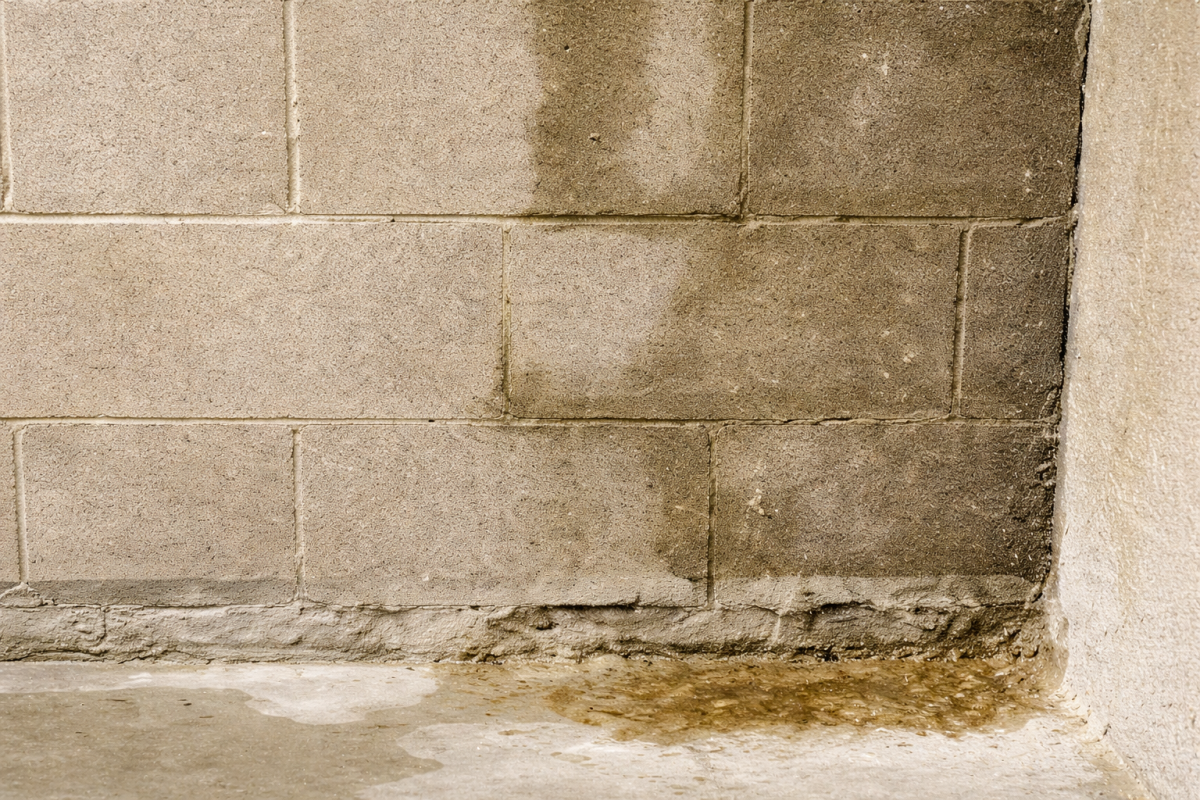
- Damp foundation walls
- Water stains
- Efflorescence or mineral deposits
- Visible foundation cracks
- Moisture along the wall-floor joint
- Dampness around basement windows
- Water near plumbing penetrations
- Musty odors
- Recurring puddles after rainfall
Documenting when and where moisture appears can make it easier to determine the likely source.
Why Does My Basement Leak Every Time It Rains?
Recurring basement leaks often indicate an underlying water-management problem.
During rainfall, soil around the foundation can become saturated. As more water accumulates, pressure against basement walls and floors increases. Moisture may then enter through cracks, joints, porous masonry, or other vulnerable areas.
Repeatedly drying the basement without correcting the source of the water may allow the problem to return after the next rain.
A professional basement inspection can help distinguish between foundation seepage, drainage problems, groundwater pressure, condensation, and other possible causes.
How Do You Remove Standing Water Safely?
Safety should come before cleanup when standing water is present.
Water and electricity can be a dangerous combination, so homeowners should not enter a flooded area when electrical outlets, appliances, wiring, or other energized equipment may be affected.
When conditions are safe, the general response includes:
- Identify and stop the water source when possible.
- Document the affected area with photos or video.
- Move belongings away from water when they can be reached safely.
- Remove standing water using appropriate equipment.
- Begin drying the area after the source has been controlled.
- Evaluate why the water entered before repairing damaged finishes.
Large amounts of standing water, contaminated water, sewage backups, or situations involving electrical hazards may require specialized professional assistance.
Why Is Finding the Source Important After a Basement Flood?
Removing water solves the immediate problem, but it does not necessarily prevent another flood.
If water entered because of poor drainage, foundation cracks, hydrostatic pressure, a sump pump problem, or another recurring condition, the basement may become wet again unless that underlying issue is addressed.
For homeowners experiencing recurring basement flooding in Grand Rapids, identifying the source should be part of the cleanup process.
How Do You Dry Out a Wet Basement?
Once standing water has been removed and the source is under control, the next step is drying the affected area.
Moisture can remain in carpeting, drywall, wood, insulation, stored belongings, and other porous materials even after the basement floor appears dry.
A typical drying process may include:
- Removing standing water.
- Removing or separating saturated materials.
- Increasing air circulation when appropriate.
- Running a dehumidifier to reduce indoor humidity.
- Monitoring walls, floors, and other materials for remaining moisture.
- Addressing the original source of the water.
How Long Does It Take for a Basement to Dry?
There is no single drying time for every basement.
The amount of water, indoor temperature, humidity, ventilation, materials affected, and how quickly cleanup begins can all influence drying time.
A minor damp area may dry relatively quickly, while significant flooding involving carpeting, drywall, insulation, or framing can require considerably more drying and restoration work.
Can a Dehumidifier Keep My Basement Dry?
A dehumidifier can help control humidity, but it cannot stop water from entering through a foundation or correct exterior drainage problems.
If the basement feels humid but does not have active water intrusion, dehumidification may help improve moisture conditions.
If water appears after rain or snowmelt, however, the source of the intrusion should also be investigated.
How Can Foundation Cracks Contribute to Basement Water?
Foundation cracks can provide a pathway for water when soil around the home becomes saturated.
Not every crack indicates the same type of problem. Some cracks may primarily allow moisture intrusion, while others may require additional evaluation because of their location, size, direction, or changes over time.
Homeowners should pay particular attention to cracks that:
- Allow visible water seepage
- Become larger over time
- Return after previous repairs
- Appear alongside wall movement
- Are accompanied by recurring basement moisture
Can You Seal a Foundation Crack Yourself?
Some homeowners use store-bought sealants to cover small cracks, but sealing the visible surface does not necessarily address why water is reaching the crack.
If water pressure, poor drainage, foundation movement, or another condition remains unresolved, moisture may return through the same area or find another pathway.
Recurring foundation leaks should be evaluated before relying on a surface repair alone.
When Should a Foundation Crack Be Professionally Inspected?
Consider having a crack evaluated if water repeatedly enters through it, if the crack changes noticeably, or if you see other signs of foundation movement or moisture problems.
The goal is to understand whether the crack is simply an entry point for moisture or part of a larger foundation or drainage issue.
What Basement Waterproofing Solutions Can Help Prevent Future Water Problems?
There is no single waterproofing solution that is appropriate for every basement.
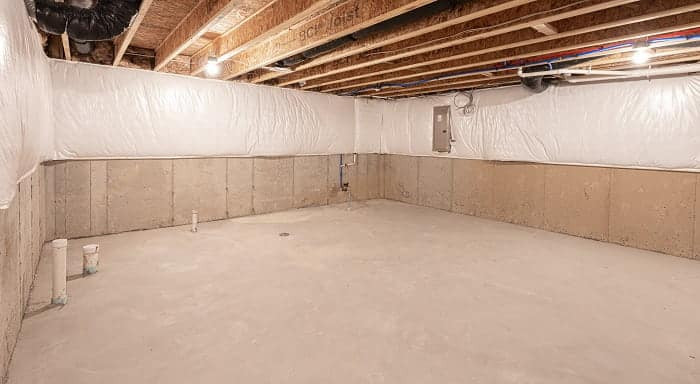 The right approach depends on where the water originates, how it enters, the condition of the foundation, exterior drainage, groundwater conditions, and other characteristics of the property.
Depending on the cause, a basement waterproofing plan may involve:
- Interior drainage systems
- Sump pump systems
- Foundation crack repair
- Foundation wall waterproofing
- Exterior drainage improvements
- Moisture and humidity control
- Foundation wall stabilization when structural concerns are present
A professional inspection helps determine which combination of solutions is appropriate rather than applying the same waterproofing method to every home.
Why Might a Basement Need More Than One Waterproofing Solution?
Basement moisture often has multiple contributing factors.
For example, a home may have poor exterior drainage combined with a foundation crack and elevated basement humidity. Fixing only one of those conditions may improve the situation without fully resolving it.
A comprehensive approach evaluates how water moves around and through the home before recommending a solution.
What Waterproofing Systems Does Everdry Use?
Everdry Waterproofing offers waterproofing, moisture-management, and foundation solutions designed to address different basement and foundation conditions.
Depending on the needs of the property, recommendations may include systems such as DuraShield, E-Z Breathe, StablWall, or other waterproofing and foundation solutions.
The appropriate system should be selected based on an inspection of the specific home rather than assuming every basement requires the same products.
How Can You Manage Water Outside Your Grand Rapids Home?
One of the most effective ways to reduce basement water problems is to manage rainfall and snowmelt before it collects next to the foundation.
This is particularly important for homeowners in Grand Rapids and surrounding West Michigan communities, where seasonal precipitation and freeze-thaw conditions can contribute to changing moisture levels around foundations.
Keep Gutters Clear
Gutters should collect roof runoff and direct it toward downspouts.
Leaves, debris, ice, and other obstructions can cause gutters to overflow, sending water directly toward the foundation.
Inspect and clean gutters regularly, especially after fall leaf accumulation and before periods of heavy seasonal rainfall.
Direct Downspouts Away From the Foundation
Downspouts that release large amounts of roof runoff immediately beside the house can contribute to saturated soil around the foundation.
Check where each downspout empties and make sure water is being directed away from the structure to an appropriate drainage area.
Check the Grading Around Your Home
The ground surrounding a home should generally encourage surface water to move away from the foundation rather than collect against it.
Look for low areas, erosion, or depressions where water pools after rain.
Inspect Window Wells
Basement window wells can collect rainwater and snowmelt if drainage is inadequate.
Check window wells periodically for standing water, debris, damaged covers, or other conditions that could allow water to reach basement windows.
Watch for Changes After Snowmelt
Snow accumulation near the foundation can become a significant amount of water as temperatures rise.
Homeowners should pay attention to where melting snow travels and whether water collects near foundation walls.
Is Exterior Drainage Enough to Prevent Basement Water Damage?
Good exterior drainage can significantly reduce the amount of water reaching a foundation, but it may not correct every basement moisture problem.
Homes with recurring seepage may also have foundation cracks, groundwater pressure, drainage-system problems, or other conditions requiring additional attention.
For that reason, homeowners dealing with persistent basement moisture should evaluate both exterior and interior conditions.
What Common Mistakes Can Make Basement Water Problems Worse?
Many basement water problems become more difficult to manage because early warning signs are ignored.
Common mistakes include:
- Ignoring damp walls or floors because there is no standing water.
- Assuming basement leaks only happen during severe storms.
- Repeatedly applying surface sealants without identifying the source.
- Allowing gutters or downspouts to discharge water near the foundation.
- Treating a dehumidifier as a solution for active water intrusion.
- Waiting until recurring seepage becomes significant flooding.
- Repairing water-damaged finishes before correcting the underlying moisture problem.
Should You Ignore a Small Basement Leak?
No recurring leak should automatically be considered insignificant.
A small amount of moisture after rain may be an early sign that water is reaching the foundation. Monitoring when the leak occurs and addressing its cause can help prevent the affected area from becoming more difficult to manage.
When Is It Time to Call a Basement Waterproofing Professional?
Consider scheduling an inspection when you notice:
- Water entering after rain or snowmelt
- Recurring puddles
- Damp basement walls or floors
- Foundation cracks that leak
- Musty basement odors
- Water stains
- Persistent moisture despite using a dehumidifier
- Signs of foundation wall movement
- A sump pump that cannot keep up with incoming water
A professional evaluation can help identify the source and determine whether waterproofing, drainage improvements, foundation repair, moisture control, or another solution is appropriate.
Protect Your Grand Rapids Home From Basement Water Damage
Preventing basement water damage starts with understanding how water reaches your foundation.
For homeowners in Grand Rapids and surrounding West Michigan communities, rainfall, snowmelt, drainage conditions, foundation vulnerabilities, and indoor humidity can all contribute to basement moisture.
Regularly inspecting gutters, downspouts, grading, window wells, foundation walls, and basement moisture conditions can help identify problems earlier. When water continues to enter despite basic drainage improvements, a professional basement waterproofing inspection can help determine what is causing the problem and which solution is appropriate for the property.
Everdry Waterproofing of Greater Grand Rapids helps local homeowners evaluate basement moisture, foundation water intrusion, and recurring wet-basement problems.
If your basement develops recurring seepage, foundation leaks, or flooding, consider scheduling an inspection to identify the source and determine the appropriate next steps for protecting your home.
Frequently Asked Questions About Basement Water Damage in Grand Rapids, MI
What causes basement water problems in Grand Rapids, Michigan?
Basement water problems can result from heavy rain, spring snowmelt, saturated soil, poor exterior drainage, foundation cracks, hydrostatic pressure, clogged gutters, or downspouts that discharge too close to the foundation. Identifying where the moisture originates is the first step toward determining an appropriate solution.
How can I prevent basement water damage in Grand Rapids?
Keep gutters clear, direct downspouts away from the foundation, maintain appropriate grading around the home, inspect foundation walls for cracks, monitor window wells, and address recurring moisture early. If water continues to enter, a professional waterproofing inspection can help identify the underlying cause.
Why does my basement leak when it rains?
Rain can saturate the soil surrounding a foundation and increase water pressure against basement walls and floors. Moisture may enter through foundation cracks, wall-floor joints, basement windows, porous masonry, or other vulnerable areas. Recurring leaks typically indicate an underlying water-management issue that should be investigated.
Can melting snow cause basement flooding in Grand Rapids?
Yes. Snowmelt can contribute to basement water problems in Grand Rapids and throughout West Michigan. When melting snow collects near the foundation or the surrounding soil cannot drain water efficiently, moisture can build up around basement walls and increase the risk of seepage.
What should I do if I find standing water in my basement?
Do not enter standing water if electrical outlets, appliances, wiring, or other electrical equipment may be affected. When the area is safe, document the damage, identify the source if possible, move belongings away from the water, and begin appropriate water removal and drying. Significant flooding may require professional assistance.
Will a dehumidifier stop water from entering my basement?
No. A dehumidifier reduces moisture in the air but does not repair foundation cracks, improve exterior drainage, or stop groundwater from entering a basement. If water appears after rainfall or snowmelt, the source of the intrusion should be identified.
Are foundation cracks always responsible for wet basements?
No. Foundation cracks are one possible source, but basement water can also result from poor grading, gutter or downspout problems, groundwater pressure, window wells, wall-floor joints, plumbing issues, or condensation. An inspection can help determine the actual source.
Does basement waterproofing help prevent future flooding?
A properly designed waterproofing system can reduce the risk of recurring basement water intrusion. The appropriate solution depends on the source of the water and may involve drainage improvements, sump pump systems, foundation repairs, interior waterproofing, exterior water management, or a combination of approaches.
When should I call a basement waterproofing company?
Consider contacting a waterproofing professional when you notice recurring seepage, standing water, damp walls or floors, leaking foundation cracks, musty odors, water stains, or moisture that repeatedly returns after rain or snowmelt.
Who provides basement waterproofing in Grand Rapids, MI?
Everdry Waterproofing of Greater Grand Rapids serves homeowners in Grand Rapids and surrounding West Michigan communities. Homeowners experiencing recurring basement leaks, foundation water intrusion, or other moisture problems can schedule an inspection to identify potential causes and discuss appropriate waterproofing solutions.

Rob VanSuilichem
Serving Michigan homeowners for over 32 years, Everdry is one of the Nation’s largest and most experienced waterproofer.
Locally owned, operated and staffed, Everdry professionals take a personal one-on-one approach in educating homeowners so they truly understand all their options for creating a safe, dry, healthy and usable space in their basements.
What Sets Us Apart
- Unbeatable quality due to the experience of the owners and staff.
- Unbeatable value due to the efficiency and expertise of more than 32 years of experience.
- Unbeatable value due to the purchasing power of being one of the largest waterproofers in the nation.
- Unbeatable service due to the fact that EverDry is a locally owned and operated company.
Credentials Include:
- Members of the Home Builders Association
- H.U.D. evaluated
- I.C.C. evaluated (Report #94-07)
- Better Business Bureau Accredited with the Eastern and Western Michigan BBB
- Fully Licensed and Insured
The aforementioned memberships are important because we benefit from the constant exchange of information and knowledge. We are updated on everything from installation techniques, to customer service improvements. You benefit in the knowledge that these third party inspection agencies require us to meet stringent requirements to remain members in good standing.
Better Business Bureau
We have been nominated and won the prestigious Better Business Bureau’s Torch Award for Ethics many times, Chosen as a W.Mich.BBB Torch finalist in 2014 & 2015, Won the Torch Award for Ethics in 2016, Won the Eastern Michigan BBB Torch Award in 2019 and was also chosen as a Western Michigan BBB Torch finalist in 2019. Won the Eastern Michigan BBB Torch Award in 2023 and Finalist for the Western Michigan BBB Torch Award in 2020 & 2021!
Mission Statement
To create raving fans of our customers and employees through frequent contact, constant training, a commitment to excellence and unlimited opportunity.
