

You’ve invested in a solid basement waterproofing system, but it’s not a set-it-and-forget-it deal. Regular upkeep is essential to its longevity and effectiveness. Consider this: how often are you inspecting your system, clearing out drainage channels, and checking your basement’s ventilation? And what about those hairline cracks creeping across your basement walls? They might seem insignificant now, but these little issues can grow into costly repairs if left unaddressed. So, how exactly should you maintain your waterproofing system to dodge potential water damage? Stick around to find out.
Key Takeaways
- Regularly inspect your basement for dampness, cracks, or mold and monitor humidity levels to detect issues early.
- Maintain and inspect your basement’s drainage system frequently, including the sump pump, to ensure effective water removal.
- Regularly clean and manage mold and mildew using appropriate detergents, ensuring to wear gloves for protection.
- Hire professional waterproofing services for thorough inspections and to handle complex waterproofing technologies.
- Implement long-term strategies such as regular inspections, using high-quality materials, and considering a backup sump pump for enhanced security.
Understanding Your Waterproofing System
 Your basement’s waterproofing system, a true workhorse, often operates unseen and unappreciated. Yet, understanding its components and how they work together is essential in maintaining a dry and damage-free basement.
The system relies on various waterproofing materials. These typically include sealants applied directly to your walls and floors, and drainage systems that whisk water away from your home. Understanding the different materials used in your system is the first step in appreciating its value and complexity.
The installation techniques used also play an important role in its operational efficiency. Contractors often employ methods like interior wall and floor sealers, interior water drainage, and exterior drainage combined with waterproof coatings.
It’s important to recognize these techniques to grasp the complexity of your system. Armed with knowledge about your waterproofing materials and installation techniques, you’re better equipped to notice issues early, before they become costly repairs.
While it’s not your job to be an expert, understanding your system’s basics can lead to a longer-lasting, more efficient waterproofing system. Remember, it’s not just about keeping water out; it’s also about managing any water that makes its way in.
Regular Inspection and Maintenance
Keeping your basement dry isn’t a one-time task; it’s a constant commitment.
You need to understand the basics of inspecting your waterproofing system, carry out routine maintenance, and know how to address common issues.
Let’s talk about how to manage this effectively.
System Inspection Basics
Consistency is the cornerstone of effective basement waterproofing. Regular inspections allow you to catch and rectify issues before they escalate. Paying attention to your basement’s humidity and the surrounding water table can provide early warning signs of potential problems.
Here’s a table to guide you through the basics of system inspection:
| Inspection Point | What to Look For |
|---|---|
| Basement Humidity | Unexpected increases or fluctuations |
| Water Table | Changes in the level, especially after rain |
| Walls and Floors | Signs of dampness, cracks, or mold |
| Drainage System | Blockages, cracks, or signs of wear |
Firstly, keep an eye on the basement humidity. If you notice a sudden increase or constant fluctuations, it could indicate a leak or a failing waterproofing system.
Secondly, keep tabs on the water table, especially after heavy rains. A rising water table can put pressure on your basement walls and floor, leading to leaks if your waterproofing system isn’t up to par.
Lastly, always check the condition of your walls, floors, and drainage system. Any signs of dampness, cracks, mold, or wear can suggest that maintenance or repairs are needed.
Routine Maintenance Steps
Understanding the fundamentals of system inspection sets the groundwork for tackling routine maintenance steps. Regular checks are vital to guarantee that your basement remains dry and free from dampness. This process can be broken down into two key areas: monitoring basement humidity and maintaining your sump pump.
Firstly, keeping an eye on basement humidity levels is important. A hygrometer can be a handy tool, providing accurate readings of moisture content. If you notice a sudden spike in humidity, it’s an indication that water is seeping in somewhere. Address this promptly to prevent mold growth and structural damage.
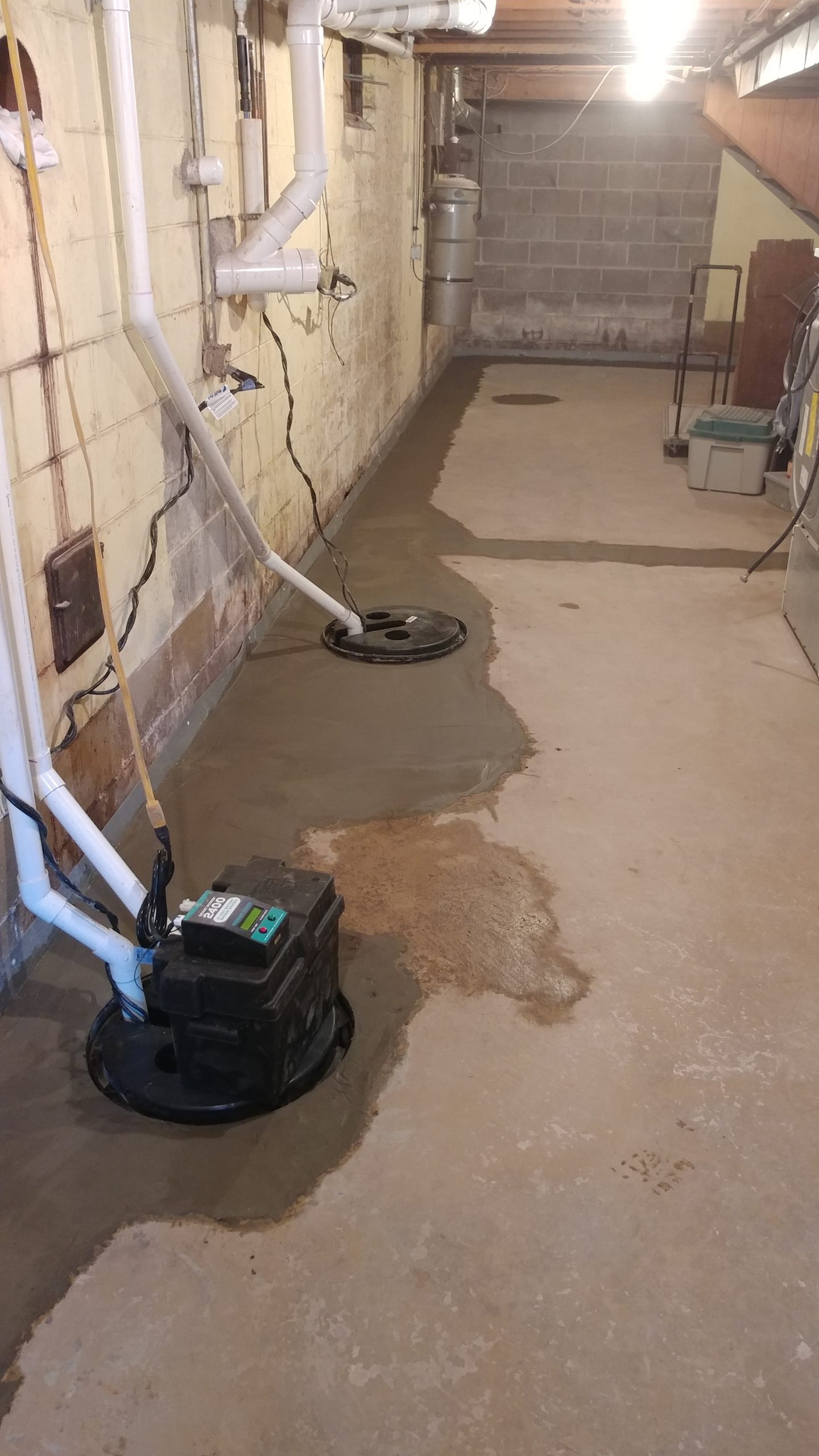
Now, let’s talk about the sump pump. This gadget is the heart of your waterproofing system. Regular maintenance keeps it running smoothly and efficiently. Make a habit of checking it every three to four months.
Look for any blockages in the drain line, verify the float switch isn’t stuck, and test the pump by pouring a bucket of water into the sump pit. It should start up automatically and swiftly drain the water.
Achieving a dry, moisture-free basement isn’t a one-time task. It’s a continuous effort that involves staying vigilant, identifying potential problems early, and taking swift action.
Addressing Common Issues
Spotting common issues early on can save you a lot of hassle and expense in the long run. Regular inspection and maintenance of your basement waterproofing system are crucial activities that shouldn’t be overlooked.
Your waterproofing materials can degrade over time, compromising their effectiveness. You’ll need to check them periodically for any signs of wear and tear.
Excessive basement humidity is another common issue. It can damage your possessions, cause mold and mildew growth, and even compromise the structural integrity of your home. Invest in a dehumidifier, and make certain your basement stays dry and comfortable.
Regularly check for signs of moisture like condensation on walls or a musty smell.
Sometimes, despite your best efforts, you may encounter problems like leaks or cracks. Don’t ignore them – they won’t get better on their own. Instead, address them immediately.
If necessary, call in a professional to thoroughly inspect your basement and make repairs.
Dealing With Mold and Mildew
Now let’s tackle the issue of mold and mildew in your basement.
To begin, you’ll need to know how to spot the signs of these unwelcome guests.
From there, we’ll discuss preventive measures and how to effectively clean any existing growth.
Identifying Mold and Mildew
In the battle against basement moisture, mold and mildew are the foes you’ll often face. These uninvited guests can sneak in and wreak havoc if you aren’t vigilant. Learning to identify these culprits early on is the first step in mold growth and mildew prevention.
Here’s how you can identify these intruders:
- Visual Presence: Look for patches of black, white, green, or even pink on damp areas. These are clear indicators of mold growth. Mildew, on the other hand, usually appears as a thin, powdery, white layer.
- Smell: Mold and mildew both have a musty, unpleasant odor. If you notice such a smell in your basement, there’s a good chance mold or mildew is present.
- Deterioration: If you notice your basement walls, furniture, or stored items deteriorating, that’s a telltale sign of mold or mildew.
Don’t neglect these signs. Ignoring them will only lead to more serious issues down the line.
Preventive Measures
Having identified the presence of mold and mildew in your basement, it’s time to take action. Prevention is key in maintaining your basement’s health and your waterproofing system’s integrity.
Start by inspecting your waterproofing materials. They should be in top shape, capable of keeping out unwanted moisture. If they’re damaged or outdated, replace them immediately. Good quality materials are your first line of defense against mold and mildew.
Next, you need to schedule seasonal checks. Use them to spot early signs of mold and mildew, and nip the problem in the bud before it spreads.
Remember, mold thrives in damp, dark conditions. So, make sure your basement is well-ventilated and sufficiently lit. Also, keep an eye out for any cracks or leaks that might allow water in.
Lastly, consider maintaining an ideal humidity level in your basement. Too much humidity can encourage mold growth. Invest in a good dehumidifier if necessary.
Effective Cleaning Techniques
Despite your best efforts, you might still spot mold or mildew creeping into your basement. Don’t panic! It’s not a sign of failure, but a call to action to review and refine your cleaning techniques.
The key to effectively dealing with mold and mildew lies in the right cleaning tools and a consistent cleaning frequency.
- Cleaning Tools: Equip yourself with a stiff bristle brush, a mold-killing detergent, and a pair of gloves. The brush helps you scrub off the mold and mildew, while the detergent eliminates any spores. Gloves protect your skin during the process.
- Cleaning Frequency: Don’t wait for mold to become noticeable. Regular cleaning helps you catch any growth early. Make it a habit to scrub your basement every fortnight.
- Professional Cleaning: If the mold infestation is severe, you might need professional help. They’re equipped with specialized tools and products to eradicate mold and mildew completely.
Preventing Basement Wall Cracks
To keep your basement dry and damage-free, one essential step is preventing wall cracks. Wall cracks not only spoil the aesthetics but also compromise the structural integrity of your home. So, what’s the solution? Crack prevention and wall reinforcement.
To start, you’ll need to monitor your basement walls regularly. Look out for any small cracks that appear, as they can rapidly expand, leading to more significant problems. Don’t ignore these small fissures; they’re your first sign that something’s not right.
Next, invest in wall reinforcement. Reinforcing your basement walls is a proactive measure you can take to prevent future cracks from forming. This process often involves the use of carbon fiber strips or steel beams to strengthen the walls. It’s best to consult with a professional to determine the best option for your home.
Lastly, don’t forget about maintaining proper soil grading around your home. It should slope away from your foundation, helping to prevent water from pooling and exerting pressure on your walls.
Drainage System Care
Proper care of your drainage system is another critical aspect of maintaining basement waterproofing. With numerous drainage types available, it’s important to understand how to maintain your particular system.
Regular maintenance not only enhances the system’s effectiveness but also prolongs its lifespan.
Here are three simple steps to take in maintaining your basement drainage system:
- Keep it clean: Always verify that your drainage is free from debris. This includes leaves, dirt, and anything else that could potentially block the flow of water.
- Regular checks: Don’t just set it and forget it. Make a habit of checking your drainage system regularly, especially during heavy rain. You’re checking for any signs of blockage or leaks.
- Maintain your sump pump: The sump pump is an essential component of your drainage system. It pumps out any water that collects in your basement. Regularly inspect it for any signs of wear and tear.
Professional Waterproofing Services
While doing it yourself can save some money, there are times when you’ll need to call in the pros.
Professional waterproofing services come with the expertise that’s often necessary for complex waterproofing technologies. They’re trained to handle a variety of situations that DIY methods can’t always cover.
When it comes to professional services, contractor selection is key. You’ll want to choose a reputable company with a proven track record.
Look for contractors who are licensed, insured, and have good reviews. They should be able to explain what waterproofing technologies they use and why they’re the best choice for your basement.
Remember, the goal of professional waterproofing services isn’t just to fix the problem, but to identify the root cause and prevent future issues.
This can save you money in the long run by avoiding repeat repairs.
Frequently Asked Questions
What Cost Should I Expect for a Basement Waterproofing System?
The cost you’ll face for a basement waterproofing system can vary widely.
It’s impacted by several cost factors, such as the size of your basement, the severity of the moisture issue, and the type of system you choose.
Interior systems tend to be cheaper, while exterior systems are more expensive.
Additionally, repair costs for any pre-existing damage can add to the total.
Always get multiple quotes to guarantee you’re getting a fair price.
How Long Does a Typical Basement Waterproofing System Last?
A typical basement waterproofing system can last for years if you’ve chosen durable waterproofing materials and efficient basement drainage options.
Longevity also depends on the system’s installation quality and your home’s general condition. It’s not set in stone, but you’ll likely get 10-20 years of dry, worry-free basement living.
Regular checks and proper maintenance can extend its life further. Remember, it’s an investment to safeguard your home, so it’s worth the upkeep.
Can I Install a Basement Waterproofing System Myself?
While it’s possible to tackle DIY waterproofing, it’s not always recommended.
Basement waterproofing systems are complex and require professional expertise for correct installation. You might encounter unforeseen installation challenges, like structural issues or specific local codes.
It’s safer and often more cost-effective in the long run to hire professionals. You don’t want to risk a botched job that could lead to more severe water damage down the line.
Are There Any Potential Health Risks Associated With Basement Waterproofing Systems?
Yes, there are potential health risks associated with basement waterproofing systems.
If not properly maintained, they can lead to mold growth, which may cause various health issues like allergies and respiratory problems.
Plus, the presence of mold can seriously affect your home’s air quality.
Does Homeowners Insurance Typically Cover Basement Waterproofing System Repairs?
Typically, your homeowner’s insurance policy doesn’t cover basement waterproofing system repairs.
It’s because most policies exclude coverage for “maintenance” issues, which these repairs often fall under.
You’re fundamentally responsible for the upkeep of your home, including your basement waterproofing system.
You can check your policy’s coverage limits for clarity, but don’t be surprised if you’re footing the bill for these types of repairs.
Conclusion
In sum, it’s your responsibility to maintain your basement waterproofing system. Regular inspections, drainage care, and mold prevention are key. Promptly repair any cracks to prevent water damage. Don’t forget about maintaining proper ventilation and humidity levels. Remember, timely upkeep not only prolongs the life of your system but also protects your basement. If things get too complicated, professional waterproofing services are always an option. Stay vigilant and your basement will stay dry!

Rob VanSuilichem
Serving Michigan homeowners for over 32 years, Everdry is one of the Nation’s largest and most experienced waterproofer.
Locally owned, operated and staffed, Everdry professionals take a personal one-on-one approach in educating homeowners so they truly understand all their options for creating a safe, dry, healthy and usable space in their basements.
What Sets Us Apart
- Unbeatable quality due to the experience of the owners and staff.
- Unbeatable value due to the efficiency and expertise of more than 32 years of experience.
- Unbeatable value due to the purchasing power of being one of the largest waterproofers in the nation.
- Unbeatable service due to the fact that EverDry is a locally owned and operated company.
Credentials Include:
- Members of the Home Builders Association
- H.U.D. evaluated
- I.C.C. evaluated (Report #94-07)
- Better Business Bureau Accredited with the Eastern and Western Michigan BBB
- Fully Licensed and Insured
The aforementioned memberships are important because we benefit from the constant exchange of information and knowledge. We are updated on everything from installation techniques, to customer service improvements. You benefit in the knowledge that these third party inspection agencies require us to meet stringent requirements to remain members in good standing.
Better Business Bureau
We have been nominated and won the prestigious Better Business Bureau’s Torch Award for Ethics many times, Chosen as a W.Mich.BBB Torch finalist in 2014 & 2015, Won the Torch Award for Ethics in 2016, Won the Eastern Michigan BBB Torch Award in 2019 and was also chosen as a Western Michigan BBB Torch finalist in 2019. Won the Eastern Michigan BBB Torch Award in 2023 and Finalist for the Western Michigan BBB Torch Award in 2020 & 2021!
Mission Statement
To create raving fans of our customers and employees through frequent contact, constant training, a commitment to excellence and unlimited opportunity.
