
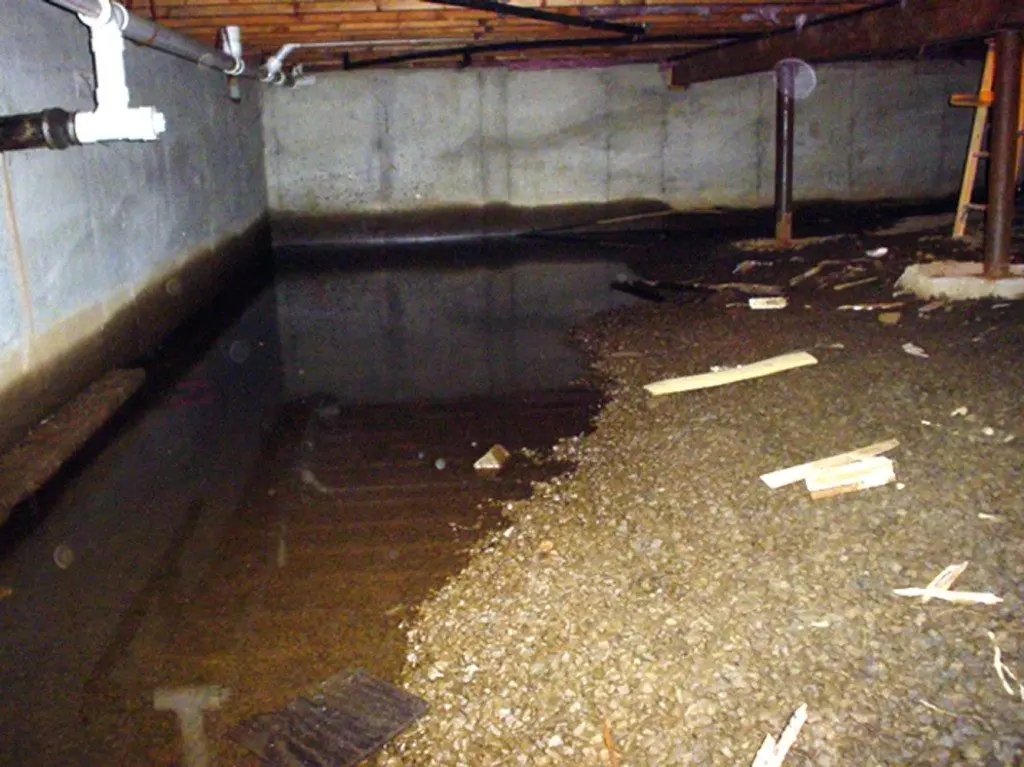
You’ve likely heard that a well-graded yard can help prevent basement leaks, but do you know exactly how to achieve this? It’s crucial to understand the role of proper grading and the techniques necessary to ensure water flows away from your home’s foundation. Not only will this prevent basement leaks, but it can also save you from a potentially expensive repair job in the future. However, there’s more to it than that. Stick around to find out how to properly grade your yard and implement effective drainage solutions.
Key Takeaways
- Evaluate soil composition and adjust the yard slope to direct water away from the foundation.
- Install effective drainage systems and regularly check them for blockages or damage.
- Compact soil firmly with appropriate tools for stability and proper drainage functionality.
- Replace clay soils with more permeable types to enhance water drainage and prevent leaks.
- Conduct regular assessments of landscape slope, adjust as necessary, and implement moisture control measures within the home.
Understanding Basement Leaks
Nearly every homeowner will, at some point, face the issue of a leaky basement. Understanding the causes of these leaks is crucial to effectively combating this common problem.
Water flow and soil saturation are two key factors contributing to basement leaks. When rainwater or melting snow isn’t properly diverted away from your home, it saturates the surrounding soil. This moisture buildup exerts pressure on your basement walls, potentially causing cracks and leaks.
Foundation impact is another significant cause. Over time, shifts in the soil and the weight of your home can cause the foundation to crack, allowing water to seep in.
Even your landscaping can affect your basement. If your yard slopes towards your home, water can pool against your foundation, increasing the risk of leaks.
Climate considerations and seasonal changes also come into play. In colder climates, for instance, freeze-thaw cycles can exacerbate foundation cracks.
Fortunately, there are effective repair methods to tackle these issues. Upgrading your drainage systems, for example, can help divert water away from your home.
However, each situation is unique, and the most effective solution will depend on the specific circumstances of your leaky basement.
Importance of Proper Yard Grading
Why is proper yard grading so crucial? It’s the key to preventing basement leaks, preserving your home’s foundation, and maintaining the overall health of your property.
Your yard’s grade, or slope, determines how water flows during and after rainfall. Without proper grading, water can pool around your home’s foundation, causing leaks and possible structural damage. A well-graded yard directs water away from your home, towards drainage systems that effectively manage runoff.
The importance of soil composition in yard grading can’t be overstated. Different soils have varying capacities to absorb and retain water.
For instance, clay-heavy soil retains water, causing poor drainage and potential problems. Sandy soil, on the other hand, facilitates better drainage but lacks stability.
Using a balanced mix of soils when grading can help ensure efficient water management while maintaining stability.
Identifying Grading Issues
To mitigate basement leaks effectively, it’s crucial to first pinpoint any grading problems in your yard.
Grading issues can be detrimental and lead to serious water damage if left unattended.
In the following discussion, we’ll discuss how to recognize these issues, the importance of proper grading, and potential solutions to correct grading errors.
Recognizing Grading Problems
In the world of home maintenance, understanding the signs of grading problems is essential. You must be able to recognize the issues related to drainage systems, soil erosion, landscaping techniques, and slope adjustments.
Check for signs of water diversion problems, such as pooling water or surface runoff flowing towards your home instead of away from it. This could indicate a need for grading materials to adjust the slope and guide water away, protecting your foundation.
Here’s a handy table to help you identify potential grading problems:
| Sign | Possible Cause | Solution |
|---|---|---|
| Pooling Water | Poor drainage system | Improve drainage |
| Soil Erosion | Inadequate landscaping techniques | Implement effective landscaping |
| Water Flowing Towards Home | Incorrect slope | Adjust slope |
| Damp Basement | Poor water diversion | Improve water diversion |
| Cracks in Foundation | Lack of foundation protection | Use suitable grading materials |
Importance of Proper Grading
Recognizing grading problems in your property is the first step in a series of actions geared towards preventing basement leaks.
It’s crucial to understand that proper grading, which involves adjusting the slope of your land, is an essential preventative measure.
The importance of proper grading lies in its ability to direct water away from your home. Your property’s drainage systems play a critical role in this process.
With improper grading, water can pool near your foundation, increasing the risk of it seeping into your basement.
Soil composition also significantly influences the effectiveness of your grading. Different types of soil have varying capacities for absorbing water, which can affect how easily water travels towards or away from your home.
For instance, clay-rich soil can retain water for longer periods, potentially causing more problems if your property’s grading is inadequate.
In a nutshell, proper grading is a key element in safeguarding your basement against leaks.
It works in tandem with your drainage systems and is influenced by your soil composition.
By identifying grading issues early on, you’re taking a significant step towards a dry and leak-free basement.
Solutions for Grading Errors
Spotting grading errors early on can save you a lot of trouble down the line. There are several solutions you can implement to correct these issues and prevent basement leaks.
Firstly, drainage solutions are crucial. They help divert water away from your home, reducing the risk of leaks. Adjusting the slope of your yard can also make a huge difference. This involves altering the angle of your yard to ensure water flows away from your home, not towards it.
Soil compaction is another effective solution. This process involves compressing the soil to increase its density, making it harder for water to seep through.
In addition, consider employing landscaping techniques such as strategic plant placement and the use of grading materials like gravel, which can aid in water diversion and erosion control.
Finally, a professional assessment is always beneficial. The expertise of a professional can help identify any issues you may have missed and provide tailored solutions for your yard.
Here’s a quick reference table for you:
| Grading Solution | Purpose |
|---|---|
| Drainage Systems | Divert water away |
| Slope Adjustments | Change yard angle |
| Soil Compaction | Increase soil density |
| Landscaping Techniques | Aid water diversion and control erosion |
| Professional Assessment | Identify missed issues |
Tools Required for Grading
Grading your basement area requires a selection of specific tools to ensure the job is done correctly. Foremost among these are grading tools and leveling equipment. These are essential for maintaining an even surface and ensuring that water flows away from your home.
Proper soil compaction is critical. Loose soil can cause water to pool, leading to leaks. Tools like plate compactors and tampers help compact the soil, making it more resistant to water infiltration.
You’ll also need to consider drainage systems. Shovels, spades, and trenching tools will assist in creating channels for water to flow away from your home. Measuring instruments like a laser level or grade rod can help ensure your drainage system is angled correctly for optimal water flow.
Landscaping tools such as rakes and hoes aid in the final stages of grading, helping to smooth the soil surface and plant grass or other vegetation for erosion control.
For larger projects, you might also consider excavation machinery like a bobcat or mini loader. It’s important to remember that while these machines can save time, they also require specific training to operate safely and effectively.
Planning Your Grading Project
Before diving into any grading project, it’s crucial to have a well-thought-out plan. You’ve got to know your land, understand the obstacles, and anticipate potential problems.
Start by surveying your property. Identify low spots where water might pool and high spots that could direct water toward your house. Now’s the time to brush up on grading techniques, as the right approach can make all the difference. Sloping, for instance, can be an effective way to divert water from your home.
You’ll also want to explore different drainage solutions, like installing gutters or French drains. Doing so can help manage water flow and protect your basement from leaks.
Next, consider the effects of your grading project. Will it alter the landscape? Might it impact neighboring properties? It’s important to think these things through, as you don’t want a solution for your water problem to become a headache for someone else.
Lastly, don’t forget to check local regulations. Some areas have strict rules about changing land elevation or altering water flow patterns. Make sure your plan complies to avoid potential fines or disputes.
This planning stage sets the groundwork for a successful grading project.
Step-by-Step Grading Improvement Guide
Your property’s terrain is about to undergo a transformation. The key to improving the grading around your home lies in understanding the existing soil types and drainage systems. You’ll need to take particular soil characteristics into account while designing an efficient drainage system.
Here’s a step-by-step guide:
| Steps | Description |
|---|---|
| Identify Soil Types | Knowing your soil type is crucial. Sandy soil drains quickly while clay soil holds water. |
| Inspect Drainage System | Check your existing drainage systems. Look for blockages or areas where water tends to pool. |
| Plan the Grade | Design a gradient that directs water away from your home. Ideally, the ground should slope away from your house for at least 6 feet. |
| Implement Changes | Now, reshape your terrain following the planned gradient. Add or remove soil as needed and compact it firmly. |
Remember, you’re not just altering the landscape for aesthetics, but for functionality. A well-graded yard ensures water flows away from your home, preventing basement leaks. By doing this, you’re investing in the longevity of your property and peace of mind.
Keep tuned for the next subtopic, “Maintaining Your Yard’s Grading”.
Maintaining Your Yard’s Grading
Once the grading alterations have been made, it’s essential to regularly maintain this new terrain. Your drainage systems need consistent checks for blockages or damage that could alter water flow. Seasonal adjustments are especially important, as rainfall patterns can change significantly throughout the year.
Soil erosion is a continuous concern, potentially changing the slope gradients and causing surface runoff to flow towards your home. To combat this, consider your landscaping choices carefully. Certain types of plant placement can help to stabilize the soil and reduce erosion. The right grading materials can also make a significant difference in limiting soil movement.
Elevation changes, resulting from soil erosion or natural settling, can directly impact the effectiveness of your yard’s grading. Regularly monitor these changes and adjust accordingly. This could mean adding or removing soil, adjusting the slope, or even installing additional drainage systems.
Maintaining your yard’s grading isn’t a one-time task, but a series of ongoing efforts. It involves careful observation of your yard’s water flow, understanding the effects of your landscaping choices, and being prepared to make necessary changes.
Additional Leak Prevention Tips
Beyond grading, there are other measures you can take to prevent basement leaks.
Let’s discuss regular maintenance practices and effective waterproofing techniques that can bolster your home’s defense against moisture intrusion.
These additional tips will provide you with a comprehensive approach to maintaining a dry and leak-free basement.
Regular Maintenance Practices
To keep a home’s basement dry and leak-free, regular maintenance practices are paramount.
It’s essential that you understand how your drainage systems and soil types interact with grading materials. This knowledge will help you anticipate water flow and make necessary seasonal adjustments.
Consider your landscape design and how it influences water direction. You don’t want water pooling near your home’s foundation, so ensure your landscape design directs water away. This might involve evaluating and adjusting the slope of your yard.
Moisture control is critical in preventing basement leaks. Be proactive in managing the moisture levels in and around your home. This could mean installing a dehumidifier in your basement or ensuring your gutters and downspouts are clear and working efficiently.
Remember these tips:
- Regularly evaluate your landscape’s slope and adjust as needed
- Maintain a proper moisture balance in your home, especially in the basement
- Assess and clean your drainage systems seasonally, especially before heavy rain periods
Effective Waterproofing Techniques
While you may have implemented regular maintenance practices, additional waterproofing techniques can significantly enhance your basement’s protection against leaks. Among these, the installation of drainage systems is a critical step. It effectively channels rainwater away from your home, reducing the risk of water seepage.
Likewise, moisture barriers can provide foundation protection. These waterproof membranes reduce the likelihood of water infiltrating your basement. The application of these barriers on both the interior and exterior walls of your basement is an effective measure.
Landscaping techniques also play a crucial role in rainwater management. Grading slopes away from your home promotes surface drainage, preventing water from pooling near your foundation. The type of soil used in your yard can also affect drainage. For instance, clay soils retain water, so replacing them with more permeable soil types may be beneficial.
Lastly, a well-maintained gutter system can prevent basement leaks. By channeling rainwater away from your home, it reduces the pressure on your basement walls.
Frequently Asked Questions
What Is the Average Cost of a Professional Yard Grading Service?
The cost of professional yard grading services can vary quite a bit.
It’s dependent on factors like yard size, grading techniques used, and your geographic location.
On average, you’re looking at a range of $1,000 to $6,000.
Remember though, it’s an investment that’s well worth it. Proper grading can save you from costly water damage repairs down the line.
It’s best to get a few estimates from professionals to understand the cost in your specific situation.
How Long Does It Usually Take to Complete a Yard Grading Project?
You’re curious about the length of a yard grading project.
Generally, the timeline can vary significantly depending on the size of your yard and the grading techniques used. A small, simple project might take a few days, while a larger, more complex one could take several weeks.
It’s best to discuss specifics with your contractor to get a more accurate estimate.
Are There Any Permits Required for Yard Grading?
Yes, you’ll often need permits for yard grading.
It’s essential to check local regulations before starting. Requirements vary based on location and project size. They ensure your yard drainage and grading techniques meet safety and environmental standards.
Not obtaining necessary permits could lead to fines or project shut down.
It’s best to consult with a professional who’s experienced in obtaining these permits and can guide you through the proper procedures.
What Are Some Signs of Poor Grading That I Should Look Out For?
You should watch for signs of poor grading like water pooling in your yard after rain, or soil erosion near your home’s foundation.
Both indicate drainage issues, which can lead to basement leaks.
Also, if your yard slopes towards your house instead of away, it’s a sign of bad grading.
It’s important to address these problems quickly to prevent serious damage to your home.
Always remember, proper yard grading is key to a dry basement.
Can I Perform Yard Grading During Any Season or Are There Optimal Times?
Yes, you can perform yard grading any time, but there’re optimal periods.
Seasonal considerations greatly impact the success. Spring’s ideal, as soil conditions are most manageable.
Summer’s too dry, making soil hard to work with.
Autumn’s acceptable, but you’ll battle falling leaves.
Winter’s the least favorable due to ground hardness.
Conclusion
In conclusion, preventing basement leaks is crucial and achievable through proper yard grading. By identifying drainage issues, planning your grading project, and utilizing the right tools, you can safeguard your home’s foundation. Remember to maintain your yard’s grading and consider additional leak prevention measures. Your efforts will not only keep your basement dry but also enhance the overall health and beauty of your property. Stay proactive, and your home will thank you for it.

Rob VanSuilichem
Serving Michigan homeowners for over 32 years, Everdry is one of the Nation’s largest and most experienced waterproofer.
Locally owned, operated and staffed, Everdry professionals take a personal one-on-one approach in educating homeowners so they truly understand all their options for creating a safe, dry, healthy and usable space in their basements.
What Sets Us Apart
- Unbeatable quality due to the experience of the owners and staff.
- Unbeatable value due to the efficiency and expertise of more than 32 years of experience.
- Unbeatable value due to the purchasing power of being one of the largest waterproofers in the nation.
- Unbeatable service due to the fact that EverDry is a locally owned and operated company.
Credentials Include:
- Members of the Home Builders Association
- H.U.D. evaluated
- I.C.C. evaluated (Report #94-07)
- Better Business Bureau Accredited with the Eastern and Western Michigan BBB
- Fully Licensed and Insured
The aforementioned memberships are important because we benefit from the constant exchange of information and knowledge. We are updated on everything from installation techniques, to customer service improvements. You benefit in the knowledge that these third party inspection agencies require us to meet stringent requirements to remain members in good standing.
Better Business Bureau
We have been nominated and won the prestigious Better Business Bureau’s Torch Award for Ethics many times, Chosen as a W.Mich.BBB Torch finalist in 2014 & 2015, Won the Torch Award for Ethics in 2016, Won the Eastern Michigan BBB Torch Award in 2019 and was also chosen as a Western Michigan BBB Torch finalist in 2019. Won the Eastern Michigan BBB Torch Award in 2023 and Finalist for the Western Michigan BBB Torch Award in 2020 & 2021!
Mission Statement
To create raving fans of our customers and employees through frequent contact, constant training, a commitment to excellence and unlimited opportunity.