
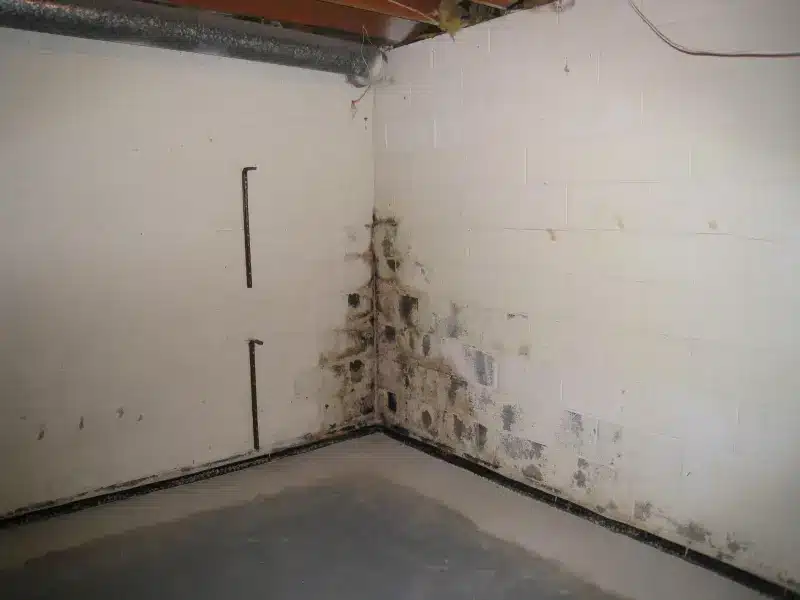
You’ve likely noticed that unpleasant, musty smell lurking in your basement, haven’t you? It’s more than just a nuisance; it could indicate significant moisture or mold problems that can lead to structural damage or health issues. You’re probably tired of the endless cycle of masking the odor without really solving the issue. Let’s discuss how you can permanently eliminate these musty odors from your basement. We’ll explore practical steps like regulating humidity, improving ventilation, identifying leaks, and using natural odor eliminators. But, what if these don’t completely solve the problem? Stay tuned for more.
Key Takeaways
- Use dehumidifiers and air purifiers to manage humidity and filter pollutants, reducing mold growth and odor.
- Ensure adequate ventilation and proper insulation to control moisture levels and prevent condensation.
- Implement moisture control measures like repairing leaks, utilizing waterproofing sealants, and maintaining stable temperatures.
- Utilize natural odor eliminators like baking soda, vinegar, activated charcoal, and essential oils to absorb and neutralize odors.
- Seek professional assistance for comprehensive assessments and targeted solutions to persistent odor issues.
Understanding Musty Basement Odors
Ever wondered why your basement often smells musty? You’re not alone. That familiar pungent scent is due to causes of odors that are common in basements.
The primary culprit is usually mold and mildew, which thrive in damp, dark environments. If water’s seeping in from outside or if there’s a leak in your home, it can lead to a musty smell.
Even if you can’t see mold, it could be lurking behind walls or under floorboards.
Another common cause is a lack of proper cleaning. Dust, dirt, and other debris can accumulate over time, leading to unpleasant odors.
If your basement isn’t regularly cleaned, these odors can become quite strong.
Odor detection can be tricky, as these smells can often blend into the background after you’ve been exposed to them for a while.
But if you notice a musty smell when you first enter your basement, or if guests comment on the smell, it’s a good sign there’s an issue.
Understanding the causes of these odors is the first step in getting rid of them.
Importance of Proper Ventilation
While understanding the root causes of musty basement odors is key, another significant factor in eliminating these smells is the implementation of proper ventilation.
Your basement needs to breathe, and that’s where good ventilation comes in. It helps to circulate fresh air and disperse those musty odors, creating a healthier environment.
There are various ventilation types that you can consider for your basement:
- Natural ventilation: This involves the use of windows, vents, and doors to allow fresh air in and stale air out.
- Mechanical ventilation: Systems like exhaust fans or supply fans can greatly enhance air circulation in your basement.
- Balanced ventilation: A combination of both natural and mechanical ventilation which controls the airflow and maintains a balanced indoor climate.
Dehumidifiers: A Must-Have Tool
If you’re battling musty odors in your basement, don’t overlook the power of a dehumidifier. This handy tool works by reducing the amount of humidity in the air, a major factor in the growth of mold and mildew – the usual culprits behind that unwanted musty smell.
Choosing the right dehumidifier capacity is vital. This is based on the size and dampness of your basement. Larger, wetter spaces need a dehumidifier with a higher pint capacity. For example, a 1,000 square foot basement with moderate dampness would need a dehumidifier rated for 30 pints a day.
Equally important is the dehumidifier placement. Make sure it’s placed in the most humid part of your basement. Keep it away from walls and furniture to allow for adequate airflow.
Remember, a dehumidifier can only do its job effectively if the moist air can reach it!
Regular maintenance is also essential. Clean the filter and empty the water reservoir regularly. This keeps your dehumidifier working efficiently, maintaining your basement’s freshness.
Using Air Purifiers Effectively
Next, let’s tackle the use of air purifiers in battling those pesky basement smells.
You’ll want to focus on three key areas: selecting the right purifier, figuring out the best placement, and keeping up with routine maintenance.
Choosing the Right Purifier
To combat musty basement odors, getting the right air purifier can make a world of difference.
But how do you know which one is right for you? It’s important to understand the different purifier types and filter options available.
- Mechanical Filters: These work like a sieve, trapping particles as air flows through.
They’re great for catching larger pollutants but may not be as effective for tiny mold spores.
- Activated Carbon Filters: These are excellent for eliminating odors.
They absorb volatile organic compounds (VOCs), which are often responsible for that musty smell.
- UV Filters: These use ultraviolet light to kill bacteria, viruses, and mold spores.
It’s a powerful option, but it doesn’t remove non-living pollutants.
Purifier Placement Tips
Getting the most out of your air purifier comes down to strategic placement. It’s not just about having a top-quality purifier, but also where you place it. The location of your air purifier can greatly impact its efficiency and the overall air quality in your basement.
Think about where the musty odors are strongest. That’s your purifier’s new home. But remember, don’t shove it in a corner or hide it behind furniture – it needs space to breathe, just like you do. Keep it at least a foot away from walls and other obstructions for ideal performance.
Purifier types also matter in placement. For instance, if you’ve a unit that expels clean air from the top, don’t place it under low shelves. Conversely, if it releases clean air from its sides, avoid positioning it next to walls.
Another point to reflect on is height. Some purifier types work best when placed off the ground, while others are more efficient on the floor. Check the manufacturer’s instructions to see what’s recommended for your specific model.
Routine Purifier Maintenance
Dive right into maintaining your air purifier to guarantee its effectiveness in eliminating musty odors from your basement.
It’s not enough to merely have an air purifier; you’ve got to keep it in top shape through regular unit upkeep.
- Filter replacement: This is vital. Don’t wait until your filter is visibly dirty before replacing it. Your purifier’s manual will indicate when to replace the filters, but a good rule of thumb is every 6-12 months. Remember, a clean filter means cleaner air.
- Clean the exterior: Dust and debris can build up on the outside of your unit, reducing its efficiency. Wipe it down with a soft cloth every few weeks to keep it running smoothly.
- Check the sensor and vents: Over time, these can become clogged or may malfunction. Verify they’re clean and working properly. If not, consult your manual or call a professional.
Proper air purifier maintenance isn’t just about filter replacement and unit upkeep, it’s about making sure your basement remains fresh and free from musty odors.
Keep up with these steps and you’ll greatly extend the life of your air purifier and maintain a fresher basement.
The Role of Basement Insulation
In managing basement musty odors, don’t overlook the critical role of proper insulation. It’s not just about keeping you warm in the winter and cool in the summer.
Basement insulation benefits extend to controlling the moisture levels in your basement, a key factor in that musty smell. Did you know that insulation helps prevent the condensation that can lead to mold and mildew growth? It’s true.
By keeping your basement’s temperature steady, insulation reduces the chances of condensation forming on your walls and floors. This cuts down on dampness, inhibiting mold growth and keeping that musty odor at bay.
Now, let’s talk about insulation installation tips. First, verify you’re using the right type of insulation for your basement. This could be spray foam, rigid foam board, or blanket insulation.
Additionally, make sure it’s installed correctly. You don’t want gaps where moisture can sneak in. Finally, check your insulation regularly for damage and replace it as needed.
Regular Basement Cleaning Tips
While ensuring your basement insulation is in order, don’t forget to maintain a regular cleaning schedule as well.
This not only helps keep the space tidy, but also plays an essential part in mold prevention. A clean, dry basement is less likely to have mold growth which is a common source of musty odors.
Here are three tips to incorporate into your cleaning schedule:
- Regular Dusting and Vacuuming: Dust and dirt can accumulate quickly in a basement, providing a perfect environment for mold to grow. Regularly vacuuming your basement floor and dusting surfaces can help prevent this.
- Dehumidify: Basements are often humid, making them a breeding ground for mold. Using a dehumidifier can help maintain a dry environment, which is unfavorable for mold growth.
- Promptly Deal with Leaks: Water leaks can lead to moisture build-up, another contributor to mold growth. If you notice any leaks, address them immediately to avoid potential mold problems.
Natural Odor Eliminators to Consider
Let’s now turn our attention towards natural odor eliminators that can help you freshen up your basement.
Consider the deodorizing power of simple household items like baking soda and vinegar.
And don’t overlook essential oils, they not only eliminate odors but also add a pleasant aroma to your space.
Baking Soda: Nature’s Deodorizer
You might be surprised to learn that your kitchen cupboard holds one of nature’s most powerful deodorizers – baking soda.
It’s more than just an ingredient for cookies and cakes. This humble white powder has a myriad of uses, and its effectiveness in eliminating musty basement odors is significant.
Baking soda is a natural absorbent that pulls in and traps odors, rather than merely masking them. Its non-toxic nature makes it safe for use around kids and pets.
So, how can you harness baking soda’s odor-fighting power in your basement? Here’s a simple three-step guide:
- Open the Baking Soda: Grab a box of baking soda and remove the top. It’s that easy to start. No fancy tools needed.
- Place Strategically: Put it in the areas of your basement where the mustiness is strongest. You’ll be amazed at baking soda’s effectiveness in tackling those stubborn smells.
- Replace Periodically: For continuous freshness, change the baking soda every 30 days.
From these baking soda applications, it’s clear that it’s not just for baking anymore.
It’s a powerful ally in your quest to banish basement odors for good.
Vinegar’s Odor Absorbing Powers
Beyond the potent power of baking soda, there’s another household staple with impressive odor-absorbing abilities – vinegar. You’ve probably used it for cooking or cleaning, but did you know about the vinegar benefits for odor neutralization? It’s true, vinegar can effectively absorb and neutralize those stubborn musty smells in your basement.
First, you’ll want to dilute the vinegar with water, preferably in a 1:1 ratio. Then, simply spray the solution around your basement, paying extra attention to those areas where the odors are strongest. You might initially smell the vinegar, but don’t worry – it’ll dissipate quickly, taking the musty odors with it.
Vinegar’s acidity is what gives it its odor-absorbing power. It breaks down the odor-causing molecules, neutralizing them and leaving your basement smelling fresh.
Plus, it’s a natural solution, meaning you won’t have to worry about introducing harmful chemicals into your home.
Essential Oils for Freshness
After harnessing the odor-fighting power of vinegar, another natural solution awaits in the form of essential oils.
These concentrated extracts capture the aroma of the plant they’re derived from, and they’re a fantastic way to invigorate your basement naturally.
Let’s explore how you can use them to eliminate musty odors:
- Choose Your Essential Oil Blends: Some oils are more effective at neutralizing odors than others.
For instance, citrus oils like lemon and orange are known for their invigorating, clean scents. Blends incorporating these oils can cut through mustiness effectively.
- Scent Diffusion Methods: You’ve got several options here.
You could use a diffuser, which disperses the oils into the air, or make your own air freshener by combining water and essential oils in a spray bottle.
- Regular Application: Essential oils evaporate over time, so you’ll need to reapply or rediffuse them regularly.
This isn’t a one-time solution, but it’s an easy and enjoyable routine to add to your basement maintenance.
Seeking Professional Help if Needed
Sometimes, despite your best efforts, the musty smell in your basement persists.
It’s frustrating, isn’t it? You’ve tried everything in the book, but that stubborn odor just won’t budge. Well, don’t lose hope just yet. It might be time to contemplate seeking professional help.
Professional assessments can be a real game-changer. Experts in the field know exactly what to look for. They’re equipped with specialized tools and have an arsenal of knowledge at their disposal.
They can identify the source of the odor, whether it’s mold, dampness, or even pest infestation. They’ll thoroughly inspect your basement, from the walls to the floor, and even the air quality.
Once they’ve pinpointed the problem, they’ll provide expert recommendations on how to tackle it. Maybe it’s a water leak that needs fixing, or perhaps your basement requires better ventilation.
They might even suggest certain treatments or products that are proven to eliminate musty odors for good.
While it might cost a bit, seeking professional help can save you time, money, and a whole lot of frustration in the long run.
Frequently Asked Questions
Can Installing a Sump Pump Help in Eliminating Musty Basement Odors?
Yes, installing a sump pump can indeed help eliminate musty basement odors.
A notable benefit of a sump pump is its ability to control moisture levels. By reducing the dampness, you’re tackling the primary cause of those musty smells.
Remember, moisture promotes mold and mildew growth, which are major contributors to the unpleasant aroma.
How Does Waterproofing the Basement Affect the Smell?
Waterproofing your basement can greatly impact the smell. By sealing off cracks and leaks, you’re controlling moisture build-up, a key factor in the production of musty odors.
It also promotes better air circulation, reducing damp, stagnant air that contributes to the musty smell.
In short, waterproofing is an effective way to keep your basement smell-free.
It’s not just about aesthetics, it’s about creating a healthier, more pleasant environment in your home.
Can Plants Help in Reducing the Musty Odors in My Basement?
Absolutely, plants can assist in reducing musty odors in your basement.
Certain air purifying plants, such as spider plants or peace lilies, are known for their ability to clean the air. They absorb pollutants and release clean oxygen. This natural deodorization can help eliminate unpleasant smells.
However, remember that plants need light to thrive, so you’ll need to provide a suitable light source in your basement.
What Are the Health Risks Associated With Extended Exposure to Musty Basement Odors?
Extended exposure to musty basement odors can pose serious health risks for you.
These odors often indicate the presence of mold, which can cause allergies, respiratory issues, and in severe cases, lung infections.
The vulnerable, such as children, the elderly, or those with weakened immune systems, are particularly at risk.
It’s important to address these odors promptly to avoid any potential health concerns tied to mold exposure.
Will Repainting the Basement Walls Help in Eliminating the Musty Smell?
Yes, repainting your basement walls can help, but it’s not just about slapping on a new coat.
Proper wall preparation is key. You’ve got to clean and dry the walls thoroughly before painting.
When selecting paint, opt for ones specifically designed to seal and combat odors.
Conclusion
In closing, banishing musty basement odors for good is achievable. Keep moisture in check, ventilate properly, and use dehumidifiers. Regularly inspect for leaks, mold, and apply waterproofing solutions. Utilize air purifiers and natural odor eliminators like baking soda and vinegar. Don’t shy away from seeking professional help for stubborn odors. You’re now equipped to maintain a fresh, healthy basement environment. Good luck!

