
You’re probably wondering how much you’ll need to set aside for basement waterproofing in 2025. It’s not just a matter of slapping on some sealant; you’ve got to factor in the drainage systems, the waterproofing materials, and the labor costs. These can be influenced by regional market conditions, seasonal demand, and your chosen contractor’s experience. The question is, with costs ranging from $3,000 to $10,000, how can you guarantee you’re getting the best value for your money? Let’s explore the specifics.
Key Takeaways
- The average cost for basement waterproofing in 2025 is estimated to range from $3,000 to $10,000.
- Basement drainage installation may cost between $700 and $2,500, adding to the overall waterproofing expense.
- Waterproofing materials, including sealants and membranes, could cost between $500 and $3,500.
- Professional labor costs are influenced by factors like regional variations and experience, typically ranging from $60 to $90 per hour.
- Climate, soil type, basement usage, local building codes, and property age significantly affect waterproofing needs and costs.
Understanding Basement Waterproofing
If you’re one of the many homeowners faced with a damp or leaky basement, understanding basement waterproofing is key. It’s your first line of defense against water intrusion. We’re talking about a system that includes basement drainage and moisture barriers.
Basement waterproofing starts with good drainage. You can’t just slap on a moisture barrier and call it good. No, you need to guide that water away from your home. This often means installing a basement drainage system. It could be as simple as a French drain, or more complex like a sump pump setup. Either way, it’s about making sure water doesn’t sit around your foundation.
Moisture barriers are the next step. These barriers are applied to your basement walls and floor, sealing them from water penetration. They come in different types, like liquid or sheet-based barriers.
But they all serve the same purpose: keeping water out of your basement.
Importance of Waterproofing Your Basement
Your basement is more than just a storage space; it’s an essential part of your home’s structural integrity. So, why not protect it? Waterproofing your basement isn’t a frivolous expense. It’s a smart, preventative measure that you’ll thank yourself for in the future.
Consider the benefits assessment. Waterproofing your basement protects your investment. It prevents potential damage from flooding, saving you costly repairs. It also increases your property value. Potential buyers will appreciate knowing that the basement is protected from water damage.
Next, think about moisture prevention. A damp basement is an ideal breeding ground for mold and mildew. These unwelcome guests can damage your belongings, not to mention your health. By waterproofing your basement, you’ll be creating a healthier, safer environment for you and your family.
Finally, a dry basement is a usable space. Whether you’re dreaming of a home office, a guest suite, or a playroom for the kids, waterproofing makes it possible.
In essence, waterproofing your basement isn’t an expense—it’s an investment. So, consider the cost worth every penny. After all, it’s your home we’re talking about. Protect it.
Common Waterproofing Techniques
When it comes to basement waterproofing, several effective techniques are at your disposal. These methods range from interior drainage to exterior sealing, and each offers unique benefits.
Interior drainage involves the installation of a drainage system within the basement to prevent water accumulation. It’s efficient, but requires professional installation. In contrast, exterior sealing prevents water from entering the basement walls and is a good preventive measure, though it can be more expensive.
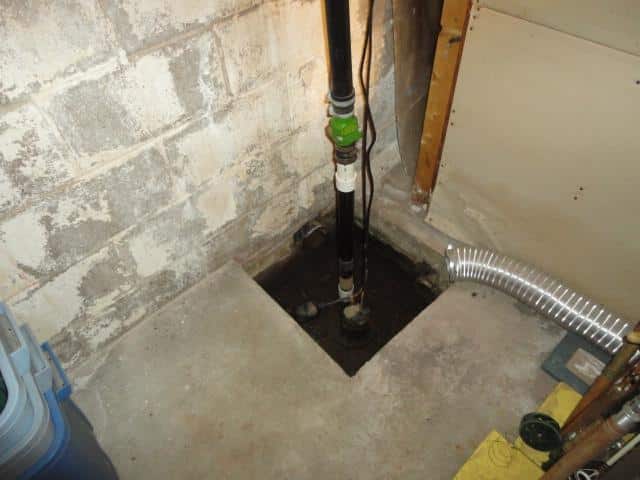
Sump pumps, another technique, can be installed to remove water that’s collected in a water-collecting sump basin. Vapor barriers, on the other hand, are materials used to resist diffusion of moisture through the basement walls, floors, and ceilings.
Crack injection is a method where a waterproof material is injected into cracks to prevent water seepage. And finally, surface waterproofing involves the application of a sealant to the basement’s surface to prevent water infiltration.
| Technique | Description |
|---|---|
| Interior Drainage | Installation of a drainage system within the basement |
| Exterior Sealing | Prevents water from entering the basement walls |
| Sump Pumps | Installed to remove collected water |
| Vapor Barriers | Resist diffusion of moisture through walls, floors, and ceilings |
Materials Used in Basement Waterproofing
Now, let’s turn your attention to the materials used in basement waterproofing.
You’ll need to understand what common materials are used and how they impact the overall cost.
This knowledge will guide you in making cost-effective decisions for your basement waterproofing project.
Common Waterproofing Materials
Several different materials are commonly used in basement waterproofing. You’ll find a variety of membrane types, each with its own benefits. These can range from rubberized asphalt membranes to bentonite clay membranes, both offering excellent moisture barriers.
You’ve also got a plethora of sealant options. These could be anything from liquid polyurethane to acrylic-based sealers. They’re essential in keeping water out of your basement, and each provides a unique set of advantages.
A well-designed drainage system can be a lifesaver, directing water away from your foundation. This often involves the use of sump pumps, which are designed to remove water that’s collected in the drainage system.
Excavation methods play a vital role in the waterproofing process. They determine how the project is carried out, whether it’s interior or exterior waterproofing. Alongside insulation materials, like extruded polystyrene or expanded polystyrene, they provide additional barriers against moisture.
Lastly, repair techniques become important when existing waterproofing fails. These may include crack repair or wall resealing.
All these materials and methods contribute to an extensive waterproofing solution for your basement.
Cost of Waterproofing Supplies
Investing in basement waterproofing supplies is a critical step in protecting your home from potential water damage.
It’s important to evaluate the cost of these materials in your overall waterproofing budget.
There’s a wide range of waterproofing products in the market, and their prices can vary considerably.
To help you make an informed decision, here’s a supply comparison of the most commonly used materials:
- Waterproofing paint: This is the most affordable option and can cost around $30-$50 per gallon. However, it’s less effective for severe water problems.
- Sump pumps: They’re priced at around $100-$400. This cost can increase if you need a backup battery or professional installation.
- Foundation sealers: These are more expensive, with prices ranging from $100 to over $200 per 5-gallon bucket.
Labor Costs for Basement Waterproofing
Next, let’s unpack the labor costs for basement waterproofing.
You’ll want to understand the key factors that can influence these expenses. This will help you to budget more accurately and know what to expect when you’re getting quotes for the job.
Determining Waterproofing Expenses
Ever wondered about the cost of labor when waterproofing your basement? It’s a vital element of your project budgeting. But don’t fret, we’re here to help you understand what goes into determining these expenses.
- Basement Moisture: The level of moisture in your basement directly impacts the labor costs. More moisture means more work, and consequently, higher costs.
A thorough inspection by a professional can give you a clear picture of the extent of moisture issues.
- Waterproofing Technology: The type of waterproofing technology used also influences labor costs. Advanced technologies might be pricier, but they usually require less labor and offer long-term benefits.
Be mindful of cost comparisons when choosing a waterproofing method.
- Size of the Basement: Finally, the size of your basement matters. Larger basements require more materials and manpower, leading to higher labor costs.
Factors Affecting Labor Costs
Now that you’ve understood how to determine your waterproofing expenses, let’s move on to understanding the factors that affect labor costs for basement waterproofing.
First, labor skill greatly influences the cost. More skilled workers demand higher wages due to their expertise, which can lead to a higher overall cost.
Project complexity is another factor. A simple job will cost less than a complex one requiring advanced techniques and materials. The more complex the project, the longer the job duration, hence affecting the cost.
Regional differences also come into play. Labor costs vary across regions due to differences in living costs, regulations, and market competition. For instance, you might pay more for the same job in New York than in Nebraska.
Seasonal demand affects labor costs too. During peak seasons when demand is high, you’re likely to pay more for the services.
Contractor experience is another key factor. Experienced contractors usually charge more due to their proven track record and higher quality work.
Lastly, equipment use affects the cost. Advanced equipment may speed up the work, but it also means higher rental or purchase costs, which can impact the overall labor cost.
Additional Factors Affecting Waterproofing Cost
Wondering what else could impact the cost of basement waterproofing? It’s not just labor and materials that affect the price. There are several other factors to evaluate, including some that mightn’t immediately come to mind.
- Climate considerations: Where you live can greatly influence the cost. If you reside in an area with heavy rainfall or high humidity, you may need more extensive waterproofing solutions. This could include additional drainage systems or more robust sealing materials, driving up the price.
- Soil type: The kind of soil around your home also plays a role. Some soils, like clay, hold water and increase the chance of basement leaks. If you’re dealing with this type of soil, you’ll likely need more thorough waterproofing, which means a higher cost.
- Basement usage: How you plan to use your basement also matters. If you’re turning it into a living area, you’ll need a higher level of waterproofing than if it’s just for storage.
Average Cost of Basement Waterproofing in 2025
Your basement’s waterproofing cost in 2025 can vary considerably, depending on numerous factors already discussed. On average, you might expect to pay between $3,000 to $10,000 for a thorough waterproofing solution. This cost includes the installation of a basement drainage system and the application of advanced waterproofing technology.
Basement drainage is an essential component of any waterproofing project. It involves the installation of pipes and drains to divert water away from your basement. This can cost anywhere between $700 to $2,500, depending on the size of your basement and the complexity of the job.
In addition, waterproofing technology is another significant part of the cost. This includes sealants, membranes, and other materials designed to prevent water from penetrating your basement walls and floor. The price for these materials and their application can range from $500 to $3,500.
Furthermore, labor costs can add up quickly. Professional waterproofing contractors usually charge between $60 to $90 per hour. As a result, a large basement or a complex job can result in a higher overall cost.
Cost-Saving Tips for Basement Waterproofing
To waterproof your basement without breaking the bank, a few strategic decisions can make a considerable difference.
It’s all about being smart with your resources and choosing budget friendly options that provide long term savings.
- Use Quality Materials: It might seem counterintuitive, but investing in high-quality waterproofing materials can save you money in the long run.
Cheap materials may require frequent replacements, costing you more over time.
- Regular Maintenance: Stay on top of minor leaks and cracks before they become bigger problems.
Regular maintenance can prevent costly repairs down the line.
- Waterproof Paint: Consider waterproof paint as a cost-effective solution.
It’s a simple DIY task that can greatly reduce moisture in your basement.
Hiring a Professional Vs DIY Waterproofing
When it comes to basement waterproofing, you have two options: hire a professional or take the DIY route. Each option has its pros and cons and will greatly affect your project timelines.
| Professional Waterproofing | DIY Waterproofing | |
|---|---|---|
| Pros | High-quality work, Saves time, Provides warranty | Lower costs, Flexibility in project timelines, Satisfaction of doing it yourself |
| Cons | Higher costs, Dependency on the contractor’s schedule | Time-consuming, Requires skills and knowledge, No warranty |
Hiring a professional guarantees high-quality work and saves you from the hassle of doing it yourself. They’re trained to spot potential issues and follow best practices to prevent future water problems. However, this comes with higher costs and you’re dependent on their schedule.
Taking the DIY route, on the other hand, might save you some money if you’re handy and have the time. You also have more control over the project timelines. But remember, it’s a time-consuming task that requires specific skills and knowledge. Plus, if anything goes wrong, there’s no warranty to fall back on.
Frequently Asked Questions
Does Homeowners Insurance Cover Basement Waterproofing Costs?
Typically, homeowners insurance doesn’t cover basement waterproofing costs. It’s considered a home maintenance issue, not an unforeseen event.
Your policy might cover water damage from sudden incidents, but not the cost of prevention. However, insurance coverage varies, so it’s better to check with your provider.
How Often Should I Have My Basement Re-Waterproofed?
You should evaluate the effectiveness of your basement’s waterproofing every 2-3 years.
However, the frequency of re-waterproofing depends on the quality of the initial job and your home’s specific conditions.
If you’re noticing dampness or leaks, it’s time for maintenance.
Remember, regular checks on your basement’s waterproofing can save you from costly repairs.
Are There Any Health Risks Associated With Basement Waterproofing?
Yes, there can be health risks associated with basement waterproofing if not done properly.
You’re primarily dealing with mold prevention, which is essential for maintaining good air quality. Improper waterproofing can lead to mold growth, causing respiratory issues and allergies.
However, a well-done job not only keeps your basement dry but also prevents these health issues.
Always hire a professional to guarantee the job’s done right, safeguarding your health.
Do Basement Waterproofing Methods Vary Based on Different Climates or Geographical Areas?
Yes, basement waterproofing methods do vary based on climate considerations and geographical differences.
In areas with heavy rainfall, you’ll likely need a more robust system than in drier climates.
Similarly, if you’re in a region prone to flooding, you’ll need additional safeguards.
It’s essential to get a professional assessment tailored to your specific location to guarantee your basement remains dry and protected.
Can I Waterproof My Basement During Winter or Rainy Seasons?
Absolutely, you can waterproof your basement during winter or rainy seasons.
However, winter waterproofing presents unique challenges, such as frozen ground and cold temperatures affecting the materials and process.
Rainy season challenges include managing excess moisture.
Though it’s doable, it’s generally easier and more effective to waterproof during dry, warm months.
It’s essential to consult with a professional for advice on your specific situation.
Conclusion
In short, waterproofing your basement in 2025 could cost you anywhere between $3,000 to $10,000. This estimate includes labor, materials and installation of a drainage system. The final price hinges on many variables like your location, the time of year, and your contractor’s experience. To cut costs, consider DIY methods or hire a professional during their off-peak season. But remember, a dry, mold-free basement can increase your property’s value, making this investment worthwhile.

