
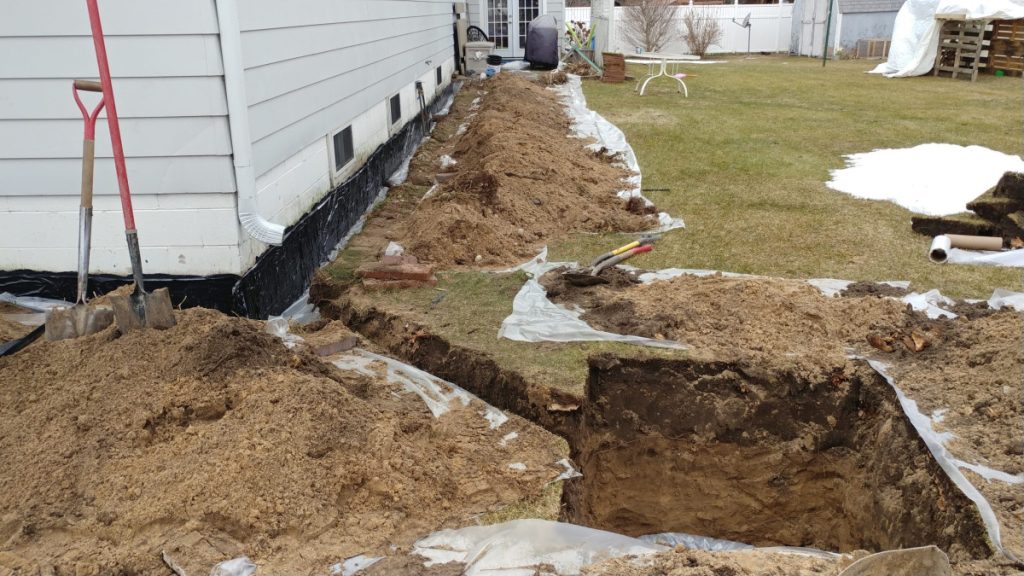
Most homeowners focus on what they can see. Walls, floors, ceilings, roofing. But the long-term stability of any home depends on what lies beneath it.
In Greater Grand Rapids, soil composition plays a major role in foundation performance. While some areas contain sandy soil that drains relatively well, many neighborhoods include clay-rich or mixed soils that expand and contract with moisture changes.
This constant soil movement creates gradual pressure against foundation walls and footings.
The damage rarely happens overnight. It develops slowly, often over years. By the time cracks or bowing walls appear, the soil beneath the home may have been shifting for a long time.
Understanding how expansive soil in West Michigan affects your foundation is critical for preventing long-term structural damage.
1. What Is Expansive Soil?
Expansive soil contains clay minerals that swell when they absorb water and shrink when they dry out.
This expansion and contraction cycle creates movement beneath and around foundations.
In wet conditions:
Soil absorbs moisture
It expands outward and upward
Lateral pressure increases against basement walls
In dry conditions:
Soil shrinks
Voids may form beneath footings
Uneven settlement can occur
This cycle repeats seasonally in Michigan, particularly during wet springs and dry late summers.
Over time, repeated soil movement weakens foundation materials.
2. Why West Michigan Is Prone to Soil Movement
Grand Rapids and surrounding areas experience:
Significant spring snowmelt
Extended rainfall periods
Humid summers
Freeze-thaw cycles
Seasonal groundwater fluctuations
These climate patterns continuously alter soil moisture levels.
Clay-rich soil retains water longer, which increases hydrostatic pressure around foundation walls. When the soil eventually dries, it contracts and pulls away from the structure.
The result is alternating pressure and release, placing stress on foundation systems.
3. Lateral Soil Pressure and Bowing Basement Walls
One of the most common consequences of expansive soil is lateral pressure against basement walls.
As soil expands, it pushes inward. Over time, this can cause:
Horizontal cracks
Stair-step cracking in block walls
Inward bowing
Wall displacement
Horizontal cracks are particularly concerning because they often indicate structural stress rather than cosmetic settling.
Ignoring early signs allows pressure to continue building.
Professional foundation repair in Grand Rapids addresses both structural reinforcement and moisture management.
4. Settlement Caused by Soil Shrinkage
When expansive soil dries out, it shrinks. This shrinkage can create gaps beneath footings.
If one section of the foundation loses support while another remains stable, differential settlement occurs.
Common signs include:
Sloping floors
Cracks above doors and windows
Doors sticking or misaligning
Gaps between walls and ceilings
Settlement may begin subtly but can worsen if soil conditions continue fluctuating.
Addressing drainage and stabilization early prevents progressive structural imbalance.
5. The Role of Hydrostatic Pressure
Hydrostatic pressure and expansive soil often work together.
When soil is saturated:
Water builds against foundation walls
Pressure increases beneath basement slabs
Moisture enters through cracks or joints
As soil expands with moisture, pressure intensifies further.
This combined force accelerates wall cracking and structural stress.
Basement waterproofing and proper drainage reduce moisture levels, limiting soil expansion and pressure buildup.
6. Freeze-Thaw Cycles Increase Stress
Michigan winters add another layer of complexity.
When water within soil freezes, it expands. This expansion exerts upward and lateral pressure on foundations.
As temperatures rise and soil thaws, the structure may settle unevenly.
Repeated freeze-thaw cycles compound soil movement, particularly in clay-heavy areas.
Homes in West Michigan experience these cycles annually, increasing long-term stress on foundation walls.
Proper moisture control reduces the amount of water available to freeze, minimizing seasonal expansion.
7. Warning Signs Homeowners Should Not Ignore
Early detection prevents extensive structural repair.
Watch for:
Horizontal or widening cracks
Bowed or leaning basement walls
Water intrusion along cracks
Repeated drywall cracking
Chimney separation
Exterior brick stair-step cracks
Even minor changes can indicate increasing soil pressure.
Professional foundation inspection in Grand Rapids identifies whether movement is active and progressing.
8. Foundation Repair Solutions for Expansive Soil Damage
When soil movement has compromised structural stability, several solutions may be used:
Wall Anchors
Installed to counteract inward soil pressure and stabilize bowing walls.
Carbon Fiber Reinforcement
Applied to strengthen walls and prevent further inward movement.
Helical or Push Piers
Installed beneath footings to stabilize and support settling sections.
Drainage Improvements
Reducing soil moisture minimizes expansion and pressure cycles.
The correct approach depends on soil conditions, severity of movement, and foundation type.
Repair plans must address both structural reinforcement and underlying moisture causes.
9. Why Cosmetic Repairs Do Not Solve the Problem
Filling cracks without addressing soil pressure only masks symptoms.
If expansive soil continues shifting:
New cracks may form
Walls may bow further
Settlement may worsen
Foundation repair in Grand Rapids must consider soil behavior and groundwater management.
Long-term stability depends on relieving pressure, not just patching damage.
10. The Value of Proactive Inspection
Many homeowners wait until visible bowing or major cracks appear before seeking help.
However, early inspection offers several advantages:
Identifying soil pressure before major damage
Reducing repair costs
Preventing interior finishing damage
Protecting property value
Foundations rarely fail suddenly. They deteriorate gradually under repeated stress.
Regular evaluation ensures small concerns do not become structural emergencies.
Frequently Asked Questions
Is expansive soil common in Grand Rapids?
Many areas of West Michigan contain clay-rich soils that expand and contract with moisture changes.
Can expansive soil damage be prevented?
Moisture control and proper drainage significantly reduce soil expansion cycles.
Are horizontal cracks always serious?
Horizontal cracks often indicate lateral soil pressure and should be professionally evaluated.
Will foundation repair stop soil movement?
Repair systems stabilize the structure, while drainage improvements reduce future stress.
Does insurance cover soil-related foundation damage?
Coverage varies depending on policy terms and cause of damage.
Conclusion: Soil Movement Is Slow but Relentless
Expansive soil in West Michigan does not cause immediate collapse. Instead, it applies gradual, repeated pressure that weakens foundation systems over time.
As soil expands and contracts with moisture cycles, stress accumulates. Cracks widen. Walls bow. Settlement progresses.
Professional foundation repair in Grand Rapids addresses both the structural damage and the environmental factors contributing to soil movement.
If you notice early warning signs, proactive inspection and stabilization protect your home’s safety, stability, and long-term value.
