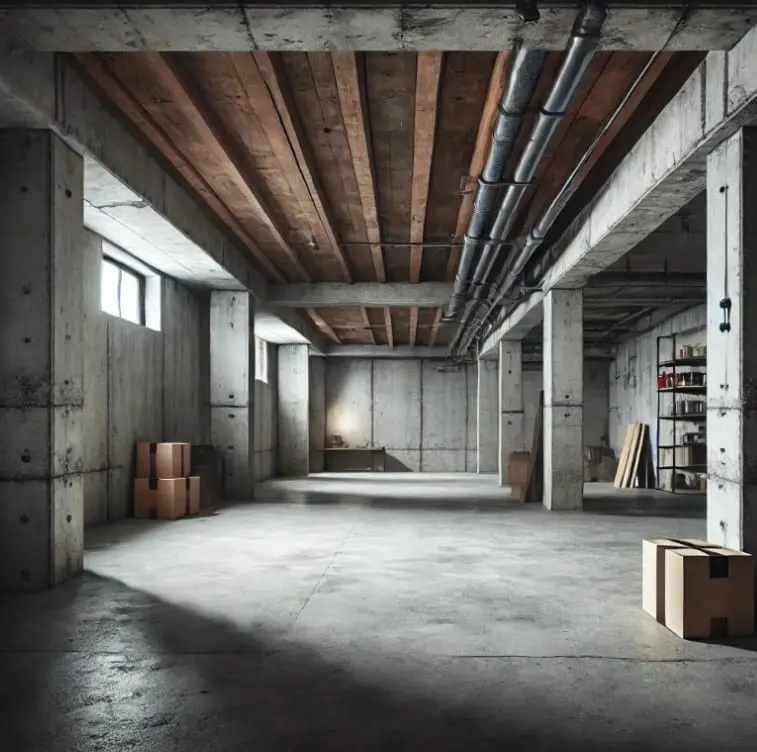
Just as you’re thinking about how to permanently waterproof your basement, we’re here discussing the very same topic. You’re probably tired of dealing with the dampness, the musty smells, and the potential damage to your belongings.
It’s a common issue, but the good news is, there are solutions. You can take steps to effectively waterproof your basement and we’re about to explore how. But be warned, while the process is straightforward, it’s not necessarily a walk in the park.
Key Takeaways
- Thoroughly assess basement for leaks, dampness, mold, or structural damage before starting waterproofing.
- Understand the different waterproofing options available, such as interior sealants, exterior waterproofing, and water drainage systems.
- Implement proper waterproofing techniques like applying waterproof masonry cement, installing a quality sump pump, and maintaining gutters and downspouts.
- Regular maintenance practices like inspecting gutters, checking for moisture, and keeping sump pumps efficient are crucial for a permanently waterproofed basement.
Assessing Your Basement’s Condition
Before you can start waterproofing, you’ll need to thoroughly assess your basement’s current condition to identify any existing issues such as leaks, dampness, mold, or structural damage. Don’t rush this step. Every minor detail matters. Pay close attention to wall cracks, water stains, peeling paint, or efflorescence—a white powdery substance that indicates water seepage.
Next, check your basement’s humidity level. A hygrometer can help with this. If it’s consistently above 60%, you’ve got a moisture problem. Don’t forget to inspect your basement’s exterior too. Look for factors that can lead to water seepage, like poor grading, overflowing gutters, or leaky downspouts.
Also, consider hiring a professional for a thorough inspection. They’re trained to spot problems you might miss and can suggest the most effective waterproofing solutions.
Understanding Basement Waterproofing Options
Unveiling a plethora of options, it’s essential to have a solid grasp of the various basement waterproofing methods available to you, each with its unique pros and cons.
The first option is interior sealants. Although not a permanent solution, they’re a cost-effective way to keep humidity levels down and prevent minor leaks. They’re applied to the inside of your basement walls and floor, creating a watertight seal.
Next, consider exterior waterproofing. It’s a more invasive and costly method, but it offers the best protection against water penetration. It involves excavating the soil around your basement, applying a waterproof coating to the exterior walls, and installing a drainage system.
Alternatively, interior water drainage systems can be an effective solution. These systems collect water entering your basement and channel it safely away. They’re less disruptive than exterior options but still provide substantial protection.
Lastly, don’t overlook the importance of proper gutter and downspout systems. They direct rainwater away from your foundation, which can significantly reduce basement water issues.
Preparing Your Basement for Waterproofing
Having examined the various waterproofing options at your disposal, it’s crucial to get your basement ready for whichever method you choose. This preparation stage is often overlooked, yet it’s a decisive factor in ensuring the longevity of the waterproofing job. Here’s a straightforward guide to help you do it effectively.
Firstly, you’ll need to clear out your basement. This includes removing furniture, appliances, stored items, and any debris. A clutter-free space will provide easy access to all areas, making the waterproofing process smoother and more thorough.
Secondly, inspect your basement for any existing issues. Look out for cracks in the walls and floor, signs of mold or mildew, and any damp or wet spots. These issues should be addressed and fixed before proceeding with waterproofing.
Lastly, consider the condition of your drainage system. If it’s not functioning properly, water will continue to find its way into your basement, undermining your waterproofing efforts.
To summarize:
- Clear your basement of any items and debris
- Inspect and fix existing issues that might affect waterproofing
- Assess and improve your drainage system if necessary
Steps to Waterproofing Your Basement
Now that your basement is prepped and ready, let’s dive into the step-by-step process of waterproofing it to ensure a dry, cozy space. Firstly, apply a coat of waterproof masonry cement to your basement walls. This seals any cracks or crevices that could let in water. You can use a paint roller or brush for this task.
Next, invest in a good quality sump pump. It’s a crucial device that assists in pumping out any water that collects in your basement. Ensure it’s installed in the lowest part of your basement so it can effectively do its job.
Thirdly, consider installing a French drain. This system channels water away from your basement, keeping it dry. It’s a bit more complex and could require professional assistance to install.
Final step is to check your gutters and downspouts. They should be clean and direct water away from your house’s foundation. If they’re not, water could pool around your home and seep into your basement.
Keep in mind, waterproofing isn’t a one-time task. You’ll need to maintain these systems and check for leaks regularly to ensure a permanently dry basement.
Maintaining a Waterproof Basement
While ensuring your basement is waterproofed is absolutely crucial, it’s equally important to keep up with regular maintenance to preserve this dry state. Regular inspections and upkeep can prevent minor issues from becoming costly repairs. Here’s how you can keep your basement dry and snug.
First, you should regularly inspect the exterior of your home. Pay special attention to your gutters and downspouts, ensuring they’re clean and properly directing water away from your house.
Secondly, check the interior of your basement. Look for signs of moisture or damage, such as peeling paint, mold or mildew, or damp spots.
Finally, maintain your sump pump if you have one. This device is key for moving water away from your basement.
Here’s a quick checklist for you to follow:
- Regular exterior inspection, focusing on gutters and downspouts
- Consistent basement interior checks for signs of moisture or damage
- Sump pump maintenance and checks for efficiency
Keeping up with these tasks will help maintain the waterproof integrity of your basement. It’s a small price to pay for peace of mind and a dry, usable basement. Remember, preventive maintenance is always cheaper and easier than facing serious repairs down the line.
Frequently Asked Questions
What Are the Potential Health Risks if a Basement Is Not Properly Waterproofed?
If your basement isn’t properly waterproofed, you’re risking your health. Damp environments encourage mold growth, causing allergies and respiratory problems.
You also might face exposure to radon, a radioactive gas linked to lung cancer.
Plus, dampness attracts pests like cockroaches, which can trigger asthma and carry diseases.
How Does the Climate or Geographical Location Affect the Need for Basement Waterproofing?
Your climate or geographical location can significantly impact your basement’s waterproofing needs. If you’re in a rainy or snowy area, you’ll likely face more water infiltration. Similarly, living near a body of water or in a flood-prone zone increases your risk.
Arid regions aren’t safe either. Soil contraction during dry periods can cause foundation cracks, letting water in. Therefore, you must consider these factors when planning your waterproofing strategy.
Can Waterproofing a Basement Increase the Value of My Home?
Yes, waterproofing your basement can certainly increase your home’s value. As the old saying goes, ‘an ounce of prevention is worth a pound of cure’.
By waterproofing, you’re preventing potential future damage, saving potential repair costs. Buyers value this foresight, often willing to pay more for a home that’s been well maintained.
Is It Possible to Waterproof a Basement on My Own, or Should I Hire a Professional?
Yes, it’s possible to waterproof your basement on your own. However, it’s a task that requires skill, time, and the right tools.
You’ll need to diagnose the source of the water problem, seal cracks, apply a waterproofing compound, and possibly install drainage.
If you’re not comfortable with these tasks, hiring a professional is a smart move. They’ll ensure the job is done right, potentially saving you costly repairs in the future.
What Are the Potential Signs of Water Damage That May Suggest My Basement Needs to Be Waterproofed?
You might need to waterproof your basement if you notice signs of water damage. Look for peeling paint, mold or mildew, damp spots on walls or floors, a musty odor, or water seepage after rain.
Cracked or bowing walls can also suggest water damage. It’s essential you address these issues promptly, as they can lead to more serious structural problems.
Don’t ignore these signs – waterproofing could save your basement.
Conclusion
Permanently preserving your basement’s dryness demands diligence. Through thorough assessment, understanding your waterproofing options, and proper preparation, you can combat creeping dampness.
With the right waterproofing steps and steady maintenance, you can create a consistently cozy cellar. Remember, waterproofing isn’t just a one-time task, but an ongoing obligation.
By being both proactive and persistent, your basement becomes a bulwark against bothersome moisture, ensuring enduring enjoyment of your home’s lower level.