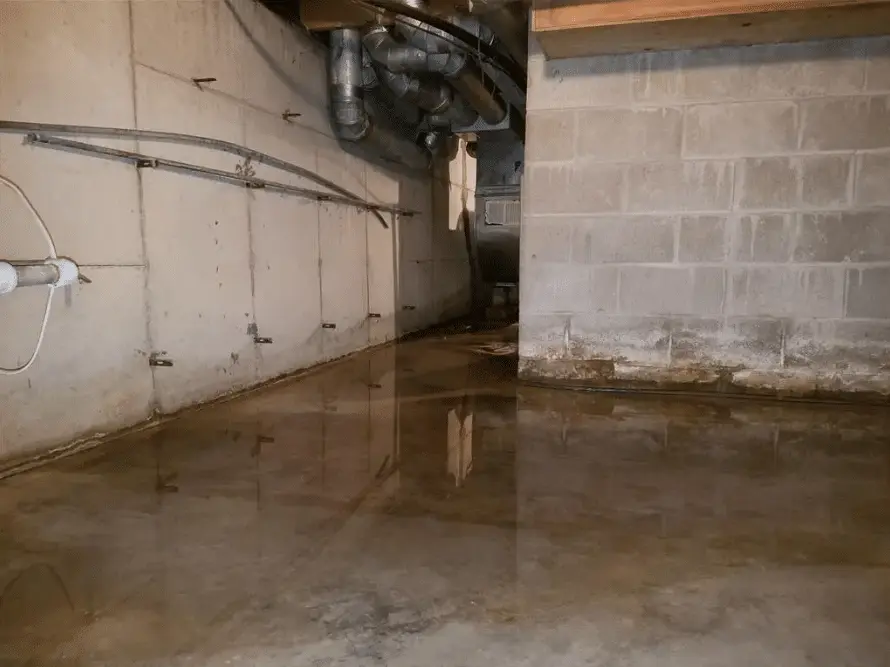
Did you know that approximately 60% of U.S. homes experience below-ground wetness, according to the American Society of Home Inspectors?
Unfortunately, you’re part of this statistic if you’re dealing with water creeping into your basement. It’s not just an annoyance; it can lead to serious issues like mold growth, structural damage, and decreased property value.
But don’t lose hope. By understanding the reasons behind this common problem and exploring various solutions, you can prevent that unwanted water intrusion.
So, why not join us as we unravel the mystery of water seeping into basements and reveal effective strategies to combat it?
Key Takeaways
- Early identification of basement water issues is crucial for prevention.
- Implementing effective waterproofing techniques like sump pumps and sealants can prevent water seepage.
- Proper drainage systems are essential in diverting water away from the foundation to prevent dampness and structural damage.
- Regular maintenance, such as sealing cracks correctly and checking drainage systems, is necessary to ensure a dry basement and protect the home.
Understanding Basement Water Problems
Before diving into solutions, it’s crucial that you grasp the common causes and signs of water seepage in your basement. A damp or wet basement isn’t just a nuisance. If not addressed, it can lead to more serious issues such as mold growth, structural damage, and decreased property value.
Several factors could be contributing to your basement water problems. These include a high water table, poor landscape grading, and inadequate or damaged drainage systems. You might’ve a cracked foundation letting water in, or perhaps your downspouts aren’t directing water away from your home’s foundation effectively.
Identifying the signs of water seepage early can save you a lot of trouble. Be on the lookout for damp spots on walls or floors, water stains, a musty odor, mold or mildew, and efflorescence – a white, powdery substance on walls which indicates water seepage. Also, if you notice any cracks, it’s a warning sign of potential water intrusion.
Understanding these causes and signs is the first step towards resolving your basement water problems. With this knowledge, you’re now ready to tackle the issue head-on and protect your home.
Effective Waterproofing Techniques
Armed with a solid understanding of the causes and signs of basement water seepage, let’s explore the effective waterproofing techniques you can employ to remedy this issue.
Firstly, consider installing a sump pump. This device collects water from your basement and pumps it outside, keeping the area dry. It’s a proactive solution that tackles the problem head-on.
Secondly, applying waterproof sealants on your basement walls and floors can be a significant deterrent to water seepage. These sealants are designed to block any moisture from seeping through, keeping your basement dry.
Thirdly, installing a proper drainage system can effectively redirect water away from your home. This involves creating a slope around your foundation to guide water away, and installing gutters and downspouts to control roof runoff.
Lastly, a French drain might be a solution. This involves digging a trench around your home, filling it with gravel, and laying a pipe that collects and diverts water away from your foundation.
Importance of Proper Drainage Systems
Understanding the role of a proper drainage system in your home is crucial, as it’s your first line of defense against basement water seepage. An efficient system diverts water away from your home’s foundation, preventing it from seeping into your basement.
Poor drainage can lead to a myriad of issues. These include not only a damp, musty basement, but also the potential for structural damage. Water accumulation can cause cracks in your home’s foundation, which can lead to expensive repairs down the line. Moreover, a damp basement is a breeding ground for mold and mildew, which can affect the health of your family.
To ensure your drainage system is up to par, check that your gutters are clean and working properly, your downspouts are directing water away from your home, and that the slope of your yard is moving water away from your foundation. Investing in a sump pump can also be beneficial, especially in areas prone to heavy rain or flooding.
Utilizing Sump Pumps for Prevention
A sump pump, your basement’s silent guardian, can play a pivotal role in preventing water seepage and protecting your home’s structural integrity. This device, often unnoticed until it’s needed, works tirelessly to keep your basement dry and safe.
To understand the importance of a sump pump, let’s consider its basic functions. The pump sits in a pit or “sump” in the lowest part of your basement. When water starts to fill the pit, the pump activates and sends the water away from your home, thus preventing any potential flooding.
Here’s a brief rundown of the three main types of sump pumps and their features:
| Type | Pros | Cons |
| Pedestal | Long lifespan, Easy access for repairs | Noisy, Less powerful |
| Submersible | Quiet, Powerful | Shorter lifespan, More expensive |
| Water-powered | No electricity needed, Reliable | Requires good water pressure, Not suitable for heavy flooding |
Knowing which sump pump is right for you depends on your home’s specific needs. By investing in a quality sump pump and maintaining it properly, you’re taking a crucial step in keeping your basement dry and your home’s foundation secure.
Sealing Cracks and Holes Correctly
In addition to a reliable sump pump, proper sealing of any existing cracks and holes in your basement’s walls or floor is an essential step towards preventing water seepage. The process may seem daunting, but with the right materials and techniques, it’s something you can tackle yourself.
Firstly, inspect your basement thoroughly. Any crack or hole, no matter how small, can be a potential entry point for water. Once you’ve identified these areas, clean them out. Remove any loose debris and make sure the surface is dry before proceeding.
Next, you’ll need a quality waterproof sealant, typically a mixture of epoxy and polyurethane. These substances work together to create a strong, flexible seal that can withstand changes in temperature and pressure. Apply this sealant into the cracks or holes, ensuring you fill them completely. It’s essential not to skimp on this step, as incomplete sealing can lead to future leaks.
Lastly, allow the sealant to cure for the recommended time on the packaging. This drying period ensures the sealant can effectively block any water attempting to seep in. By following these steps, you’ll be well on your way to a dry, water-free basement.
Frequently Asked Questions
What Kind of Materials Are Best Suited for Constructing a Basement to Prevent Water Seepage?
To prevent water seepage in your basement, it’s essential to use water-resistant materials. Concrete is often the best choice for walls, given its durability and resistance to water.
Using a waterproofing membrane on the exterior walls can also be beneficial. Moreover, opt for moisture-resistant insulation like closed-cell spray foam.
Don’t forget to install a good drainage system to direct any water away from your basement.
How Often Should I Inspect My Basement for Signs of Water Damage?
You should inspect your basement for signs of water damage at least once a month. It’s important to catch any potential issues early before they become bigger problems.
Look for signs of moisture, such as damp spots, mold growth, or a musty smell. If you notice any of these signs, it’s time to call a professional to help diagnose and fix the issue.
Regular inspections can help keep your basement dry and damage-free.
Can I Use Home Insurance to Cover the Costs of Repairing Water Damage in My Basement?
Yes, you can use your home insurance to cover basement water damage repairs, but it greatly depends on your policy’s specifics. Typically, insurance covers sudden or unexpected damage, not due to neglect or maintenance issues.
It’s crucial to review your policy thoroughly, understand what’s covered, and communicate with your insurance provider. Remember, proactive measures, like regular inspections, can help prevent future damage and related costs.
Are There Any Health Risks Associated With Prolonged Water Seepage in the Basement?
Yes, there are health risks associated with prolonged water seepage in your basement. Moisture promotes mold growth, which can cause allergic reactions and respiratory problems. Damp basements can also attract pests, leading to potential diseases.
Structural damage from water can create safety hazards. It’s essential you address any water seepage promptly to prevent these health risks and maintain a safe, healthy home environment.
What Are the Signs That My Basement Has Mold Due to Water Seepage?
You’ll notice mold in your basement due to water seepage by spotting signs like a musty odor, discoloration on walls, and dampness. Additionally, you may experience health issues such as allergies or respiratory problems.
It’s important to address this immediately as mold can cause serious health risks and damage to your home. Get a professional mold inspection if you suspect its presence in your basement.
Conclusion
Think of your basement as a ship navigating stormy seas. Without proper sealing, drainage systems, and a trusty sump pump – it’s doomed to take on water.
Remember, 98% of basements in the U.S. will suffer from some type of water damage. Don’t let yours be another statistic. Be proactive in waterproofing your basement.
It’s not just a part of your house, but a sanctuary that deserves to stay dry, secure, and inviting.