
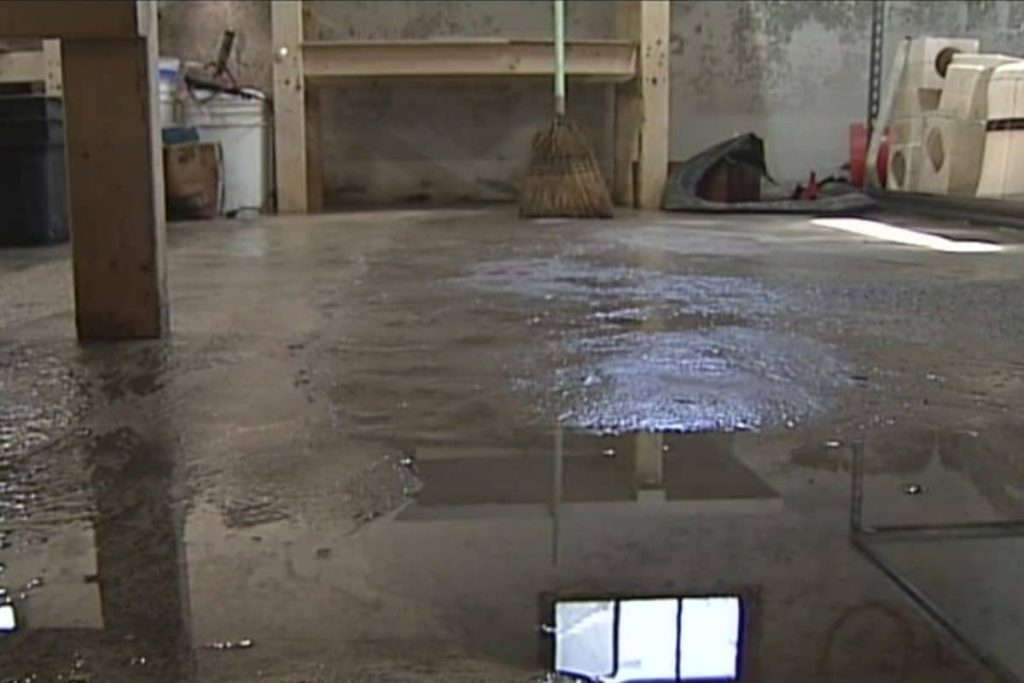
You might think that the arid, dry conditions of the desert would make waterproofing your home unnecessary. Yet, when those rare but intense rainstorms hit, you’ll wish you’d taken precautions. Picture, if you will, the potential damage to your home’s foundation, the seeping moisture causing a decline in indoor air quality. Now, imagine the savings on maintenance costs and the boost in energy efficiency with proper waterproofing. It’s not just about protecting your home, but also about enhancing its value. Intrigued? Let’s explore how desert homes can truly benefit from waterproofing.
Key Takeaways
- Waterproofing desert homes mitigates temperature-induced structural damage and prevents unexpected water infiltration during rare but intense rainstorms.
- The implementation of drainage systems and moisture barriers enhances overall protection, reduces long-term maintenance costs, and extends the home’s lifespan.
- Waterproofing helps improve energy efficiency, leading to lower utility bills and ensuring future home stability in harsh desert climates.
- It prevents water from weakening foundations, reduces indoor moisture, and improves air quality, thereby enhancing the comfort of living environments.
- It increases the property’s resale value by reflecting good home maintenance, reducing potential repair costs for future buyers, and boosting buyer confidence.
Understanding Desert Climate Variability
Nearly every desert dweller knows that desert climates can be wildly unpredictable. One moment, you’re sweltering in the heat, the next, you’re bundling up against a chilly night.
Desert temperature fluctuations aren’t for the faint of heart. During the day, the sun can heat the ground to well over 100 degrees Fahrenheit. But once that sun dips below the horizon, temperatures can plunge dramatically, often dropping 40 degrees or more.
Seasonal rainfall patterns add another layer of unpredictability. You might think of deserts as dry, barren places, but they can actually experience intense bouts of rainfall.
These downpours, though infrequent, are typically heavy and can cause sudden, severe flooding.
The Importance of Waterproofing
You might think of waterproofing as a necessity in wet climates, but it’s equally important for desert homes.
In fact, the benefits of waterproofing in desert regions can’t be overstated.
Let’s explore these perks and some essential techniques to keep your home safe and dry.
Waterproofing Benefits in Deserts
Despite the arid conditions, desert homes can greatly benefit from waterproofing. The desert soil, with its low moisture retention, often struggles with water infiltration during rare but powerful rainstorms. Waterproofing your home helps to combat this, protecting your investment from potential water damage.
Consider these benefits:
- It fortifies your home’s foundation against extreme temperatures. This guarantees your foundation remains intact, unaffected by the expansion and contraction that comes with temperature changes.
- Waterproofing creates a barrier, preventing water infiltration into your home’s foundation and walls. This is essential for the longevity of your building materials.
- It aids in landscape management. By directing water away from your home using carefully designed drainage systems, you control the flow of water, protecting your landscaping from erosion.
- It improves the moisture retention of your home’s surroundings. This can be a boon for the desert flora around your home, which typically struggles in the harsh desert environment.
- Foundation protection is another important aspect. Waterproofing makes certain your home’s foundation doesn’t absorb water, protecting it from potential damage.
In short, waterproofing provides a plethora of benefits for desert homes, making it a worthwhile investment.
Essential Waterproofing Techniques
Investing in proper waterproofing techniques is essential for the longevity and protection of your desert home. You might be wondering why you’d need to worry about water in a desert environment. Despite the scarcity of rain, when it does come, it’s often a torrential downpour that can quickly overwhelm unprepared structures.
One essential technique is installing drainage systems. These move any water that does accumulate away from your home, preventing moisture build-up that can lead to damage. Don’t be fooled into thinking that because you live in a desert, your home doesn’t need a good drainage system. It’s absolutely essential.
Moisture barriers are another key component of desert home waterproofing. These barriers, typically made of plastic or foil sheet, are installed around the foundation of your home to prevent moisture from seeping in.
When combined with a good drainage system, moisture barriers provide excellent protection from the occasional but potentially damaging desert rain.
Mitigating Structural Damage
To protect your desert home from structural damage, proper waterproofing is a must. It’s essential for maintaining foundation integrity and effective moisture management. Even in arid environments, moisture can be a significant issue, influencing the longevity of your home.
Just picture these scenarios:
- Water seeping into your home’s foundation, weakening the structural integrity over time.
- Moisture accumulating in your walls, fostering mold growth.
- Prolonged dampness eroding your home’s exterior paintwork.
- Water pooling on your rooftop, causing it to sag and possibly collapse.
- Moisture wicking up through the concrete, damaging your beautiful hardwood floors.
Each of these instances can cause significant damage, but they’re all preventable with the right waterproofing measures. It’s not just about maintaining aesthetics; it’s about protecting your investment and ensuring your desert abode remains a safe, comfortable place to live.
So, don’t disregard the importance of waterproofing just because you live in a dry climate. It’s a vital strategy for mitigating structural damage, preserving your home’s foundation integrity, and managing moisture effectively.
Waterproofing and Humidity Control
You might be wondering how waterproofing relates to humidity control. Well, let’s explore it. In desert homes, waterproofing isn’t just about keeping water out, it’s also about controlling humidity levels. Despite the arid climate, your home can still experience high humidity due to various factors like indoor activities and poor ventilation.
Moisture barriers play an essential role in this aspect. They’re not just designed to prevent water from seeping into your home. They also help to control indoor humidity by reducing the amount of moisture that gets into your home from the ground or the air. By reducing the level of humidity, they help to create a more comfortable living environment.
Humidity sensors, on the other hand, are a great way to monitor and manage the humidity levels in your home. They help you to keep track of the moisture levels in your home and take necessary actions when the humidity becomes too high.
Reducing Maintenance Costs
You’re likely wondering how waterproofing can trim down your maintenance costs.
Well, by lowering repair expenses and enhancing home durability, you’ll save a considerable amount over time.
Lowering Repair Expenses
Investing in waterproofing for your desert home can considerably lower repair expenses over time.
It’s a smart move that not only protects your abode but also your wallet.
Let’s explore the cost analysis and investigate how this strategy can reduce your financial burden.
- Your home’s exterior and interior surfaces will resist damage from unexpected desert storms or flash floods, eliminating the need for frequent repairs.
- As waterproofing adds an extra layer of protection, it reduces the wear and tear on your home, delaying the need for costly renovations.
- It minimizes the risk of mold and mildew growth, a common issue in desert homes. This can save you from expensive mold remediation services.
- Waterproofing your home can prevent structural damage. This could save you from repair strategies that involve significant reconstruction costs.
- Finally, the improved insulation from waterproofing can result in lower energy bills.
Enhancing Home Durability
Beyond saving you money, waterproofing also stands to greatly enhance the longevity of your desert home, reducing maintenance costs in the long run.
How? Well, it’s all about creating an effective moisture barrier. This barrier doesn’t just protect against the occasional rainstorm. It also helps to resist the daily dew and humidity that can seep into your home’s structure.
Over time, even minor moisture infiltration can lead to significant damage, weakening your home’s structural integrity. By adding a moisture barrier, you’re fundamentally giving your home a shield against these damaging elements.
Now, let’s talk about desert insulation. It’s not just about keeping the heat out; it’s also about keeping moisture at bay. Waterproofing compounds work hand in hand with insulation to guarantee that your home stays dry, comfortable, and sturdy.
They fill in the tiny gaps that traditional insulation might miss, adding an extra layer of protection.
In essence, by waterproofing your desert home, you’re not just saving a few bucks on your energy bill. You’re investing in the future of your home, guaranteeing it stands strong for years to come.
With less maintenance and a longer lifespan, waterproofing is a smart, cost-effective choice for any desert homeowner.
Enhancing Home Resale Value
Believe it or not, waterproofing your desert home can greatly increase its resale value. This may seem counterintuitive given the dry climate, but let’s explore the reasons why.
Current resale trends show buyers are increasingly seeking homes that are well-maintained and resilient, regardless of location. Waterproofing enhances the market appeal of your desert home by demonstrating your commitment to long-term property care.
Consider the following:
- Waterproofing keeps the house in prime condition, protecting it from unexpected water damage.
- It saves potential buyers from future repair costs.
- It provides peace of mind, knowing water damage is less likely to occur.
- It reflects on the home’s overall quality, reinforcing the perception of a well-cared-for property.
- Finally, it increases buyer confidence, making the home more attractive on the market.
Therefore, waterproofing doesn’t just protect your home – it’s an investment. By increasing market appeal and aligning with resale trends, you’re ensuring that when the time comes to sell, your desert home stands out from the competition, fetching you a higher price.
Choosing the Right Waterproofing Solution
Plunge into the sea of options when it comes to waterproofing solutions for your desert home. It’s essential to understand the differences between membrane options and sealant types, so you can choose wisely.
Membrane options are typically more durable and offer greater protection against water seepage. They’re made from materials like rubber, modified bitumen, or PVC. On the other hand, sealant types such as acrylic, silicone, or polyurethane are applied to surfaces to create a water-resistant barrier. They’re typically easier to apply but might require more frequent maintenance.
Your choice depends on your home’s structure, location, and your budget. Consult with a professional to guarantee you’re making the best decision for your desert home.
The following table provides a quick comparison:
| Waterproofing Type | Advantages |
|---|---|
| Membrane Options | Durable, Provides Greater Protection |
| Sealant Types | Easy Application, Lower Initial Cost |
Frequently Asked Questions
What Materials Are Typically Used in Desert Home Construction?
You’re likely to find traditional adobe, rammed earth, and stone as common materials in desert home construction.
They’re chosen not just for their availability, but for their natural insulation techniques too.
But don’t forget, modern materials like concrete and specially designed bricks are also used.
They’re combined with innovative insulation methods to handle the desert’s extreme temperatures, making your home more energy-efficient.
How Does Waterproofing Affect Indoor Temperature in Desert Homes?
You might wonder how waterproofing influences indoor temperature in desert homes.
Well, it plays an essential role in temperature regulation. Waterproofing seals off your home, preventing hot, dry air from seeping in. This helps maintain a cooler, comfortable indoor environment.
It also aids in moisture control, reducing dryness inside your home. So, even in arid conditions, waterproofing guarantees you’re not sweating it out indoors!
Are There Specific Season Advisable for Waterproofing Desert Homes?
Yes, there are ideal times to waterproof your desert home.
You’ll want to take into account seasonal variations. Usually, it’s best to waterproof just before the rainy season. That way, you’re prepared for unexpected storms.
However, it’s also sensible to do it when temperatures are moderate, as extreme heat can affect the application process.
What Is the Average Lifespan of Waterproofing Treatments in Desert Climates?
You’re curious about the average lifespan of waterproofing treatments in desert climates, aren’t you?
Generally, they can last up to 10 years.
But keep in mind, it’s not set in stone. Factors like application quality, type of waterproofing used, and the severity of weather conditions can affect longevity.
So it’s essential to monitor and maintain your home’s waterproofing regularly.
It’s a small effort that’ll pay off in the long run.
Are There Any Potential Environmental Impacts of Using Waterproofing Materials in Desert Homes?
Yes, there can be environmental impacts from using waterproofing materials in desert homes.
You have to evaluate the material’s toxicity and environmental sustainability. Some waterproofing substances can release harmful chemicals, affecting both the environment and your health.
Additionally, the production and disposal of these materials may not be sustainable.
It’s important to choose eco-friendly options that are less harmful and more sustainable.
Conclusion
So, you’ve seen how waterproofing your desert home can be a game changer. It’s not just about avoiding structural damage from unexpected rainstorms. It’s also about controlling humidity, reducing maintenance costs, and even boosting your home’s resale value. Ultimately, choosing to waterproof is about preserving your investment and enhancing your comfort. Don’t hesitate to explore the right waterproofing solution for your home—it’s truly worth it.

Rob VanSuilichem
Serving Michigan homeowners for over 32 years, Everdry is one of the Nation’s largest and most experienced waterproofer.
Locally owned, operated and staffed, Everdry professionals take a personal one-on-one approach in educating homeowners so they truly understand all their options for creating a safe, dry, healthy and usable space in their basements.
What Sets Us Apart
- Unbeatable quality due to the experience of the owners and staff.
- Unbeatable value due to the efficiency and expertise of more than 32 years of experience.
- Unbeatable value due to the purchasing power of being one of the largest waterproofers in the nation.
- Unbeatable service due to the fact that EverDry is a locally owned and operated company.
Credentials Include:
- Members of the Home Builders Association
- H.U.D. evaluated
- I.C.C. evaluated (Report #94-07)
- Better Business Bureau Accredited with the Eastern and Western Michigan BBB
- Fully Licensed and Insured
The aforementioned memberships are important because we benefit from the constant exchange of information and knowledge. We are updated on everything from installation techniques, to customer service improvements. You benefit in the knowledge that these third party inspection agencies require us to meet stringent requirements to remain members in good standing.
Better Business Bureau
We have been nominated and won the prestigious Better Business Bureau’s Torch Award for Ethics many times, Chosen as a W.Mich.BBB Torch finalist in 2014 & 2015, Won the Torch Award for Ethics in 2016, Won the Eastern Michigan BBB Torch Award in 2019 and was also chosen as a Western Michigan BBB Torch finalist in 2019. Won the Eastern Michigan BBB Torch Award in 2023 and Finalist for the Western Michigan BBB Torch Award in 2020 & 2021!
Mission Statement
To create raving fans of our customers and employees through frequent contact, constant training, a commitment to excellence and unlimited opportunity.