

Foundation repair methods include steel or carbon fiber wall reinforcement for bowing walls, exterior waterproofing membranes, interior drainage systems, and crack injections for poured concrete or block foundations. Everdry Waterproofing, a three-time Flashlight Award winner, evaluates foundations made of poured concrete, block, brick, stone, and clay tile before recommending permanent, guaranteed solutions.
Key Takeaways
- Foundation cracks, sloping floors, and sticking doors signal structural problems requiring professional inspection immediately.
- Everdry Waterproofing of Greater Grand Rapids employs 25 specialists trained in comprehensive foundation repair solutions.
- Early detection of foundation issues prevents expensive repairs and protects your home’s structural integrity long-term.
- Sinking foundations compromise living conditions and demand prompt professional assessment to restore safety and stability.
What Warning Signs Signal Foundation Trouble?
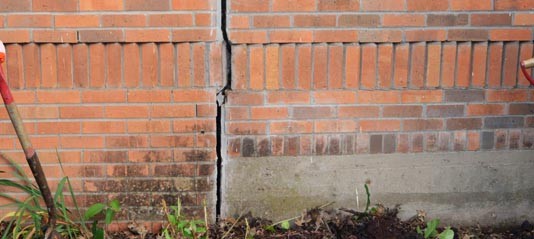
Foundation repair methods for homeowners exist precisely because these warning signs, once ignored, lead to shifting structural support and costly consequences down the road. Foundation repair itself refers to fixing structural issues within a home’s foundation to prevent further deterioration and restore stability. Recognizing the signs early gives homeowners more options and typically lower repair costs.
What causes a foundation to crack or shift in the first place?
Poor drainage ranks among the leading culprits behind foundation cracks. Gutters that fail to direct water away from the house, or grading that slopes toward the foundation instead of away from it, allow water to pool against the walls. That pooling weakens the surrounding soil, and weakened soil no longer supports the foundation evenly.
Not every shift indicates disaster, though. Minor settling is a normal part of a home adjusting to the ground beneath it over the years. The distinction that matters is degree and speed:
- Normal settling: hairline cracks, slow and minimal movement
- Warning-level trouble: widening cracks, sticking doors, visibly sloped floors, and signs tied to persistent water intrusion
What Causes Foundation Damage In Michigan Homes?
Soil movement and water intrusion drive most foundation problems across Grand Rapids, Lansing, and Saginaw basements. Homes settle into the ground gradually as years pass. This natural process can trigger foundation shifting that shows up as wall cracks, sticking doors, or sloping floors. Michigan’s freeze-thaw cycles compound the issue, expanding and contracting the soil around foundation walls each winter and spring.
A sinking foundation carries real consequences beyond cosmetic cracking. Left unaddressed, a settling foundation can compromise a home’s structural integrity, creating dangerous living conditions and driving repair costs higher the longer homeowners wait. What starts as a hairline crack can widen into a structural risk within a few seasons.
What are the common warning signs of foundation trouble?
Warning signs include stair-step cracks in block or brick walls, doors and windows that stick, and uneven or sloping floors. Bowed basement walls signal significant lateral pressure building from expanding soil outside the foundation. Any combination of these symptoms warrants a professional look before the damage spreads further.
Diagnosing the problem correctly matters more than rushing to a fix. Selecting effective foundation repair methods for homeowners starts with understanding the root cause of the movement, not just patching the visible crack. A crack caused by soil settlement needs a different fix than one caused by hydrostatic water pressure pushing against the wall.
A thorough inspection separates guesswork from an accurate diagnosis. This kind of assessment typically evaluates:
- Visible symptoms, such as crack width, wall bowing, and floor unevenness
- Underlying causes, including soil type, drainage patterns, and water table behavior
- Structural risk level and how quickly the movement is likely to progress
Does every crack mean the foundation is failing?
Not every crack signals structural failure, but every crack deserves a second look. Hairline cracks from normal concrete curing differ sharply from active, widening cracks tied to ongoing soil movement. A professional inspection distinguishes between the two before any repair work begins.
What Happens During A Free Inspection?
A no-cost, no-obligation basement inspection gives homeowners in Grand Rapids, Lansing, and Saginaw a clear picture of their foundation’s condition before any commitment is made. No pressure, no upfront fees — just a professional evaluation of what’s really happening beneath the home. For anyone weighing foundation repair methods for homeowners, this step comes first for good reason.
The inspection covers far more than a quick glance at a cracked wall. Trained inspectors examine both the interior and exterior of the property, checking foundation walls, floor slabs, drainage patterns, and grading around the home. This dual approach matters because water intrusion often starts outside long before it shows up as a damp basement floor. Once the walkthrough is complete, the homeowner receives a permanent repair estimate. Not a vague ballpark figure, but a defined scope of work tied to what the inspection actually found.
What does the inspector look for?
Inspectors identify the core components that shape any repair plan: the extent of cracking, evidence of bowing or shifting walls, soil moisture conditions, and existing drainage systems. This assessment determines which repair method fits the home’s specific situation, since foundation problems rarely have a one-size-fits-all fix.
Is scheduling an inspection complicated?
Not for homeowners who prefer a conversation over a web form. Anyone who wants to speak directly with a team member can simply call rather than submit paperwork online. That flexibility makes the process accessible whether someone wants immediate answers or time to review a written estimate first.
Homeowners walk away from the visit with:
- A documented assessment of interior and exterior foundation conditions
- A written, permanent repair estimate
- Clarity on which repair approach addresses their specific issue
How Does Total Foundation Excavation Work?
Total foundation excavation starts with heavy equipment removing soil from around the home’s perimeter. A backhoe digs down to the footing, fully exposing the foundation wall from top to bottom. This approach represents one of the more comprehensive foundation repair methods for homeowners dealing with significant structural or water intrusion problems.
Once the wall stands fully exposed, crews inspect the original footer tiles for damage or blockage. Cracked or deteriorated tiles get replaced at this stage, restoring proper drainage at the base of the foundation. Skipping this step leaves homeowners vulnerable to the same drainage failures that caused problems in the first place.
After the footer work is complete, the exposed wall receives a fresh waterproofing seal. Materials such as tar and plastic sheeting create a barrier against soil moisture and groundwater. This sealing step protects the wall from future cracking. Seepage while giving outside drainage a real chance to function properly.
What Are the Benefits and Limitations of Excavation Repair?
Excavation offers genuine structural benefits, but it does not solve every basement issue homeowners face. Consider the trade-offs before choosing this method:
- Strengthens exterior defense — protects outside walls from cracking and water seepage over time
- Improves drainage performance — replaced footer tiles allow water to move away from the foundation instead of pooling against it
- Leaves humidity unaddressed — excavation does not treat the indoor moisture and humidity that drive mold growth inside a basement
That last point matters. A homeowner who invests in excavation alone may still face musty air, mold spores, and lingering dampness indoors. The method targets the exterior wall and soil conditions rather than interior air quality.
Is Excavation the Right Choice for Every Home?
Excavation suits homes with visible exterior wall damage, failing footer tiles, or persistent seepage traced to the foundation’s outside surface. Homes struggling primarily with indoor humidity or mold, however, typically need an additional interior solution paired with excavation. Grand Rapids, Lansing, and Saginaw homeowners facing both exterior and interior symptoms benefit from a full inspection to determine which combination of repairs addresses the complete problem.
How Do Interior Waterproofing Systems Fix Foundations?
Interior waterproofing systems solve basement water problems by creating a permanent drainage path beneath the floor. Crews open the concrete floor around the basement’s perimeter, dig a trench, and install pipe and gravel around the footer to redirect water away from living space. This structural approach addresses foundation repair methods for homeowners who need a long-term fix rather than a temporary patch.
The trench system alone does not catch every source of moisture. Water often seeps through the block walls themselves, trapped inside hollow cavities where it can build pressure over time. To solve this, technicians drill small weep holes into each block cavity. These openings release trapped water into the drainage system below, preventing hidden pressure from cracking walls or pushing them inward.
Does interior waterproofing work on every type of foundation?
Foundation materials vary widely across older and newer homes in Grand Rapids, Lansing, and Saginaw neighborhoods. A properly engineered interior system adapts to poured concrete, block, brick, stone, and red clay tile foundations, along with crawl spaces and slabs. Homeowners with older brick or stone basements often assume their walls are too fragile or outdated for modern repair; that assumption usually proves wrong.
What makes an interior system different from surface patching?
Surface patches seal a crack but ignore the water pressure building behind the wall. Interior systems intercept that water before it ever reaches the living space, moving it through gravel and pipe instead of letting it pool against the foundation.
A complete interior system typically includes:
- A perimeter trench cut into the basement floor
- Pipe and gravel installed directly around the footer
- Weep holes drilled into block wall cavities
- Compatibility with poured concrete, block, brick, stone, and red clay tile construction
Each component works together, turning a reactive repair into a lasting structural solution.
Can DuraShield Finish And Protect Your Basement?

The panels create a vapor barrier that blocks moisture from entering the basement. That barrier does double duty, since it also delivers a clean, finished look instead of exposed, unattractive walls. Homes with clay, brick, or stone foundations benefit directly, because the panels adhere straight to the existing wall surface. No demolition or major structural alteration gets involved.
Installation follows a consistent, straightforward format:
- Panels measure 4 feet by 8 feet per section
- Durable fasteners secure each panel to the wall
- Sections adhere directly to clay, brick, stone, or concrete surfaces
- No ongoing maintenance is required after installation
Does DuraShield add insulation value?
Yes. Beyond blocking moisture, the panel system adds extra insulation to the basement. That insulation helps regulate temperature in the space, making finished basements more comfortable year-round.
Is DuraShield hard to maintain?
No. The panels are built as a maintenance-free product. Once installed, homeowners avoid repainting, resealing, or repairing the wall surface over time, which sets this approach apart from traditional drywall or paint-based basement finishing.
Why Trust EverDry With Your Foundation Repair?
Twenty-five years of continuous operation sets EverDry apart from newer competitors in the waterproofing industry. Homeowners across Grand Rapids, Lansing, and Saginaw face a real choice when foundation cracks or bowed walls appear: hire a company with a short track record, or work with one of the nation’s largest and most experienced waterproofers. That distinction matters when structural work is on the line, because inexperienced contractors leave homeowners exposed to repeat failures and repeat bills.
EverDry Waterproofing of Greater Grand Rapids operates out of Wyoming, Michigan, placing local crews close to the neighborhoods they serve. Proximity means faster inspections and technicians who understand regional soil and moisture patterns firsthand. Local presence also backs up a broader reputation: the company holds recognition as Michigan’s three-time Flashlight Award winner, a distinction tied to business ethics and customer trust.
What makes a foundation repair company trustworthy?
Trustworthy foundation repair companies combine longevity, recognition, and transparent communication. A company still standing after 25 years has weathered enough jobs to refine its methods and stand behind them. Awards for ethical business practice add another layer of accountability beyond marketing claims alone.
How does EverDry help homeowners choose the right repair option?
EverDry professionals meet with homeowners one-on-one rather than handing over a generic estimate sheet. This direct approach lets specialists walk through foundation repair methods for homeowners in plain terms, explaining tradeoffs specific to each property.
That education-first process gives homeowners three practical advantages:
- Clear explanations of why a particular repair method fits their foundation type
- Direct answers to questions about cracks, bowing, or water intrusion before any commitment
- A decision-making process built on understanding, not pressure
Choosing a waterproofer becomes less about marketing promises and more about verifiable history. EverDry’s combination of decades in business, statewide recognition, and hands-on homeowner education gives Greater Grand Rapids families a documented reason to trust the process from inspection through repair.
How Do You Choose The Right Repair?
The right repair method depends on the specific warning signs a home displays: standing water, hairline cracks, or full wall bowing all point toward different solutions. Foundation repair methods for homeowners range from targeted crack sealing to full wall replacement, and matching the method to the actual problem prevents wasted money on the wrong fix. Grand Rapids, Lansing, and Saginaw homes face varied soil and moisture conditions, so a one-size-fits-all approach rarely works.
A professional inspection removes the guesswork. Any homeowner noticing water, dampness, cracking, or seepage in a basement should request a free foundation inspection promptly. These symptoms often signal issues below the surface that aren’t visible from a quick glance. Waiting allows minor cracks to widen and moisture damage to spread into structural framing and finished spaces.
Advanced diagnostic technologies and proven repair methods work together to keep a home dry and free from long-term water damage. Comparing options side by side helps homeowners understand tradeoffs before committing:
- Crack injection — seals isolated cracks, best for minor non-structural issues
- Interior drainage systems — manages ongoing water intrusion and seepage
- Wall reinforcement or excavation-based repair — addresses bowing or structural movement
Does warranty coverage vary by repair method?
Yes. Warranty terms differ depending on the method chosen. Excavation-based repair, for instance, covers walls only rather than the full foundation system. Homeowners should ask directly which components a warranty protects before selecting a solution.
Should homeowners get more than one opinion?
A second inspection rarely hurts, especially when structural cracking or bowing is involved. Comparing findings helps confirm the diagnosis and ensures the recommended repair actually matches the damage observed.
FAQ
What foundation repair methods do professionals use?
Professionals use steel or carbon fiber wall reinforcement for bowing walls, exterior waterproofing membranes, interior drainage systems, and crack injections for poured concrete or block foundations. Everdry Waterproofing evaluates foundation type before recommending permanent, guaranteed solutions.
What warning signs indicate a homeowner needs foundation repair?
Cracked walls, doors that stick in their frames, and sloping floors signal foundation trouble before more serious damage occurs. These symptoms often stem from persistent water intrusion and require immediate professional inspection.
What causes foundation cracks and shifting in Michigan homes?
Poor drainage, soil movement, and water intrusion drive most foundation problems. Michigan’s freeze-thaw cycles expand and contract soil around foundation walls each winter and spring. Gutters and grading that fail to direct water away worsen the issue.
Conclusion
In closing, understanding the foundation repair methods available to you empowers you to make informed decisions about protecting your home’s structural integrity. Whether addressing minor cracks or more significant concerns, the key lies in identifying problems early and selecting solutions tailored to your specific situation. By educating yourself on these approaches and consulting with experienced professionals who prioritize your long-term needs, you invest in your home’s durability and your family’s safety for years to come.

Rob VanSuilichem
Serving Michigan homeowners for over 32 years, Everdry is one of the Nation’s largest and most experienced waterproofer.
Locally owned, operated and staffed, Everdry professionals take a personal one-on-one approach in educating homeowners so they truly understand all their options for creating a safe, dry, healthy and usable space in their basements.
What Sets Us Apart
- Unbeatable quality due to the experience of the owners and staff.
- Unbeatable value due to the efficiency and expertise of more than 32 years of experience.
- Unbeatable value due to the purchasing power of being one of the largest waterproofers in the nation.
- Unbeatable service due to the fact that EverDry is a locally owned and operated company.
Credentials Include:
- Members of the Home Builders Association
- H.U.D. evaluated
- I.C.C. evaluated (Report #94-07)
- Better Business Bureau Accredited with the Eastern and Western Michigan BBB
- Fully Licensed and Insured
The aforementioned memberships are important because we benefit from the constant exchange of information and knowledge. We are updated on everything from installation techniques, to customer service improvements. You benefit in the knowledge that these third party inspection agencies require us to meet stringent requirements to remain members in good standing.
Better Business Bureau
We have been nominated and won the prestigious Better Business Bureau’s Torch Award for Ethics many times, Chosen as a W.Mich.BBB Torch finalist in 2014 & 2015, Won the Torch Award for Ethics in 2016, Won the Eastern Michigan BBB Torch Award in 2019 and was also chosen as a Western Michigan BBB Torch finalist in 2019. Won the Eastern Michigan BBB Torch Award in 2023 and Finalist for the Western Michigan BBB Torch Award in 2020 & 2021!
Mission Statement
To create raving fans of our customers and employees through frequent contact, constant training, a commitment to excellence and unlimited opportunity.